LFP and NCM are both lithium-ion chemistries, but they solve different engineering problems.
LFP emphasizes cycle durability, thermal stability and cost structure. NCM provides higher energy density, which can reduce battery mass and volume.
The correct supplier therefore depends first on the application. Choosing an LFP Cells Manufacturer for a project that is dominated by size and weight constraints may not be optimal, while choosing NCM for a stationary high-cycle system may create unnecessary cost or thermal-management complexity.
LFP vs NCM at a Glance
| Requirement | LFP | NCM |
|---|
| Gravimetric energy density | Lower | Higher |
| Volumetric energy density | Lower | Higher |
| Thermal stability | Strong | Requires greater thermal attention |
| Cycle-intensive use | Strong fit | Application dependent |
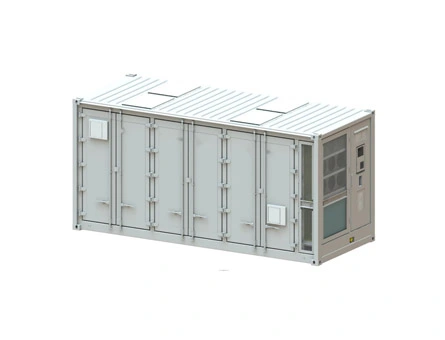
| Stationary storage | Strong fit | Possible but less common today |
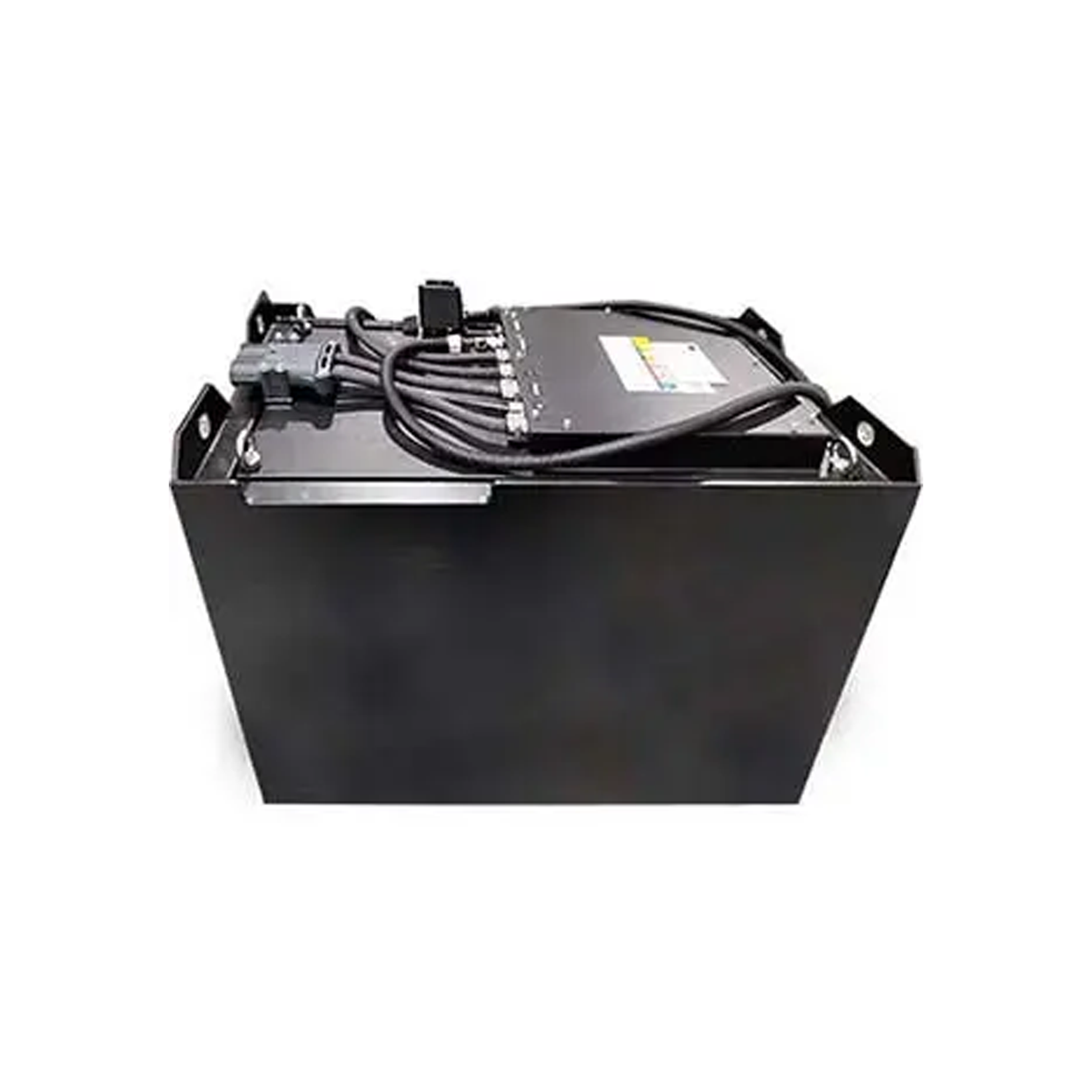
| Forklifts | Strong fit | Used where density matters |
| Commercial vehicles | Strong fit | Useful where mass/space matter |
| Nickel/cobalt in cathode | No | Yes |
Why Choose an LFP Cell Manufacturer?
LFP is particularly attractive when the battery will:
Cycle frequently
Operate in industrial equipment
Remain in service for many years
Have adequate packaging space
Prioritize thermal stability
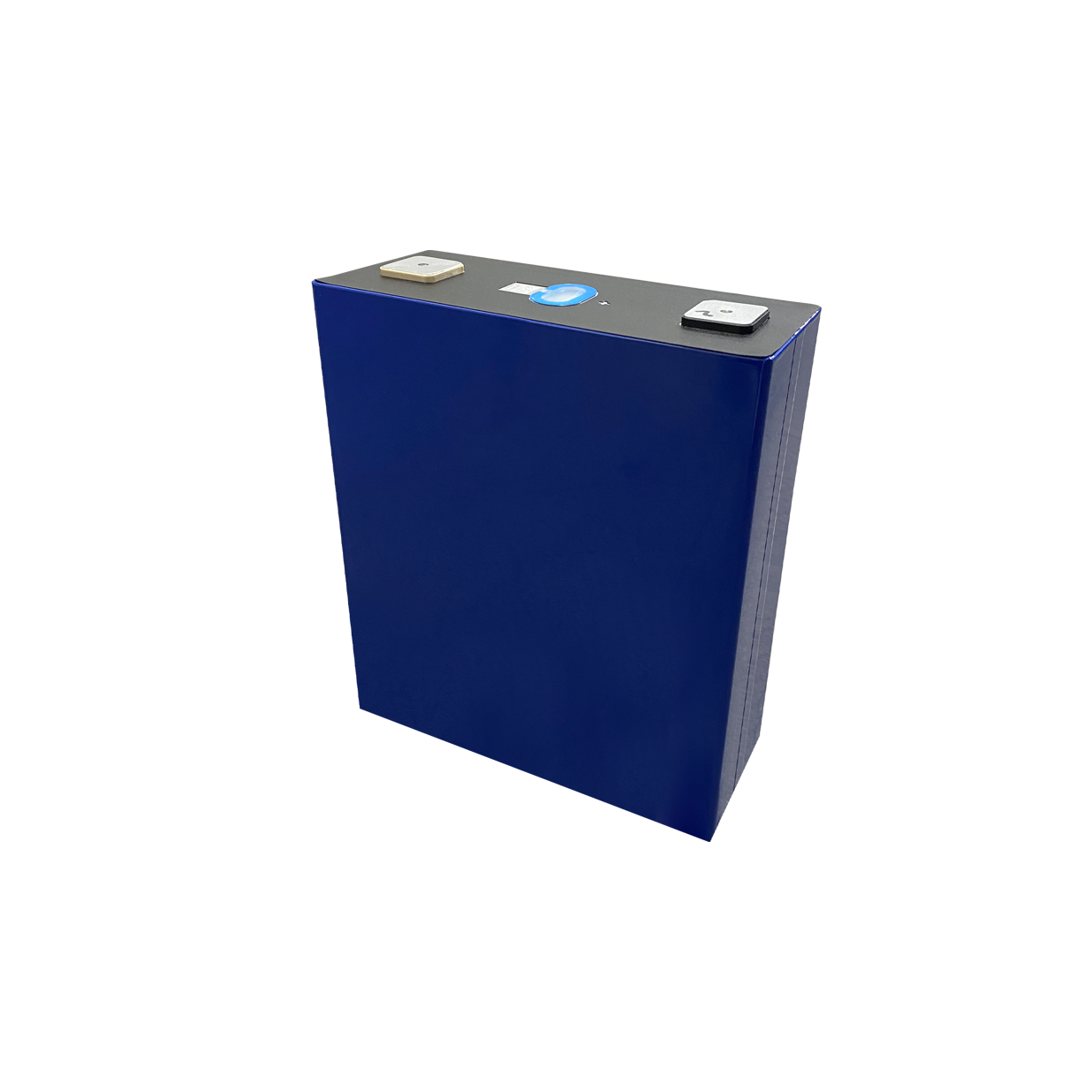
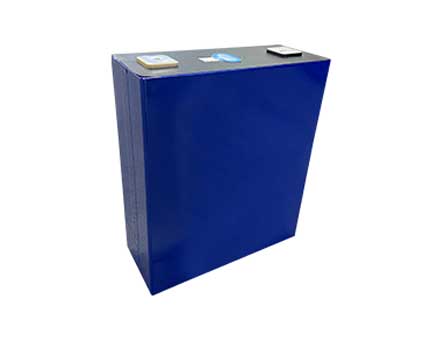
LITHIUM STORAGE's LFP range currently covers 40Ah–302Ah. It positions 205Ah, 230Ah, 280Ah and 302Ah products for forklifts, buses and trucks, while lower-capacity products serve other power and energy applications.
This broad capacity range can simplify cell selection for industrial projects.
Why Choose NCM?
NCM is attractive when battery size and mass are critical.
Examples include:
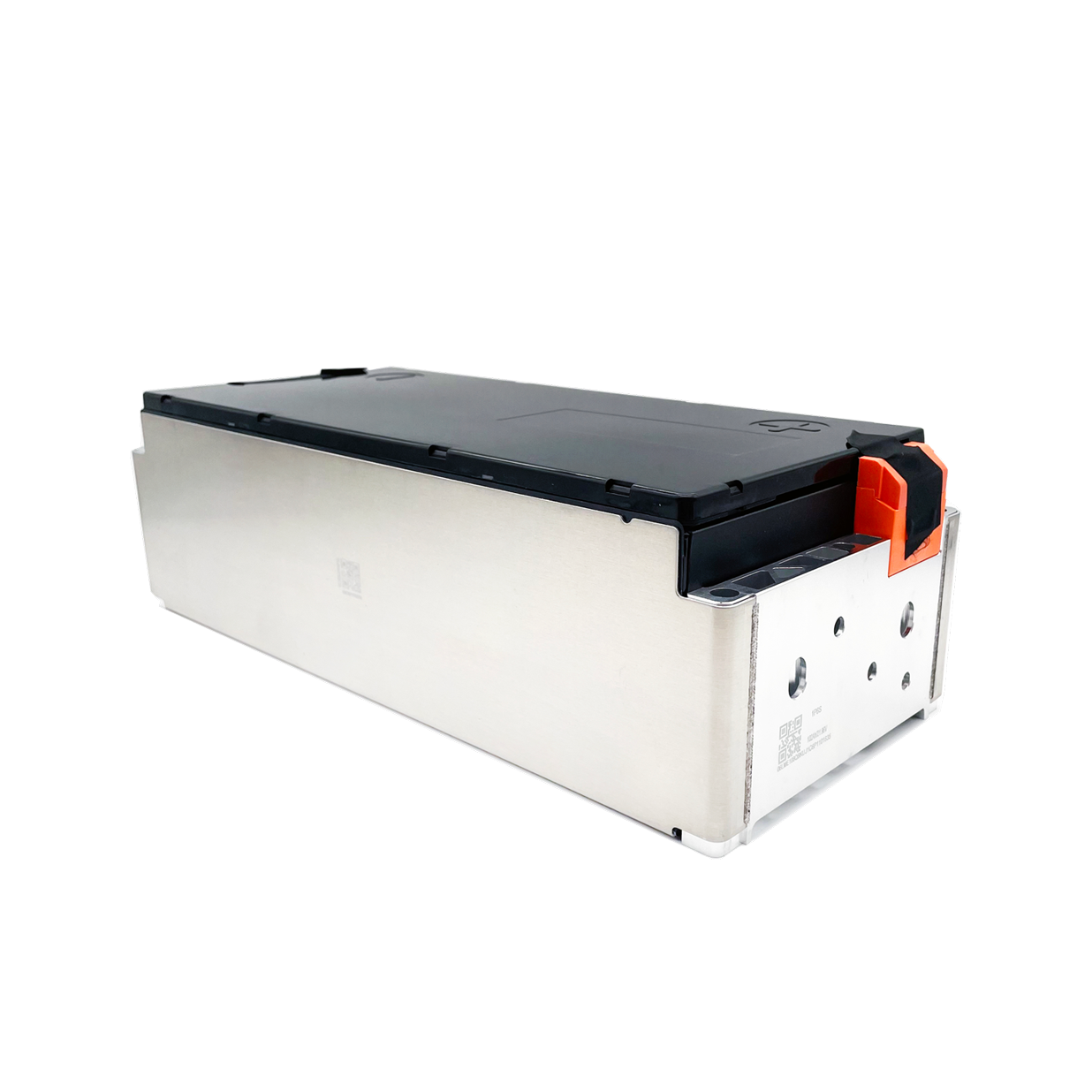
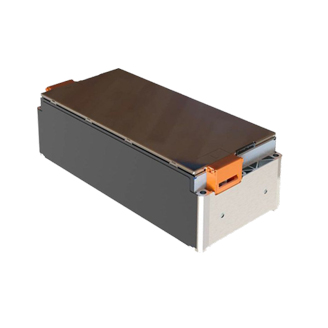
LITHIUM STORAGE's NCM products include 102Ah and 177Ah VDA-format modules that have been used in automotive projects. The company states that these modules have gone through mass assembly/commercial operation and carry relevant transportation certification.
Energy Density Can Change Vehicle Economics
Suppose two battery systems both need 100kWh.
If the NCM system is significantly lighter, the vehicle may gain:
payload
range
packaging flexibility
For a stationary ESS, those advantages may be less valuable because the battery is not transported every day.
Therefore, chemistry should be matched to the value of weight and space.
LFP Can Be Stronger for High-Cycle Applications
For forklifts and energy storage, batteries may cycle every day.
LITHIUM STORAGE provides a deep-cycle LFP280Ah cell specifically for storage applications and uses LFP across its forklift and commercial-vehicle platforms.
This reflects a broader industry trend toward LFP in applications where cycle life and thermal behavior are high priorities.
NCM Requires More Attention to Thermal Management
Higher-energy-density chemistries can demand more carefully engineered thermal and safety systems.
That does not make NCM unsafe.
It means the cell chemistry must be evaluated as part of the complete:
cell + module + cooling + BMS + enclosure
architecture.
Manufacturer Capability Matters More Than Chemistry Label
Two LFP cells from different manufacturers can differ significantly in:
cycle life
internal resistance
power capability
consistency
swelling behavior
manufacturing quality
The same is true for NCM.
When comparing suppliers, request:
cell datasheet
cycle curves
DCIR
temperature performance
dimensional tolerances
certification
batch-consistency data
Check Certification by Cell Model
LITHIUM STORAGE's certification tables show that certification coverage differs by cell.
For example, selected LFP products carry IEC62619, while individual products also have combinations of UL1642, BIS, JET, MSDS and UN38.3.
Its NCM cell certification coverage likewise varies by specific product.
This is why a buyer should never select an LFP Cells Manufacturer based only on a general company certificate.
Which Chemistry Fits Which Application?
Forklifts:
LFP is usually a strong starting point because weight is less critical and cycle life/thermal stability matter.
Grid/C&I storage:
LFP is generally preferred for modern high-cycle stationary systems.
Commercial vehicles:
LFP can provide strong lifecycle economics; NCM may be considered where packaging or weight is especially restrictive.
Passenger/light vehicles:
Both chemistries can work, with the decision heavily influenced by range and cost targets.
LITHIUM STORAGE Offers Both
LITHIUM STORAGE is not limited to one chemistry. Its current product range includes LFP and NCM prismatic cells, allowing the engineering decision to be driven by application rather than supplier limitations.
For buyers, the practical rule is:
Choose LFP when lifecycle, thermal stability and industrial cycling dominate. Choose NCM when every kilogram and liter has high value.
Then select the actual supplier based on cell data, production quality, certification and engineering support—not chemistry name alone.