China has become the center of global lithium-ion battery manufacturing, but geography alone does not determine whether a battery supplier is right for an industrial project.
Chinese manufacturers can offer significant advantages in manufacturing scale, cost, supply-chain integration and product variety. Suppliers in Europe, North America, Japan and Korea may offer advantages in local service, regulatory familiarity, localization requirements and regional supply-chain resilience.
For buyers evaluating a Lithium Ion Battery Manufacturer, the correct comparison is therefore not simply “China vs non-China.” It is a comparison of specific manufacturers, products and project risks.
China's Manufacturing Scale Is Difficult to Ignore
The International Energy Agency reports that China accounted for more than 80% of global battery production in 2025, while Chinese, Korean and Japanese companies collectively supplied nearly all lithium-ion cells globally.
This scale creates advantages in:
The IEA also notes that China has particularly strong upstream and midstream battery supply chains.
Chinese Batteries Often Have a Cost Advantage
The IEA reports that Chinese battery prices declined faster than those in Europe and North America during 2024, driven by competition, manufacturing efficiency, supply-chain integration and skilled labor.
For industrial buyers, this can translate into competitive pricing for:
cells
modules
forklift batteries
commercial-vehicle packs
ESS
But the lowest quotation is not automatically the lowest lifetime cost.
China Also Offers More Supplier Depth
A Chinese buyer can source:
cells
busbars
BMS
contactors
thermal components
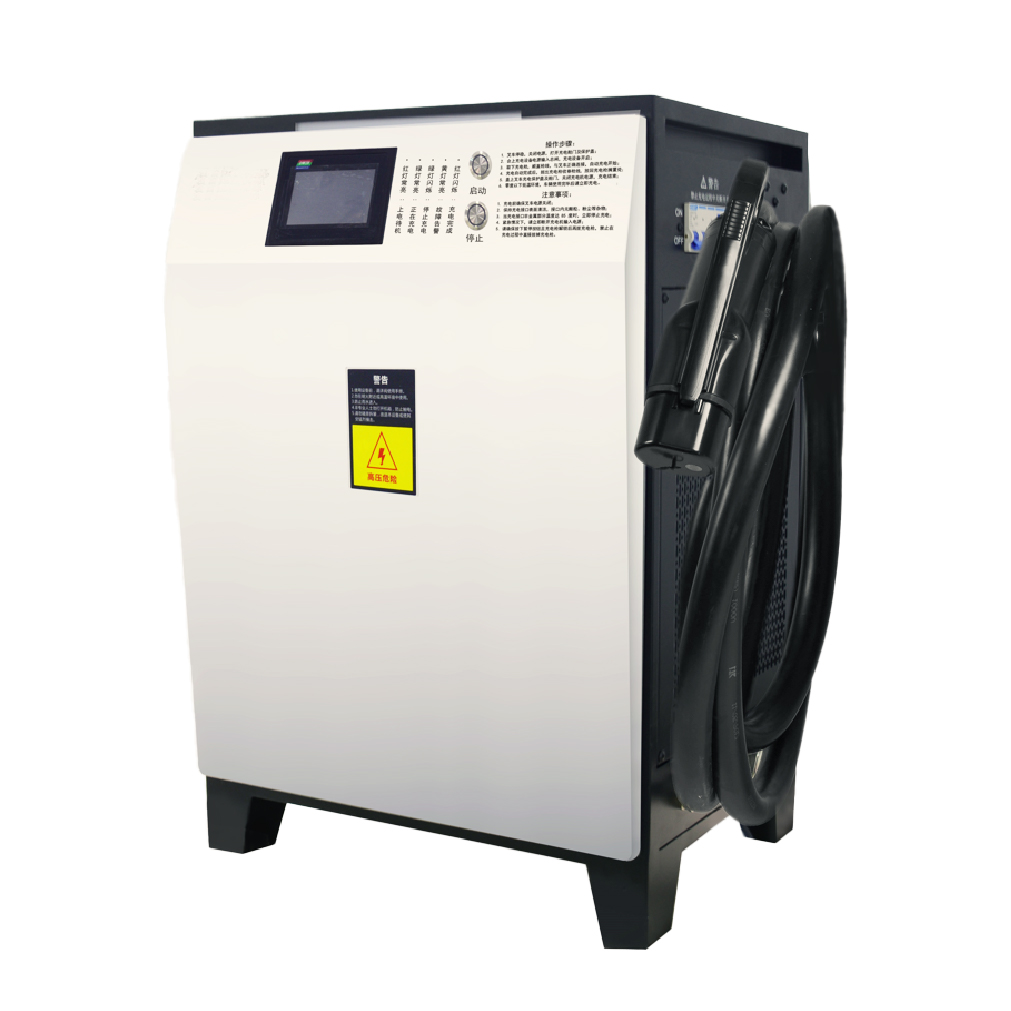
chargers
enclosures
from a highly developed local supply network.
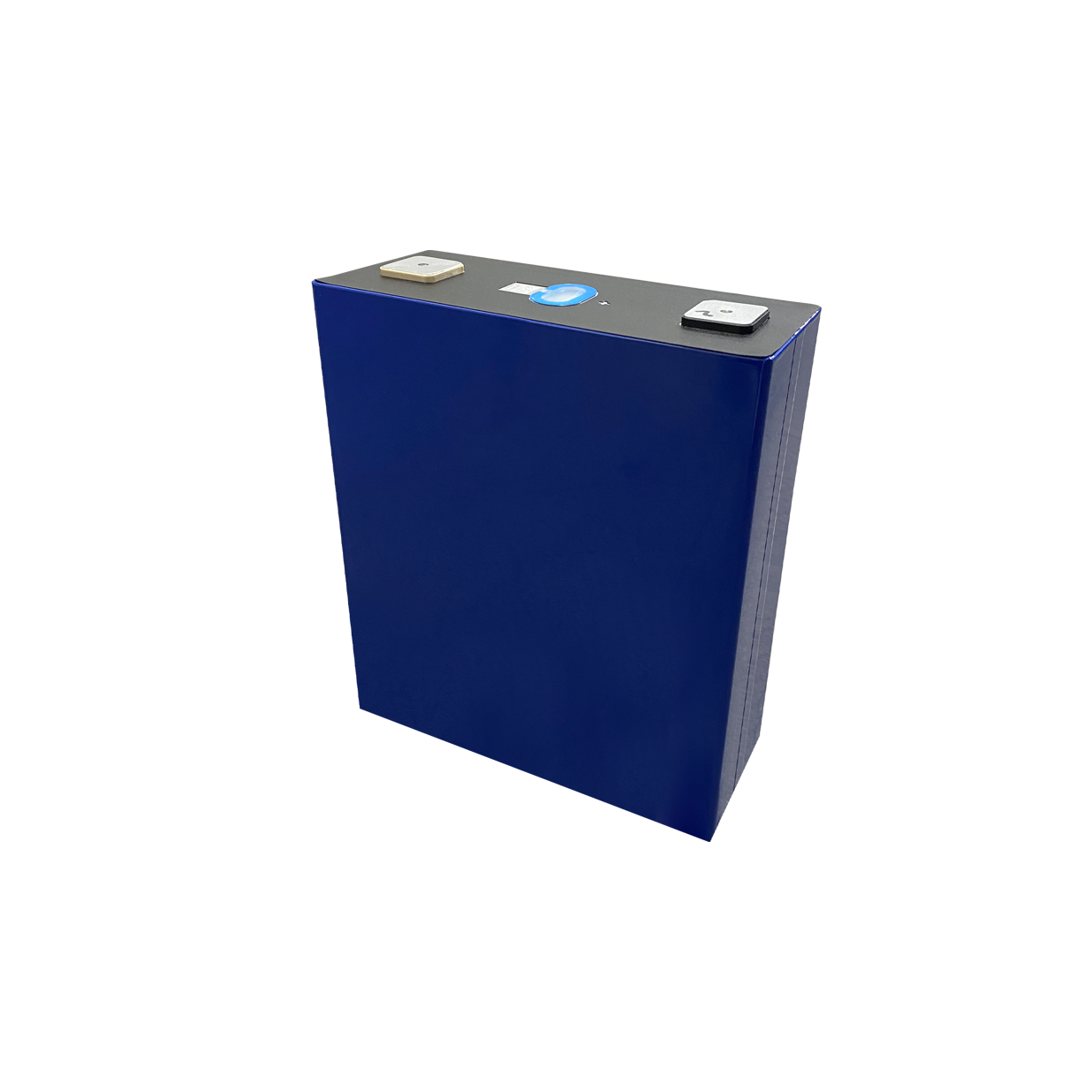
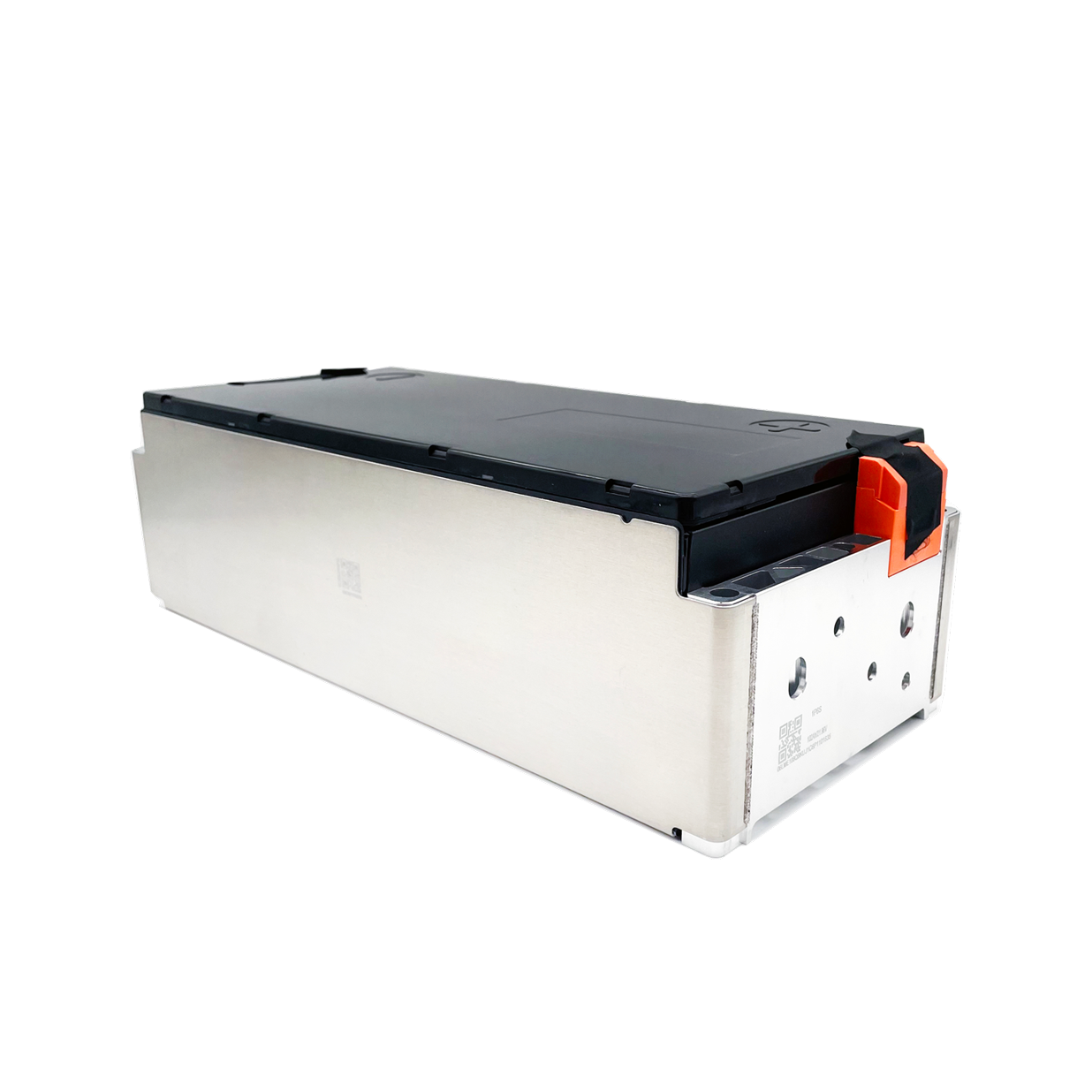
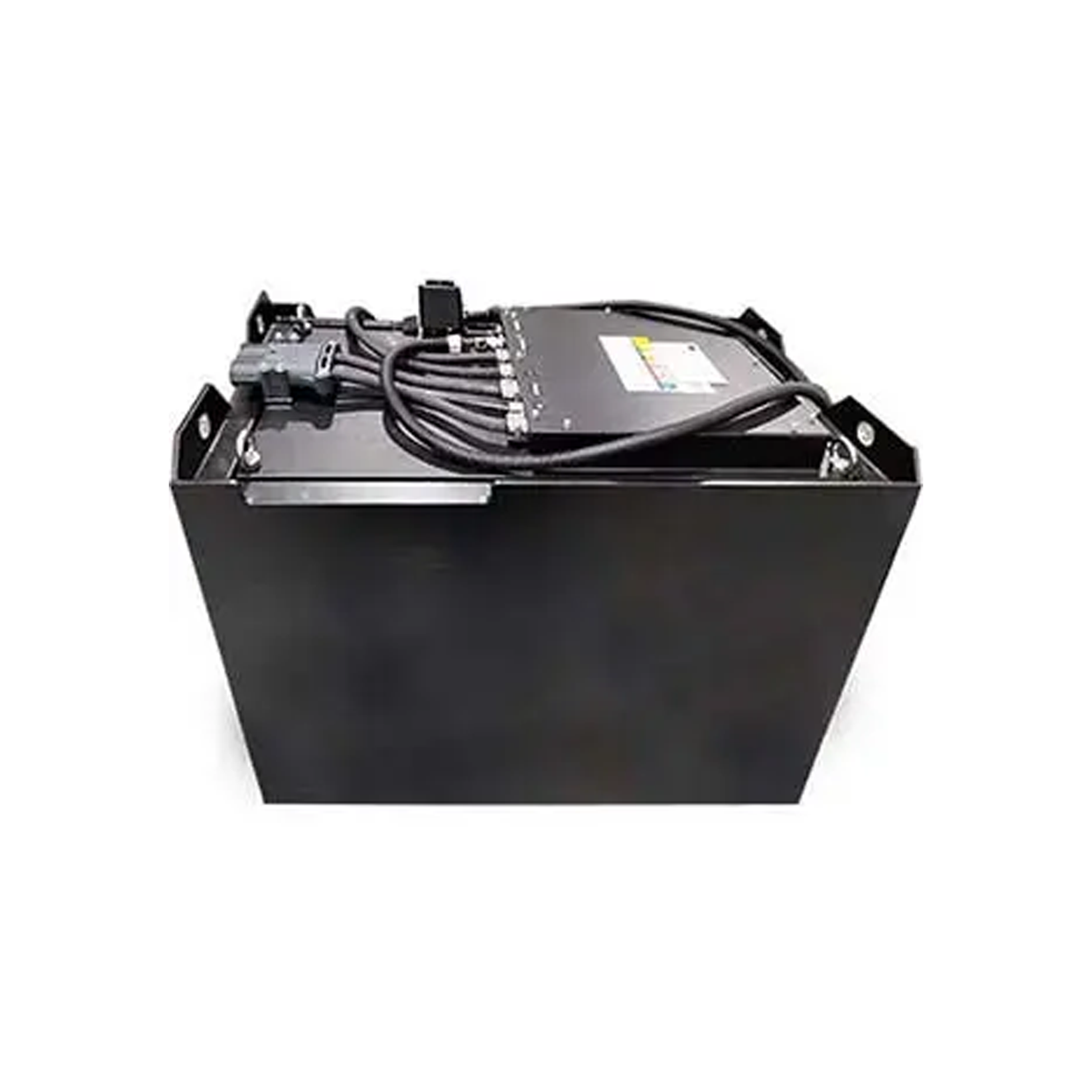
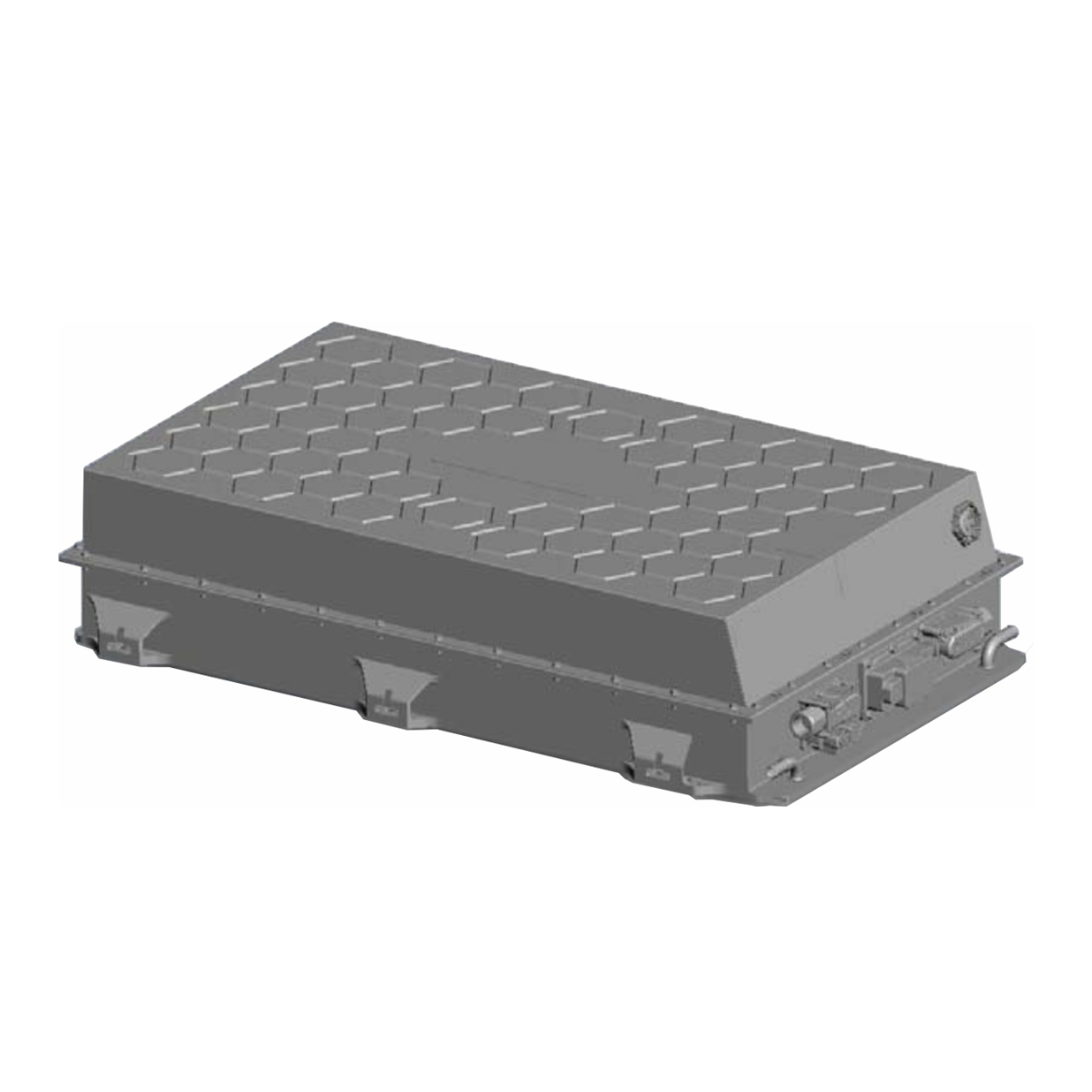
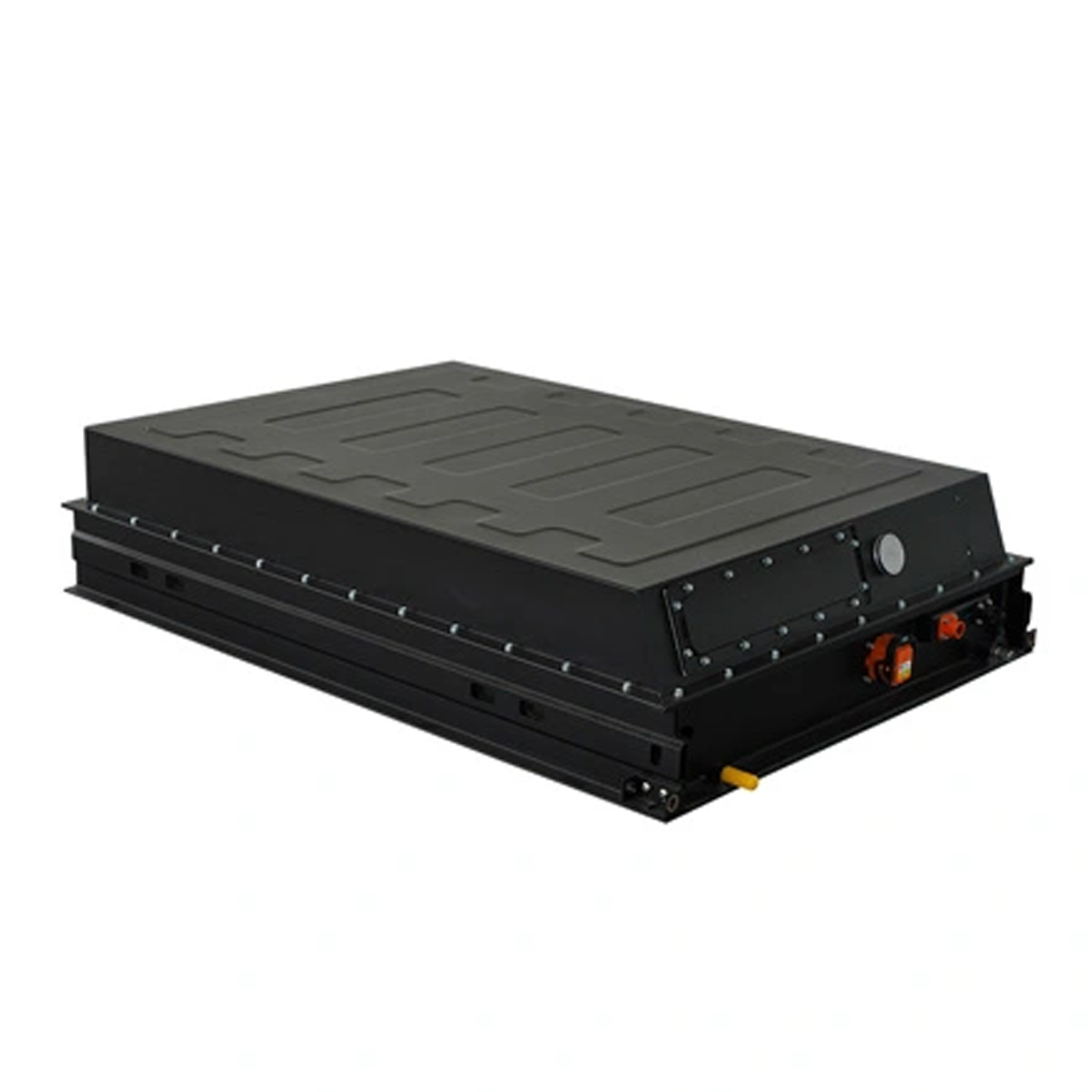
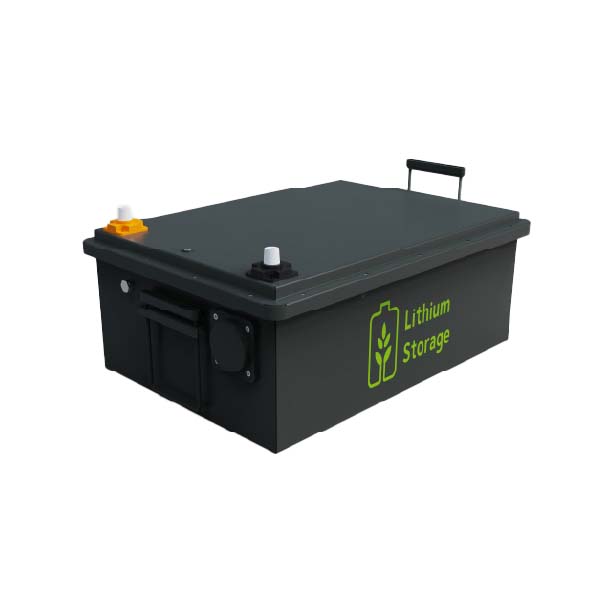
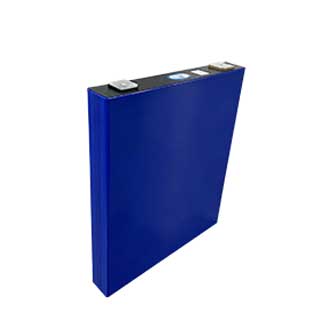
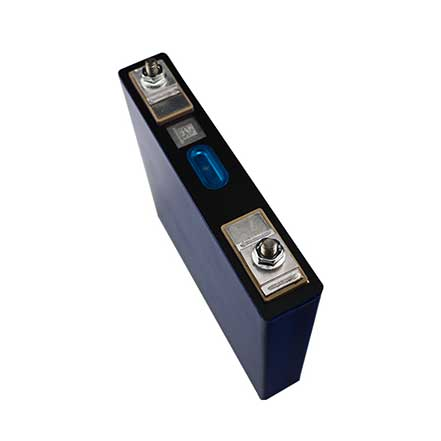
LITHIUM STORAGE itself supplies multiple levels of the battery system, including LFP/NCM cells, modules, forklift batteries, commercial-vehicle Flexi Packs, PDU and ESS products.
For OEM projects, dealing with a manufacturer that understands the complete battery architecture can reduce integration complexity.
Global Alternatives May Offer Better Local Support
A supplier with manufacturing or service facilities near the customer can provide advantages in:
A European industrial OEM may therefore accept a higher battery price if local support substantially reduces operational risk.
Tariffs Can Change the Cost Equation
Battery supply chains are increasingly affected by trade policy.
The IEA notes that tariffs can offset part of China's battery-price advantage and that international trade policies are becoming an important factor in battery costs.
Industrial buyers should therefore calculate:
ex-factory price + freight + duty + tariff + local testing + service cost
rather than comparing FOB prices alone.
Supply Concentration Is Also a Risk
China's battery dominance creates another issue: supply-chain concentration.
The IEA highlights the global battery sector's reliance on China for cell production and upstream battery components.
For some large OEMs, dual sourcing from different regions may therefore be worth the additional cost.
Quality Is Not Determined by Country
China contains:
Other regions have the same spectrum of supplier quality.
The meaningful questions are:
What quality systems exist?
Which exact battery is certified?
Is production traceable?
What cells are used?
What test data is available?
Who supports integration?
What warranty applies?
LITHIUM STORAGE, for example, states that its quality system follows ISO9001 and IATF16949 and uses MES traceability, raw-material testing and delivery inspection.
Those are specific supplier characteristics—not advantages that should automatically be attributed to every Chinese company.
Chinese Manufacturers Can Be Strong for Custom Industrial Projects
Because of supplier density and engineering flexibility, China can be particularly competitive for:
LITHIUM STORAGE's portfolio includes both standard and custom modules and battery packs, allowing projects to choose different integration levels.
Global Suppliers May Be Stronger Where Localization Is Mandatory
A local or multinational alternative may make more sense when:
Government procurement requires local content.
Tariffs are high.
Regional homologation is difficult.
Local field service is critical.
The project requires established OEM approval.
In these cases, supply-chain localization can be more valuable than the cell's ex-factory cost.
A Better Supplier Comparison
| Criterion | What to Compare |
|---|
| Price | Landed cost, not FOB |
| Cell quality | Test data and consistency |
| Manufacturing | Capacity, yield, traceability |
| Certifications | Exact model coverage |
| Engineering | CAN/BMS/thermal support |
| Logistics | DG shipping capability |
| Warranty | Terms and service process |
| Local support | Response time/spare parts |
| Supply security | Geographic and supplier concentration |
| Customization | Tooling and development capability |
China's manufacturing position is significant: the IEA estimates Chinese production represented over four-fifths of the global total in 2025.
That scale makes Chinese sourcing commercially important, but it does not remove the need for supplier qualification.
When selecting a Lithium Ion Battery Manufacturer, the strongest procurement strategy is to evaluate product compliance, technical fit, landed cost, supply risk and long-term support supplier by supplier, rather than assuming one country of origin is universally superior.