When selecting lithium-ion cells for energy storage, electric vehicles, forklifts, AGVs, marine systems, or industrial equipment, energy density is only one part of the decision. Safety and thermal stability can be equally important, particularly when cells will operate in large packs, enclosed spaces, high-temperature environments, or applications where downtime and fire risk must be minimized.
Two of the most widely used lithium-ion chemistries are LFP (lithium iron phosphate) and NCM (nickel cobalt manganese). Both can deliver reliable performance, but their cathode structures behave differently under heat, overcharge, internal short circuit, and other abuse conditions.
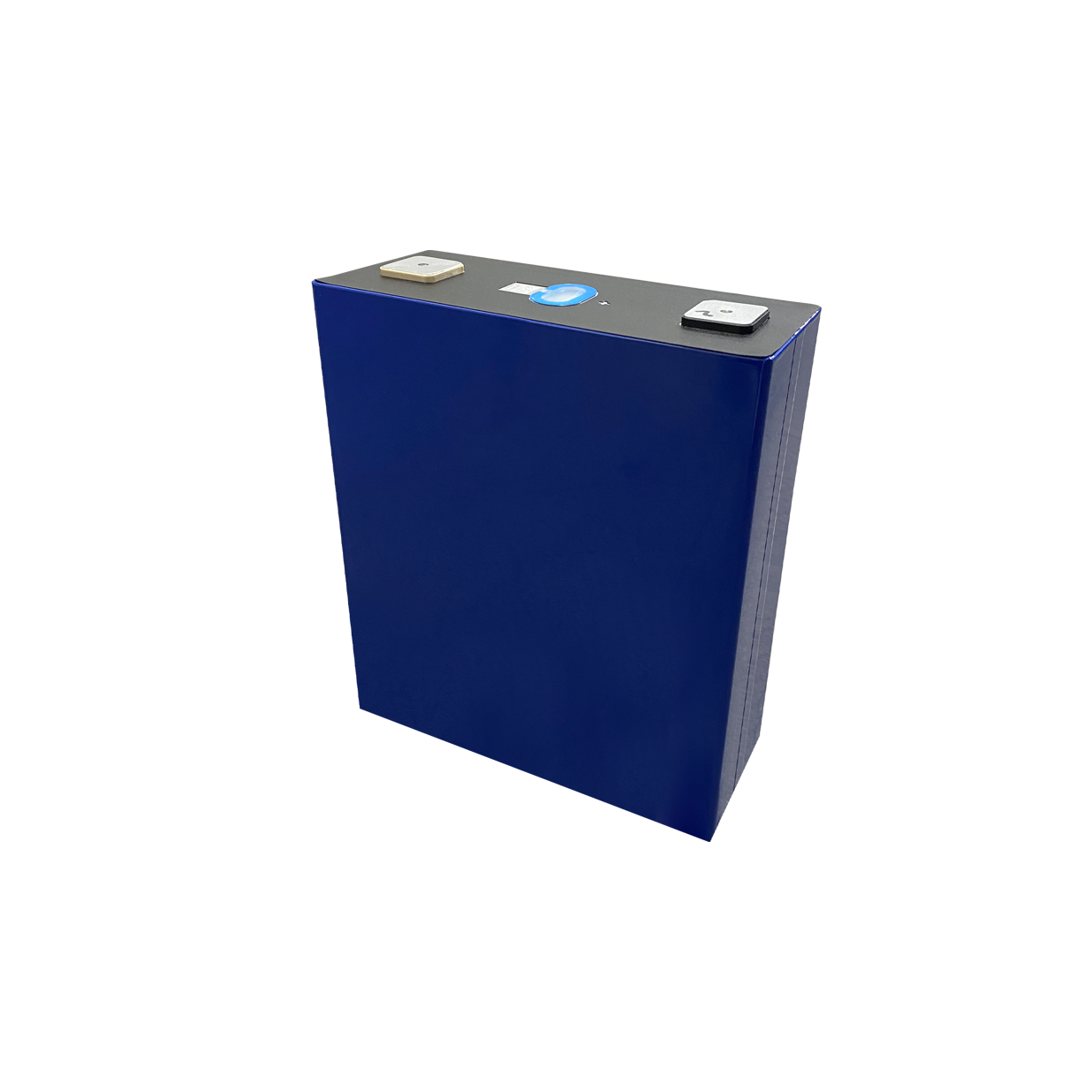
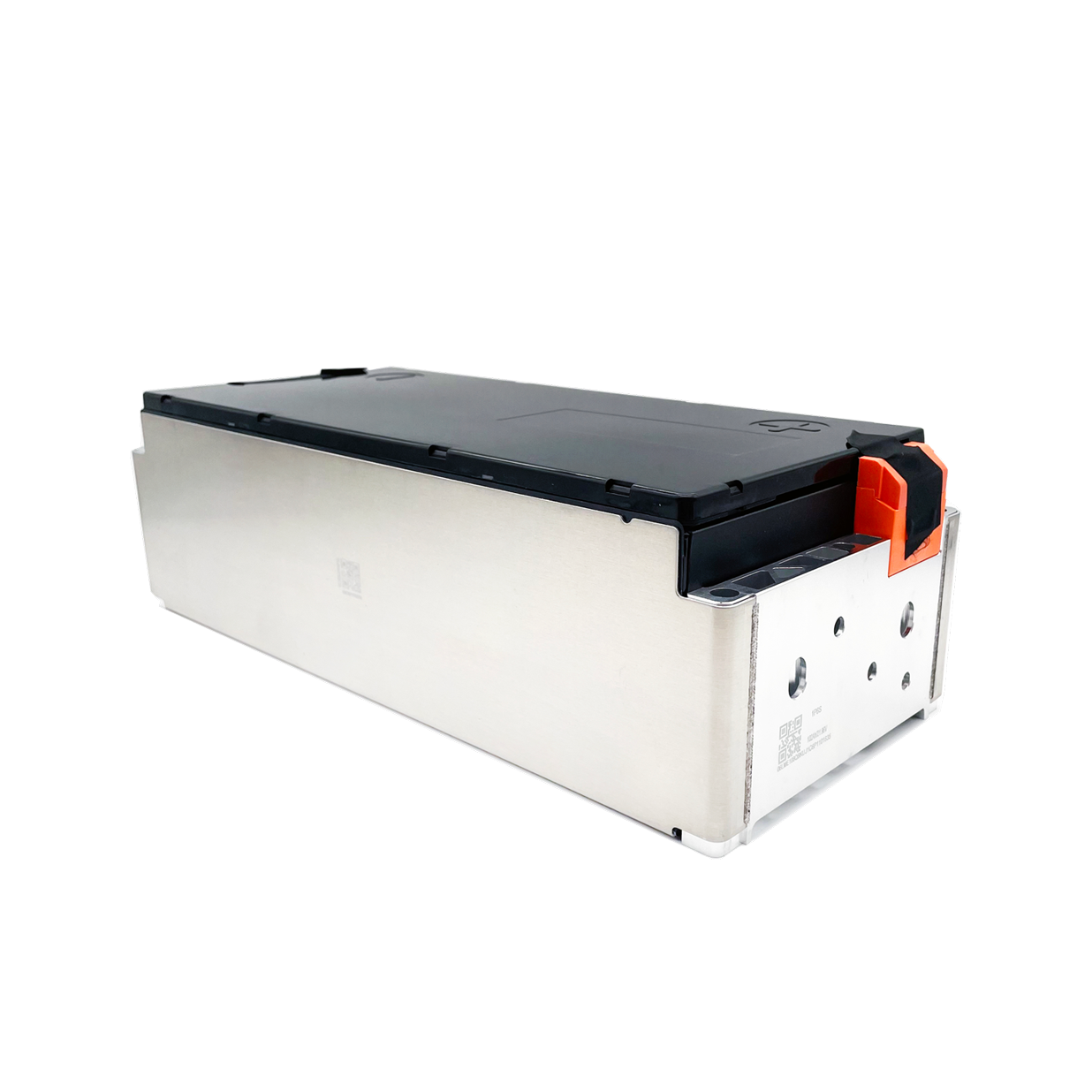
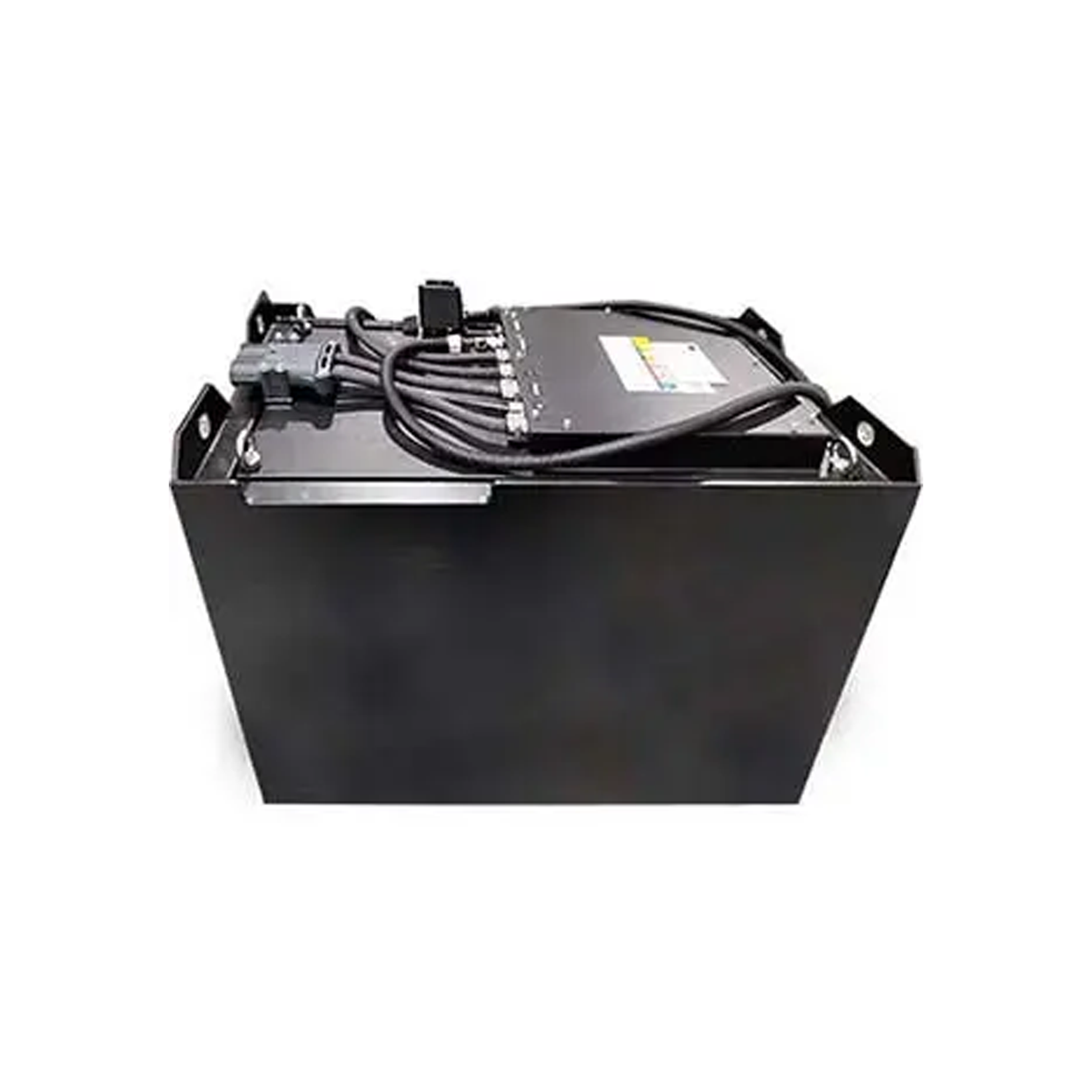
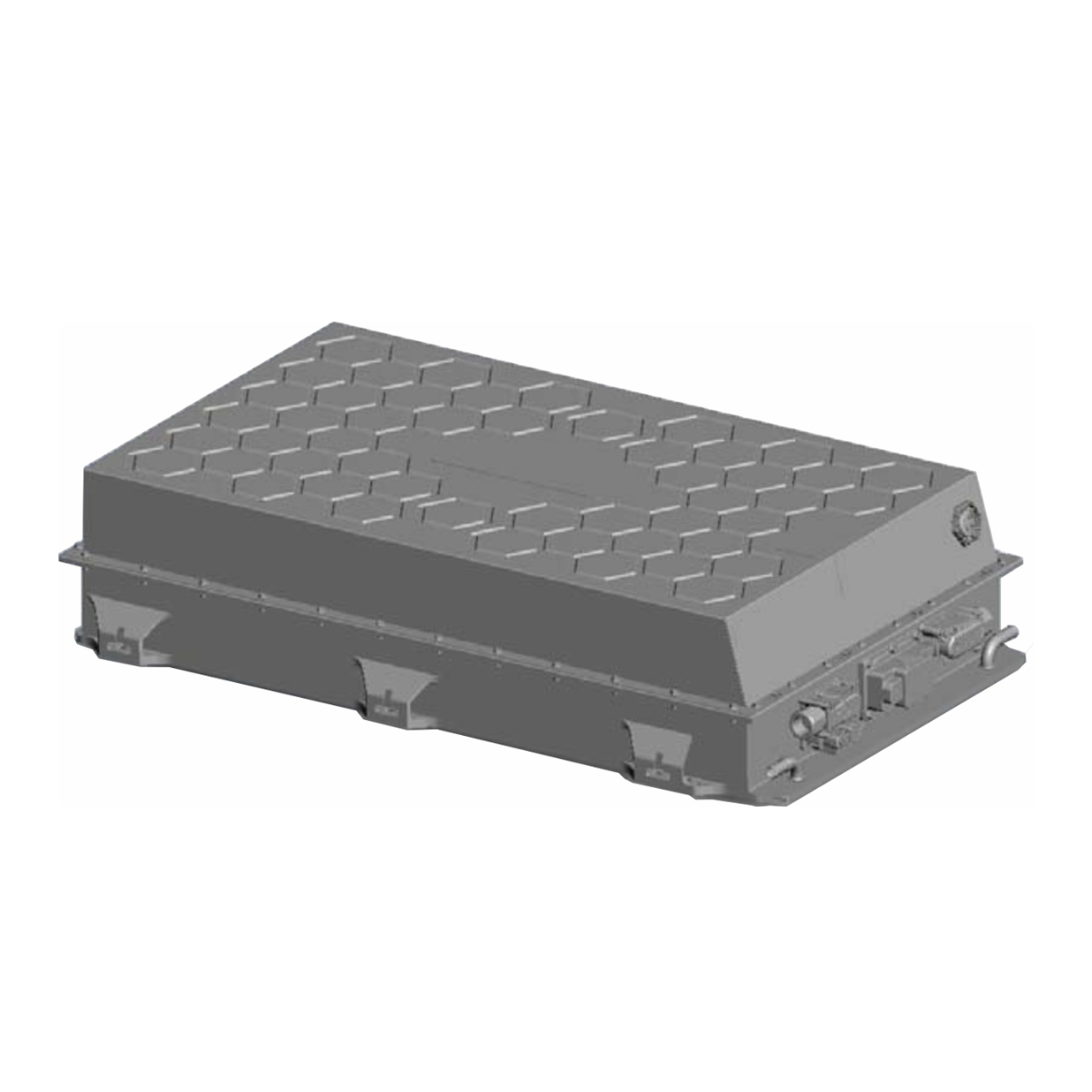
Lithium Storage manufactures both LFP and NCM prismatic cells. Its LFP range covers capacities from 40Ah to 302Ah, serving energy storage, forklifts, electric buses and trucks, AGVs, marine systems, and other industrial applications.
Why Is LFP Generally More Thermally Stable?
The main difference begins with cathode chemistry.
LFP uses an olivine-type lithium iron phosphate structure. Strong phosphorus-oxygen bonds help stabilize the cathode and reduce oxygen release when the material is heated or highly charged.
NCM uses a layered nickel-manganese-cobalt oxide structure. This structure supports higher energy density, but under severe thermal or electrical abuse it is generally more reactive than LFP. Research comparing the two chemistries consistently reports better thermal stability for LFP, while NCM—particularly higher-nickel formulations—requires more careful thermal management.
This does not mean an LFP cell cannot enter thermal runaway. Any lithium-ion battery can become hazardous if severely damaged, improperly charged, internally shorted, or exposed to excessive heat. The difference is that LFP typically provides a larger thermal safety margin before severe reactions accelerate.
LFP vs NCM: Key Safety Differences
| Factor | LFP Cells | NCM Cells |
|---|
| Cathode structure | Stable olivine structure | Layered oxide structure |
| Thermal stability | Generally higher | Generally lower than LFP |
| Oxygen release under abuse | Lower tendency | Higher tendency, especially with high-Ni chemistry |
| Thermal runaway severity | Usually less energetic | Can release more heat and gas |
| Energy density | Moderate | Higher |
| Thermal management demand | Generally easier to manage | More demanding |
| Typical strengths | Safety, long cycle life | Energy density, lower system weight |
| Common applications | ESS, forklifts, buses, trucks, industrial power | Passenger EVs and space/weight-sensitive applications |
The comparison should be treated as a chemistry-level guideline rather than an absolute performance specification. Cell design, state of charge, manufacturing quality, BMS strategy, pack architecture, cooling system, and mechanical protection all influence real-world safety.
What Happens During Thermal Runaway?
Thermal runaway occurs when internal heat generation becomes faster than the battery system can dissipate it.
Possible initiating events include:
As cell temperature rises, several internal components can begin to decompose. These reactions generate more heat, potentially creating a self-accelerating process.
NCM cathodes can release reactive oxygen as their layered structure becomes unstable at elevated temperature. This oxygen can react with the organic electrolyte and increase heat generation. Higher nickel content can further increase thermal reactivity in some NCM formulations.
LFP's phosphate structure is more resistant to this oxygen-release mechanism, which is one reason it is widely chosen for applications where thermal safety is prioritized.
Why Does NCM Remain Important?
If LFP offers better thermal stability, why are NCM batteries still widely used?
The main reason is energy density.
Lithium Storage's NCM cell range includes 102Ah, 177Ah and 243Ah models. Its published NCM102Ah and NCM177Ah cells use NCM523 chemistry, with reported gravimetric energy densities of approximately 220Wh/kg and 240Wh/kg, respectively.
Higher energy density means more stored energy can be packaged into a smaller and lighter battery system.
This is especially valuable for:
Passenger electric vehicles
Applications with restricted installation space
Systems where weight reduction directly affects operating range
Mobility products that require high energy capacity in a compact pack
Therefore, NCM is not an inferior chemistry. It represents a different engineering trade-off: higher energy density in exchange for greater thermal-management and safety-control requirements.
Why LFP Is Often Preferred for Energy Storage and Industrial Vehicles
Stationary energy storage systems usually have different priorities from passenger vehicles.
For an ESS container, forklift, electric bus, industrial vehicle, or backup power installation, maximum energy density may be less important than:
Long cycle life
Thermal stability
Predictable degradation
Safety in large battery packs
Lower replacement frequency
Reliable repeated charging and discharging
These requirements align well with LFP chemistry.
Lithium Storage's LFP portfolio includes energy-type cells from 50Ah through 302Ah, while its 40Ah model is positioned as a power-type cell for higher-rate applications such as AGVs and motorcycles. A dedicated deep-cycle 280Ah cell is designed for energy-storage applications and is listed with a 6,000-cycle design target.
For buyers seeking an LFP Cells Manufacturer, this range makes it possible to select different capacities according to pack voltage, system energy, discharge rate, available space, and application requirements.
Cell Chemistry Alone Does Not Guarantee Battery Safety
Choosing LFP improves the inherent thermal characteristics of the cathode, but a safe battery system still requires proper engineering.
Important considerations include:
Cell consistency. Differences in capacity, internal resistance, and state of charge can create uneven stress inside a battery pack.
Battery management system. The BMS should monitor voltage, current, temperature, SOC, and abnormal operating conditions.
Thermal design. Even LFP cells generate heat during operation and require suitable spacing, cooling, and ventilation according to system power and environment.
Mechanical protection. Cells should be protected from vibration, compression, impact, and external short circuits.
Charging strategy. Correct voltage and current limits are essential for both LFP and NCM chemistries.
Cell quality and traceability. Manufacturing consistency becomes increasingly important as hundreds or thousands of cells are integrated into one battery system.
Lithium Storage states that its battery-cell manufacturing uses TQM and quality-management frameworks including ISO 9001 and IATF 16949, while different cell models carry certifications or test documentation such as UN38.3, IEC 62619, UL and other standards depending on the specific product.
Which Chemistry Should You Choose?
The better cell chemistry depends on the priorities of the project.
Choose LFP cells when the application places greater emphasis on:
Thermal stability
Long cycle life
Large stationary storage systems
Industrial vehicles
Forklifts and AGVs
Electric buses and trucks
Frequent cycling
Safety-focused installations
Consider NCM cells when the project prioritizes:
For many stationary and industrial applications, the combination of safety, cycle life, and stable operating characteristics makes LFP particularly attractive. For passenger vehicles and other weight-sensitive systems, NCM may offer advantages that justify more sophisticated thermal and battery-management strategies.
Selecting LFP Cells for Your Battery System
The LFP-versus-NCM decision should not be based on one specification alone. Engineers should evaluate energy density, safety, thermal stability, cycle life, discharge rate, available space, system weight, operating temperature, certification requirements, and total lifecycle cost together.
Lithium Storage supplies prismatic LFP cells from 40Ah to 302Ah and supports customized capacity, dimensions, terminals, and battery-integration requirements for international projects.
For energy storage, industrial vehicles, forklifts, buses, trucks, marine power, and other safety-sensitive applications, working with an experienced LFP Cells Manufacturer can help ensure that cell selection is matched to the actual operating conditions rather than relying only on nominal capacity or initial purchase price.