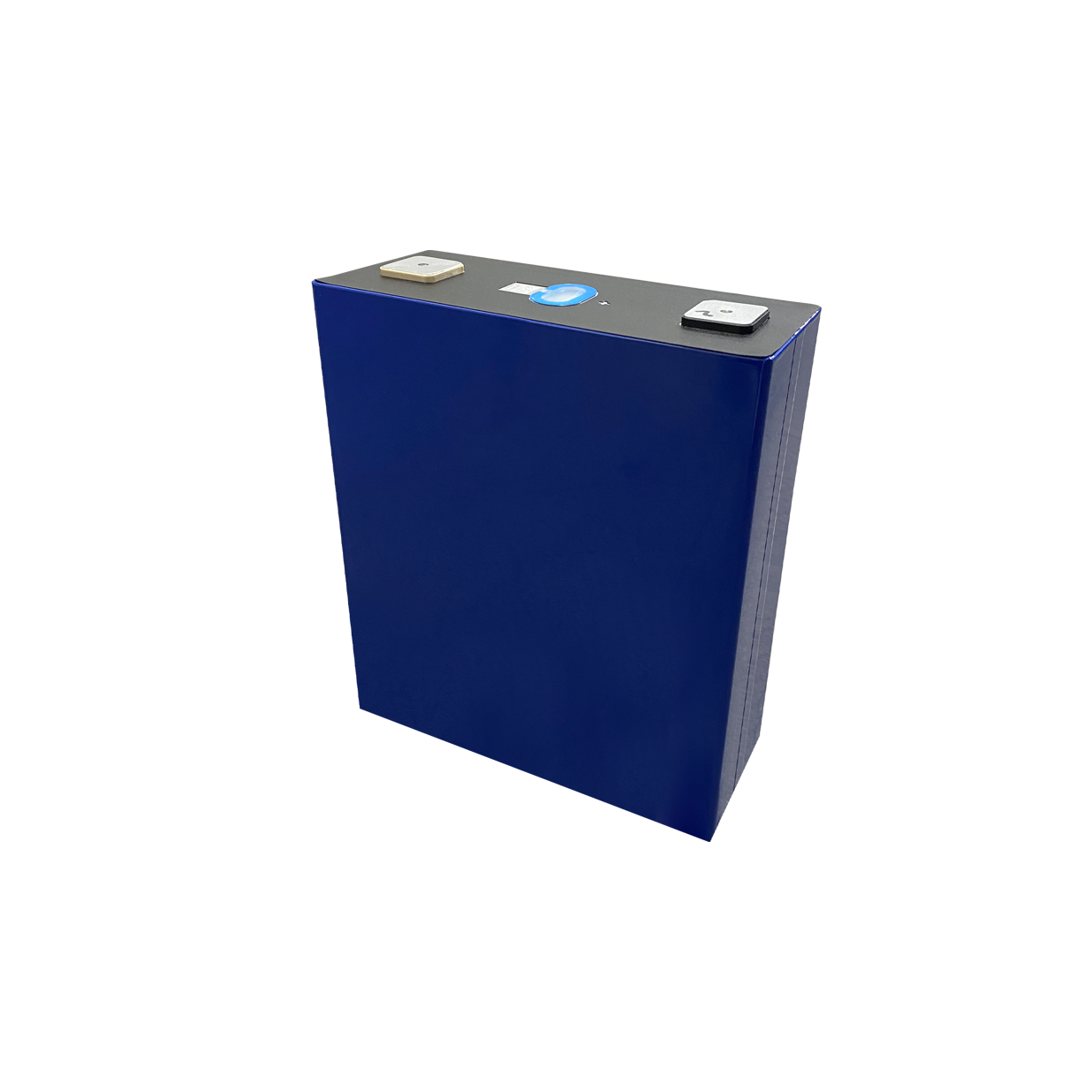
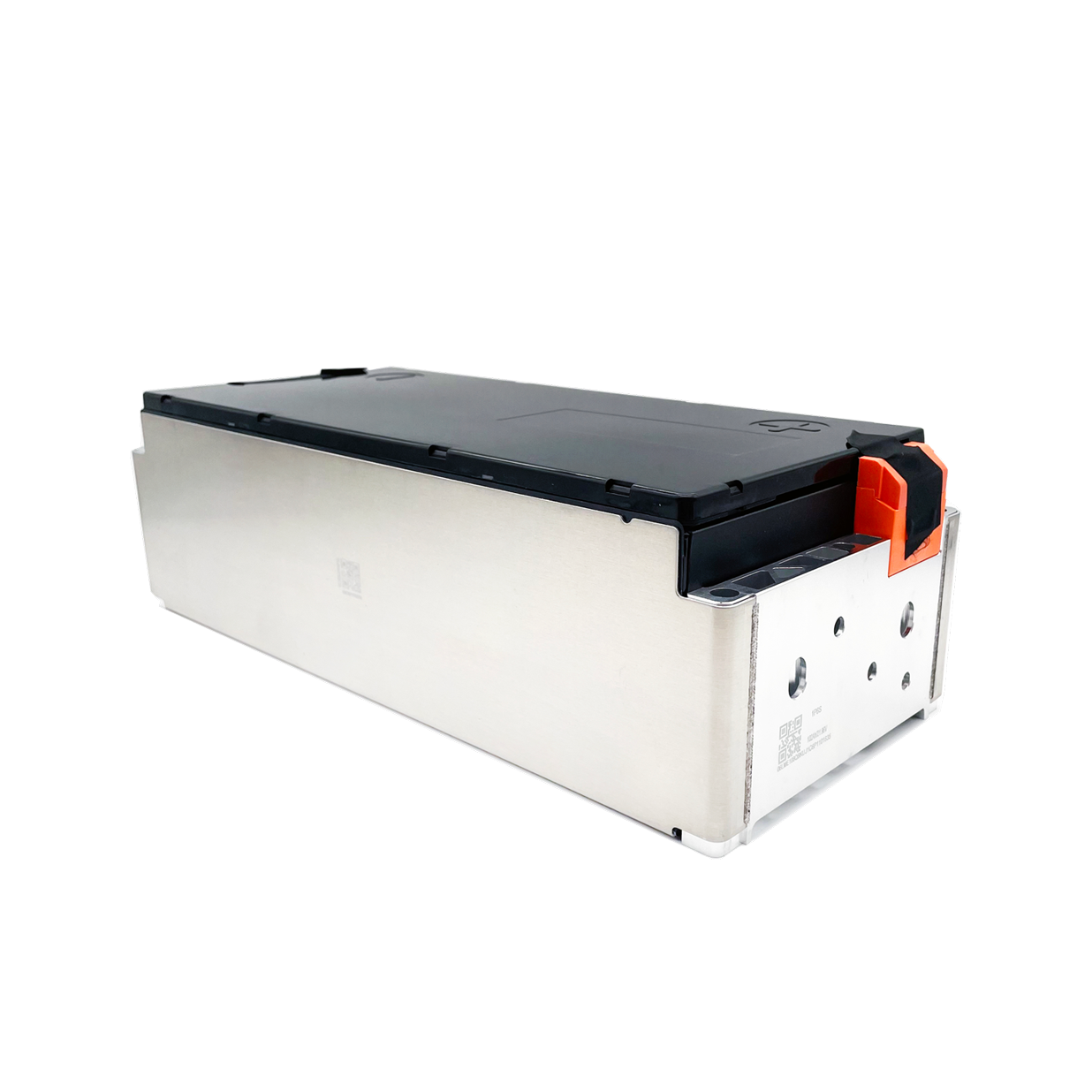
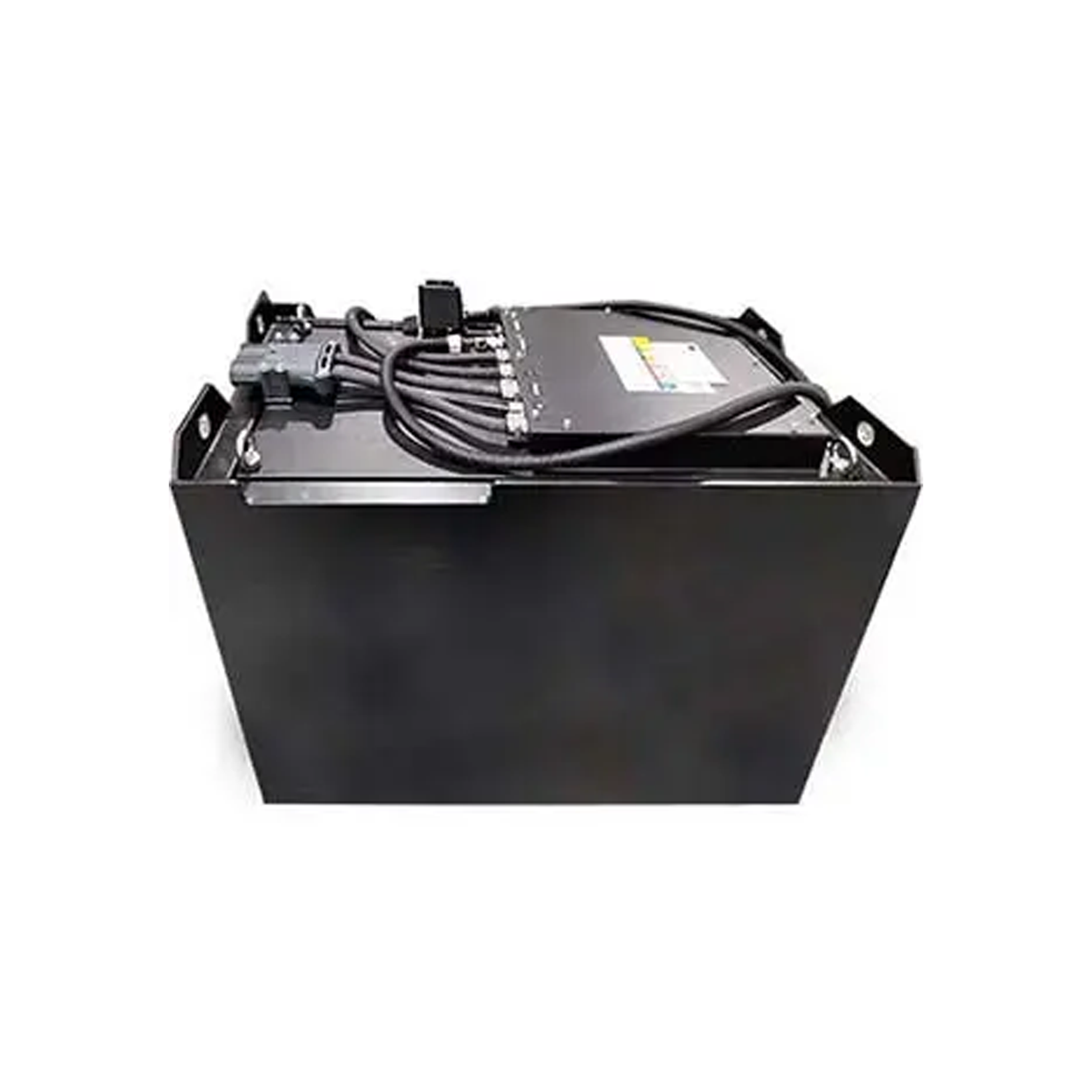
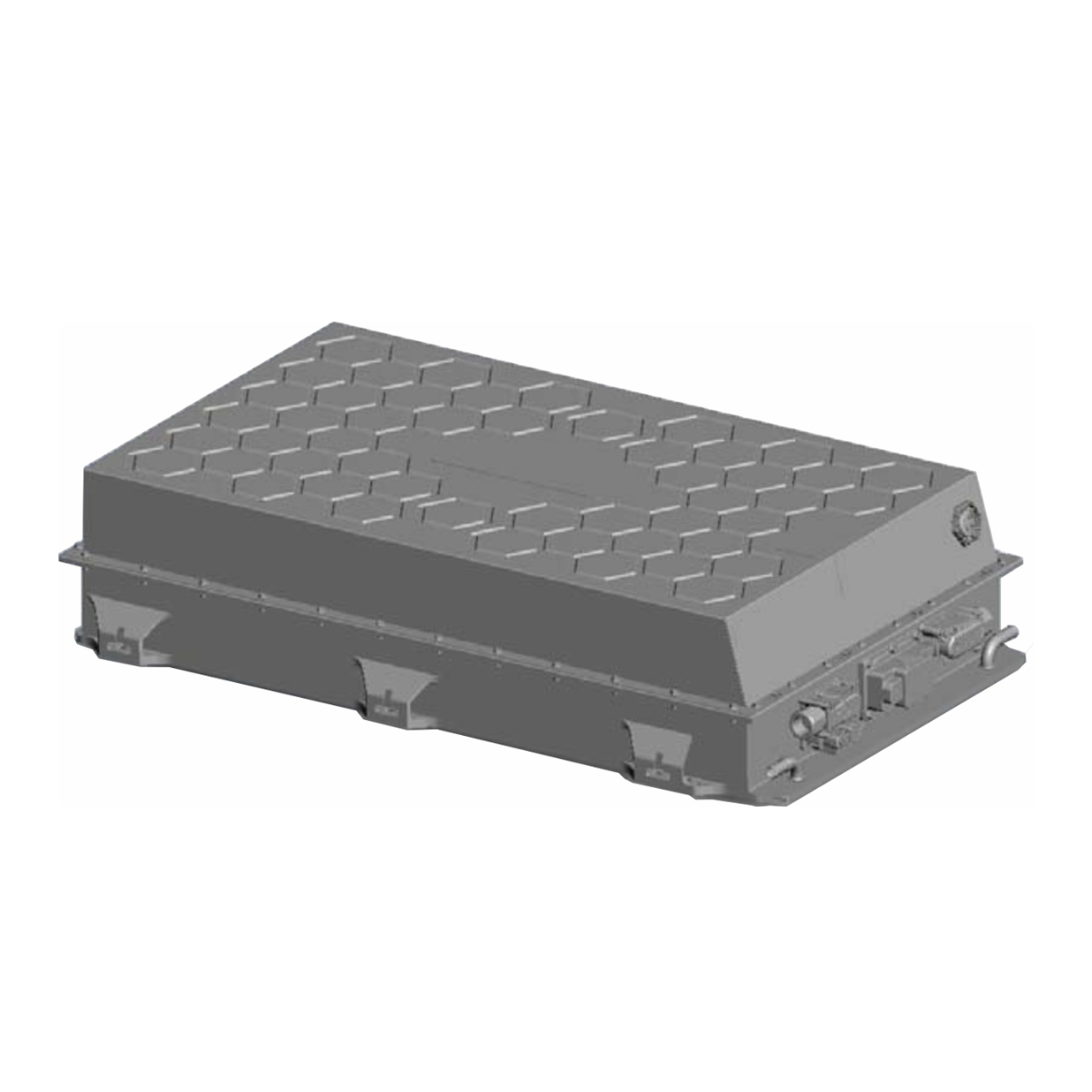
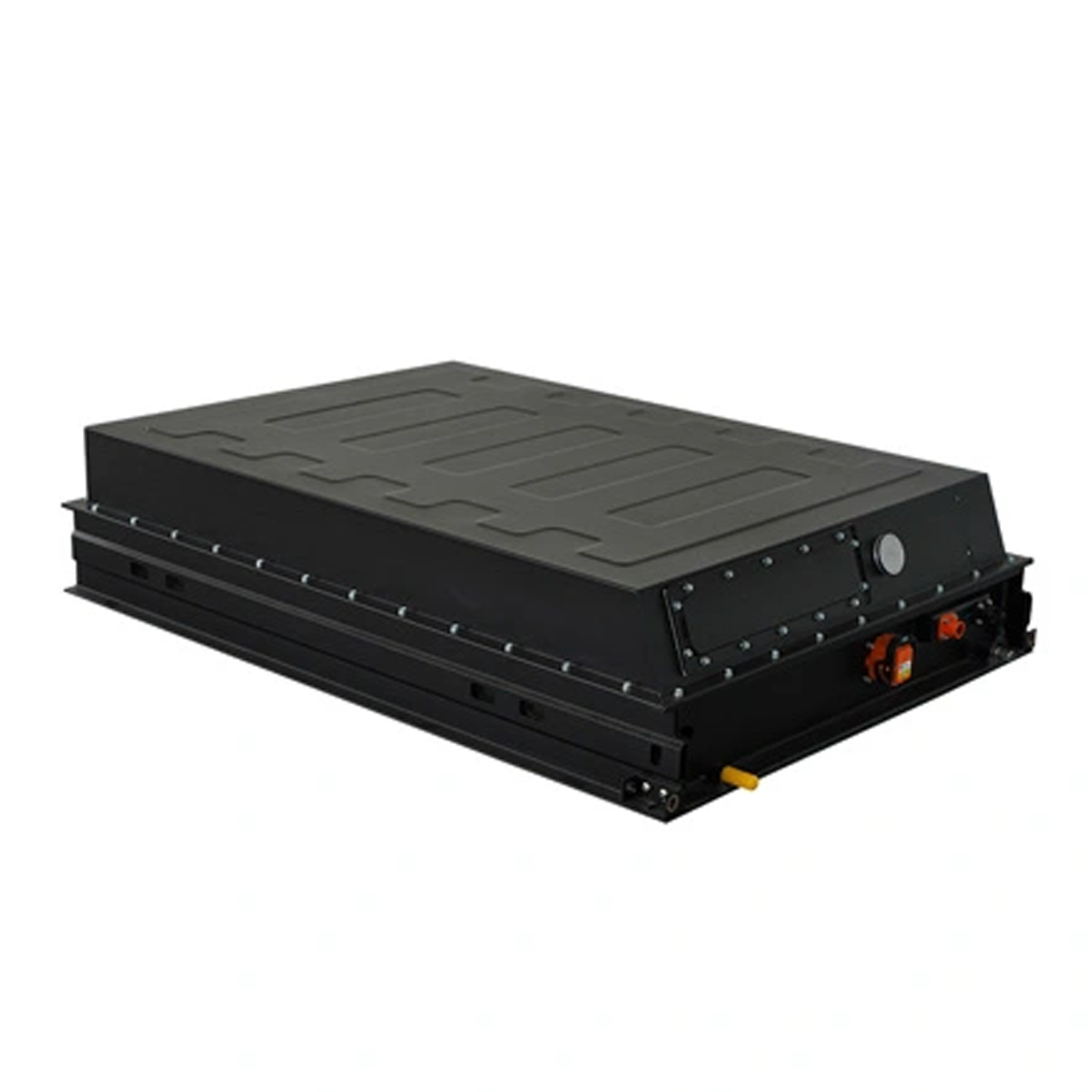
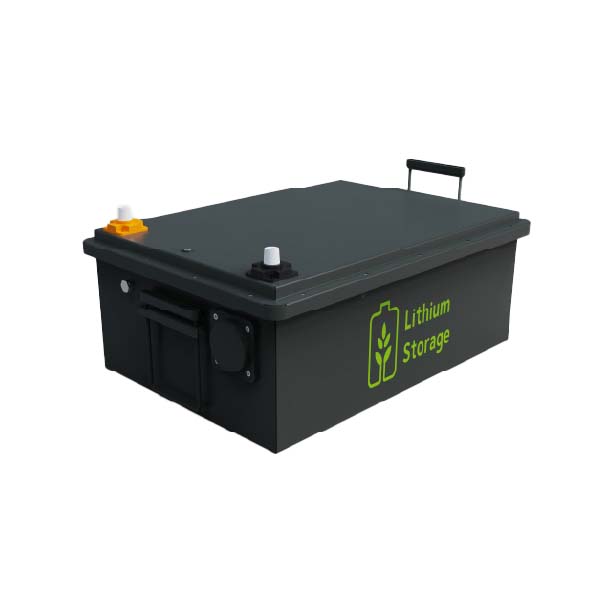
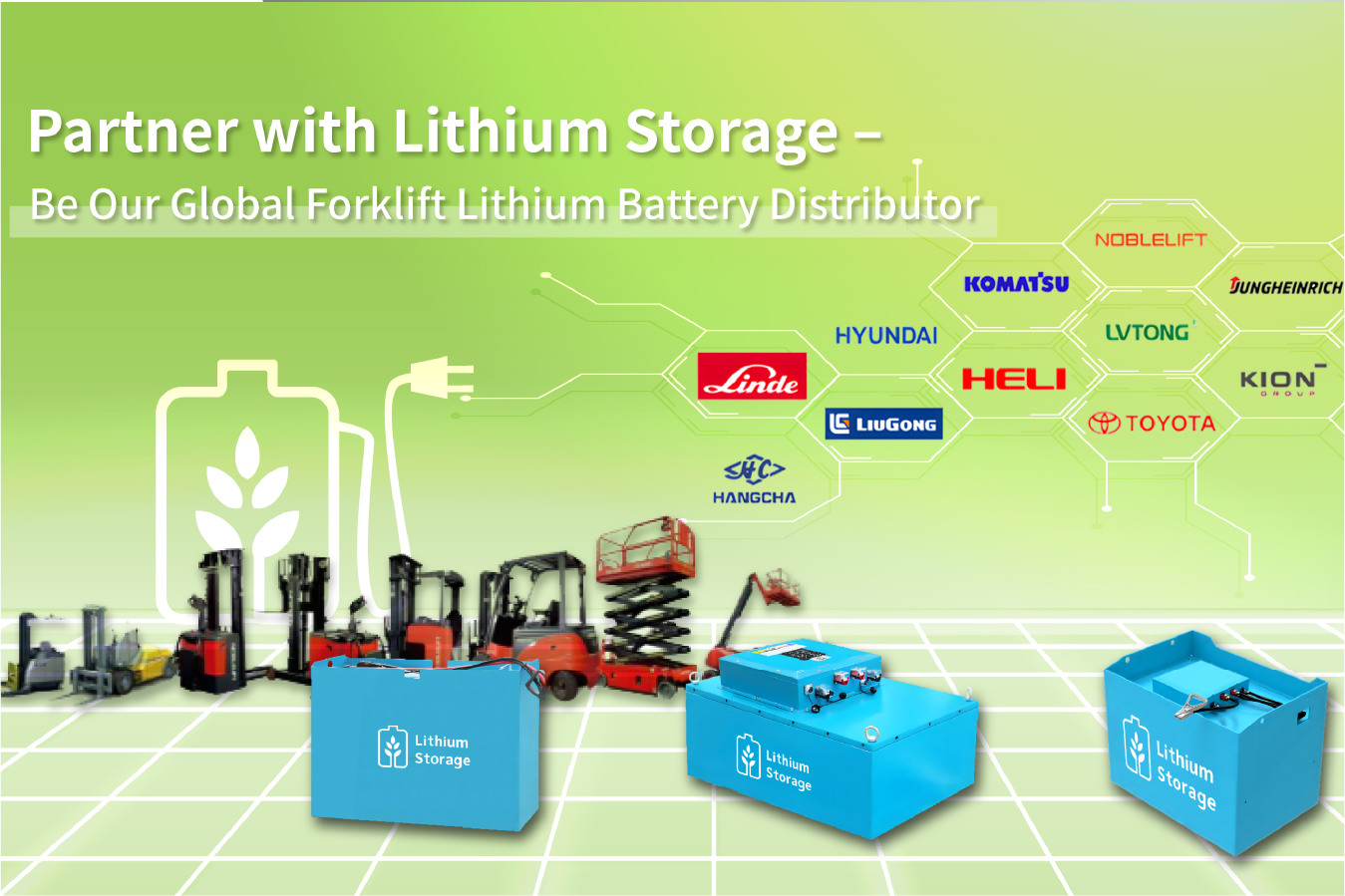
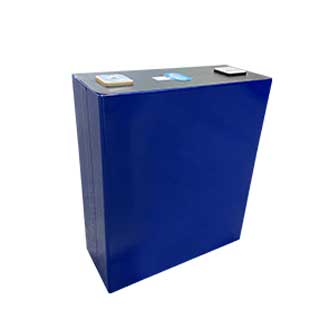
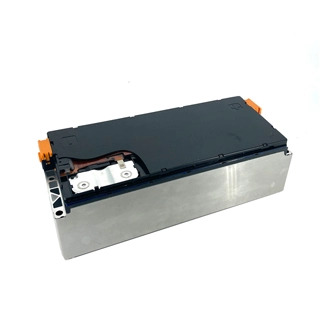
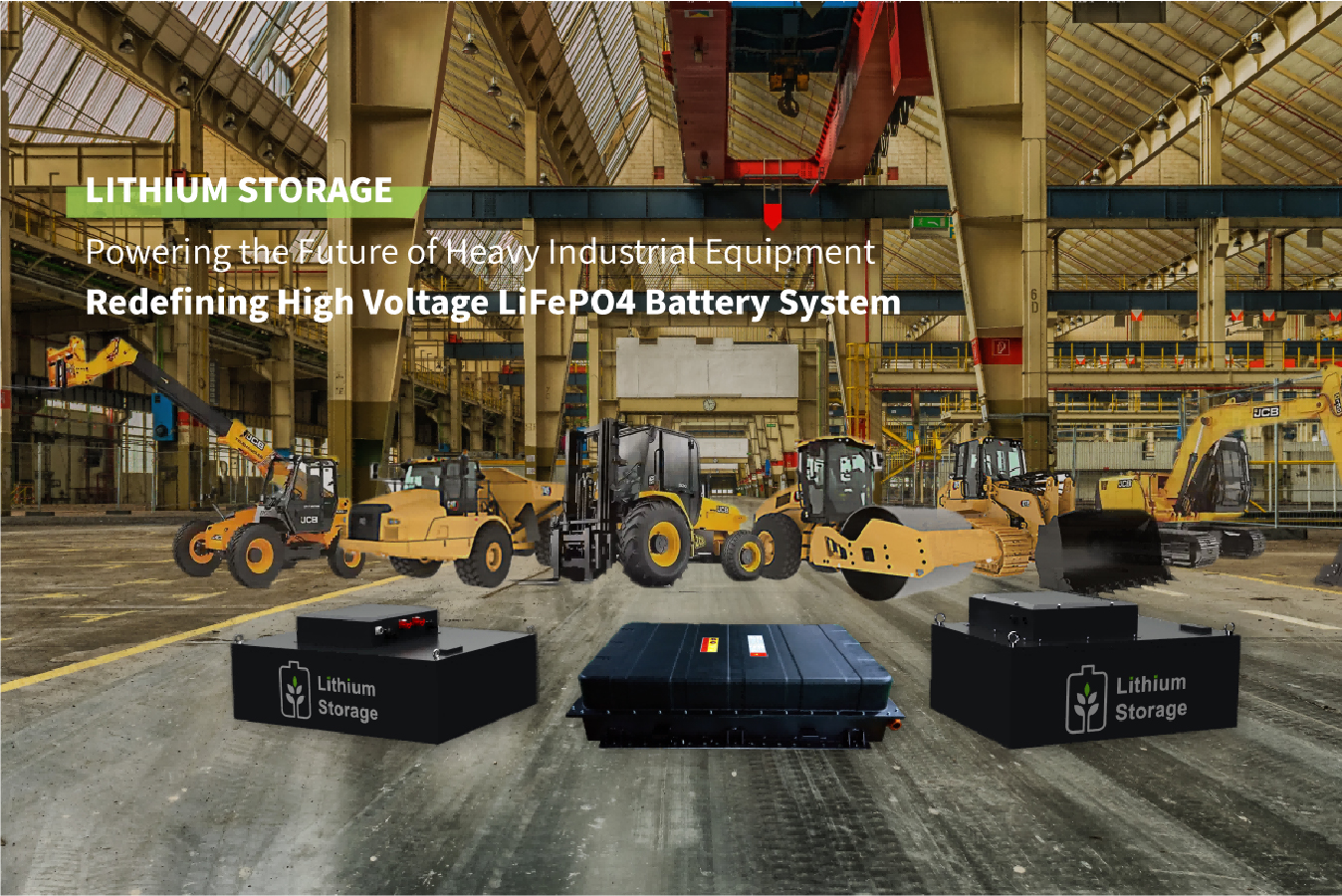
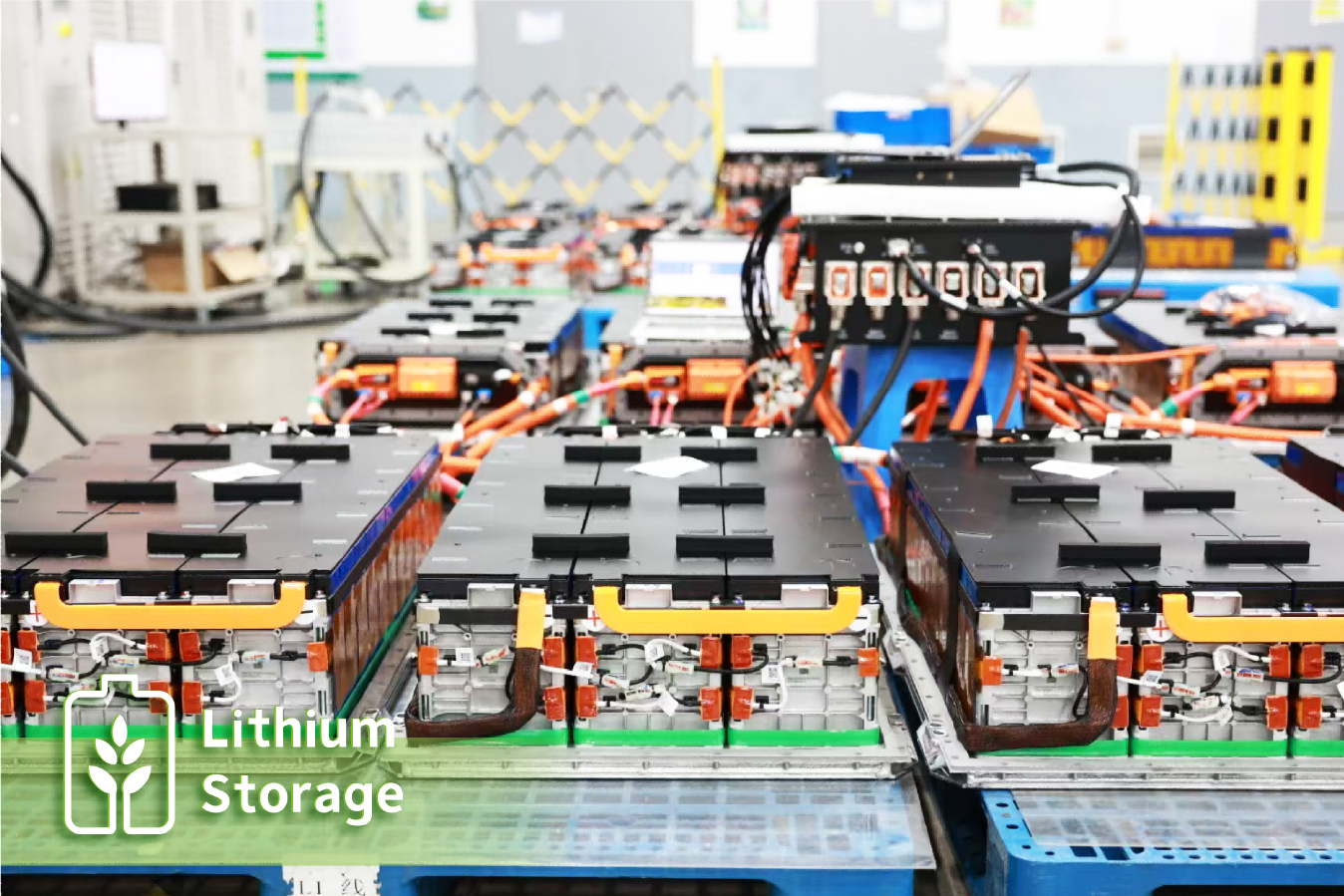
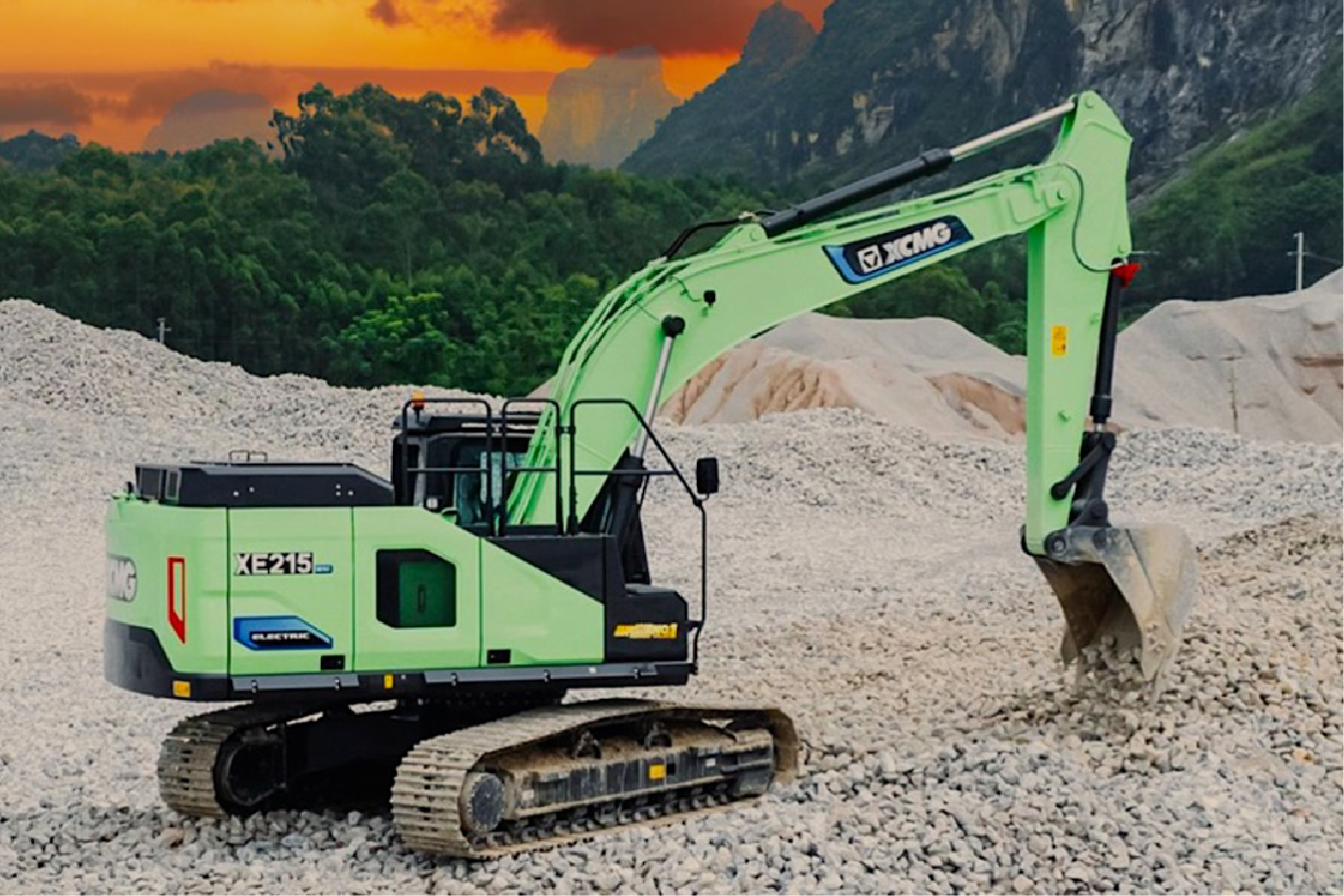
Lithium Storage specializes in project development for commercial Forklift trucks manufactured in standard and nonstandard configurations.
The electric forklift sector is undergoing a profound transformation driven by lithium-ion battery technology. This shift represents more than a simple change in power source; it's a comprehensive enhancement of forklift usage patterns and overall value proposition.
I. Major Electric Forklift Brands
The electric forklift market features a clear landscape, dominated by international giants and leading Chinese manufacturers.
1. Top-Tier International Brands (Traditional Leaders)
-Toyota Industries Corporation: The world's largest forklift manufacturer. Offers a comprehensive product line renowned for its reliability and extensive service network.
-Kion Group: Its portfolio includes brands like Linde (a leader in the premium segment, known for innovation), STILL, and Dematic, covering all market segments.
-Jungheinrich: A leading German manufacturer with strong expertise in electric forklifts, particularly excelling in warehouse equipment.
-Crown Equipment Corporation: A US-based family-owned company highly regarded for its superior design, ergonomics, and durability, with deep expertise in electric forklifts.
-Mitsubishi Logisnext: Another global giant offering a full range of products with extensive market coverage.
2. Leading Chinese Brands (Strong Competitors)
-Hangcha Group: One of China's leading forklift manufacturers with a diverse product portfolio and a very proactive stance in promoting lithium-ion forklifts.
-Noblelift: Possesses significant strength in the light- and medium-duty electric forklift segment and intelligent logistics solutions.
-BYD: A unique market player.It is one of the few global forklift manufacturers that standardizes with its Lithium Iron Phosphate (LiFePO4) "Iron Phosphate" batteries. These batteries are marketed with high safety and long cycle life as core selling points, and BYD's global influence is rapidly expanding.
II. The Shift from Lead-Acid to Lithium-ion: Core Advantages
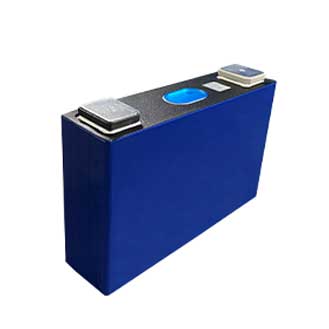
While lead-acid batteries have long been the standard power source for electric forklifts, lithium-ion is rapidly becoming the mainstream choice for new forklift sales.
Core Advantages of Switching from Lead-Acid to Lithium-ion Batteries:
1.Superior Operational Efficiency
-Opportunity Charging: Lithium-ion batteries can be partially charged at any time without the need for a full discharge cycle or the lengthy 8-12 hour complete charge required by lead-acid batteries. Operators can perform quick top-ups during breaks or shift changes, enabling "round-the-clock" operation.
-No Memory Effect & Maintenance-Free: Eliminates the need for regular watering, equalization charging, and concerns about lifespan reduction due to improper charging practices associated with lead-acid batteries.
-Consistent Voltage Output: Lithium-ion batteries maintain stable voltage throughout the discharge cycle, ensuring the forklift delivers full performance (e.g., travel speed, lift speed) until the battery is nearly depleted. In contrast, lead-acid battery voltage drops during discharge, leading to performance degradation.
2.Significant Lifecycle Economics
-Longer Service Life: The lifespan of a single lithium-ion battery pack typically equals that of 2-3 sets of lead-acid batteries. While the initial investment is higher, it avoids the frequent cost of replacing lead-acid batteries.
-Greatly Reduced Maintenance Costs: Eliminates maintenance tasks for lead-acid batteries, dedicated charging rooms, ventilation systems, and costs/risks associated with handling sulfuric acid and acid mist.
-Higher Energy Efficiency: Lithium-ion batteries boast charge efficiency exceeding 95%, higher than lead-acid batteries, leading to savings of approximately 20-30% on electricity costs.
3.Safety and Environmental Benefits
-Enhanced Safety: Advanced Battery Management Systems (BMS) provide protection against overcharging, over-discharging, overheating, and short circuits. Lithium Iron Phosphate (LFP) chemistry is particularly noted for its high thermal stability.
-More Environmentally Friendly: Contains no heavy metals like lead or hazardous chemicals like sulfuric acid. Although the recycling ecosystem is still developing, its overall lifecycle environmental impact is significantly lower than that of lead-acid batteries.
Ⅲ Challenges in Market Transition:
-Higher Initial Investment: The purchase price of lithium-ion forklifts remains significantly higher than that of their lead-acid counterparts. This is a primary barrier for some price-sensitive customers.
-Technical Perception and Acceptance: Some traditional users still harbor concerns regarding the safety, lifespan, and recyclability of lithium-ion batteries, requiring market education and time to build trust.