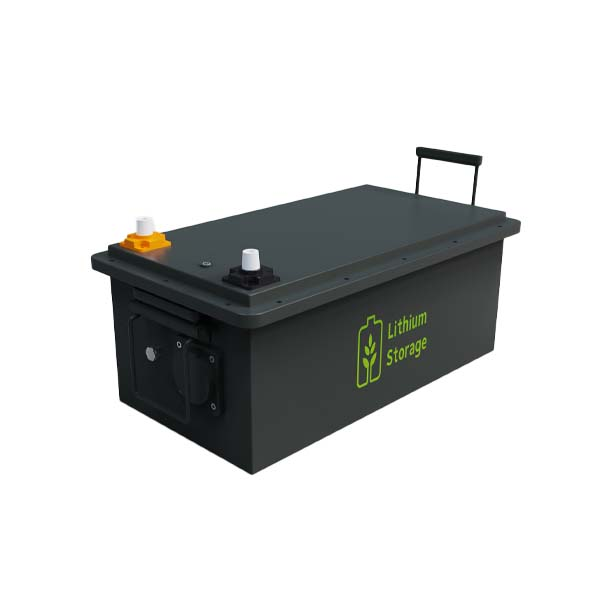
Industrial lithium battery procurement usually falls into two broad categories.
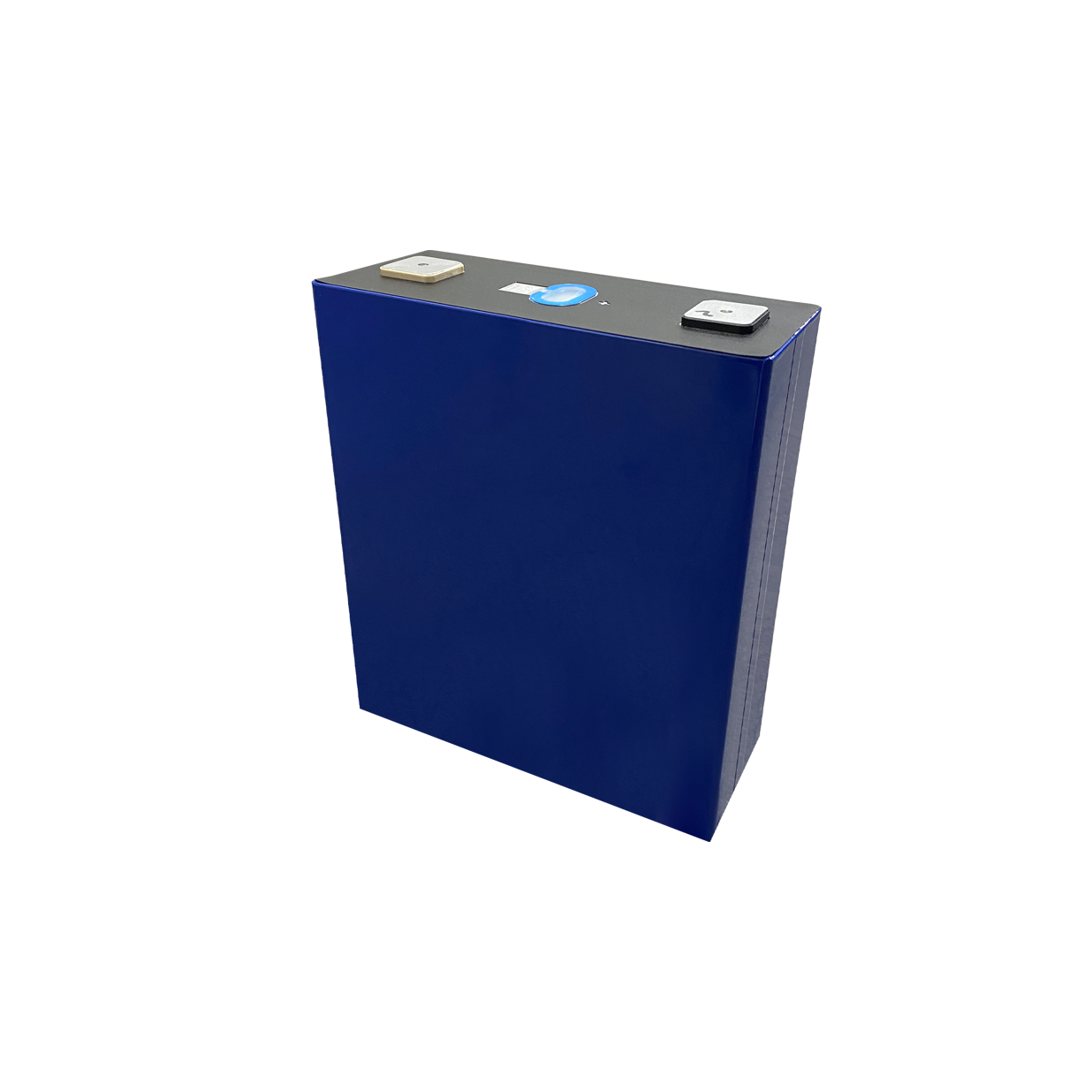
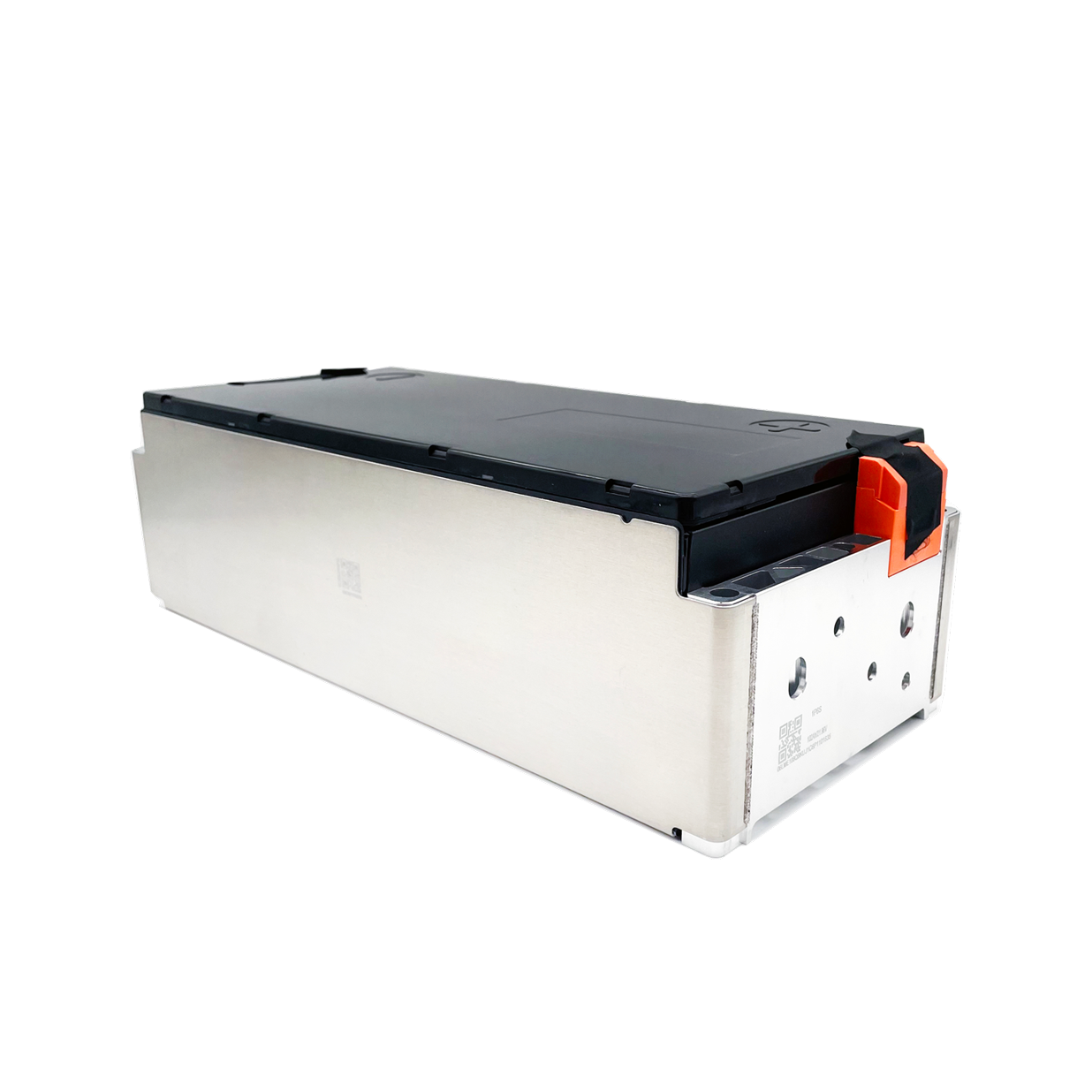
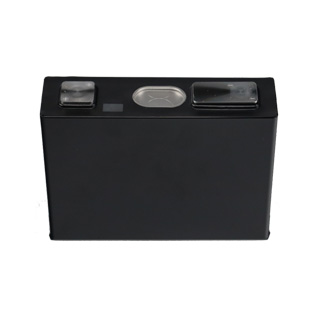
A standard battery uses an established cell, module or pack design with predefined dimensions and electrical characteristics.
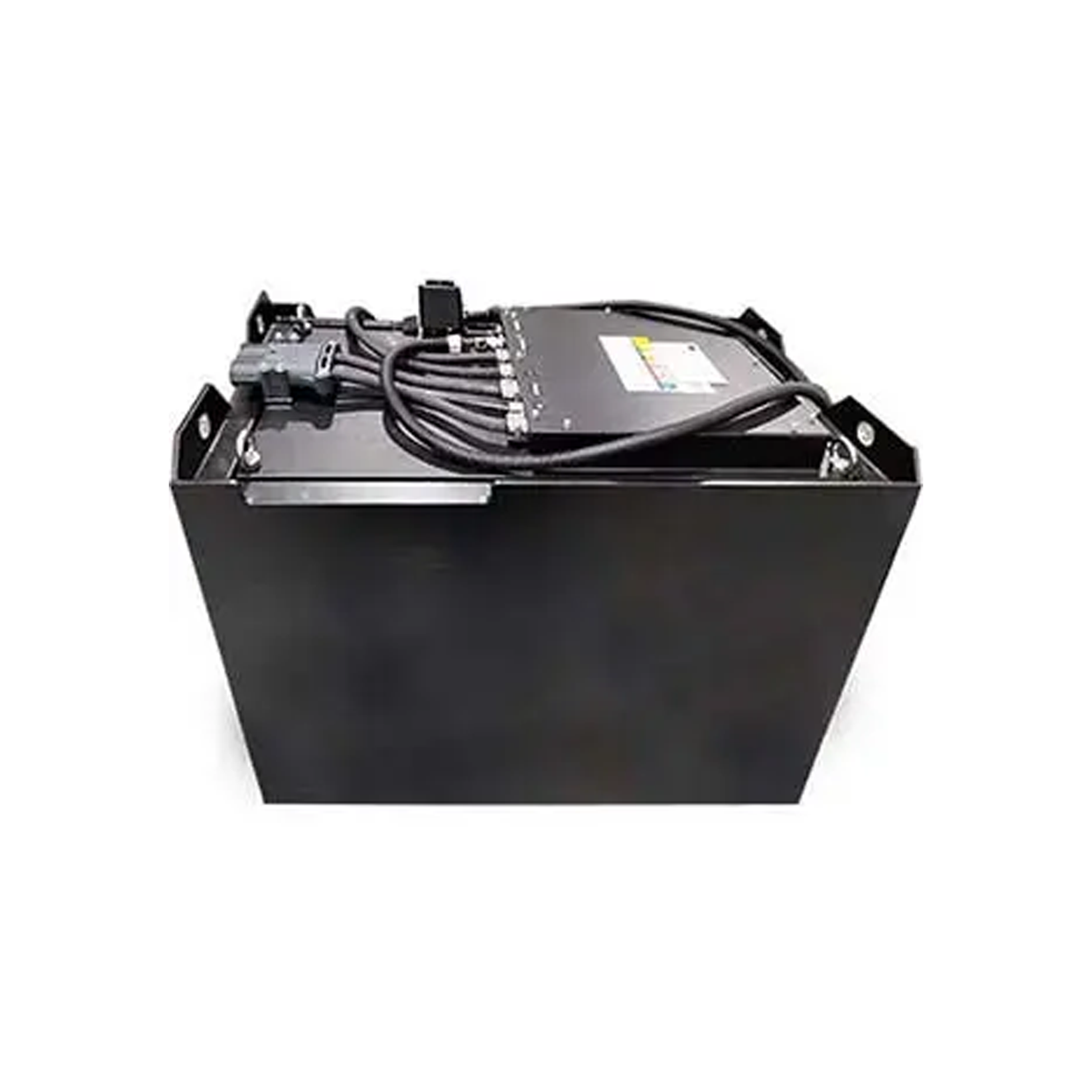
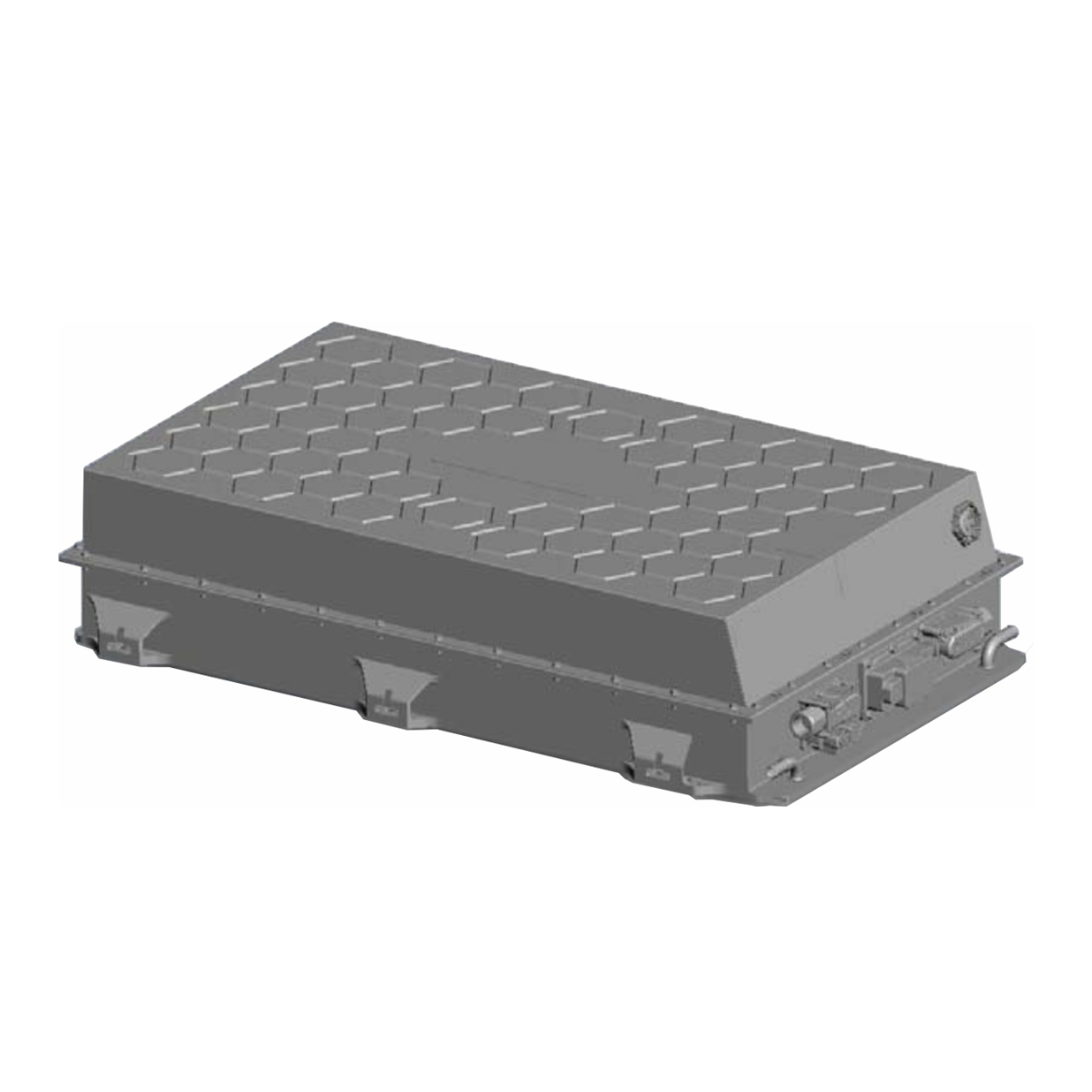
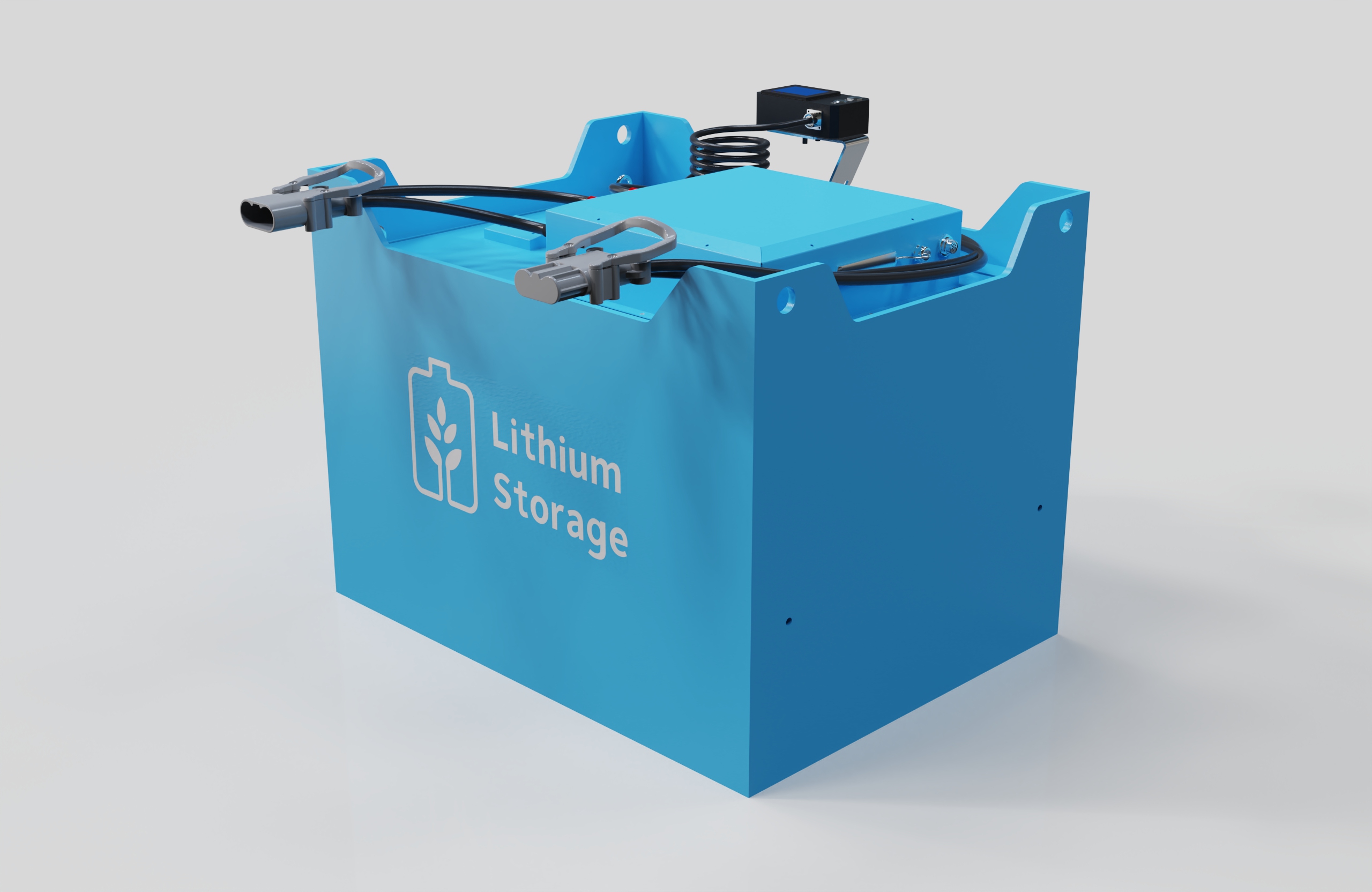
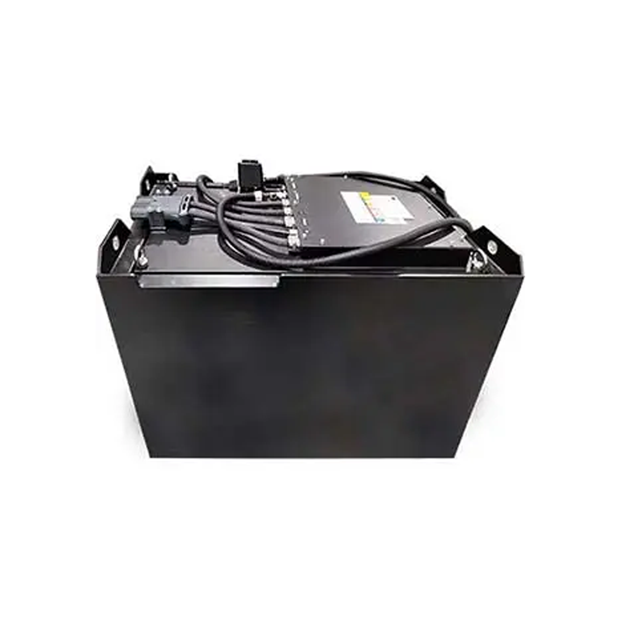
An OEM/custom battery is engineered around a particular machine, vehicle or energy system.
Both approaches have advantages. The correct choice depends on order volume, integration difficulty, development schedule and how much value customization creates.
What Is a Standard Lithium Battery?
A standard product has largely fixed:
Dimensions
voltage
capacity options
cell arrangement
mechanical structure
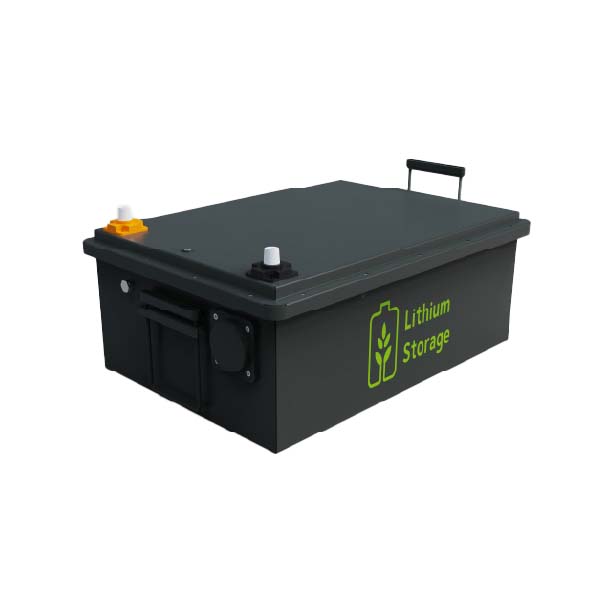
LITHIUM STORAGE supplies standard LFP/NCM modules and standardized high-voltage Flexi Packs in addition to complete customized systems.
A standard product is attractive when its specifications already fit the application.
What Is an OEM or Custom Battery?
Customization may involve:
Pack dimensions
voltage
Ah/kWh
BMS
CAN protocol
connectors
cooling
heating
enclosure
mounting
ballast
The objective is to make the battery fit the equipment rather than redesigning the equipment around an existing battery.
Standard Products Usually Reduce Development Risk
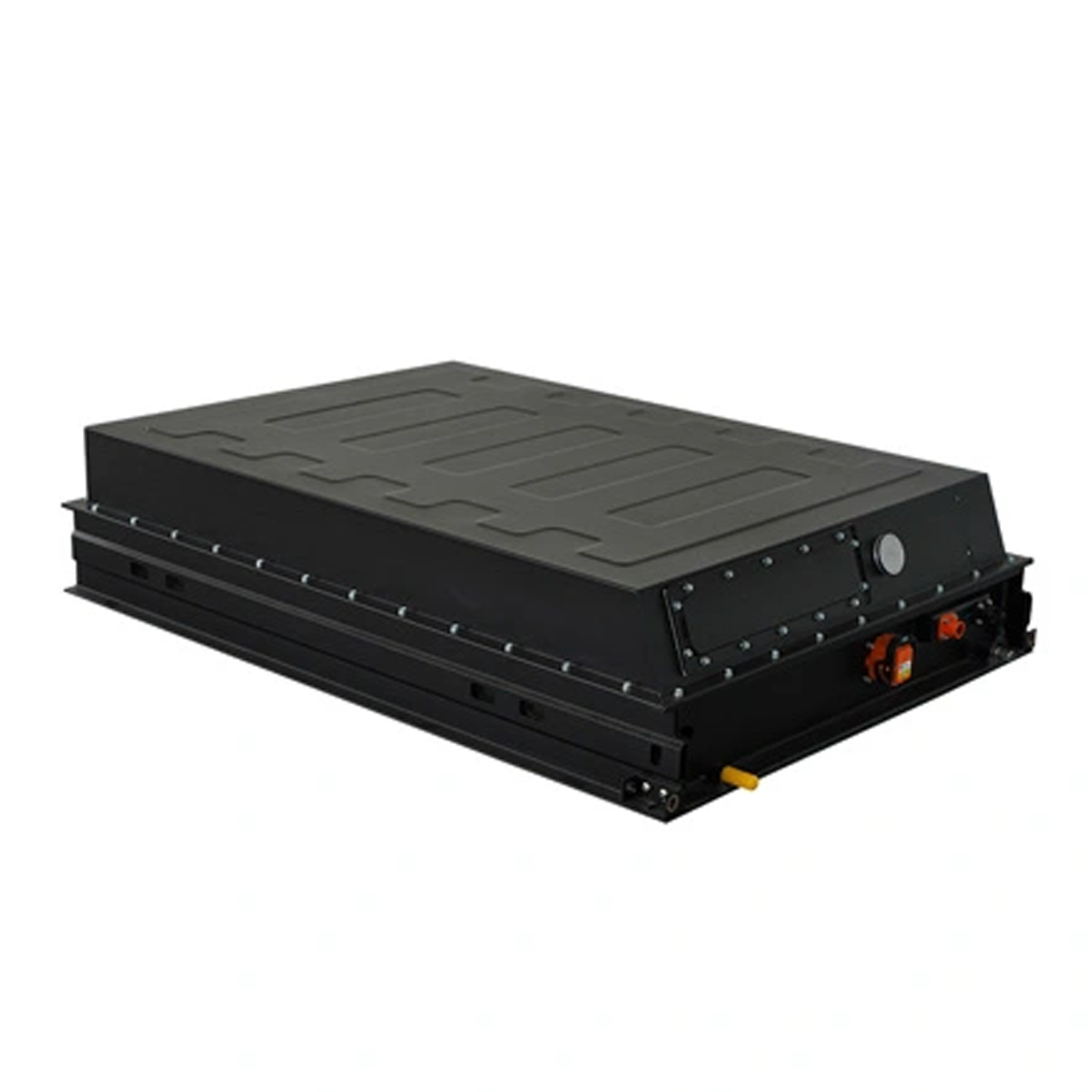
LITHIUM STORAGE's commercial Flexi Pack C&D uses fixed dimensions and multiple LFP cell combinations. The manufacturer specifically positions it as a proven mass-production platform with lower development and certification burden than a fully customized solution.
This is useful for:
EV converters
bus manufacturers
commercial trucks
special vehicles
that can package an existing battery format.
Customization Makes Sense When Fit Is the Problem
Consider an old forklift conversion.
The vehicle may require:
A generic lithium battery may have correct voltage and Ah but still be unusable.
LITHIUM STORAGE's Smart FLT products therefore provide customization of enclosure, additional weight, connectors and vehicle CAN communication.
For this type of application, customization directly solves integration problems.
Standard Modules Can Be Used Inside Custom Packs
The choice does not need to be all-or-nothing.
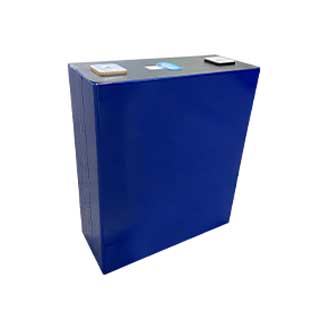
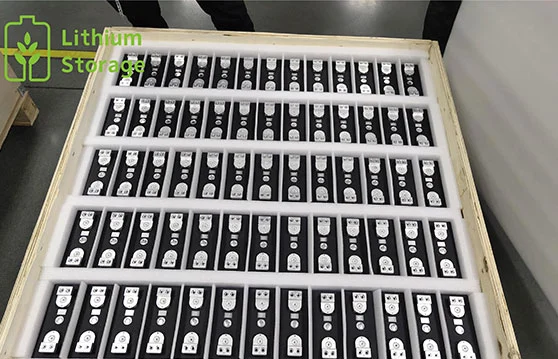
LITHIUM STORAGE provides standard LFP modules from 50Ah to 302Ah and offers both banding and frame-welded module structures.
An OEM can therefore use:
standard cells → standard modules → customized battery pack
This hybrid approach reduces cell/module engineering while allowing the outer system to match the equipment.
Compare the Two Approaches
| Factor | Standard Battery | OEM/Custom Battery |
|---|
| Development time | Lower | Higher |
| Initial engineering cost | Lower | Higher |
| Mechanical flexibility | Limited | High |
| Certification burden | Often lower | May be higher |
| Prototype iterations | Fewer | More |
| Supply repeatability | Strong | Project-dependent |
| Low-volume economics | Usually better | Can be expensive |
| High-volume optimization | Limited | Strong |
| Exact equipment fit | Depends | Designed for it |
When Industrial Buyers Should Choose Standard
A standard battery is usually preferable when:
Existing dimensions fit.
Required voltage is already available.
No unusual CAN protocol exists.
Project volume is modest.
Time-to-market matters.
Replacement interchangeability is valuable.
When OEM Makes More Sense
Customization becomes valuable when:
Equipment cannot be modified easily.
Pack mass affects stability.
Vehicle packaging is highly constrained.
Special thermal management is required.
System voltage is unusual.
Production volume justifies tooling.
OEM Does Not Mean Unlimited Customization
A good Lithium Ion Battery Manufacturer should not customize components without reason.
Every unique:
connector
PCB
enclosure
BMS firmware
cell configuration
adds another item that must be validated and maintained.
The best custom project normally standardizes as much as possible and customizes only the interfaces that matter.
Ask About Future Replacement
A bespoke pack may fit perfectly today but become difficult to replace ten years later.
Industrial buyers should ask:
Will the enclosure drawing be retained?
Can equivalent cells be qualified later?
Will BMS firmware remain supported?
Can replacement modules be supplied?
Standard products often have an advantage here because more customers use the same platform.
LITHIUM STORAGE's portfolio deliberately combines standard cells/modules/packs with customization at higher system levels.
For industrial buyers, the best choice is therefore usually:
standard where possible, custom where necessary.
That approach reduces engineering cost without forcing the equipment to accept a battery that does not actually fit its electrical or mechanical requirements.