A lithium-ion forklift battery is usually selected for more than fast charging and maintenance savings. For fleet operators, the larger financial question is how long the battery can remain productive before capacity degradation begins to affect shift coverage.
Can a lithium ion forklift battery last more than 10 years? Under suitable operating conditions, long service life is possible, but it should never be treated as a guaranteed calendar-life figure. Battery longevity depends on cell chemistry, equivalent full cycles, depth of discharge, charging current, temperature, BMS control, and the actual workload of the forklift.
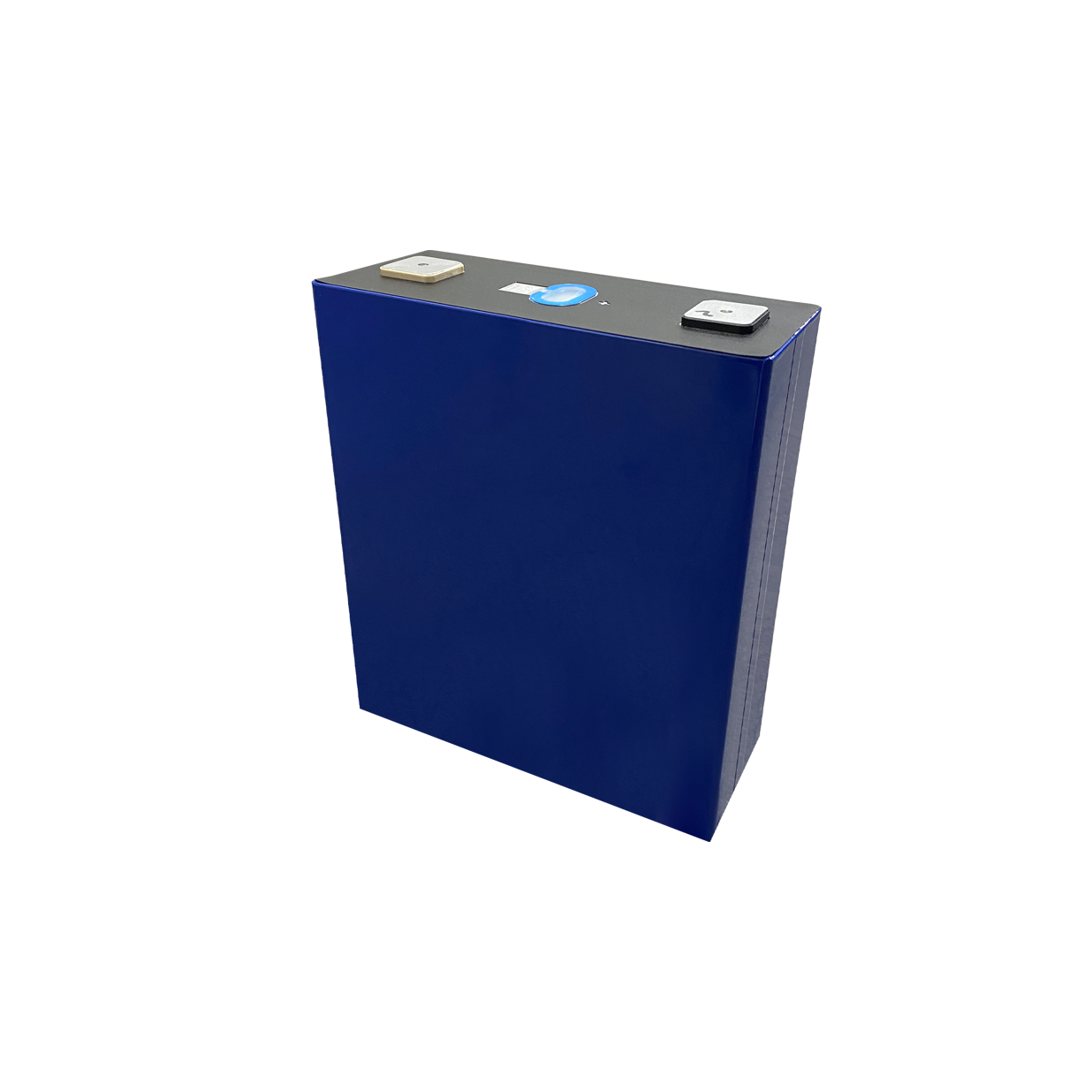
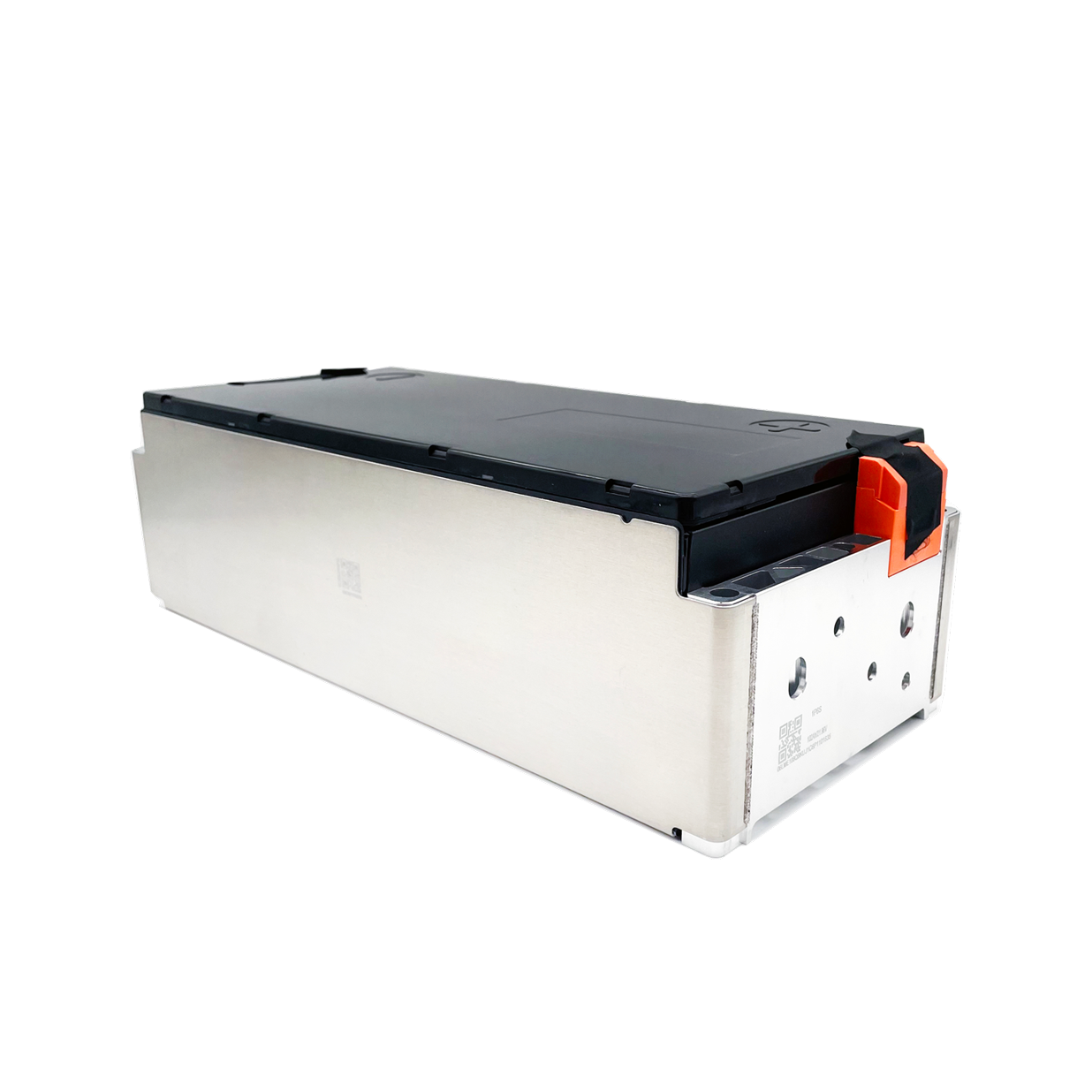
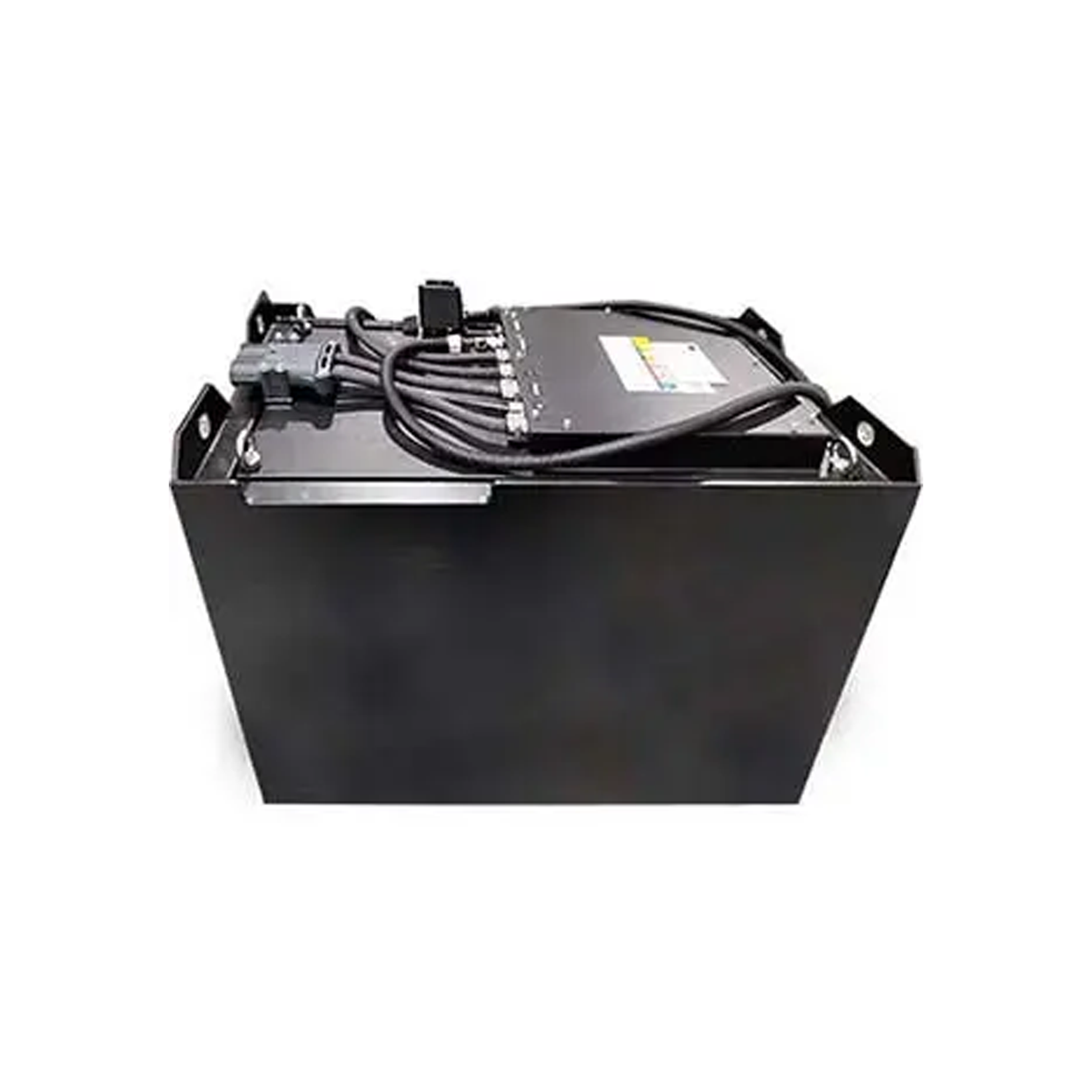
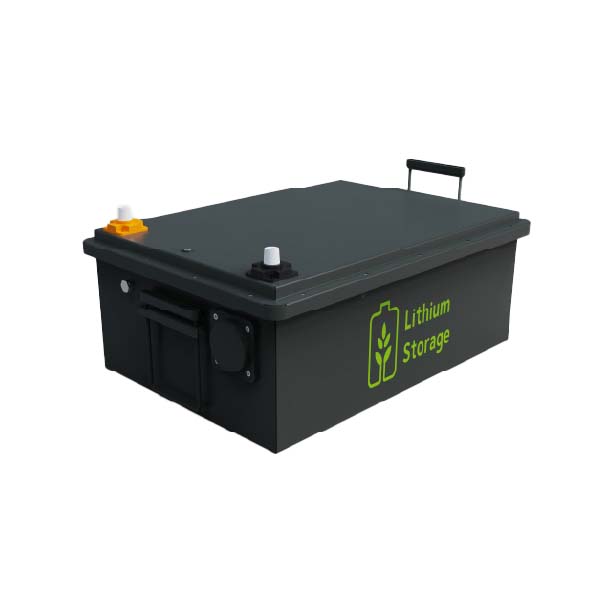
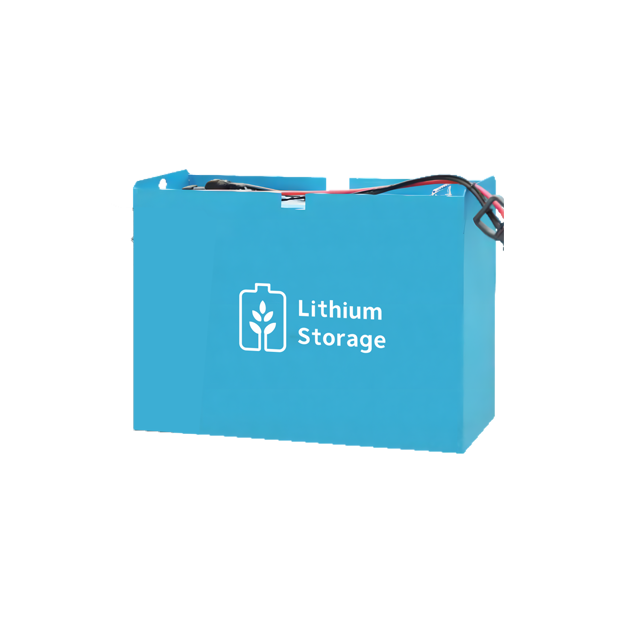
LITHIUM STORAGE supplies LiFePO4 forklift battery systems for 24V, 36V, 48V and 80V-class material-handling equipment. The company states that its lithium forklift batteries provide approximately 3–4 times the cycle life of conventional lead-acid batteries and support fast charging and opportunity charging for multi-shift operations.
For fleets targeting ten years or more of useful operation, the following factors deserve the most attention.
1. Think in Equivalent Full Cycles, Not Just Calendar Years
A battery does not age only because time passes. How much energy moves through it is equally important.
Consider two forklifts using identical batteries:
After ten years, Battery B may have delivered several times more lifetime energy even though both batteries are the same age.
A simple way to estimate demand is:
Equivalent full cycles per year = annual discharged energy ÷ usable battery energy
For example, if a forklift accumulates approximately 300 equivalent full cycles per year:
300 × 10 years = 3,000 equivalent cycles
At 500 cycles per year:
500 × 10 years = 5,000 equivalent cycles
This calculation makes the expected duty cycle much more useful than simply asking a Forklift Battery Manufacturer whether a battery can “last ten years.”
Some material-handling lithium-ion systems are capable of very high cycle counts. Crown, for example, states that properly maintained lithium-ion forklift batteries can achieve lifespans of up to around 9,000 charging cycles, although actual results depend on the specific system and application.
2. Avoid Routinely Running the Battery to Very Low SOC
Deep discharge increases the amount of electrochemical work completed during each cycle.
Although lithium batteries can operate over a broad state-of-charge range, there is usually little operational benefit in repeatedly waiting until the battery is nearly empty before charging.
Toyota recommends charging lithium forklift batteries more frequently rather than routinely allowing them to reach very low charge levels. Lithium-ion batteries can accept short charging sessions during operator breaks and do not need to be fully discharged before charging.
For a warehouse fleet, a healthier operating pattern may look like:
Operate → opportunity charge during breaks → return to work
rather than:
Operate until nearly empty → perform a very deep recharge cycle
This does not mean every battery must remain between one fixed SOC percentage. The suitable SOC window should be determined according to the cell, BMS settings, daily energy demand and charger strategy.
3. Use Opportunity Charging Strategically
Opportunity charging is one of the major advantages of lithium-powered material handling.
Short charging sessions can be scheduled during:
Crown states that lithium-ion systems can accept frequent opportunity charging during a shift and that properly integrated battery-management and charger communication can help protect battery life.
However, opportunity charging should still be planned around actual energy consumption.
If a forklift consumes 15 kWh during a shift but the available charging windows replenish only 5 kWh, the battery will gradually approach a low SOC regardless of how frequently operators plug it in.
A fleet energy study should therefore determine:
Energy consumed per shift → available charging time → required charger output → reserve SOC
Extending battery life is easier when the charging plan prevents both chronic deep discharge and unnecessary high charging stress.
4. Do Not Use the Highest Possible Charging Rate Unless Needed
A battery capable of fast charging does not mean maximum charging current should be used every time.
Higher charging current can be useful when forklift availability is critical, but more aggressive charging generally creates additional heat and electrochemical stress.
LITHIUM STORAGE states that some of its forklift battery configurations can reach approximately 80% charge within one hour.
That capability is valuable in intensive operations, but fleets targeting maximum service life should balance:
Available charging time
Required uptime
Charger current
Cell temperature
Daily energy demand
If a forklift sits unused for several hours overnight, there may be little reason to use the same aggressive charging rate required for a three-shift application with only short breaks.
The most effective charger is therefore not necessarily the most powerful one. It is the charger correctly sized to the operational schedule.
5. Control Battery Temperature
Temperature is one of the strongest factors influencing lithium-ion degradation.
Elevated temperature can accelerate unwanted chemical reactions inside the cell and increase the rate of capacity loss. Toyota specifically recommends avoiding excessive heat because elevated temperatures can place additional stress on lithium-ion forklift batteries.
Fleet managers should therefore investigate repeated high-temperature alarms instead of treating them as normal operation.
Potential causes include:
Excessively high charge current
Continuous high-load operation
Poor enclosure ventilation
Hot warehouse conditions
Dirty or damaged connectors
Battery undersizing
Abnormal cell resistance
Cold environments require a different strategy. Charging lithium cells when they are below their permitted charging-temperature limit can also damage the battery. Cold-storage systems may therefore require integrated heaters and BMS-controlled preheating.
LITHIUM STORAGE can configure forklift battery systems with heating for low-temperature applications.
For long battery life, maintaining cells within an appropriate thermal range matters more than simply confirming that the forklift can temporarily operate at an extreme temperature.
6. Size the Battery for the Actual Workload
An undersized battery may technically fit a forklift but still have a shortened operating life.
Suppose a fleet needs 20 kWh per shift but installs a battery providing only slightly more usable energy than that amount. The battery may repeatedly experience deep cycling and high discharge demand.
A larger correctly sized battery could operate at a lower average depth of discharge and provide more reserve energy.
Battery capacity should therefore reflect:
LITHIUM STORAGE emphasizes that nominal Ah alone is insufficient for battery sizing; energy requirement, truck workload, charging windows and physical constraints should be evaluated together.
Oversizing unnecessarily increases cost, but chronic undersizing may reduce both productivity and battery longevity.
7. Make Sure Voltage, Weight and Communication Are Correct
Long battery life starts with correct vehicle integration.
A 48V forklift should normally use a compatible 48V-class battery rather than being converted to another voltage simply to obtain more capacity or power. The forklift motor controller, hydraulic system, wiring, display and charger are designed around a defined voltage platform.
Battery weight also matters.
In many counterbalance forklifts, the battery contributes to the truck's required counterweight. A lithium replacement that is too light can affect stability and rated lifting performance.
Before ordering, confirm:
Rated forklift voltage
Battery compartment dimensions
Minimum and maximum battery weight
Existing battery weight
Connector type
Cable position
CAN communication protocol
Charger compatibility
LITHIUM STORAGE offers customized enclosures, ballast, connectors and communication settings for different forklift models.
Correct integration prevents the battery from repeatedly operating outside its intended electrical or mechanical conditions.
8. Let the BMS Protect the Battery
A modern forklift lithium battery depends heavily on its Battery Management System.
The BMS can monitor:
Individual cell voltage
Pack voltage
Current
Cell temperature
State of charge
Overcharge
Over-discharge
Over-current
Communication faults
Crown specifically notes that its battery management system helps extend battery life by preventing operation outside warranted conditions.
Fleet operators should therefore avoid bypassing alarms or repeatedly resetting a truck without investigating persistent battery faults.
A recurring high-temperature, cell-voltage or communication alarm may indicate a condition that gradually reduces battery life even if the truck still appears to operate normally.
For fleets targeting a ten-year service period, BMS history can become valuable predictive-maintenance data.
9. Inspect Connectors and Cables Before They Create Heat
Lithium batteries require little routine electrochemical maintenance, but cables and connectors remain mechanical wear components.
Repeated plugging and unplugging can cause:
Loose contacts
Worn terminals
Damaged insulation
Increased resistance
Localized heating
Crown notes that damaged cables and connectors can create diagnostic problems and that poor battery or charging connections can contribute to heat buildup and reduced battery life.
A periodic inspection should therefore cover the battery connector, charger connector, cable routing, enclosure condition and evidence of overheating.
This is particularly important in high-utilization fleets where each truck may be connected to a charger several times every day.
10. Avoid Long-Term Storage at an Extremely Low State of Charge
Seasonal or backup forklifts can spend weeks or months parked.
Even when the truck is switched off, the BMS and other electronics can consume a small amount of energy. Leaving the battery nearly empty for a prolonged period may eventually result in excessive discharge.
For extended downtime:
Follow the manufacturer's recommended storage SOC.
Store the battery in a suitable temperature range.
Switch off unnecessary loads.
Periodically check SOC.
Recharge according to the recommended storage schedule.
The correct storage procedure depends on the battery design, so the battery supplier's instructions should take priority over generic percentages.
Can a Forklift Lithium Battery Really Last More Than 10 Years?
It can be possible, but 10+ years should be treated as an engineering target rather than an automatic lifespan.
Consider two hypothetical operating profiles:
| Operating Profile | Annual Equivalent Cycles | 10-Year Total |
|---|
| Light single-shift fleet | 200 | 2,000 |
| Normal single-shift fleet | 300 | 3,000 |
| Intensive two-shift fleet | 500 | 5,000 |
| Very intensive multi-shift fleet | 700 | 7,000 |
A battery capable of several thousand cycles may have a realistic chance of exceeding ten calendar years in the first two operating profiles. The same battery could reach its practical cycle-life limit much sooner in an intensive multi-shift application.
Calendar aging also continues regardless of cycle count, so cycle-life specifications alone cannot guarantee ten years.
The correct question for a Forklift Battery Manufacturer is therefore:
“Can this battery deliver the lifetime energy throughput required by my fleet under our actual charging and temperature conditions?”
That is more meaningful than asking for a calendar-year promise.
What to Tell Your Forklift Battery Manufacturer
For an accurate lifetime assessment, provide:
Forklift brand and model
Battery voltage
Current battery capacity
Battery compartment dimensions
Required battery weight
Average operating hours per day
Shifts per day
Operating days per year
Average and peak load
Charging opportunities
Charger power
Ambient temperature
Cold-storage operation, if applicable
Target service life
LITHIUM STORAGE manufactures LiFePO4 forklift batteries across 24V, 36V, 48V and 80V platforms and supports customization of capacity, dimensions, ballast, connectors, CAN communication and charging configuration for different material-handling equipment.
Extending Battery Life Is a System-Level Decision
Reaching ten years or longer is not achieved through one maintenance trick.
The best results come from combining:
Correct battery sizing + controlled depth of discharge + suitable opportunity charging + moderate charging rates + temperature management + BMS protection + correct vehicle integration + regular connector inspection.
A high-quality lithium battery used in the wrong duty cycle may age faster than expected. Conversely, a correctly engineered battery operating within an appropriate SOC and temperature window can deliver substantially more useful lifetime energy.
When selecting a Forklift Battery Manufacturer, buyers should therefore evaluate not only battery price and nominal Ah, but also cycle-life conditions, charger matching, BMS strategy, thermal design and customization capabilities.
For high-utilization material handling, the goal should not simply be to make a lithium-ion forklift battery survive for ten calendar years. It should be to maximize productive operating hours and lifetime delivered kWh while maintaining safe, predictable forklift performance.
 EN
EN
 fr
fr  de
de  it
it  ru
ru  es
es  pt
pt  tr
tr  jp
jp  ar
ar  th
th 


 No.9 East Mozhou Road, Jiangning District, 211111, Nanjing City, China