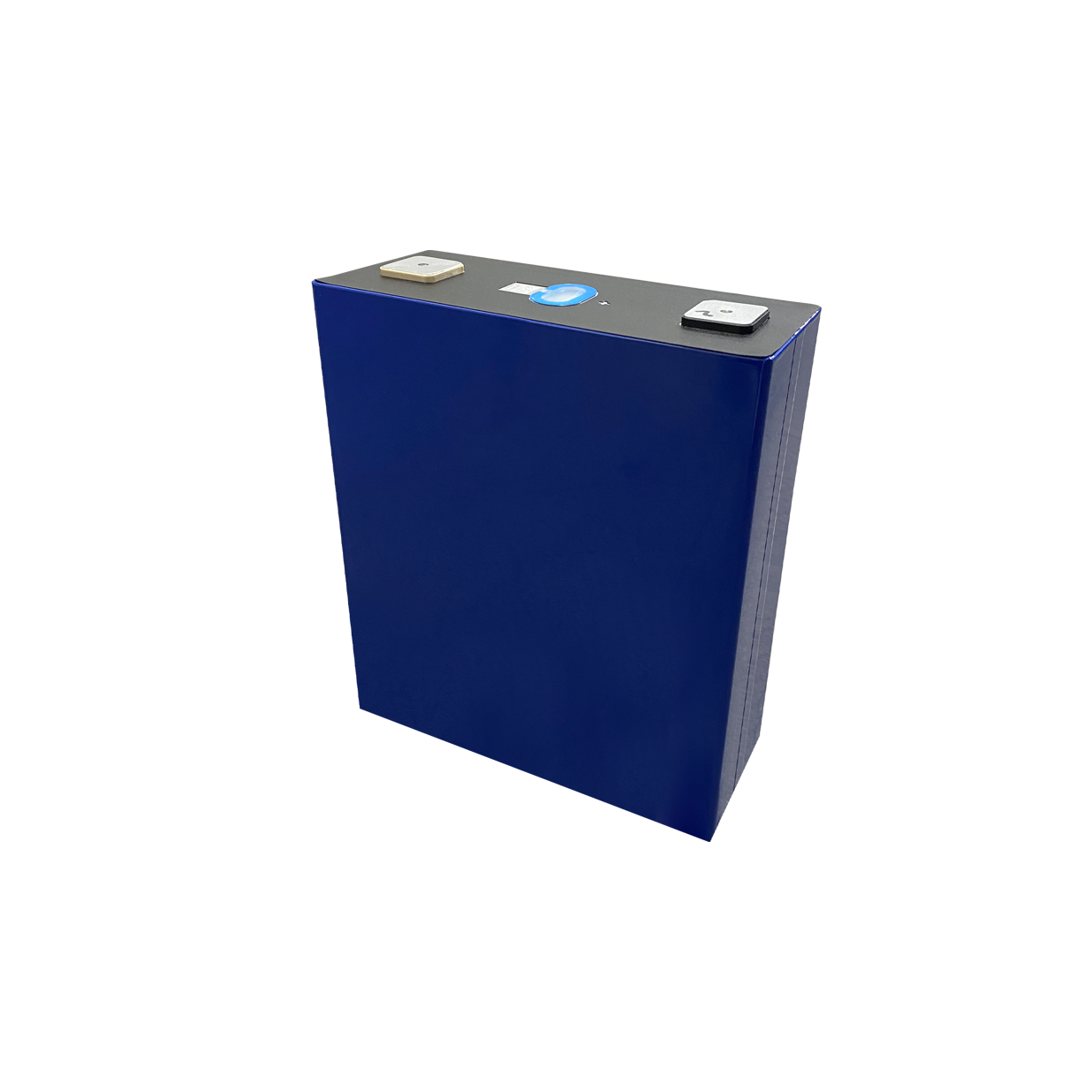
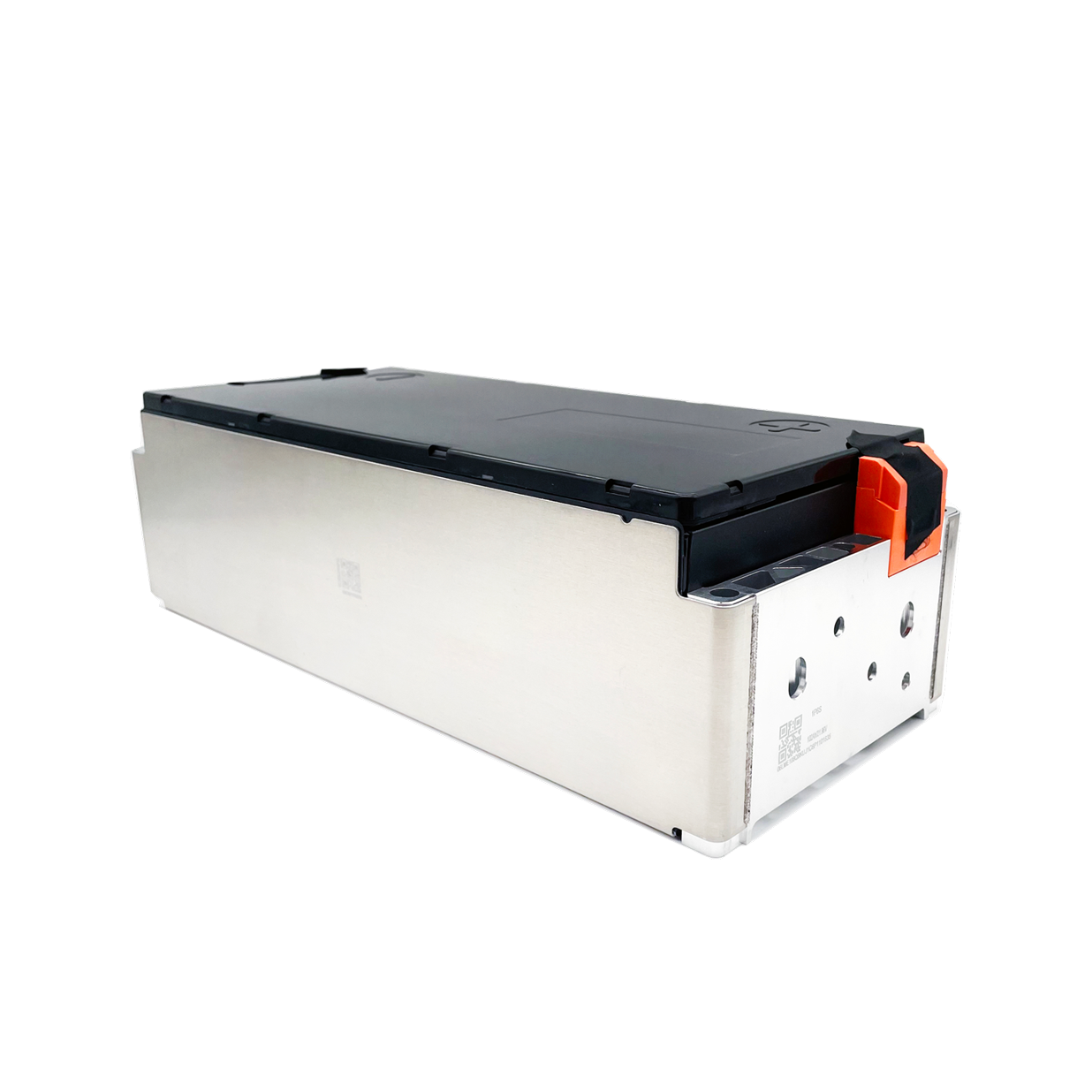
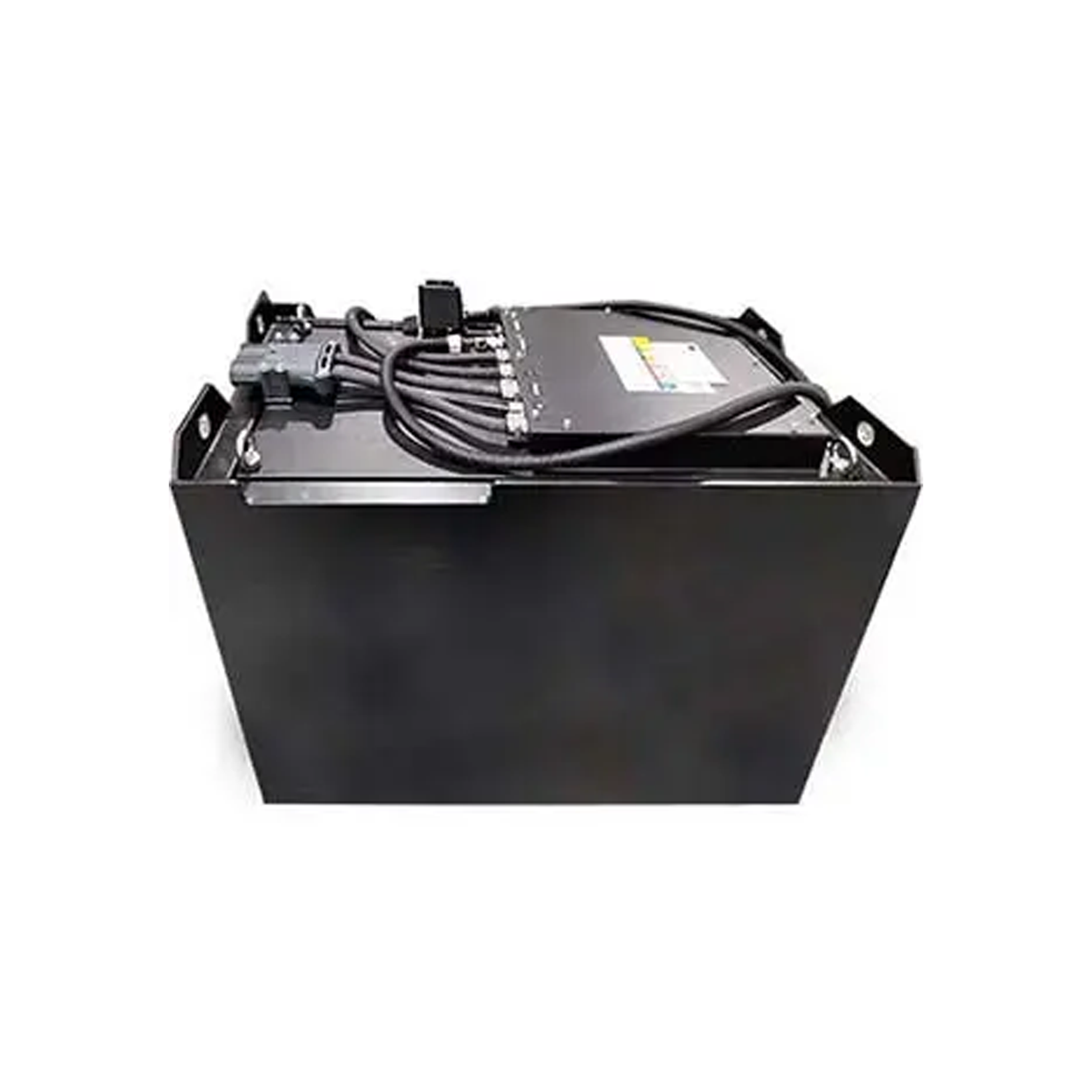
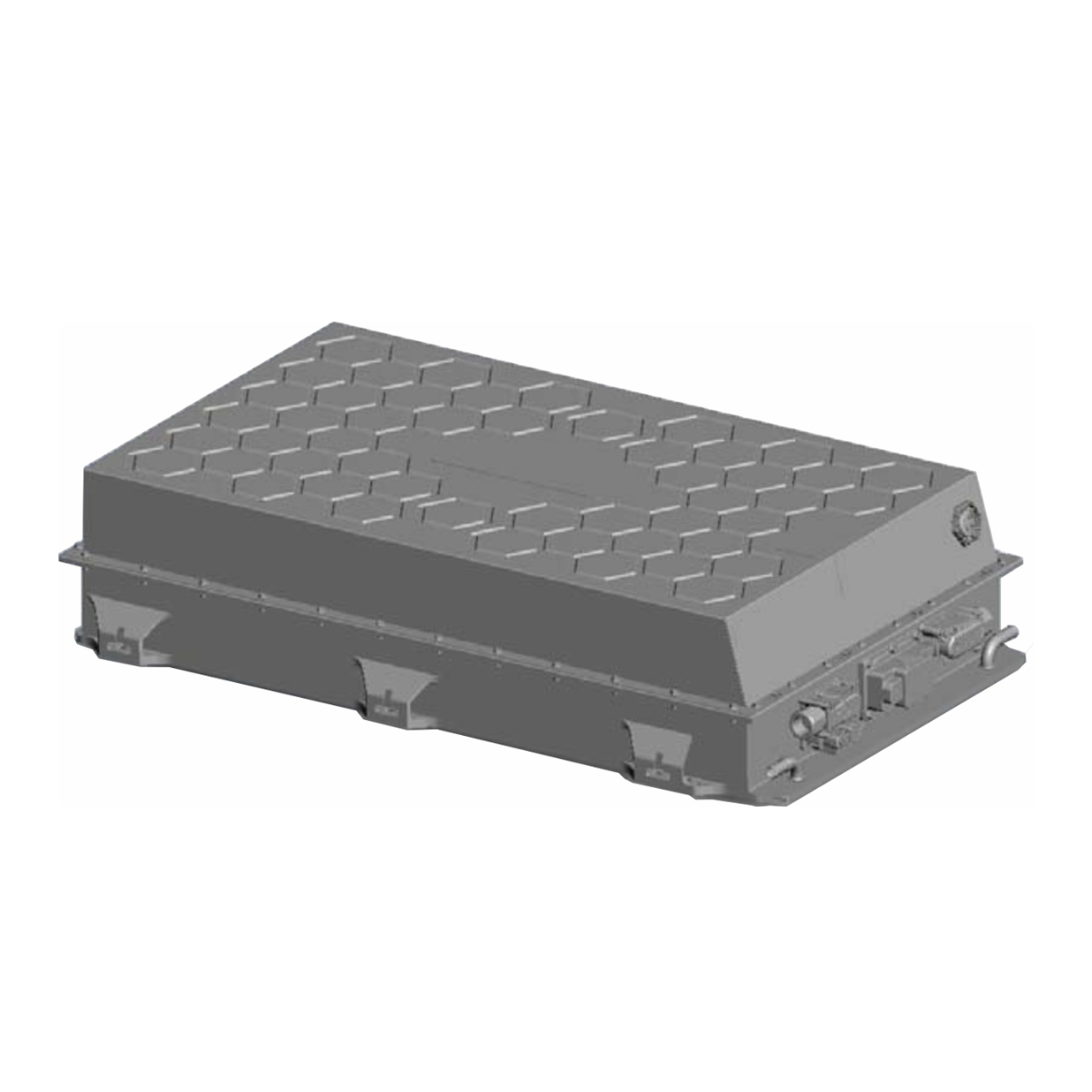
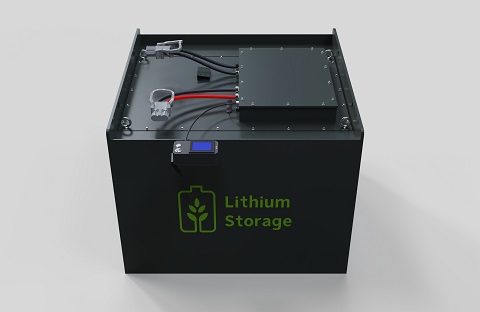
An energy storage block and an energy supply cabinet may both contain lithium batteries, but they occupy different levels of a commercial BESS architecture.
The easiest way to understand the distinction is:
Energy storage block = modular DC battery building block
Energy supply cabinet = more complete integrated energy storage system
This difference determines who is responsible for PCS integration, thermal management, system controls and site commissioning.
Side-by-Side Comparison
| Factor | Energy Storage Block | Energy Supply Cabinet |
|---|
| Main purpose | Store DC energy | Store and convert/manage energy |
| Typical content | Cells, module structure, pack-level BMS, cooling interface | Battery packs, PCS, BMS, thermal system, fire system, controls |
| AC output | Usually no | Yes in integrated cabinet |
| Expansion | Series/parallel system design | Parallel cabinet/system deployment |
| Engineering level | Component/subsystem | Near-complete C&I system |
| Best user | Integrator/OEM/EPC | Factory/commercial project/integrator |
| Installation work | More system integration required | More factory integration completed |
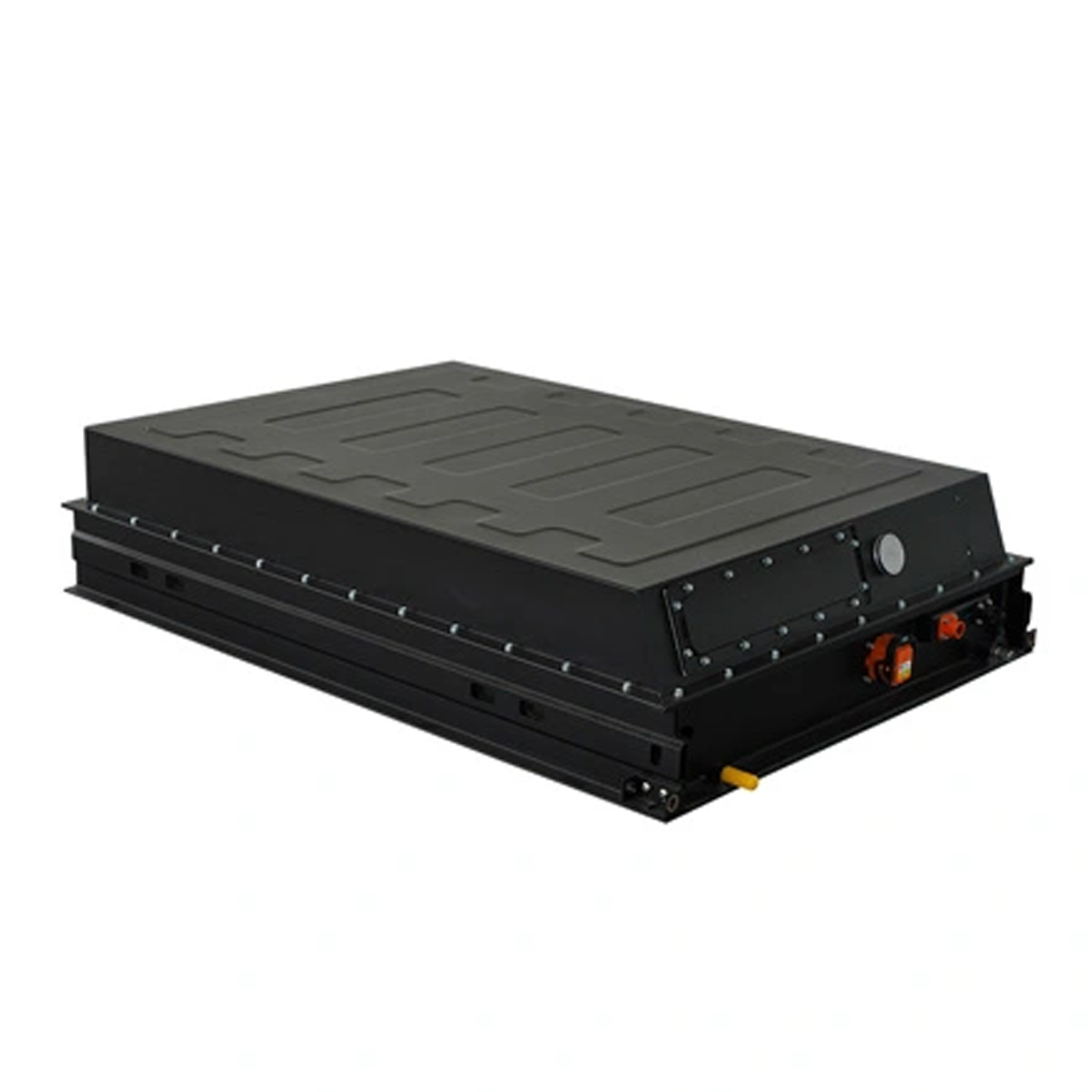
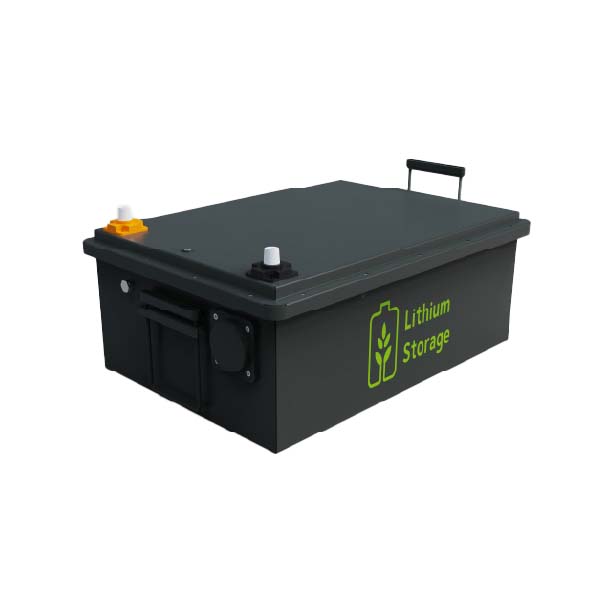
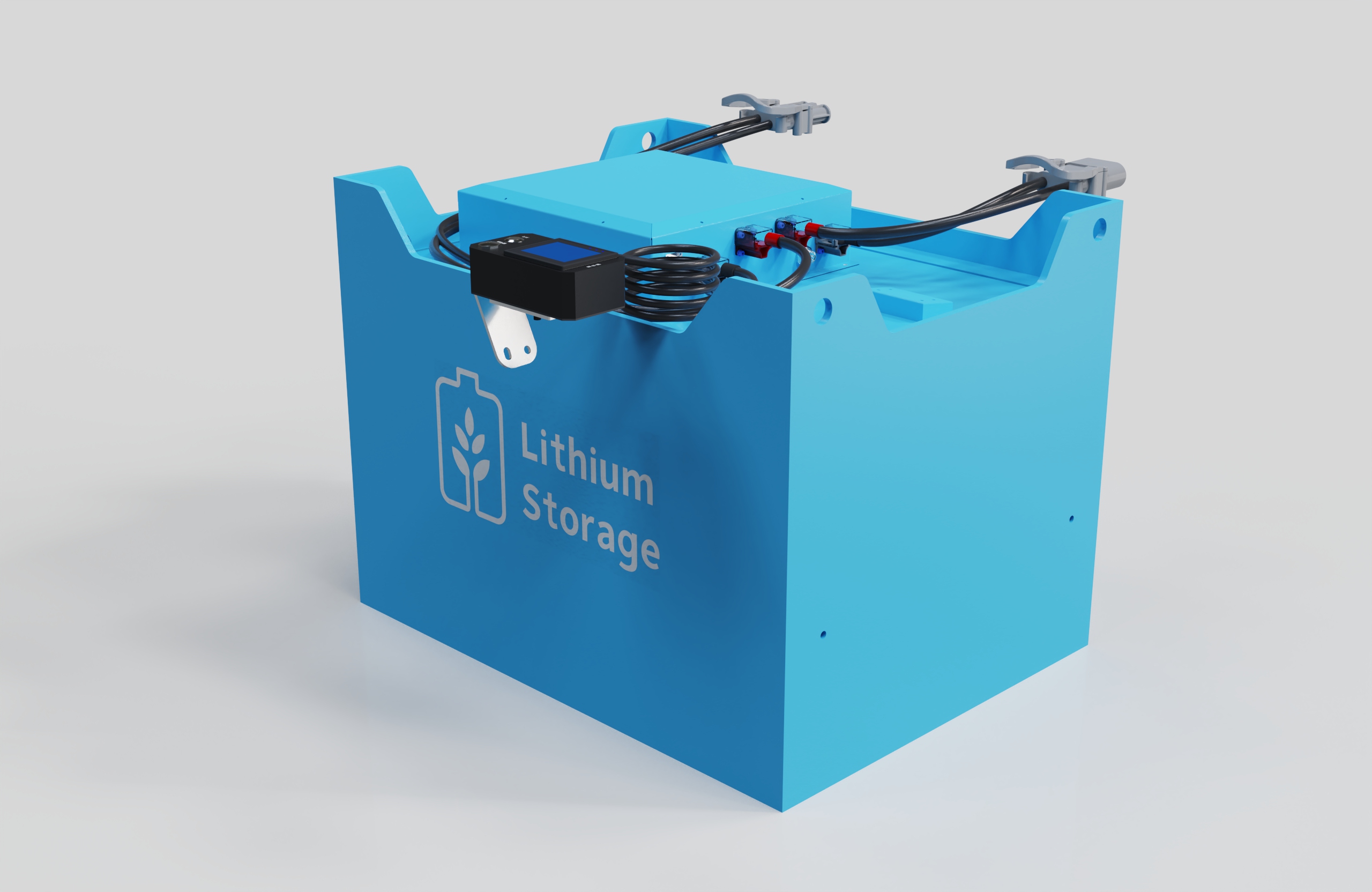
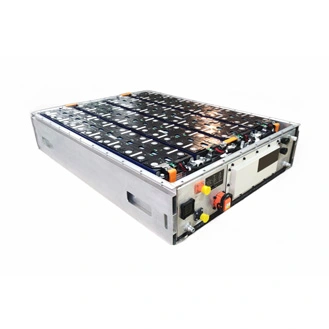
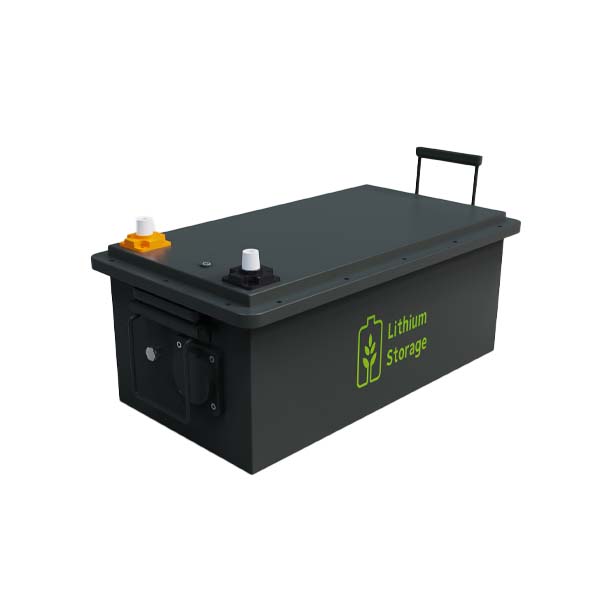
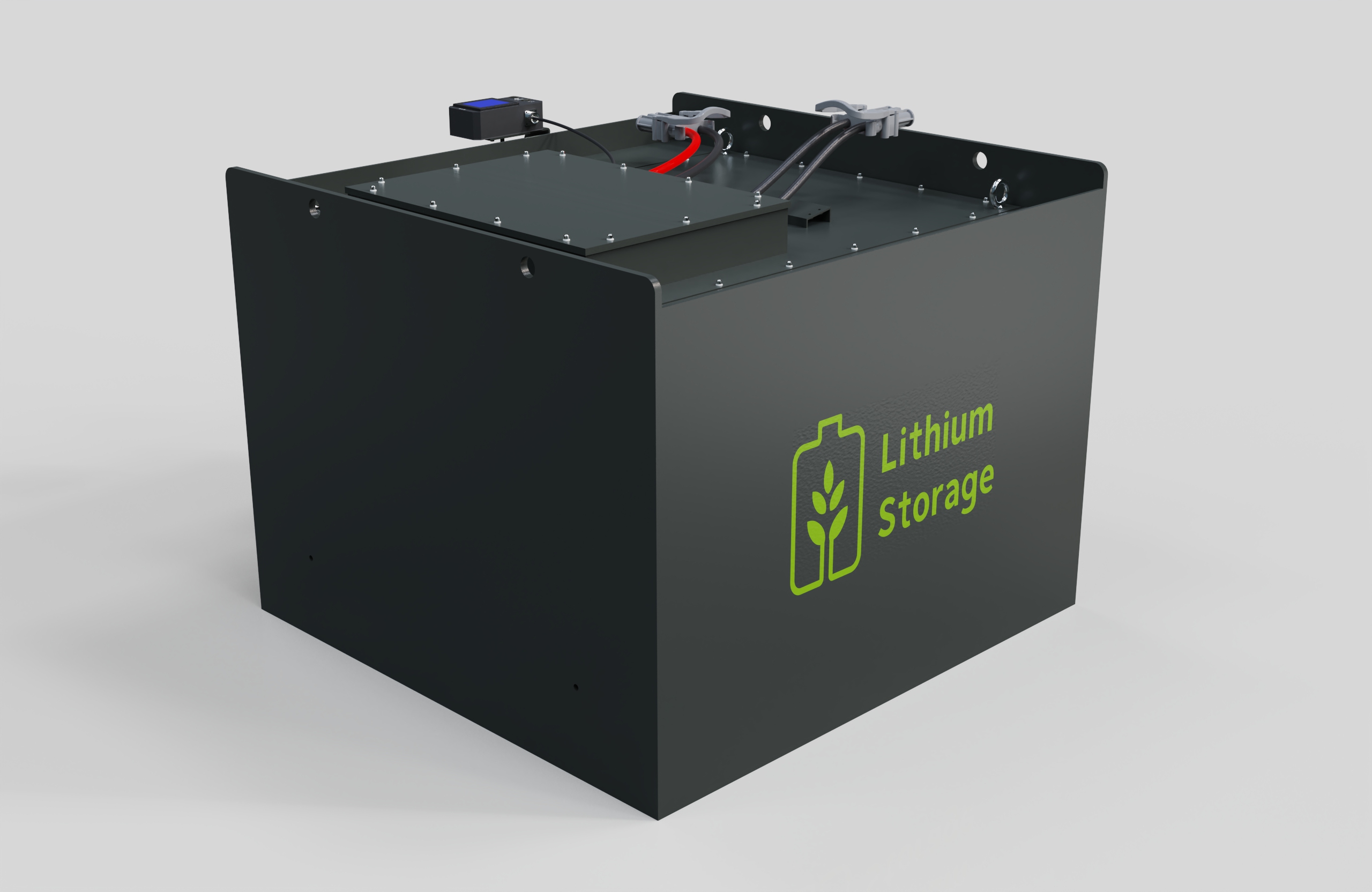
LITHIUM STORAGE defines its Energy Storage Block as the basic unit of an energy storage system that can be stacked in series or parallel. Its Energy Supply Cabinet, by contrast, combines battery packs, PCS, thermal-management systems, fire protection and BMS.
What Is an Energy Storage Block?
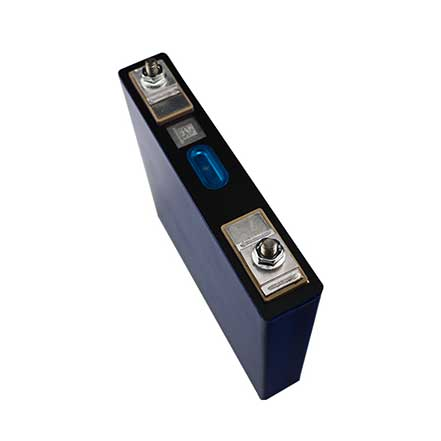
An energy storage block is the battery section of the system.
It gives integrators a standardized DC building block that can be combined into larger battery strings or racks.
LITHIUM STORAGE's current range includes:
Air-Cooled Blocks
51.2V / 14.336kWh
76.8V / 21.504kWh
Liquid-Cooled Gen 1 Blocks
153.6V / 43.008kWh
166.4V / 46.592kWh
Liquid-Cooled Gen 2 Blocks
166.4V / 46.592kWh
332.8V / 106.496kWh
As an Energy Storage Block Manufacturer, LITHIUM STORAGE specifies energy efficiency of at least 94% at 0.5P and room temperature across these product families.
What Still Needs to Be Added Around a Block?
Depending on the project, the system integrator may still need to provide:
This flexibility is valuable for experienced system integrators because they can design the complete BESS around their own PCS, EMS and project standards.
It also means a storage block is not necessarily the simplest option for a factory that wants a turnkey system.
What Is an Energy Supply Cabinet?
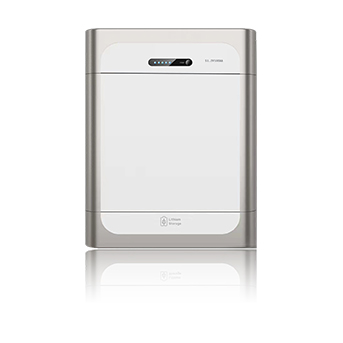
An energy supply cabinet moves much closer to a complete commercial BESS.
LITHIUM STORAGE states that its commercial cabinet combines:
Battery packs
PCS
Thermal management
Fire fighting
BMS
The cabinet can therefore accept AC power from the facility/grid, charge the batteries and later convert stored DC energy back to AC.
Current LITHIUM STORAGE Cabinet Examples
| Model Type | Power | Energy | Cooling |
|---|
| Air-cooled C&I ESS | 100kW | 215.04kWh | Air |
| Liquid-cooled C&I ESS | 100kW | 215.04kWh | Liquid |
| Liquid-cooled C&I ESS | 100kW | 232.96kWh | Liquid |
The air-cooled cabinet specifies IP54 protection and operation from -20°C to 50°C with derating above 45°C.
Liquid-cooled versions specify PCS efficiency up to 98%, overall system efficiency above 88%, IP54 and the same -20°C to 50°C operating range with high-temperature derating.
Cooling Is Another Important Difference
Storage blocks are available in both air- and liquid-cooled versions.
At cabinet level, the cooling system is integrated as part of the complete thermal architecture.
Liquid cooling may be attractive when:
Higher energy density is needed.
Ambient temperatures are challenging.
Temperature uniformity is important.
Daily cycling is intensive.
Air cooling may provide simpler maintenance and potentially lower initial system complexity for moderate-duty applications.
The choice depends on project conditions rather than one technology universally outperforming the other.
Which Is Easier to Expand?
Both can be expanded, but in different ways.
Storage Block Expansion
Blocks provide flexibility at the DC design level.
Integrators can build:
cells → block → rack/string → DC bus → PCS
This is useful for customized systems.
Cabinet Expansion
Cabinets provide expansion at a larger system level.
Additional complete cabinets can be installed to increase total kW and kWh where the electrical design supports parallel operation.
This can simplify phased factory projects.
Which Is Better for OEMs and EPC Companies?
An Energy Storage Block Manufacturer is often the better partner when the customer already has:
The integrator mainly needs a standardized battery building block.
Which Is Better for Factories?
A complete cabinet may be more practical when the application is:
because more of the power-conversion and protection hardware is already integrated.
Do Not Compare Efficiency Numbers Directly
LITHIUM STORAGE publishes ≥94% energy efficiency for its battery blocks under specified conditions, while its liquid-cooled integrated cabinets specify >88% overall system efficiency.
These figures describe different system boundaries.
The block figure focuses primarily on the battery subsystem.
The cabinet figure includes additional conversion and auxiliary losses.
Therefore, a lower cabinet-system efficiency does not mean the cabinet uses inferior batteries.
How to Choose
Choose an energy storage block when:
You are designing your own BESS.
PCS and EMS are already specified.
Custom DC voltage is required.
You need flexible rack/container architecture.
Choose an energy supply cabinet when:
You want a more integrated C&I solution.
Required power is around the commercial/industrial range.
Installation simplicity is important.
PCS/BMS/thermal management should be supplied together.
LITHIUM STORAGE acts as an Energy Storage Block Manufacturer with air- and liquid-cooled block platforms while also supplying integrated commercial cabinets and container systems.
The correct choice comes down to the system boundary you want the battery supplier to deliver.