Forklift Lithium Battery Manufacturer│LITHIUM STORAGE Forklift Lithium Battery Manufacturer│LITHIUM STORAGE
KB19

How to Size a Lithium Battery Energy Storage System for Factories

Sizing a factory battery energy storage system starts with the facility's load profile, not with a battery catalog.

Two factories consuming exactly the same number of kWh per month can require completely different BESS configurations. One may have a sharp 1MW production peak lasting 30 minutes, while another runs continuously at 400kW. The first project may need high power and relatively little energy; the second may require much longer discharge duration.

For this reason, a Battery Energy Storage System Manufacturer normally needs both kW and kWh requirements, together with the factory's tariff, PV system and operating schedule.

Step 1: Decide What the Battery Must Accomplish

Start with the business objective.

Typical factory applications include:

  • Peak shaving

  • Time-of-use load shifting

  • Solar self-consumption

  • Backup of critical production loads

  • EV charging support

  • Grid-capacity limitation

  • Microgrid operation

DOE identifies peak shaving, load shifting and resilience as major behind-the-meter BESS functions.

One battery may perform several functions, but the sizing calculation must account for how they interact.

Step 2: Understand kW vs kWh

This is the foundation of BESS sizing.

kW = instantaneous power

kWh = stored energy

For example, a 100kW/200kWh battery can theoretically discharge at rated power for roughly two hours before accounting for reserve SOC and system losses.

A 500kW/200kWh system has much higher power but less than half an hour of nominal duration at full output.

Neither is inherently better.

The correct ratio depends on the factory's load curve.

Step 3: Obtain Interval Load Data

Monthly electricity bills are not enough.

Use at least 15-minute load data, and preferably finer data where available.

Identify:

  • Average demand

  • Maximum demand

  • Time of daily peak

  • Peak duration

  • Weekend behavior

  • Seasonal differences

  • Production-shift changes

A Battery Energy Storage System Manufacturer can then determine how much of the peak is practical to shave.

Step 4: Calculate Peak-Shaving Power

Assume the factory reaches:

800kW maximum demand

The target is:

600kW grid demand

Required battery discharge power:

800 – 600 = 200kW

Therefore, the BESS requires at least approximately 200kW of usable discharge capability during the peak, plus appropriate engineering margin.

Step 5: Calculate Required Energy

Suppose the 200kW excess demand lasts two hours.

Energy required:

200kW × 2h = 400kWh

But installing exactly 400kWh would usually provide insufficient margin because the design must consider:

  • Usable SOC window

  • Conversion losses

  • Battery degradation

  • Future load variation

  • Operating reserve

For illustration, if only 90% of nominal capacity is intended to be used and the project adds 15% reserve:

400 ÷ 0.90 × 1.15 ≈ 511kWh

The final value still needs to be checked against the selected battery's actual system efficiency, warranty conditions and EMS strategy.

Step 6: Size for Solar Energy Shifting

Solar-plus-storage calculations are different.

Suppose a factory generates 1,500kWh of surplus PV between 11:00 and 15:00 and wants to use that energy after sunset.

The BESS may need around 1.5MWh of usable storage before accounting for losses, reserve and degradation.

Then check how quickly the PV surplus appears.

If the battery must absorb 600kW of solar at noon, a 300kW PCS would become the bottleneck even if the battery has 2MWh of capacity.

So evaluate both:

maximum PV charging power

and

total surplus PV energy

Step 7: Size Backup Loads Separately

Backup sizing should focus on critical loads rather than the entire factory unless full-site backup is genuinely required.

Example:

Critical production and IT load = 150kW

Required backup duration = 4 hours

Minimum delivered energy:

150 × 4 = 600kWh

Starting a large compressor or motor may also require short-duration power significantly above the average 150kW load.

This makes PCS overload capability and motor-starting behavior important in addition to total battery kWh.

Step 8: Consider Daily Cycling

A battery used for occasional emergency backup has a very different lifetime profile from one performing daily tariff arbitrage.

A peak-shaving system operating once per day may accumulate approximately:

3,650 cycles in ten years

More frequent cycling can increase this significantly.

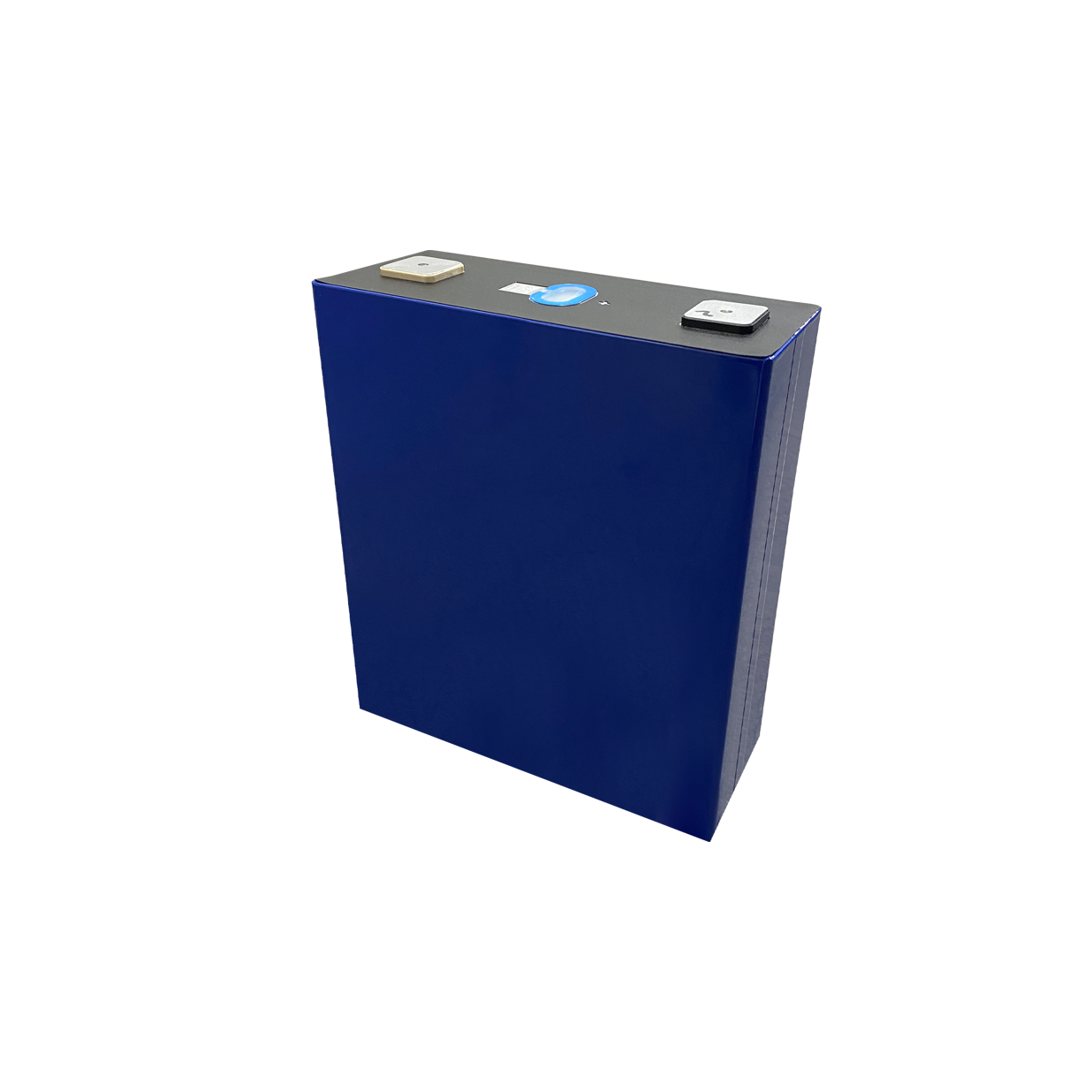
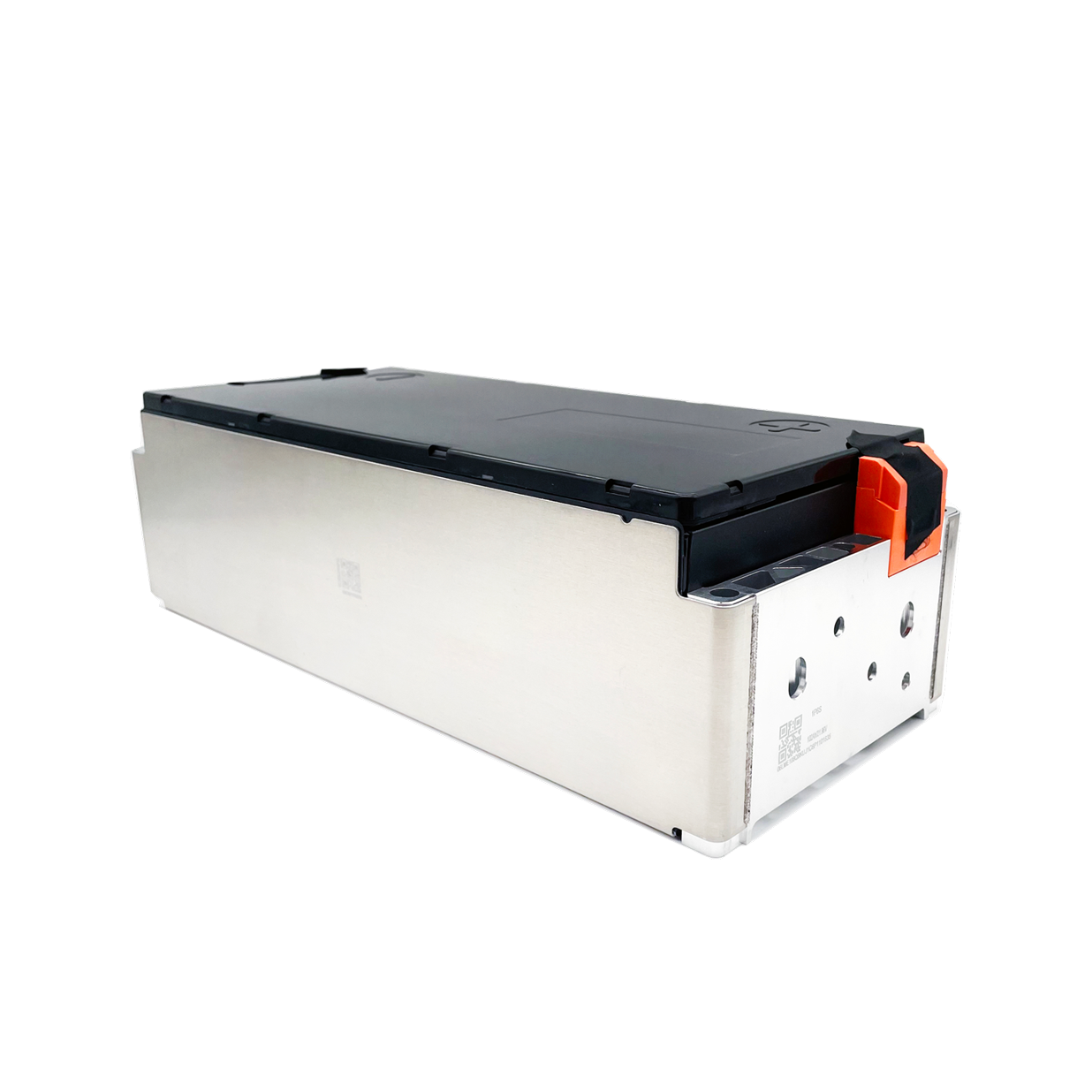
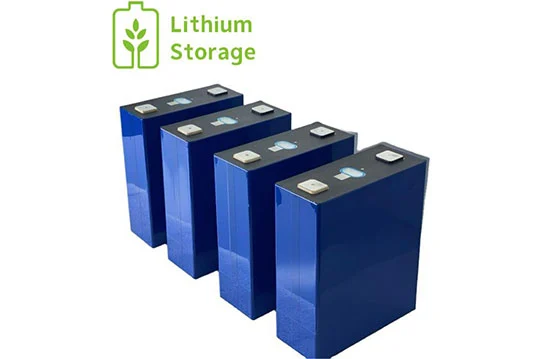
LITHIUM STORAGE's deep-cycle LFP280Ah cell and several storage-block products specify 6,000-cycle capability under the manufacturer's defined test conditions.

Cycle specification should always be compared at the same:

  • DOD

  • C-rate

  • Temperature

  • End-of-life definition

Step 9: Decide Between Cabinet and Container Architecture

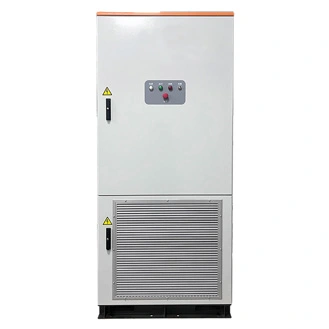
LITHIUM STORAGE's C&I cabinets provide a useful reference point.

Its air-cooled system is rated at 100kW/215.04kWh, while liquid-cooled options include 100kW/215.04kWh and 100kW/232.96kWh.

These may fit projects requiring several hundred kWh.

For multi-MWh factories or energy hubs, the company's 20-foot container systems offer 3.727MWh and 5.111MWh on the DC side.

A factory needing 500kWh does not automatically need a 5MWh container.

Conversely, a 10MWh project should not be assembled from dozens of small commercial cabinets unless there is a specific engineering reason.

Step 10: Verify the Facility Electrical System

Battery sizing also depends on the site.

Confirm:

  • Grid connection capacity

  • Transformer rating

  • Facility voltage

  • Available switchgear

  • Short-circuit level

  • PV inverter capacity

  • Existing generator

  • Space for BESS

  • Cable distance

  • Fire separation requirements

A 2MW battery is of little use if the electrical infrastructure cannot safely transfer 2MW.

Example Factory BESS Selection

ParameterExample
Maximum factory load1,000kW
Target grid maximum700kW
Required BESS power300kW
Peak duration2 hours
Delivered energy600kWh
Usable battery assumption90%
Initial nominal estimate≥667kWh before additional project reserve

If the factory also requires 500kWh of solar shifting later the same day, the EMS and battery-sizing calculation must determine whether the same capacity can support both functions or whether more storage is required.

Information to Send the Battery Supplier

Provide:

  • 12 months of interval load data

  • Electricity tariff

  • Maximum demand

  • Desired peak-demand target

  • PV size

  • PV generation curve

  • Critical backup loads

  • Backup duration

  • Grid voltage

  • Transformer capacity

  • Installation location

  • Ambient temperature

  • Expected cycles/day

  • Future expansion plan

LITHIUM STORAGE's BESS portfolio covers energy storage blocks, 100kW-class integrated commercial cabinets and multi-MWh containerized systems.

The correct system is therefore sized from factory load data → required kW → required duration → required kWh → PCS → battery architecture, rather than selecting a battery size first and trying to make the factory fit it afterward.


Latest News & Blog in Lithium Storage

+86-18686976230
info@lslithiumbattery.com
0086-025-8773-9887
Register to download
close