LFP and NCM are two of the most widely known lithium-ion battery chemistries. Both can be engineered into large battery systems, but they emphasize different performance characteristics.
NCM generally provides higher energy density, making it attractive where mass and volume are restricted. LFP provides strong cycle durability, lower dependence on nickel and cobalt, and greater thermal stability, which is why it has become increasingly important in stationary energy storage.
For grid-scale or industrial BESS projects, these differences frequently make LFP the more practical choice—but not automatically in every application.
LFP vs NCM for Stationary Storage
| Factor | LFP | NCM |
|---|
| Energy density | Lower | Higher |
| Thermal stability | Generally stronger | More thermally sensitive |
| Cycle-intensive use | Strong fit | Application-dependent |
| Nickel/cobalt content | None in cathode | Uses nickel/manganese/cobalt |
| Space efficiency | Lower | Better |
| Weight efficiency | Lower | Better |
| Grid-storage adoption | Increasingly common | Used in many earlier systems and selected current projects |
| Main advantage | Safety/cycle/cost balance | Energy density |
The U.S. Department of Energy reports that recent grid-scale projects increasingly use LFP because of lower cost, better cycle life and improved thermal stability. NMC retains an energy-density advantage.
Why LFP Thermal Stability Matters
A stationary battery may contain megawatt-hours of stored energy concentrated in a relatively small area.
Thermal behavior is therefore a critical design consideration.
The phosphate-based cathode structure of LFP is generally more thermally stable than high-nickel NMC chemistries. This contributes to LFP's attractiveness for large stationary systems.
However, LFP should never be treated as immune to thermal runaway.
DOE specifically warns that LFP can still experience serious thermal events. Battery chemistry must therefore be combined with:
Cell monitoring
BMS protection
Appropriate spacing
Thermal management
Fire detection
Fire suppression
Site emergency planning
Selecting an LFP Battery Manufacturer is only one layer of a complete BESS safety strategy.
Cycle Life Favors LFP in Many Deep-Cycling Applications
Grid storage frequently charges and discharges every day.
Over ten years, one cycle per day already approaches:
365 × 10 = 3,650 cycles
Two cycles per day can exceed 7,000 operating cycles.
DOE's 2022 storage assessment modeled LFP and NMC under different depth-of-discharge conditions. At 80% provided DOD, the model used approximately 6,000 cycles for LFP and 4,000 cycles for NMC; the report also modeled a longer calendar life for LFP. These figures are technology-model assumptions rather than universal specifications for every commercial cell, but they illustrate why LFP is attractive for cycle-intensive stationary storage.
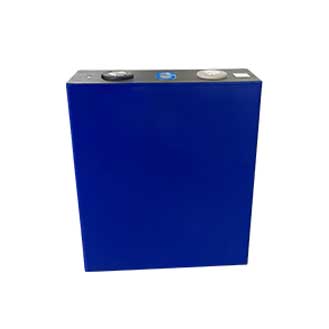
LITHIUM STORAGE's deep-cycle LFP280Ah cell is specifically designed for energy storage and lists 6,000 cycles under the manufacturer's defined test conditions.
NCM Still Has an Important Energy-Density Advantage
NCM can store more energy for a given weight or volume.
This can matter when the battery must fit inside:
Restricted building space
Mobile equipment
Offshore platforms
Weight-sensitive structures
Very high-value urban floor space
DOE's energy storage supply-chain assessment notes that higher-energy-density chemistries such as NMC are commonly used where energy density is particularly important, while lower-density LFP is widely suited to stationary applications.
For an open industrial site with containerized storage, however, sacrificing some energy density may be acceptable if LFP provides better project economics and cycling characteristics.
Compare Chemistry at System Level, Not Cell Level
Suppose an NCM cell stores more Wh/kg than an LFP cell.
That does not automatically mean the completed NCM BESS will be proportionally smaller.
A complete system also contains:
Module structures
Racks
Cooling
BMS
Electrical isolation
Busbars
Fire protection
PCS
Service clearances
The correct comparison is therefore:
installed kWh per square meter + lifecycle throughput + system safety + total cost
rather than cell energy density alone.
LITHIUM STORAGE LFP Range for Energy Storage
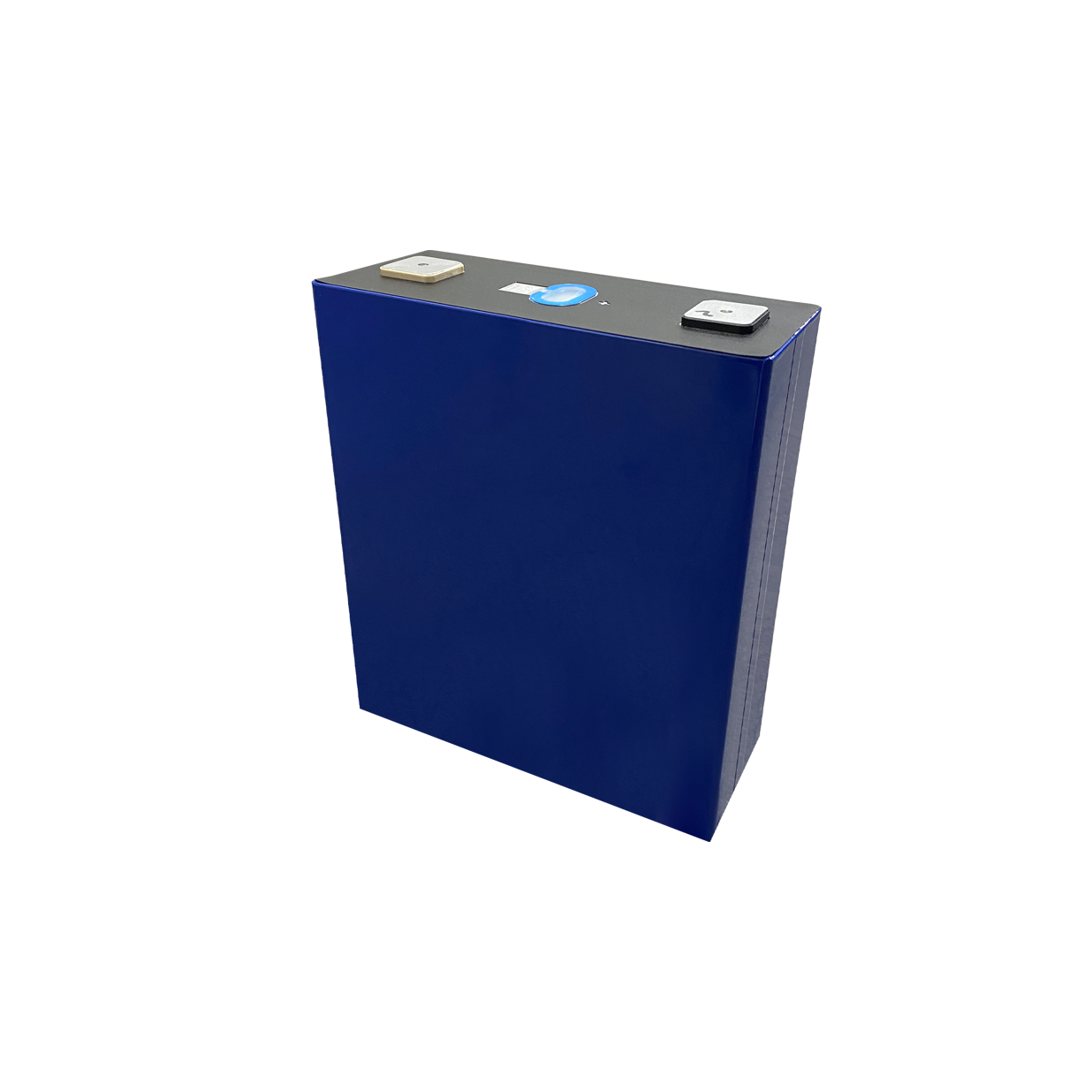
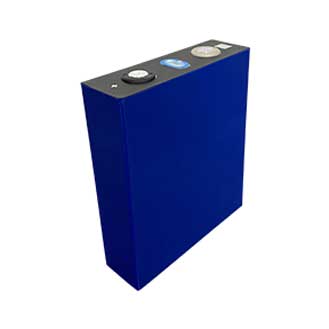
LITHIUM STORAGE's current LFP cell portfolio spans 40Ah to 302Ah. The manufacturer positions lower-capacity products for residential and low-speed applications and larger cells including 205Ah, 230Ah, 280Ah and 302Ah for larger battery systems, with a deep-cycle 280Ah version designed specifically for energy storage.
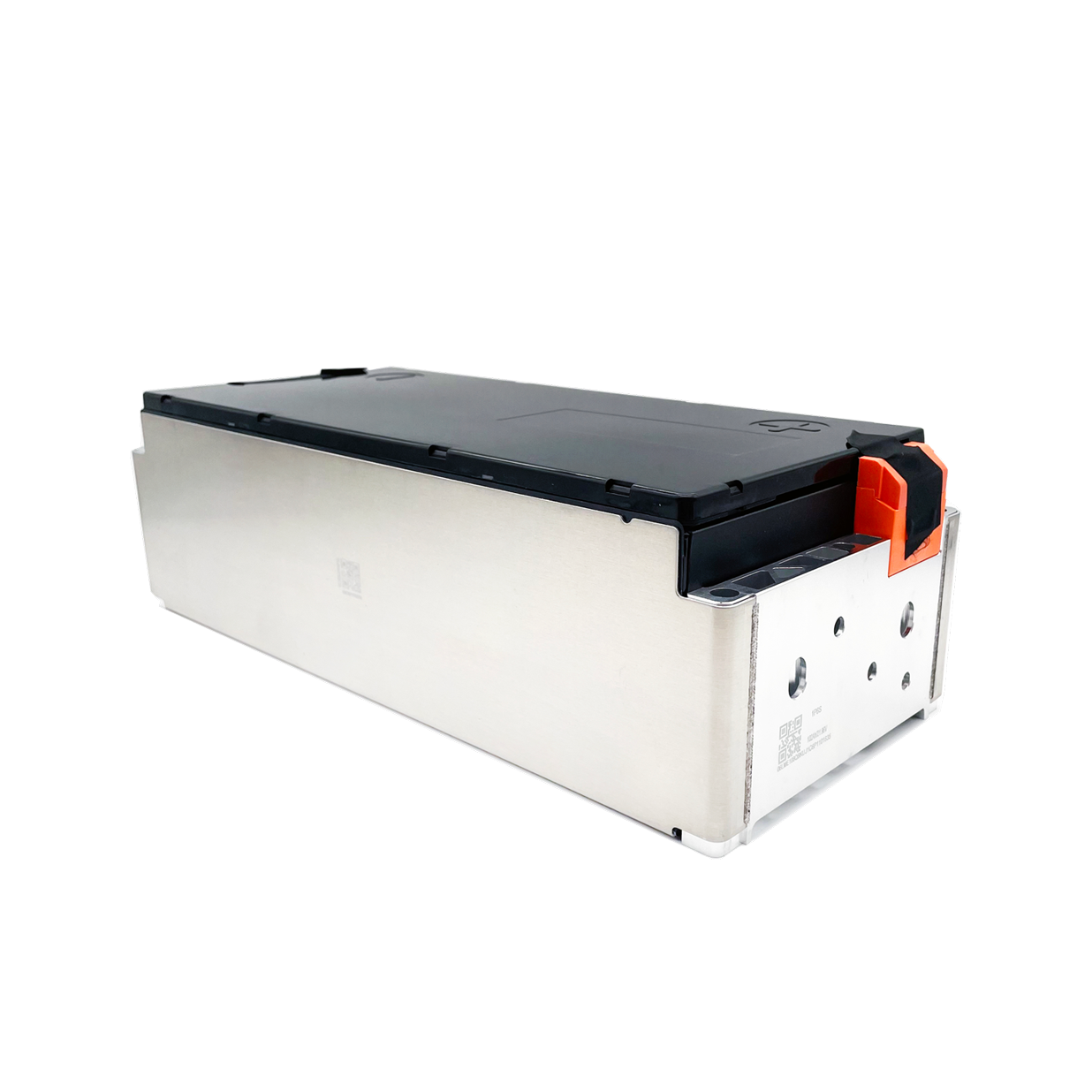
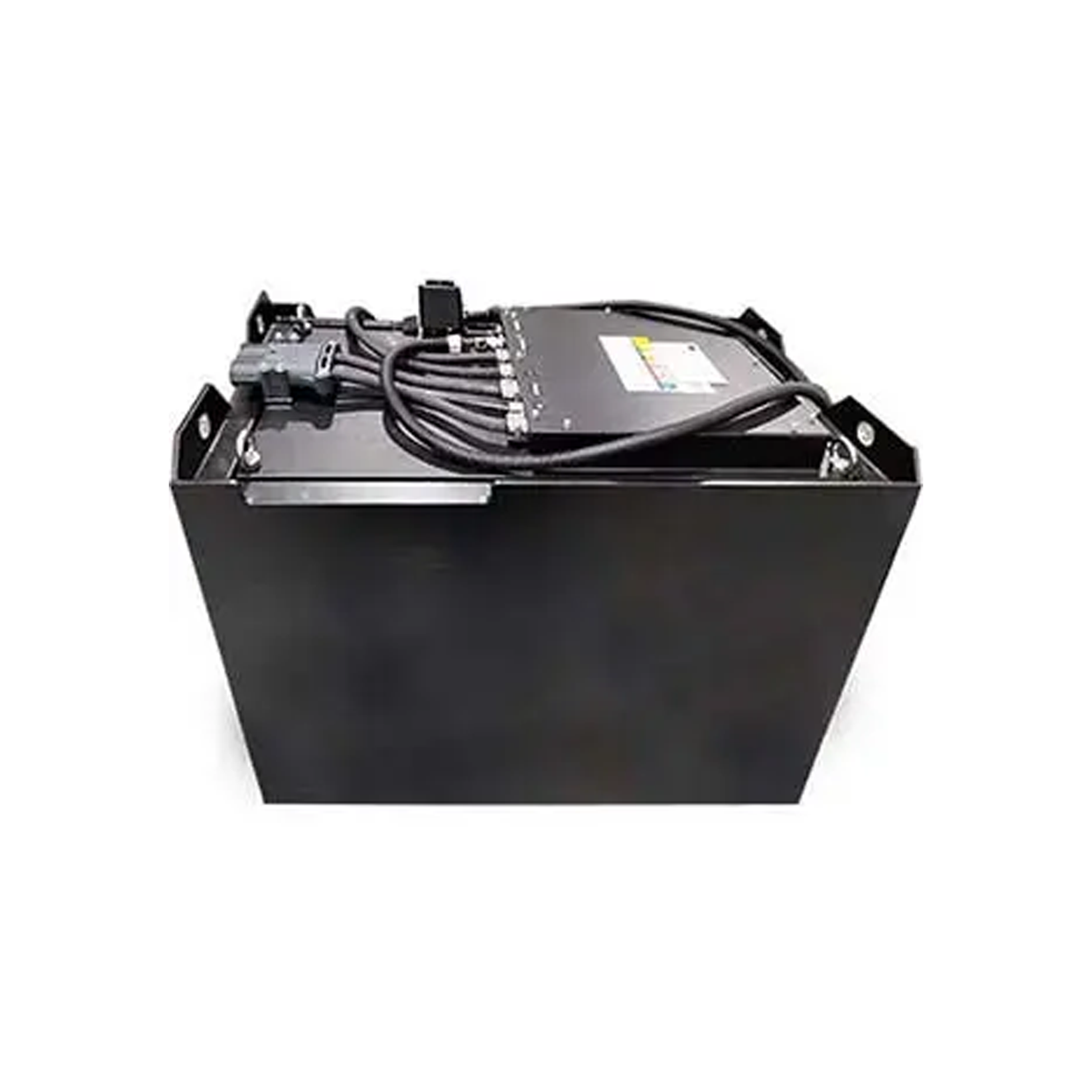
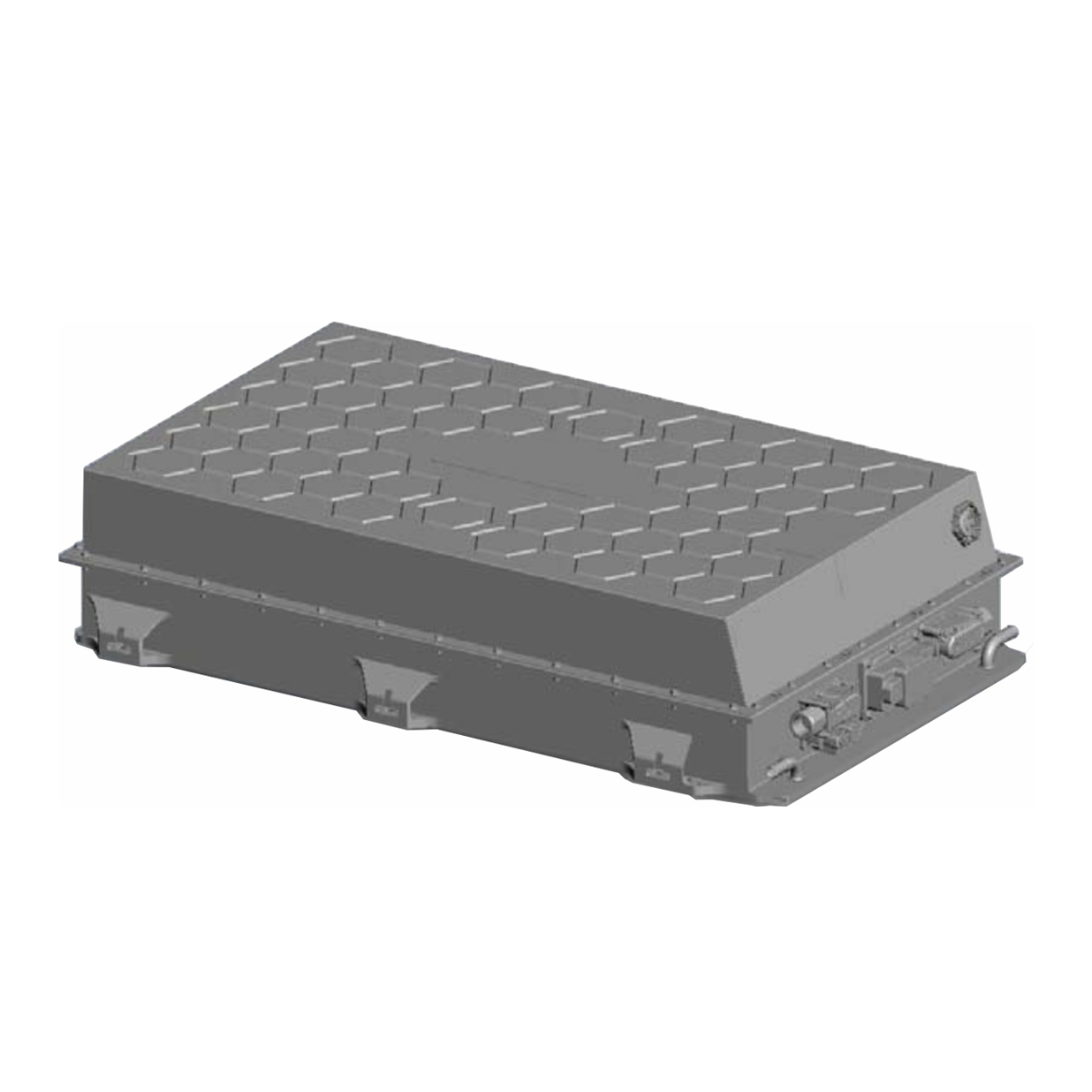
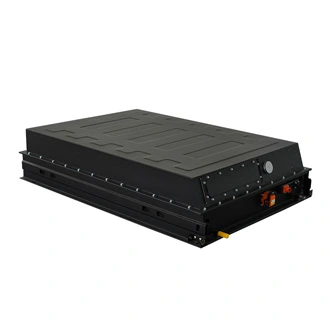
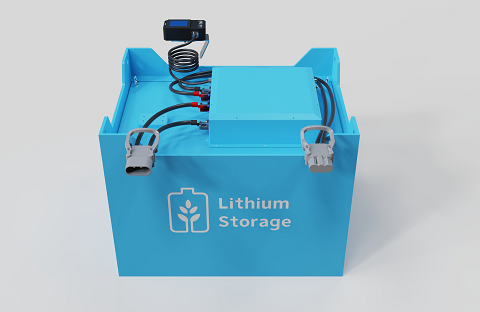
Its energy storage products then build these cells into:
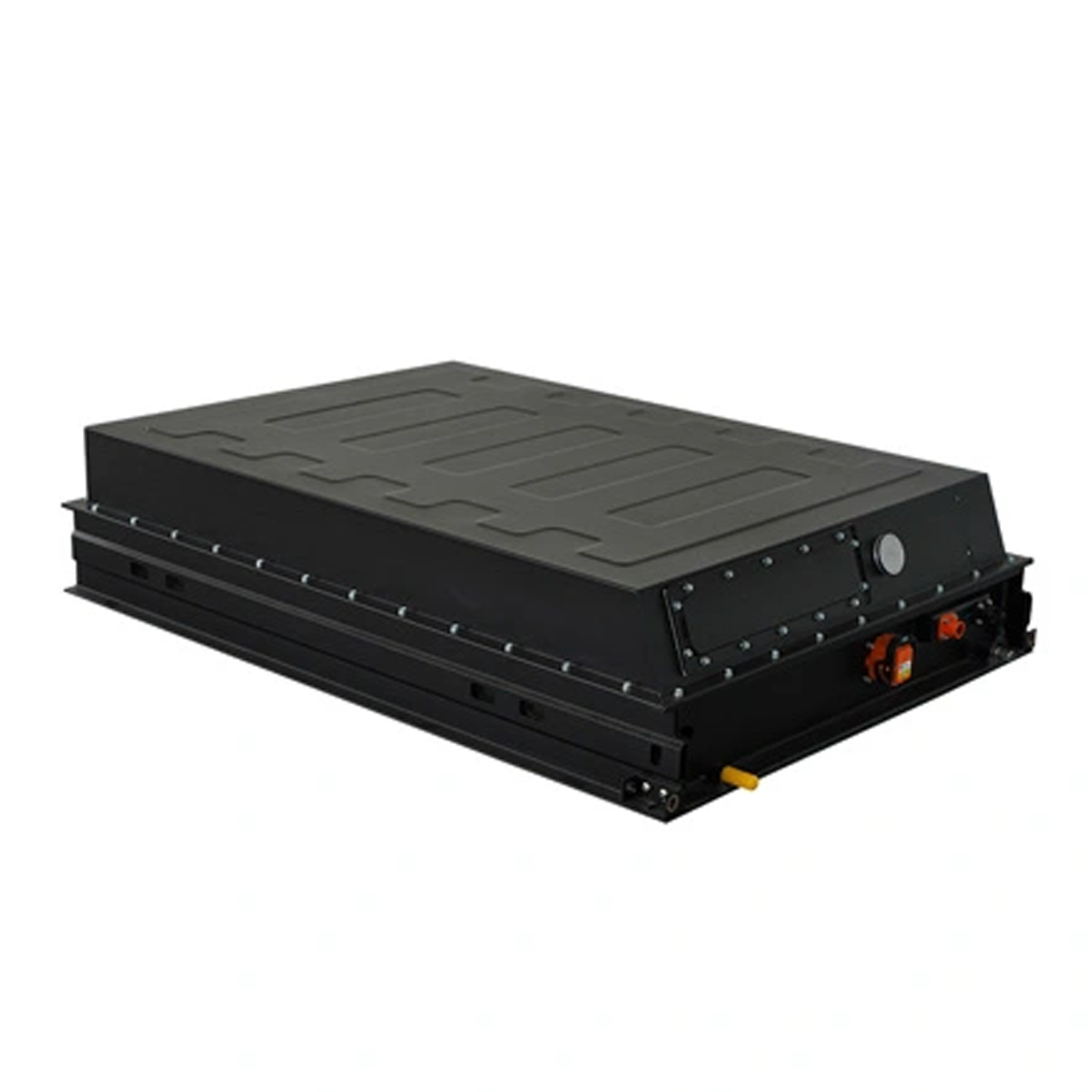
Air-cooled storage blocks
Liquid-cooled storage blocks
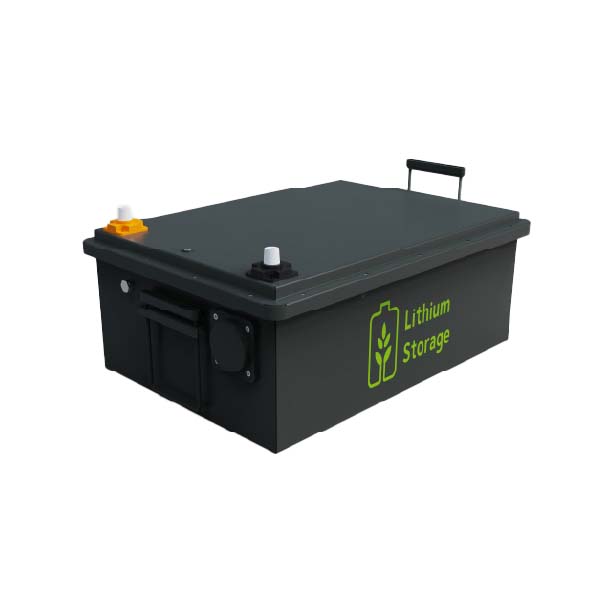
Commercial energy cabinets
Multi-MWh container systems
This cell-to-system architecture is an important consideration when evaluating an LFP Battery Manufacturer for industrial projects.
When LFP Is Usually the Better Fit
LFP is particularly attractive for:
Daily peak shaving
Repeated cycling favors long-life chemistry.
Solar energy shifting
Battery may charge and discharge almost every day.
Commercial energy arbitrage
High annual throughput makes cycle degradation important.
Utility-scale storage
Thermal stability and lifecycle cost are key priorities.
Microgrids
Long-term reliability may matter more than maximum Wh/kg.
When NCM May Still Make Sense
NCM may be appropriate where:
Installation space is extremely constrained.
Battery mass must be minimized.
A mobile or transportable application overlaps with stationary storage.
The engineering team values higher energy density more than maximum deep-cycle durability.
The correct answer therefore depends on the project.
What Matters Beyond Chemistry?
Even the best cell chemistry can perform poorly if the system is badly engineered.
Evaluate:
LITHIUM STORAGE's LFP production operates under ISO9001, IATF16949, ISO14001 and ISO45001 management systems, while certifications vary by cell model and include combinations of IEC62619, UL, MSDS, UN38.3 and other standards.
LFP Is Usually the Practical Choice for Modern Grid Storage
NCM remains valuable where energy density is the dominant requirement.
For most grid-scale industrial systems, however, weight is less important than it is in an electric vehicle. Cycle life, thermal behavior, long-term cost and system safety become more influential.
That explains why LFP has become increasingly prominent in modern stationary storage.
For projects requiring frequent cycling, LITHIUM STORAGE offers deep-cycle LFP cells along with air- and liquid-cooled blocks and complete commercial/container systems.
When selecting an LFP Battery Manufacturer, compare the complete lifecycle and system architecture—not simply the nominal Ah rating of the cell.