Home batteries and containerized battery systems perform the same fundamental task—storing electricity for later use—but they are designed for dramatically different power levels, energy capacities and operating environments.
A household may need enough storage to run selected appliances overnight or maintain essential loads during a grid outage. A factory, solar project or utility installation may need several megawatt-hours of storage and megawatt-scale power conversion.
For this reason, choosing between residential storage and a system supplied by a Container Energy Storage System Manufacturer should begin with the application rather than simply comparing battery chemistry.
Home vs Container Energy Storage at a Glance
| Factor | Home Energy Storage | Container Energy Storage |
|---|
| Typical scale | Several kWh to tens of kWh | Hundreds of kWh to multiple MWh |
| Main users | Houses, villas, small properties | Factories, utilities, solar/wind projects, microgrids |
| Typical voltage | Low-voltage 48/51.2V or residential HV | High-voltage DC |
| Installation | Wall or rack | Outdoor container/site |
| PCS | Residential inverter | Industrial/grid-scale PCS |
| Cooling | Passive/air depending on system | Air or liquid cooling |
| Control | Home inverter/EMS | Industrial EMS/SCADA |
| Primary goals | Self-consumption, backup | Peak shaving, grid services, renewable shifting, resilience |
| Project engineering | Relatively standardized | Site-specific EPC/integration |
How Large Is Home Energy Storage?
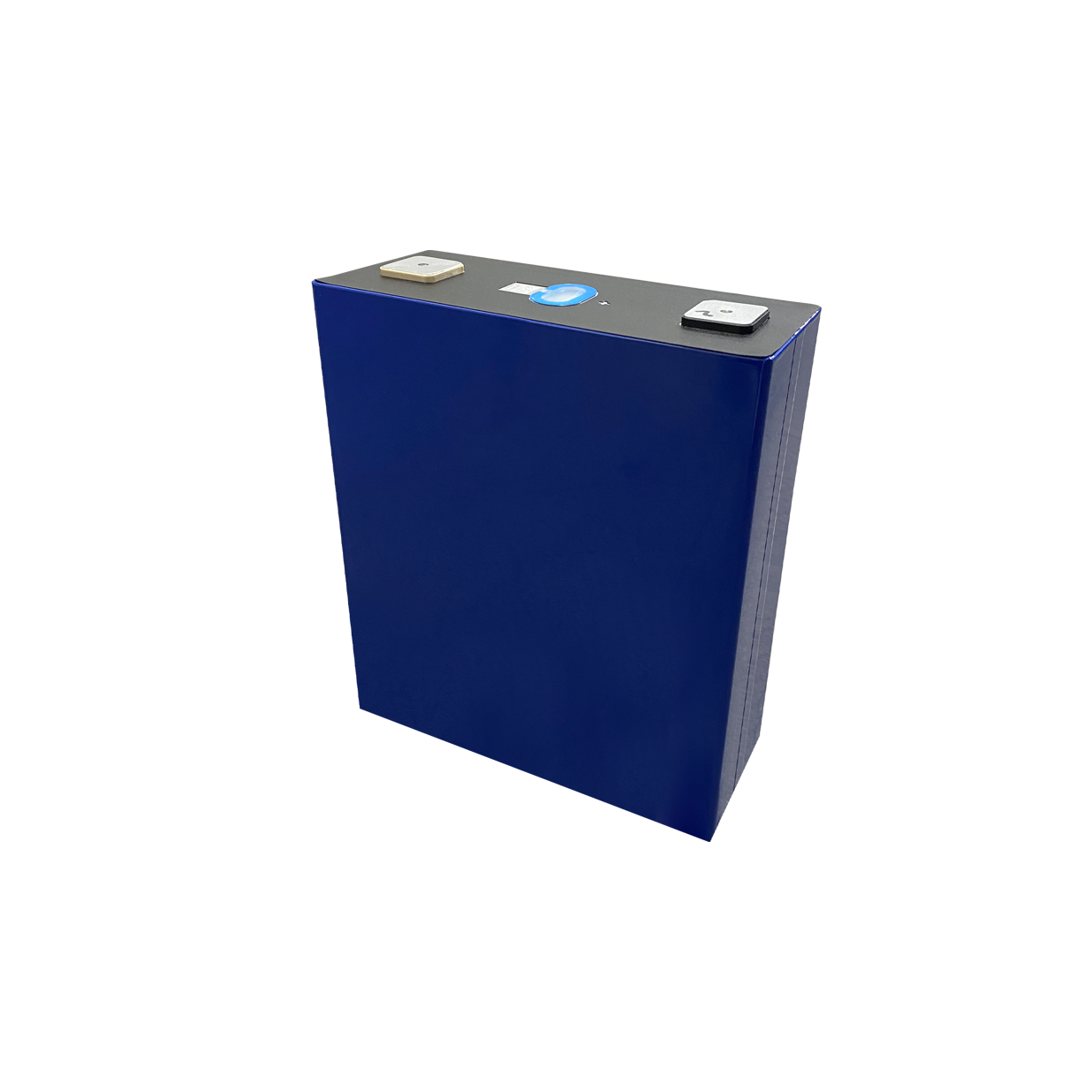
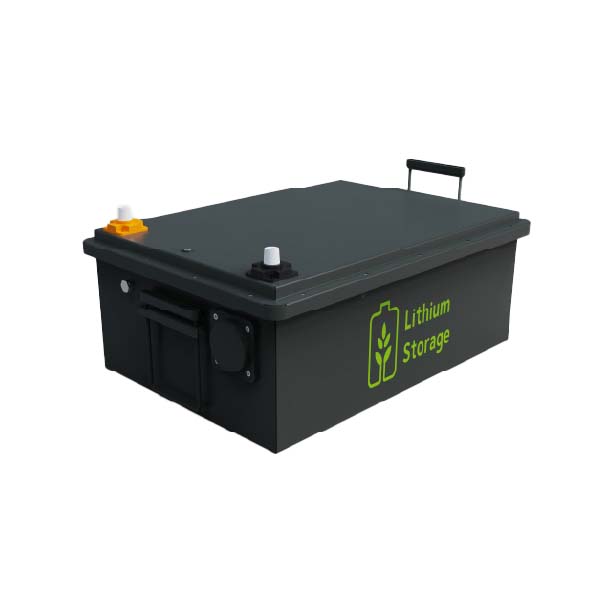
LITHIUM STORAGE's residential portfolio includes rack-mounted 48V50Ah and 48V100Ah systems and a wall-mounted 48V50Ah version. The modules can be expanded in parallel and support CAN, RS485 and RS232 communication with compatible PV inverters.
At approximately 51.2V nominal voltage, these systems are intended for residential-scale loads rather than industrial demand.
Common applications include:
Increasing rooftop-solar self-consumption
Overnight household power
Backup of essential circuits
Reducing dependence on the utility grid
A household inverter and battery system can therefore often be installed using standardized residential equipment.
How Large Is Container Energy Storage?
Containerized systems operate on another scale entirely.
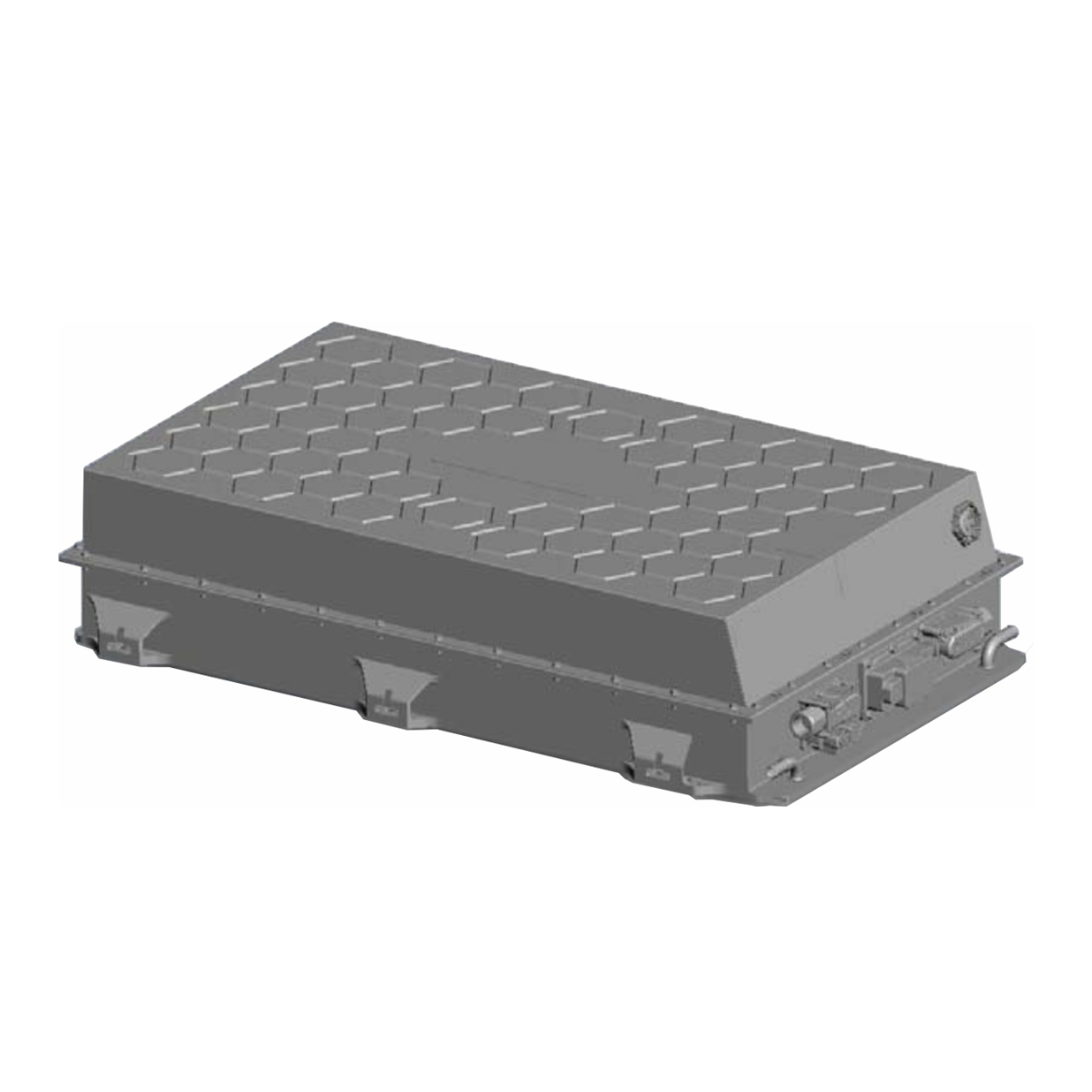
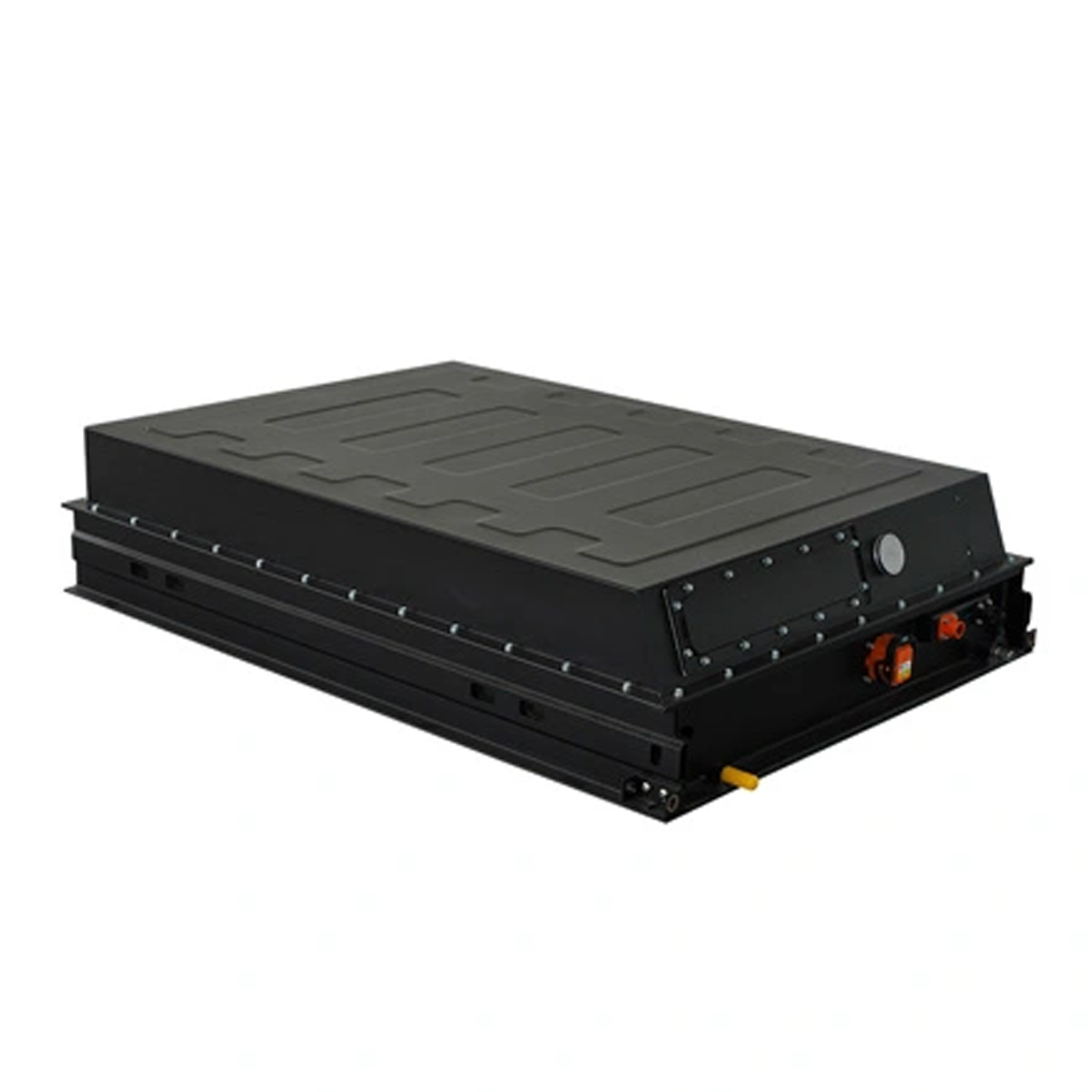
LITHIUM STORAGE's 20-foot DC-side container systems are available at 3.727MWh and 5.111MWh rated energy. They integrate battery racks, liquid cooling/heating, fire protection and electrical equipment in the container.
A 5.111MWh container stores more than one thousand times the energy of a small 5kWh residential battery.
The difference is not merely battery quantity. The electrical architecture is also different.
Container systems may require:
When Home Energy Storage Makes Sense
Residential storage is appropriate when the loads are measured in a few kilowatts rather than hundreds of kilowatts or megawatts.
For example, a home may want to cover:
The battery is usually paired directly with a compatible residential solar inverter.
LITHIUM STORAGE's home systems support multiple inverter communication interfaces and can be expanded by paralleling battery modules.
When a Container System Makes Sense
Container energy storage becomes relevant when the project moves into large industrial or utility-scale energy management.
Typical examples include:
LITHIUM STORAGE itself distinguishes residential systems as consumer-side storage and container systems as primarily grid-side or large-project storage.
Compare Power Requirement, Not Only Energy
Imagine two projects.
House:
Average evening load = 2kW
Required duration = 5 hours
Approximate delivered energy requirement:
2 × 5 = 10kWh
Factory:
Required peak reduction = 800kW
Peak period = 3 hours
Approximate delivered energy requirement:
800 × 3 = 2.4MWh
Both need lithium batteries, but the system architecture is completely different.
This is why a Container Energy Storage System Manufacturer normally begins project selection with:
kW + kWh + duration + grid connection + duty cycle
rather than simply battery capacity.
Do Industrial Facilities Always Need a Container?
No.
There is an important middle category between a home battery and a multi-MWh container: commercial and industrial energy storage cabinets.
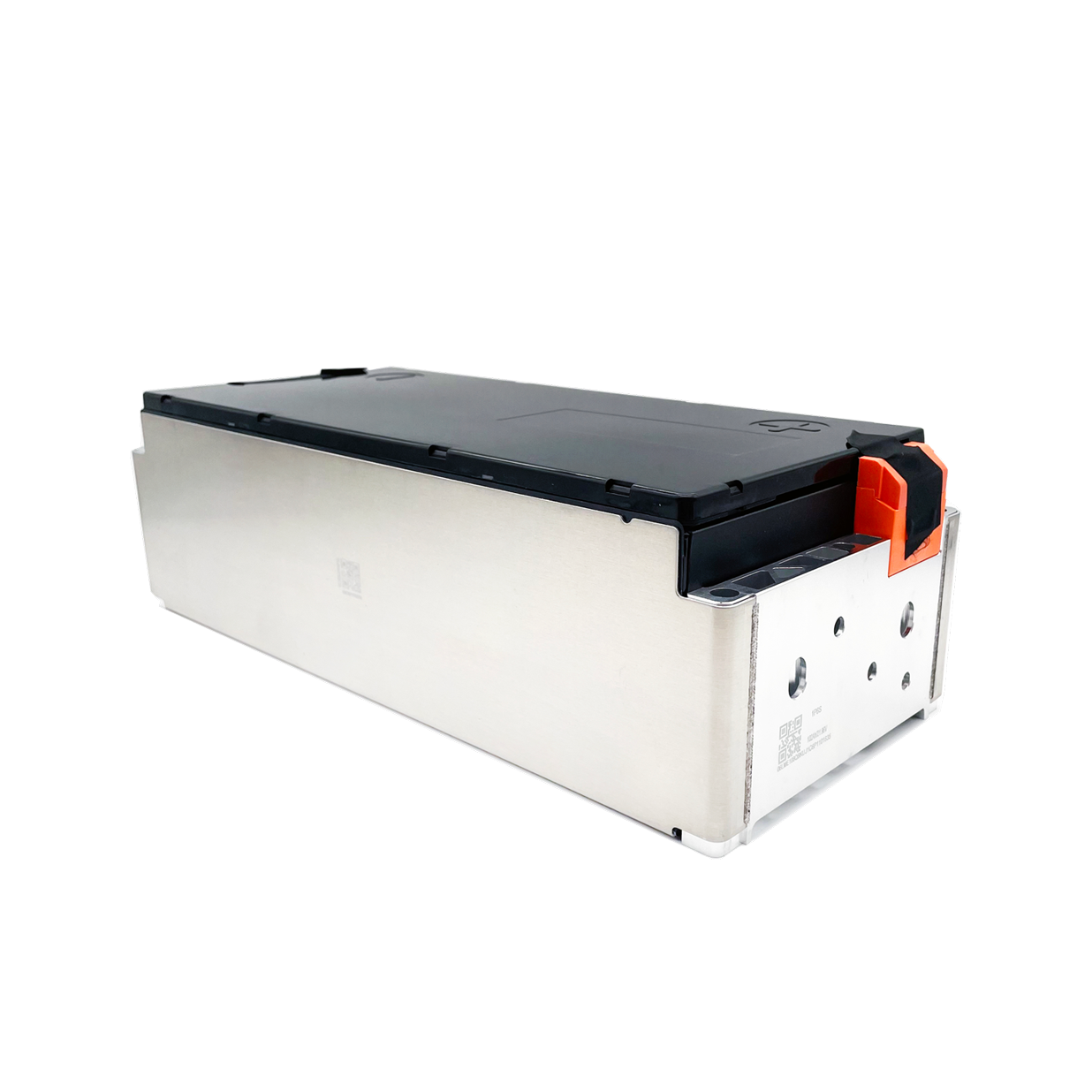
LITHIUM STORAGE currently offers integrated 100kW C&I systems with approximately 215kWh or 233kWh of storage. These combine battery packs, PCS, BMS, thermal management and fire protection inside a cabinet.
A small factory, office building, charging station or supermarket may therefore be better served by several C&I cabinets rather than a 20-foot container.
A useful scale decision is:
Residential load → home battery
Hundreds-of-kWh commercial project → C&I cabinet
Multi-MWh industrial/grid project → containerized BESS
Container Systems Offer Greater Site-Level Scalability
Large industrial projects may need several MWh today and substantially more later.
Containerized architecture allows projects to scale by adding standardized storage units, subject to PCS, transformer, switchgear and interconnection capacity.
LITHIUM STORAGE's container range offers two current 20-foot DC configurations at 3.727MWh and 5.111MWh.
This modularity is valuable in:
Thermal Management Is More Critical at Container Scale
A residential battery may contain a few modules.
A container contains thousands of cells concentrated within a compact enclosure.
This increases the importance of:
LITHIUM STORAGE's container systems use liquid cooling/heating and integrate fire-fighting equipment inside the DC container.
A Container Energy Storage System Manufacturer therefore supplies much more than a large battery box. Thermal and safety engineering are core parts of the product.
Which System Fits Your Project?
Choose home energy storage when:
Loads are residential.
Required capacity is measured in several to tens of kWh.
The main objectives are backup and solar self-consumption.
A residential inverter is being used.
Consider a C&I cabinet when:
Demand is tens or hundreds of kW.
Capacity is several hundred kWh.
The project involves a factory, office, charging station or commercial site.
Choose container storage when:
Energy requirements reach MWh scale.
Large renewable systems must be shifted over time.
Industrial peak demand is substantial.
Grid-level or microgrid operation is required.
Expansion and modular deployment are important.
LITHIUM STORAGE supplies systems across these levels, from standardized residential batteries to C&I cabinets and 20-foot multi-MWh DC containers.
The correct decision therefore comes down to load size, required discharge power, duration, grid architecture and project economics rather than choosing a container simply because it provides more storage.