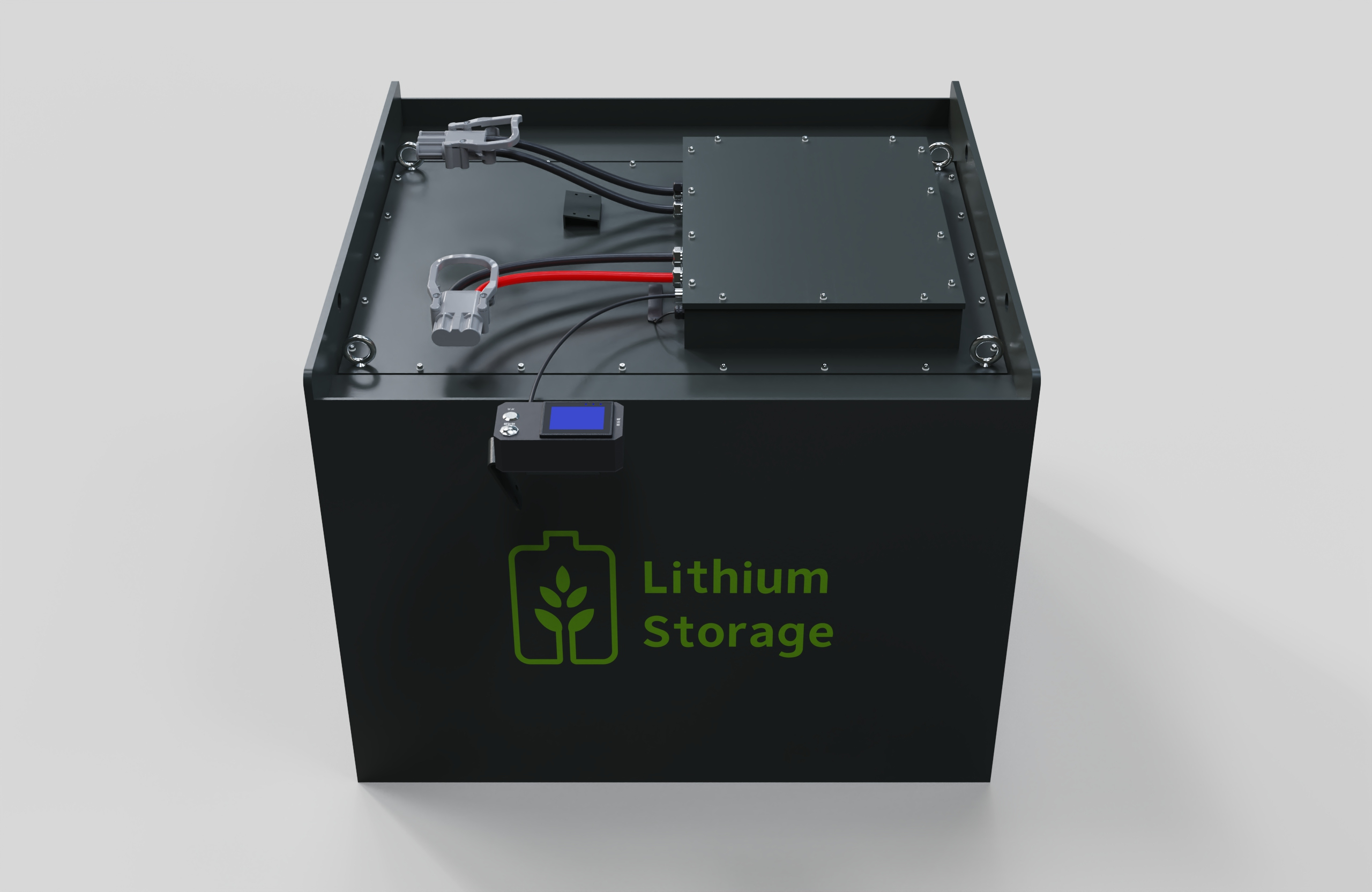
Industrial and commercial facilities increasingly use battery energy storage to control electricity costs, integrate solar generation, provide backup power, and reduce dependence on the grid during peak-demand periods. At the center of these systems is the industrial lithium battery—but the battery cell alone is only one part of a complete energy storage architecture.
A commercial BESS normally progresses from cell → battery module or energy storage block → battery cabinet or rack → PCS → EMS → complete energy storage system. Each level performs a different function, from storing electrical energy to controlling when and how that energy is delivered.
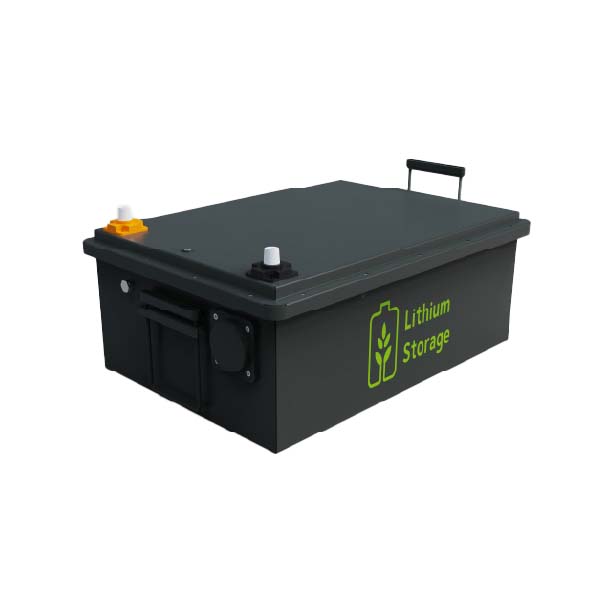
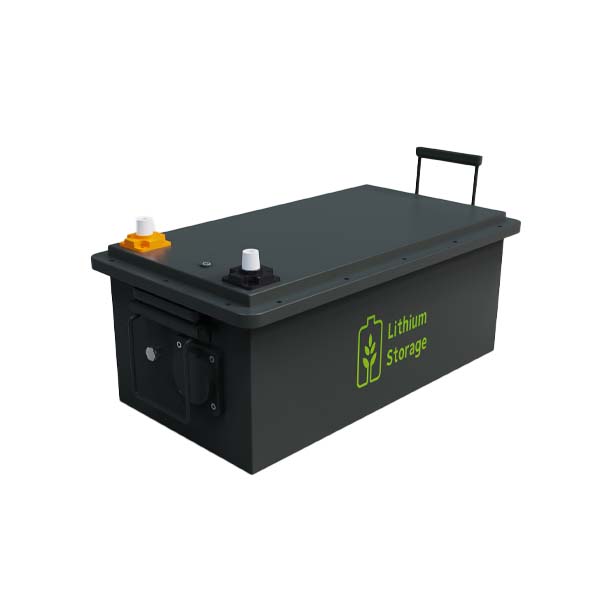
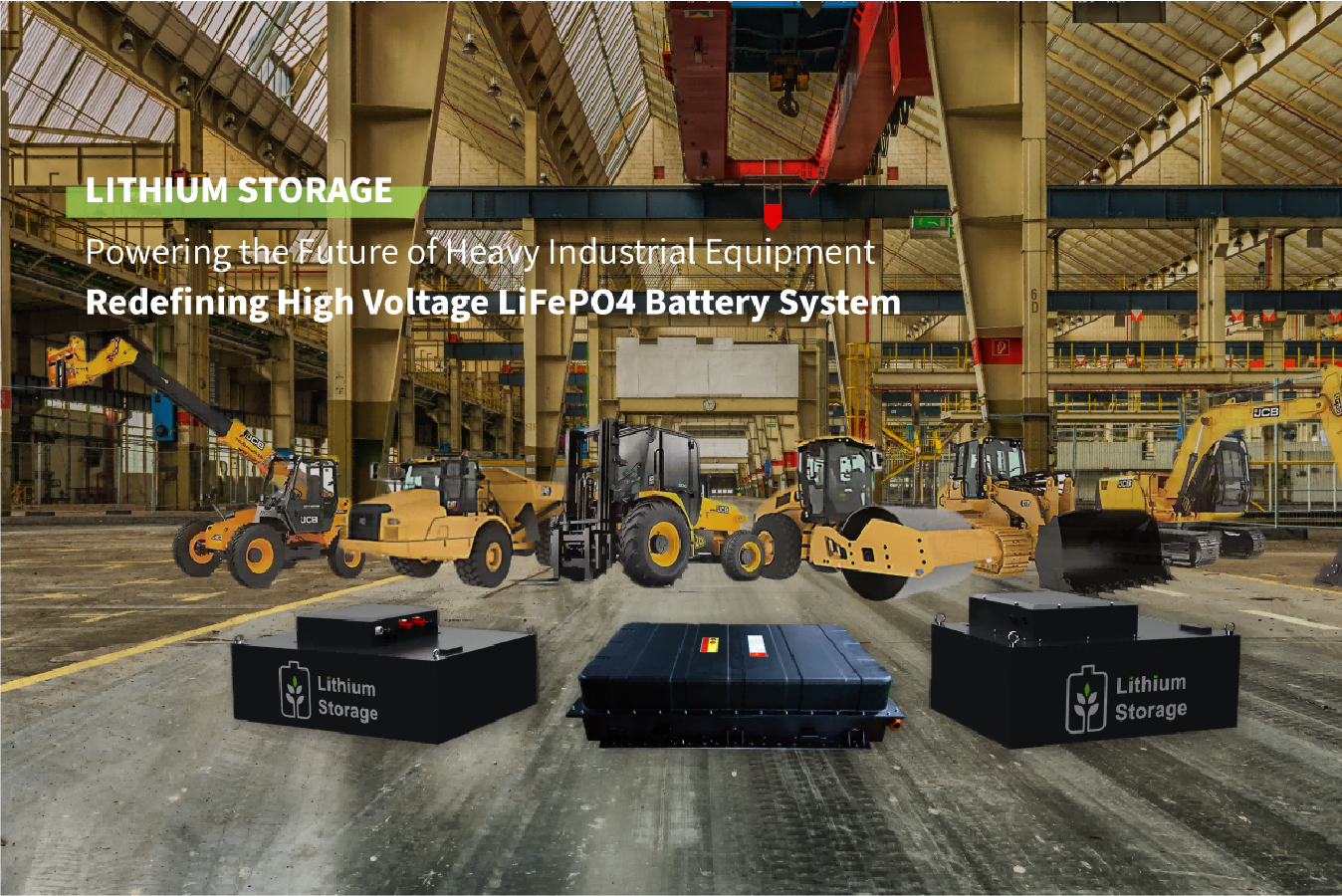
LITHIUM STORAGE provides battery cells, air- and liquid-cooled energy storage blocks, commercial and industrial cabinets, and containerized DC-side systems. This allows a Battery Energy Storage System Manufacturer to build systems for projects ranging from individual commercial facilities to multi-MWh industrial or grid-side applications.
What Does an Industrial Lithium Battery Actually Do in a BESS?
A lithium battery stores electricity as chemical energy during charging and converts it back into electrical energy when discharged.
For a factory, warehouse or commercial building, this makes it possible to separate when electricity is generated or purchased from when it is actually consumed.
For example:
Low-price period: Grid electricity charges the battery.
High-price period: The battery supplies part of the facility load.
Or:
Midday: Rooftop solar generates more electricity than the factory currently needs.
Evening: Stored solar energy is discharged after PV production falls.
The U.S. Department of Energy identifies peak shaving, load shifting and resilience as common BESS functions. Batteries can reduce instantaneous peak demand, move consumption away from high-price periods and support critical loads during interruptions.
From Battery Cell to Commercial Energy Storage System
A commercial battery system contains several engineering layers.
| System Level | Primary Function |
|---|
| Lithium battery cell | Stores electrochemical energy |
| Module / energy storage block | Groups cells into a standardized DC unit |
| BMS | Monitors voltage, current, temperature and battery status |
| Battery cabinet / rack | Combines multiple storage blocks |
| PCS | Converts DC battery power to/from AC |
| EMS | Determines charging and discharging strategy |
| Thermal management | Controls battery temperature |
| Fire protection | Detects and responds to abnormal thermal events |
| Container / enclosure | Integrates equipment for site deployment |
This architecture is important because commercial energy storage performance depends on far more than cell capacity.
LFP Cells Are Common in Stationary Industrial Storage
Lithium-ion is a family of chemistries rather than a single battery type. Two important chemistries are lithium iron phosphate, or LFP, and nickel manganese cobalt, or NCM.
For modern stationary storage, LFP has become particularly important. The U.S. Department of Energy notes that recent grid-scale installations increasingly use LFP because of its lower cost, better cycle performance and greater thermal stability compared with higher-energy-density NMC chemistries.
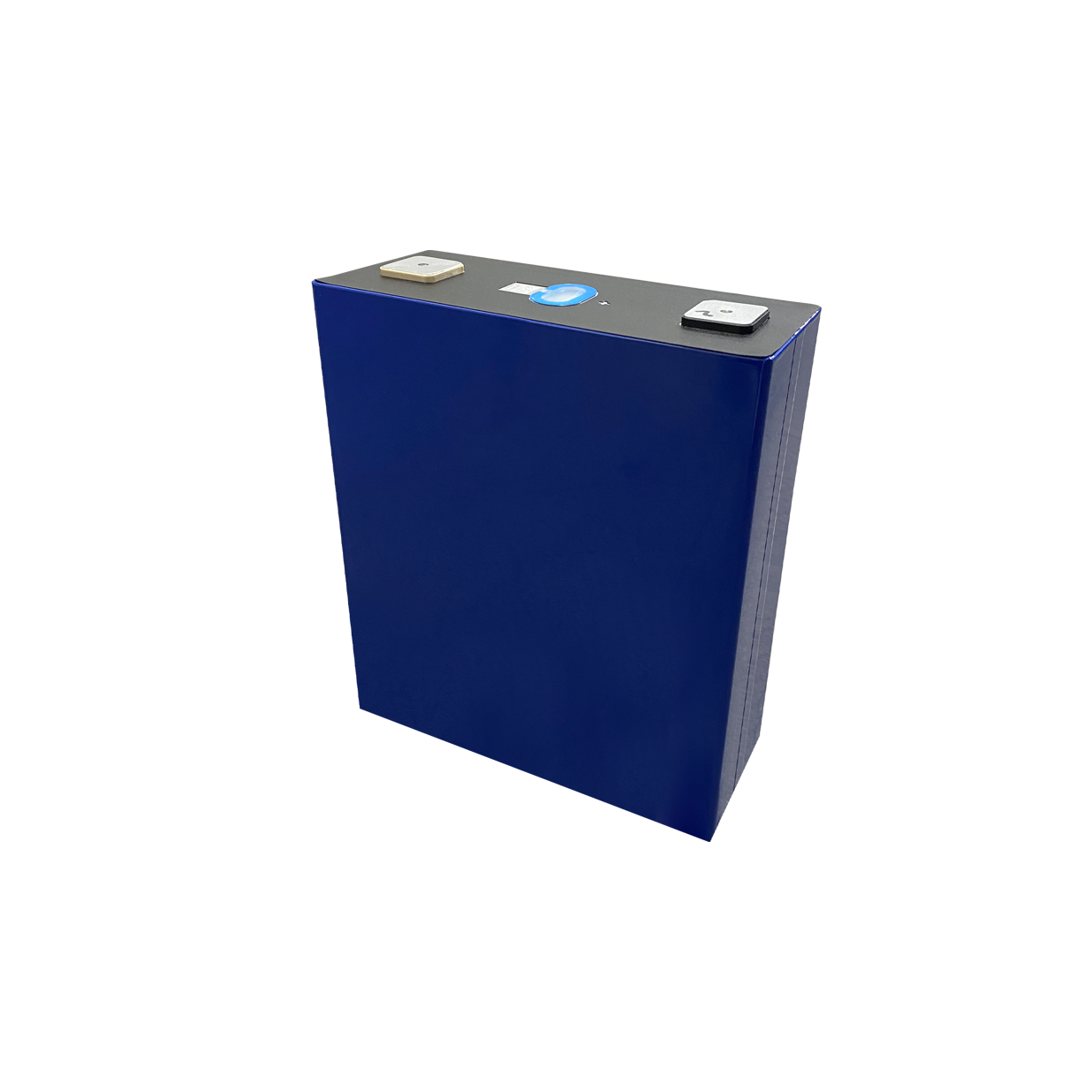
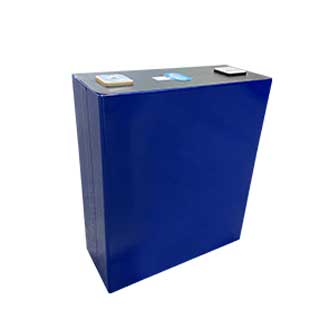
LITHIUM STORAGE produces LFP cells from 40Ah to 302Ah. Its deep-cycle 280Ah product is specifically positioned for energy storage and is rated for 6,000 cycles under the manufacturer's stated test conditions.
Cell chemistry, however, is only the starting point. A safe industrial system also requires appropriate BMS control, thermal management, electrical protection and fire-suppression design.
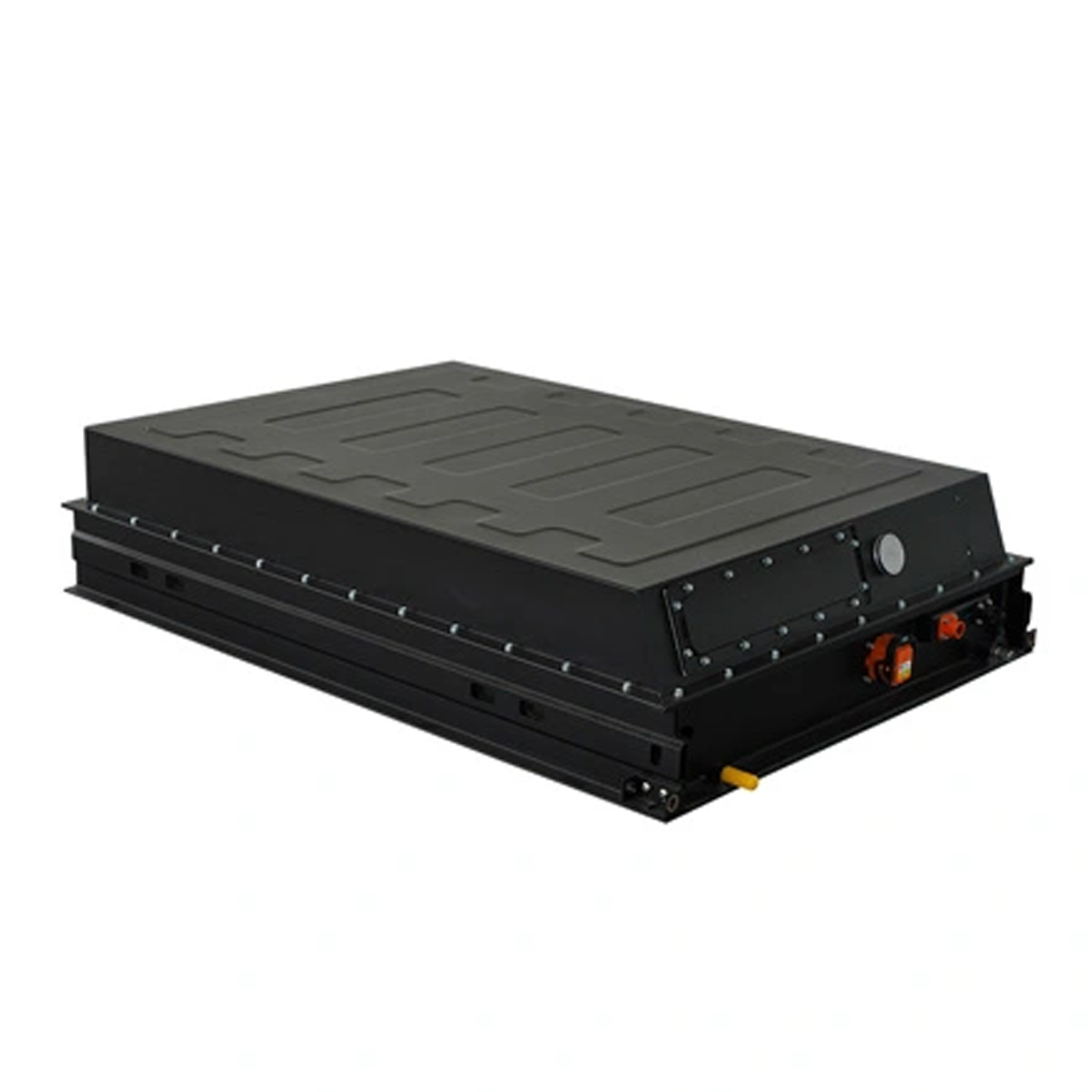
Energy Storage Blocks Create a Scalable Battery Platform
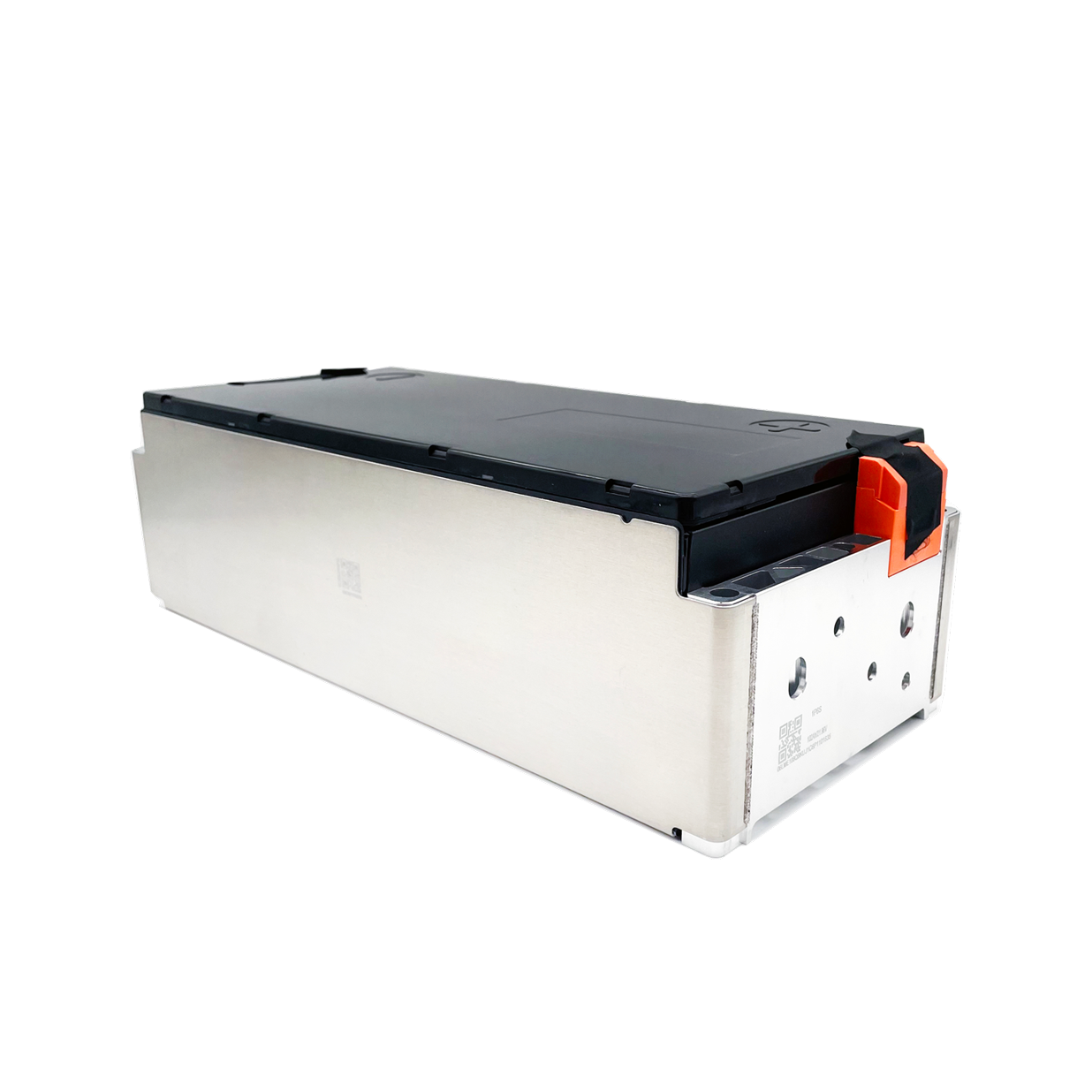
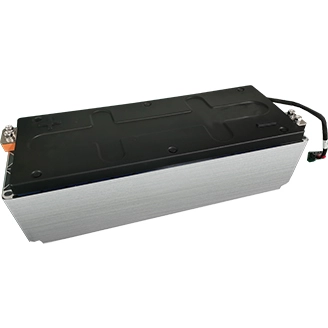
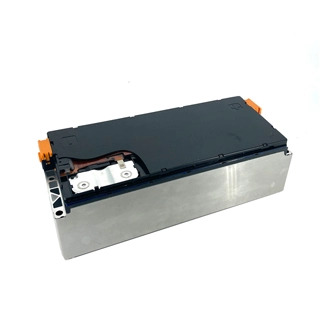
An energy storage block is the basic battery unit used to construct larger systems.
LITHIUM STORAGE describes its storage blocks as standardized units that can be connected in series and parallel to form larger energy storage systems. Its current portfolio includes air-cooled and liquid-cooled designs.
For example:
| LITHIUM STORAGE Block | Rated Energy | Cooling |
|---|
| LS280-1P16S | 14.336kWh | Air |
| LS280-1P24S | 21.504kWh | Air |
| LS280-1P48S | 43.008kWh | Liquid |
| LS280-1P52S | 46.592kWh | Liquid |
| LS320-1P104S | 106.496kWh | Liquid |
The air-cooled and liquid-cooled block families specify battery energy efficiency of at least 94% at 0.5P and room temperature. Selected products also state 6,000-cycle life under defined temperature, C-rate and remaining-capacity conditions.
This modular structure helps system integrators increase capacity without redesigning the battery architecture from the cell level for every project.
Commercial Energy Supply Cabinets Add Power Conversion
The next step is an integrated cabinet.
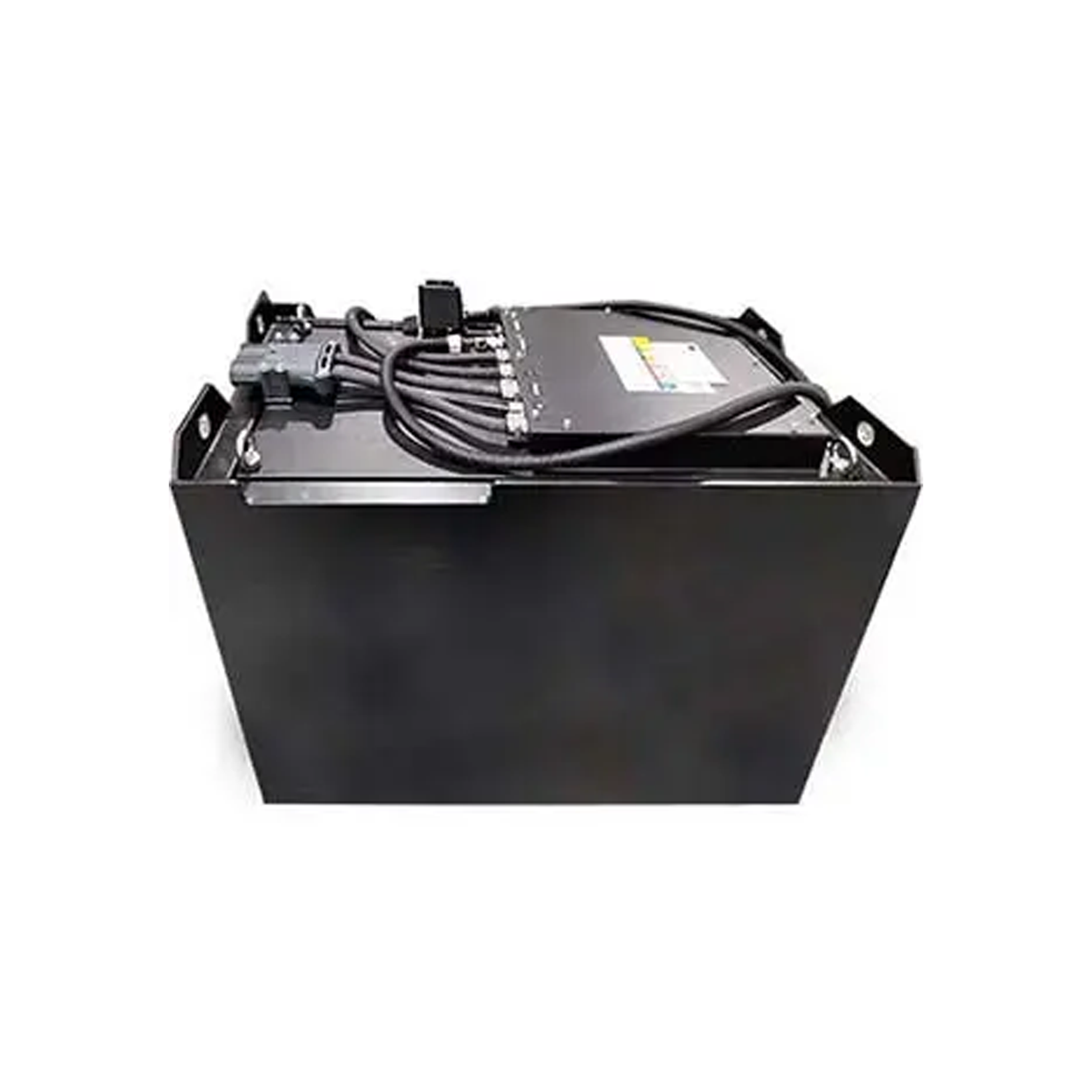
LITHIUM STORAGE's commercial and industrial energy supply cabinets combine battery packs with a PCS, thermal management, fire protection and BMS. The company's EMS can then implement functions such as energy arbitrage, capacity expansion and solar integration.
Its current examples include:
| Cabinet | Rated Power | Rated Energy | Cooling |
|---|
| LS215A | 100kW | 215.04kWh | Air |
| LS215L | 100kW | 215.04kWh | Liquid |
| LS232L | 100kW | 232.96kWh | Liquid |
The liquid-cooled systems specify PCS efficiency up to 98% and overall system efficiency above 88%.
A 100kW/215kWh configuration, for example, has roughly two hours of nominal energy duration at rated power before considering usable SOC limits, losses and project-specific reserve requirements.
Power and Energy Are Different Specifications
A common mistake in BESS procurement is focusing on kWh without considering kW.
kW = how much power the system can deliver at one moment.
kWh = how much energy it can deliver over time.
For example:
A factory needs to reduce grid demand by 100kW for two hours.
Required delivered energy is approximately:
100kW × 2h = 200kWh
A 100kW/50kWh system has enough power but insufficient energy.
A 50kW/250kWh system has enough energy but cannot shave a 100kW peak.
Both specifications therefore have to match the application.
Containerized Systems Extend Storage into the MWh Range
For larger projects, batteries are commonly installed in containerized systems.
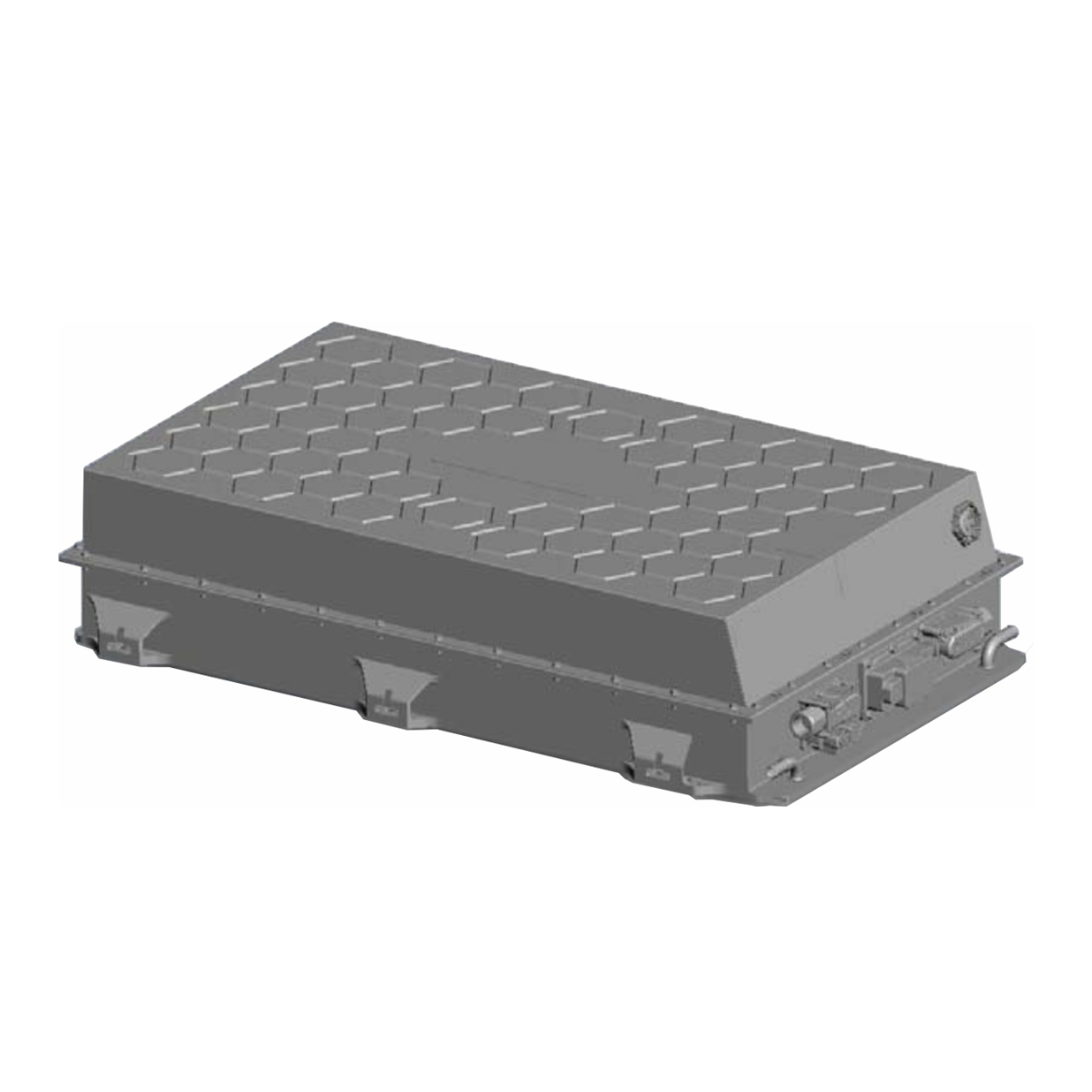
LITHIUM STORAGE's current 20-foot DC-side container range includes:
3.727MWh configuration
5.111MWh configuration
Both integrate battery racks, liquid cooling, fire-fighting equipment and an electrical cabinet inside the container.
The containers support CAN, RS485 and TCP/IP communication and use liquid cooling/heating. Their published ambient-temperature ranges extend from approximately -30°C up to 55°C or 60°C depending on configuration.
Because these are specified as DC-side systems, PCS, transformer, switchgear and grid-connection equipment may still be part of the wider project scope.
What Can Commercial BESS Be Used For?
The same battery hardware can provide very different value depending on the EMS control strategy.
Peak Shaving
The battery discharges when factory demand approaches an expensive peak.
This can reduce maximum grid demand where utility tariffs contain demand charges.
Time-of-Use Arbitrage
Charge when electricity prices are lower and discharge when electricity prices are higher.
Solar Self-Consumption
Store PV generation that would otherwise be exported or curtailed and use it later.
Backup and Resilience
Maintain selected critical loads during grid outages, subject to PCS architecture, transfer equipment and system design.
EV Charging Support
The battery can buffer high-power charging loads, reducing sudden demand placed on the site electrical connection.
Microgrid Operation
BESS can work with solar, generators and other distributed resources as part of a controlled local energy system.
Commercial organizations are increasingly deploying storage for load shifting, peak-demand reduction and operational reliability rather than viewing batteries only as emergency backup.
Thermal Management Matters in Industrial Duty
Industrial energy storage systems may charge and discharge every day for many years.
Battery temperature therefore has a direct effect on lifetime and system availability.
Air cooling can be practical for moderate-density systems where simplicity and cost are priorities.
Liquid cooling becomes more attractive as energy density rises or tighter battery-to-battery temperature control is required.
LITHIUM STORAGE offers both approaches. Its liquid-cooled battery blocks are IP67-rated and its commercial liquid-cooled cabinets operate with integrated thermal management.
The right choice depends on:
Ambient temperature
C-rate
Energy density
Installation space
Maintenance strategy
Expected daily cycling
How to Specify a Commercial Battery System
Before requesting a proposal from a Battery Energy Storage System Manufacturer, define the operating requirement first.
Provide:
Maximum facility demand in kW
15-minute or finer load profile
Daily electricity consumption
Utility tariff
Required peak reduction
PV capacity and generation profile
Required backup loads
Required backup duration
Available installation area
Ambient temperature
Grid voltage
Desired system life
Expected cycles per day
The battery manufacturer can then determine whether the project is better suited to an energy storage block, integrated C&I cabinet or containerized architecture.
Industrial Lithium Batteries Are the Foundation, Not the Entire BESS
A successful commercial BESS is not simply a large lithium battery.
It is an integrated system in which cells store energy, blocks provide modular capacity, the BMS protects the battery, the PCS controls power conversion, the EMS decides when energy moves, and thermal/fire systems maintain safe operating conditions.
LITHIUM STORAGE's energy storage portfolio follows this hierarchy, from LFP cells through air- and liquid-cooled blocks, 100kW-class commercial cabinets and 20-foot multi-MWh DC containers.
When selecting a Battery Energy Storage System Manufacturer, evaluate the complete architecture around the battery—not only nominal kWh. The system must be sized around the facility's load curve, required power, discharge duration, tariff structure, renewable generation and long-term operating strategy.