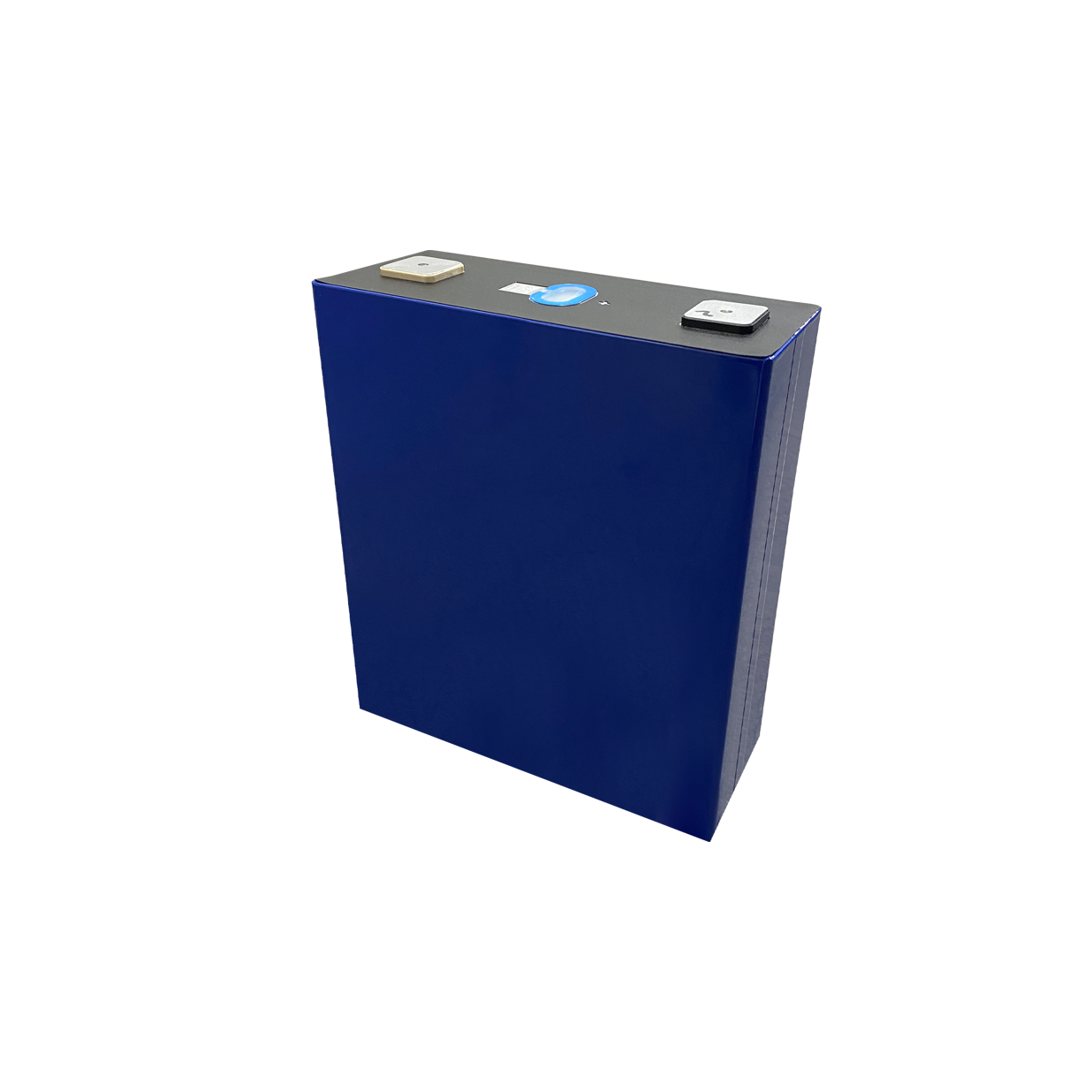
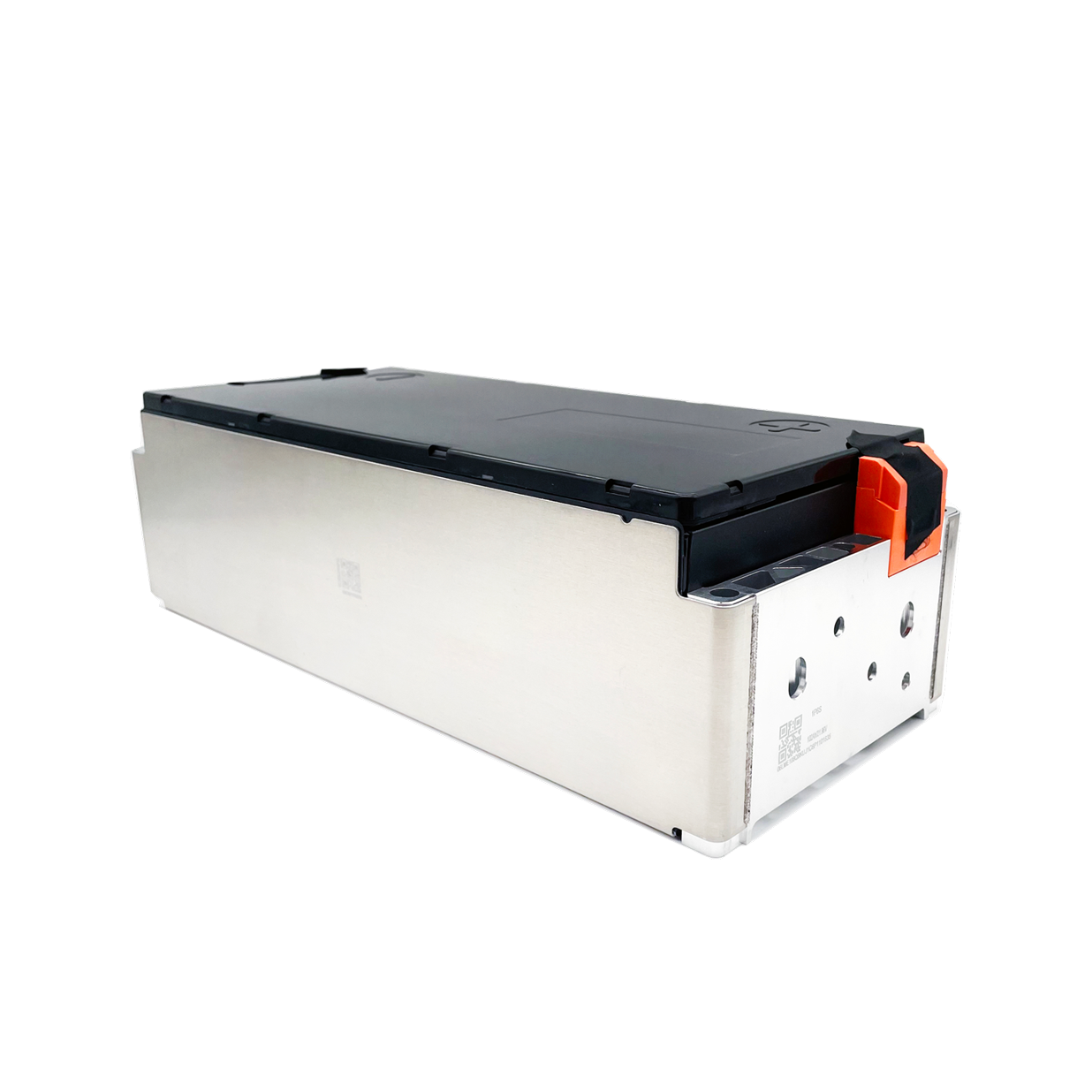
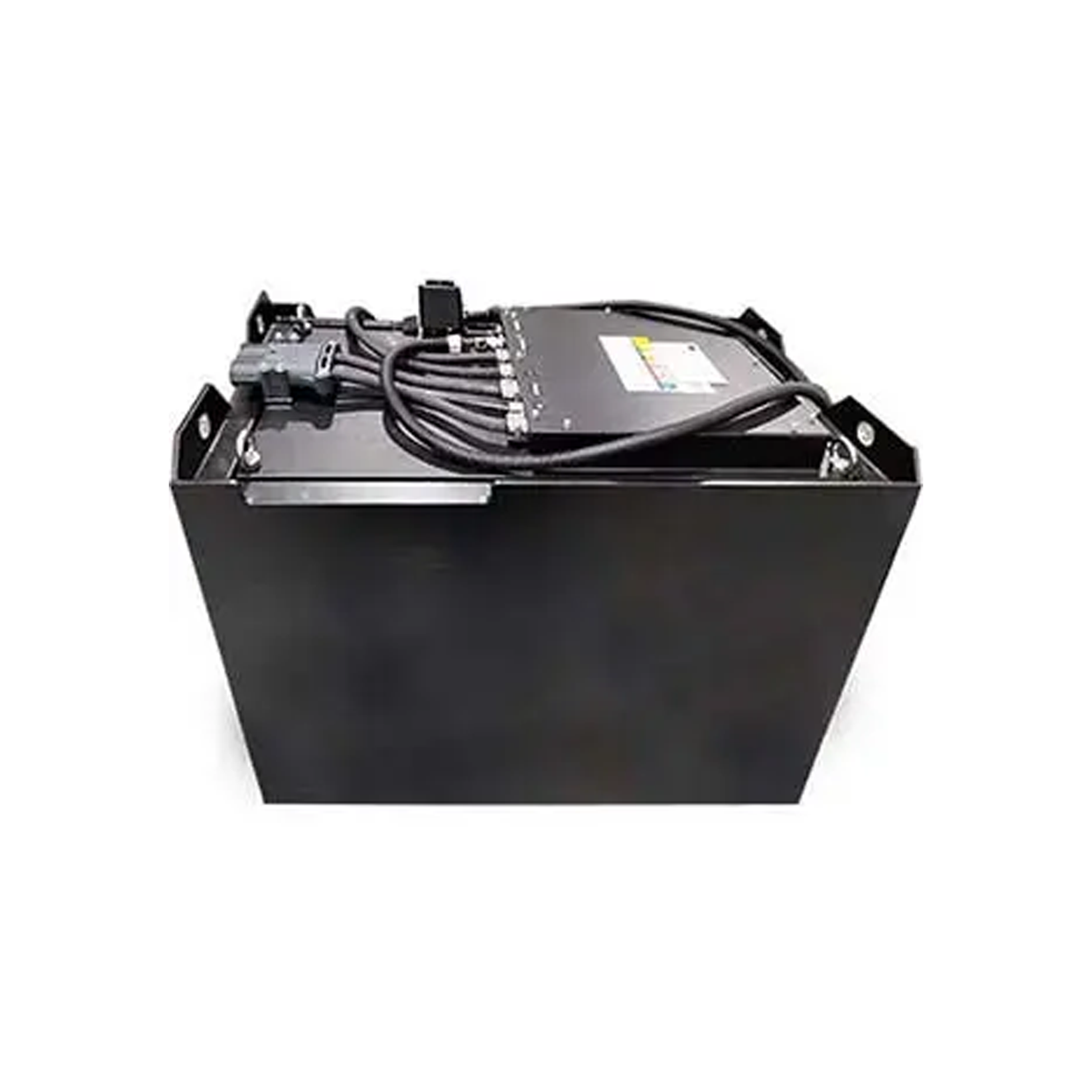
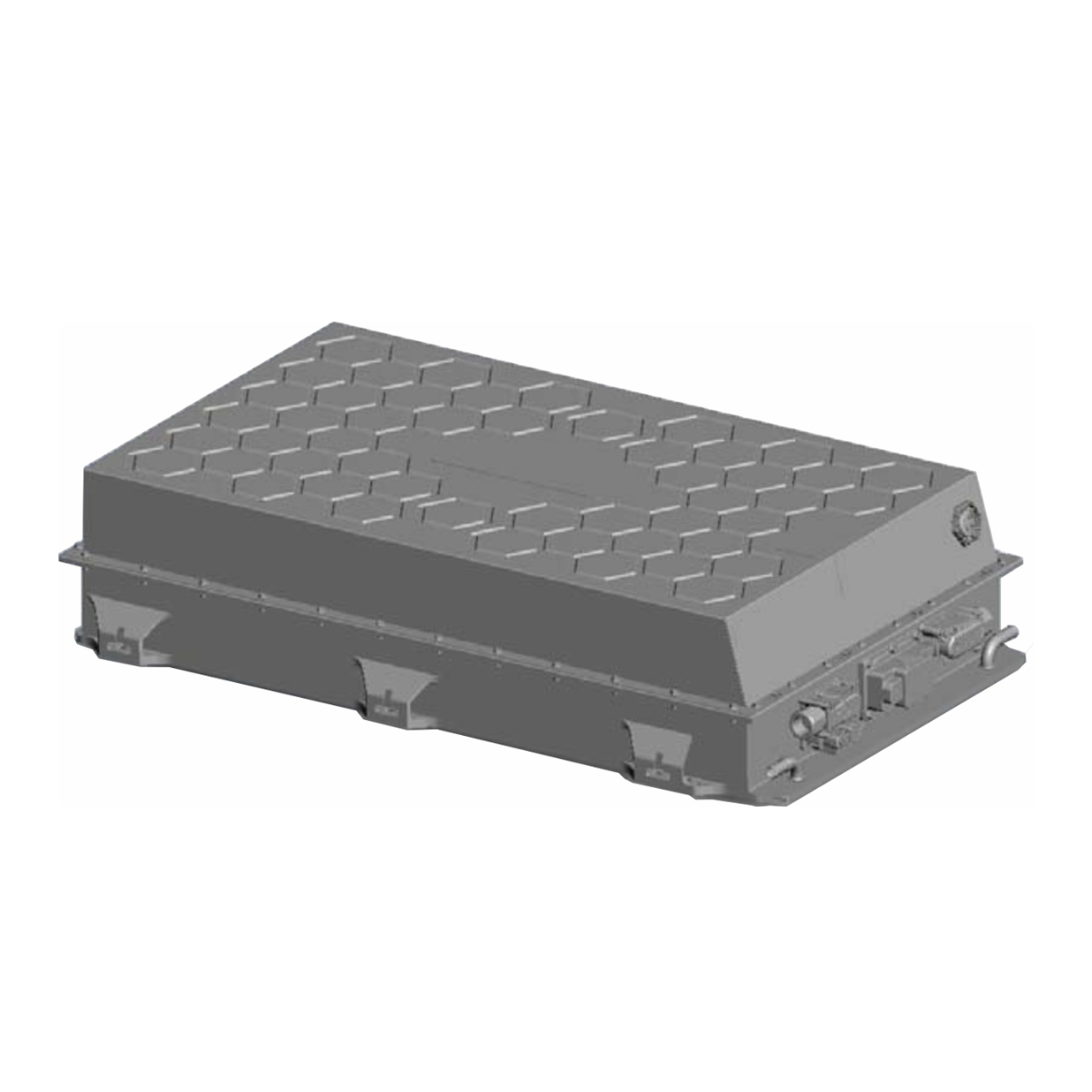
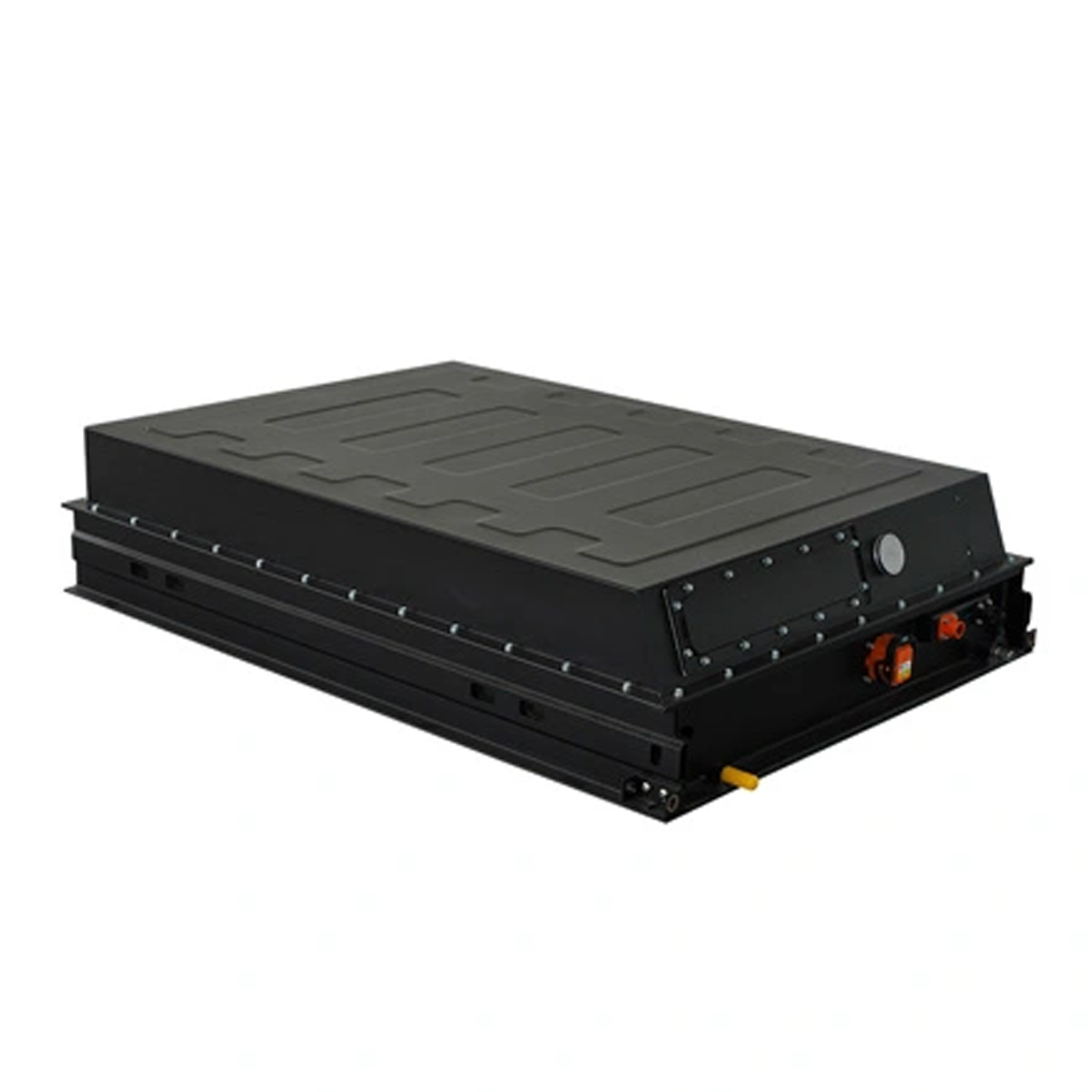
Selecting the correct Hyster Forklift Battery starts with voltage. Hyster electric forklifts are available across several electrical architectures, and even trucks with similar lifting capacities may use 36V, 48V or 80V systems.
A higher voltage should never be treated as a simple upgrade. The forklift's traction motor, hydraulic motor, controller, contactors, wiring and charging system are engineered around a particular electrical platform.
Start with the Hyster Data Plate
Before contacting a battery supplier, record:
Do not order a battery based only on truck lifting capacity.
For example, Hyster's E30–40XN series can use 36V/1200Ah or 48V/1000Ah configurations depending on model and specification.
Meanwhile, the larger E80–120XN platform can use 36V, 48V or 80V battery systems.
36V Hyster Battery Applications
36V remains common in many existing Hyster electric fleets.
Examples include selected:
Hyster's J30–40XNT series lists 36V options from approximately 880Ah to 1100Ah as well as 48V alternatives.
If the data plate specifies 36V, the lithium replacement should normally remain in the same electrical class.
48V Hyster Battery Applications
48V is widely used in medium-duty Hyster electric forklifts.
Examples include the E30–40XN and J30–40XN families, both of which offer 48V configurations.
A LiFePO4 replacement in this class will commonly have a nominal voltage around 51.2V.
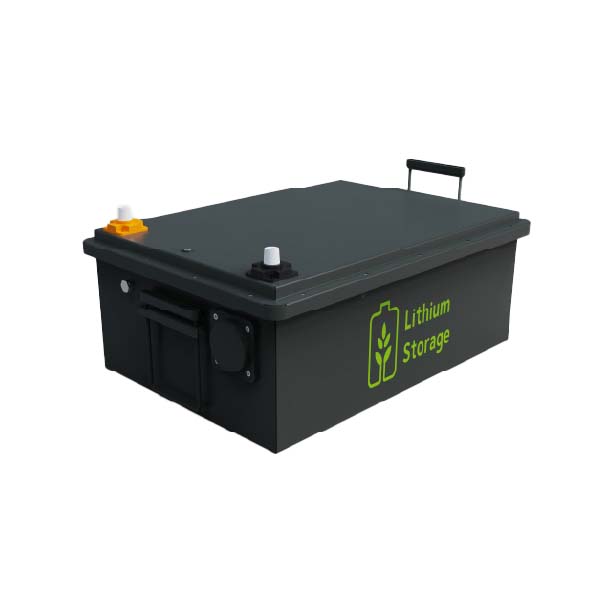
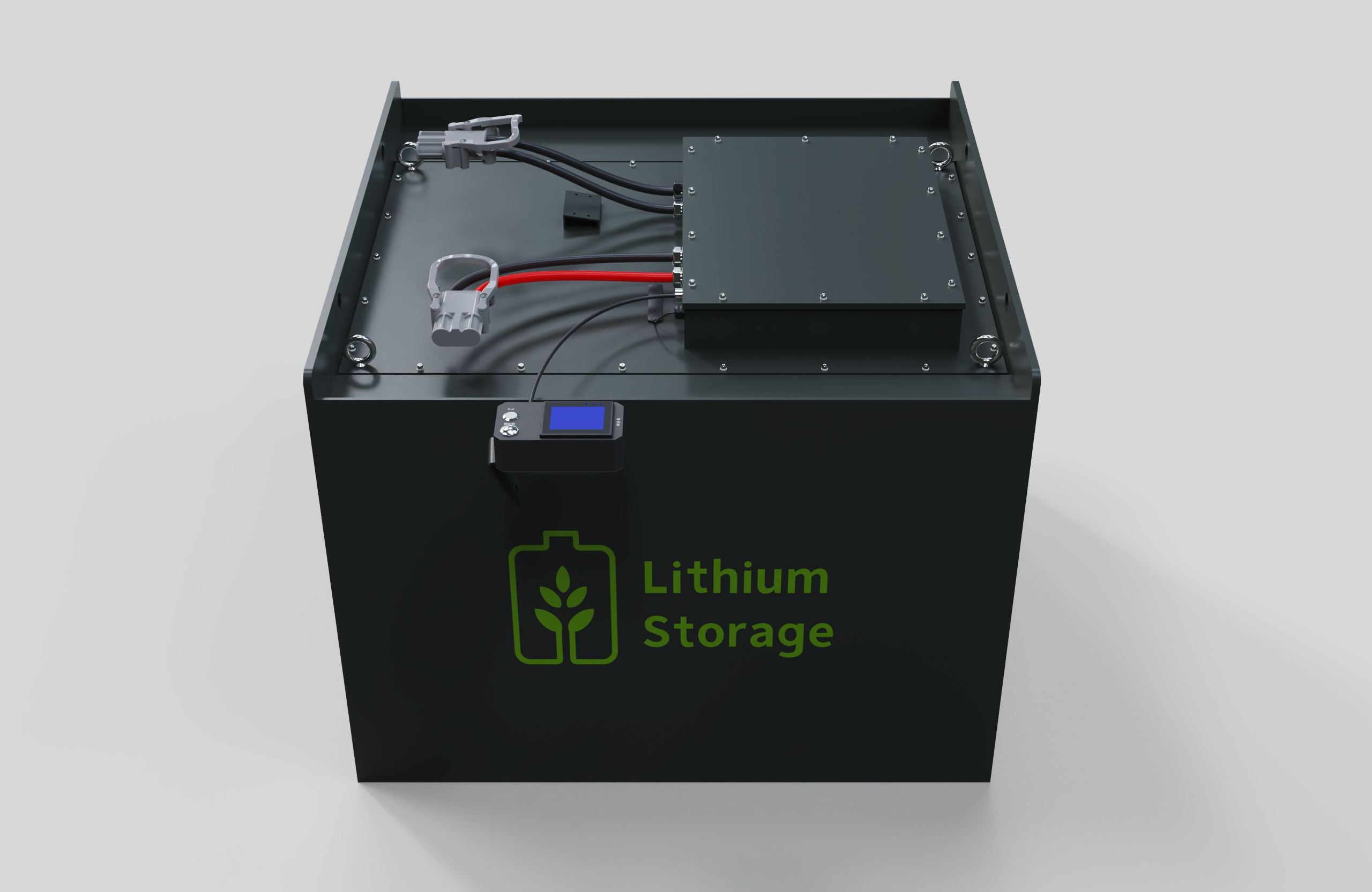
LITHIUM STORAGE's 48V forklift battery range includes multiple capacities and a 560Ah Smart FLT configuration specifically marketed for applications including Yale-Hyster trucks.
80V Hyster Battery Applications
Larger counterbalance forklifts may use 80V electrical systems.
Hyster's E80–120XN models, for example, list 80V/1000Ah configurations alongside 36V and 48V alternatives.
The newer E45–70XN2 platform can also be configured with 36V, 48V or 80V systems.
An 80V-class LFP replacement typically uses a nominal pack voltage around 83.2V.
Integrated Lithium Trucks May Use Different Architectures
Some Hyster forklifts are designed specifically around lithium technology.
The J40XNTL, for example, lists integrated lithium battery configurations including 48V/420Ah and 96V/210Ah.
This reinforces why buyers should never assume that all forklifts within a certain capacity class use the same battery voltage.
Why Can't You Simply Upgrade from 48V to 80V?
Because the battery is only one component of the electrical system.
Moving from 48V to 80V can affect:
Motor voltage
Controller limits
Contactors
DC/DC converters
Wiring insulation
Chargers
Vehicle electronics
Unless the exact Hyster model is factory engineered for both configurations and the conversion is approved, changing voltage is not a normal battery retrofit.
The safe rule is:
Match the lithium battery to the voltage specified for the existing truck.
Voltage Is Not the Same as Runtime
A higher-voltage battery does not automatically provide longer runtime.
Runtime is determined mainly by stored energy:
kWh = nominal voltage × Ah ÷ 1,000
A 48V battery with high Ah capacity may store more energy than an 80V battery with a much smaller Ah rating.
When choosing a Hyster Forklift Battery, compare:
Usable kWh
Continuous current
Peak current
Shift length
Charger power
rather than voltage alone.
Check Battery Weight and Dimensions
Hyster battery compartments also vary by model.
The E45–70XN2 technical guide lists different battery compartment lengths depending on truck capacity and configuration, reinforcing the need to measure the actual truck.
Battery weight is also important on counterbalance forklifts because it contributes to stability.
A lithium replacement may require ballast even if its electrical capacity is correct.
Verify Hyster CAN Communication
Hyster's current lithium battery systems are designed as an integrated ecosystem in which the truck, battery and charger communicate.
For a third-party replacement, verify:
LITHIUM STORAGE supports vehicle CAN communication and charger commissioning on its Smart FLT products.
Hyster Battery Voltage Selection Checklist
| Step | What to Verify |
|---|
| 1 | Hyster model and serial number |
| 2 | Original battery voltage |
| 3 | Required usable kWh |
| 4 | Continuous and peak current |
| 5 | Compartment dimensions |
| 6 | Required battery weight |
| 7 | Connector specification |
| 8 | Vehicle CAN protocol |
| 9 | Lithium charger compatibility |
The right Hyster Forklift Battery is therefore not selected by asking whether 36V, 48V or 80V is “better.” It is selected by identifying the electrical platform Hyster engineered into the exact truck and then matching lithium capacity, current, weight, communication and charging around that architecture.