Yale and Hyster are both major material-handling brands with increasingly sophisticated lithium-ion power options. For buyers comparing a Yale Forklift Battery with a Hyster battery, the most important point is that the latest OEM lithium systems from the two brands are actually very similar in chemistry, warranty structure and battery-management philosophy.
Both brands now offer purpose-built LFP lithium-ion batteries, charger integration, telemetry connectivity and modular service strategies. Consequently, the better option usually depends less on battery chemistry and more on the forklift model, application and dealer support.
Yale vs Hyster Lithium Battery Overview
| Factor | Yale | Hyster |
|---|
| Main OEM lithium chemistry | LFP | LFP |
| Maintenance | No routine battery maintenance | No routine battery maintenance |
| Opportunity charging | Supported | Supported |
| Battery/truck integration | Yes | Yes |
| Charger communication | Proprietary CAN | Proprietary CAN |
| Telemetry | Yale Vision / Battery Vision | Hyster Tracker |
| Typical warranty condition | Up to 60 months / 3,000 cycles / 10,000 hours under stated temperature conditions | Same published structure |
| Modular service approach | Supported | Supported |
Yale states that its current lithium batteries use LFP chemistry for thermal stability, long life and repeated charge/discharge performance. Hyster makes essentially the same chemistry choice and highlights LFP's temperature tolerance and cycling advantages.
Battery Longevity: There Is No Meaningful Brand Winner on Paper
Yale publishes a warranty guaranteeing 75% state of health for up to 60 months, 3,000 cycles or 10,000 operating hours, whichever comes first, when lifetime average battery temperature remains at or below 95°F. The warranty cycle/hour limits decrease when lifetime average battery temperature increases.
Hyster publishes essentially the same warranty thresholds for its current LFP battery platform.
That tells buyers something important:
temperature and duty cycle matter more to battery longevity than the Yale or Hyster badge.
A Yale forklift battery that remains at moderate temperature and receives well-managed opportunity charging may outperform a poorly operated Hyster battery—and vice versa.
Performance Depends on Voltage and Capacity
Both brands offer forklifts across several electrical platforms.
For example, Yale's ERC45–70VG2 counterbalance family lists 36V, 48V and 80V battery options across multiple models.
Hyster's comparable E45–70XN2 family likewise offers 36V, 48V and 80V electrical architectures.
Therefore, a buyer should not compare a 48V Yale Forklift Battery with an 80V Hyster system and conclude that one brand is inherently more powerful.
Power capability depends on:
Both Brands Use Integrated Battery Management
Yale's BMS monitors battery voltage, module temperature and current and communicates with the charger using CAN. Yale Battery Vision can report SOC, temperature events, energy consumption, faults and charging/usage information.
Hyster uses a similar architecture. Its BMS continuously monitors cell voltage, module temperature and overall pack current, and Hyster Tracker can collect information such as SOC, energy use and battery fault events.
From a fleet-management perspective, both brands therefore provide strong monitoring capability.
Charging Compatibility Is a Major Consideration
One area where buyers should be especially careful is charging.
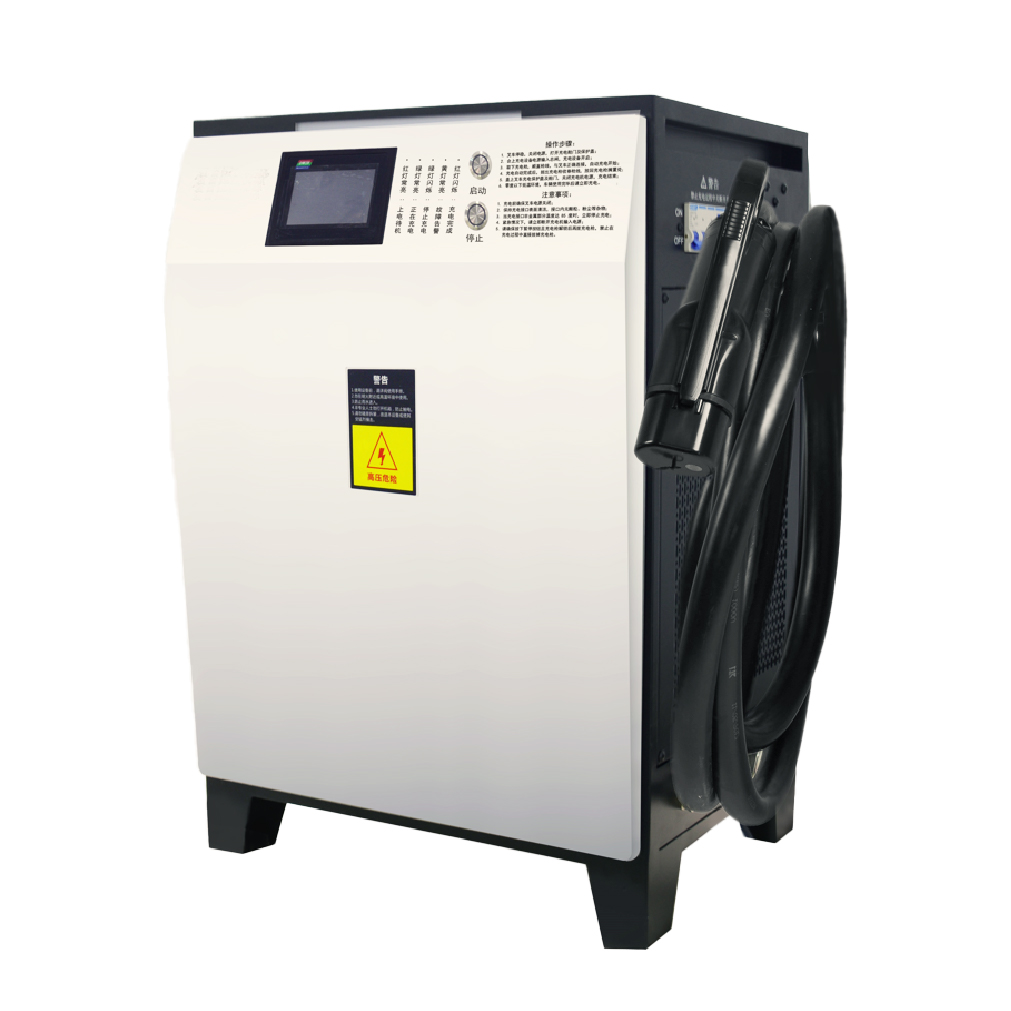
Yale states that its batteries use a custom Yale CAN protocol and currently require recommended Yale chargers.
Hyster likewise states that its lithium battery system uses a proprietary Hyster charger protocol and that existing lead-acid or unrelated lithium chargers should not automatically be reused.
This matters for aftermarket replacement.
A third-party battery may physically fit the forklift but still require:
Vehicle CAN adaptation
Charger protocol matching
Compatible charge connectors
SOC display integration
Current-limit commissioning
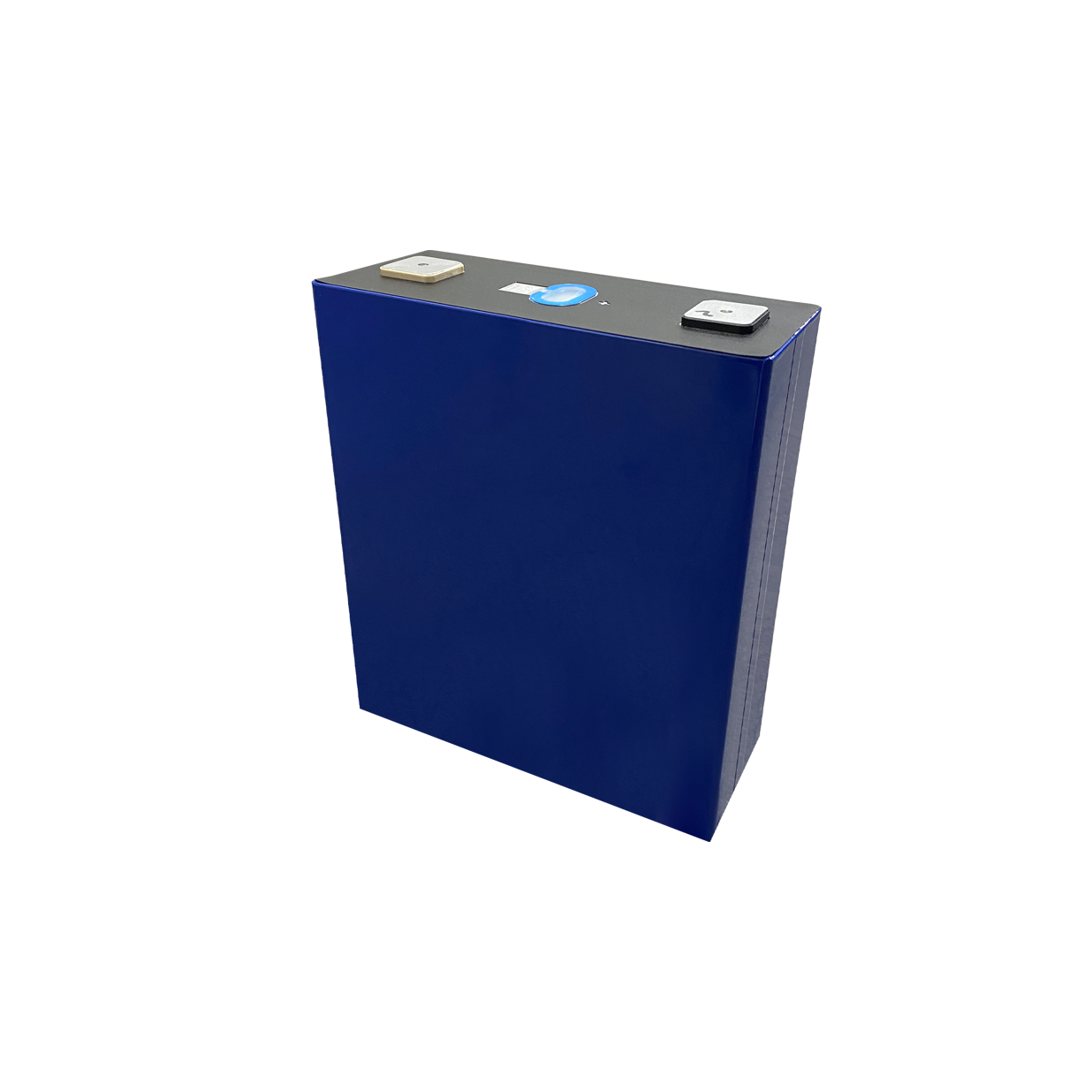
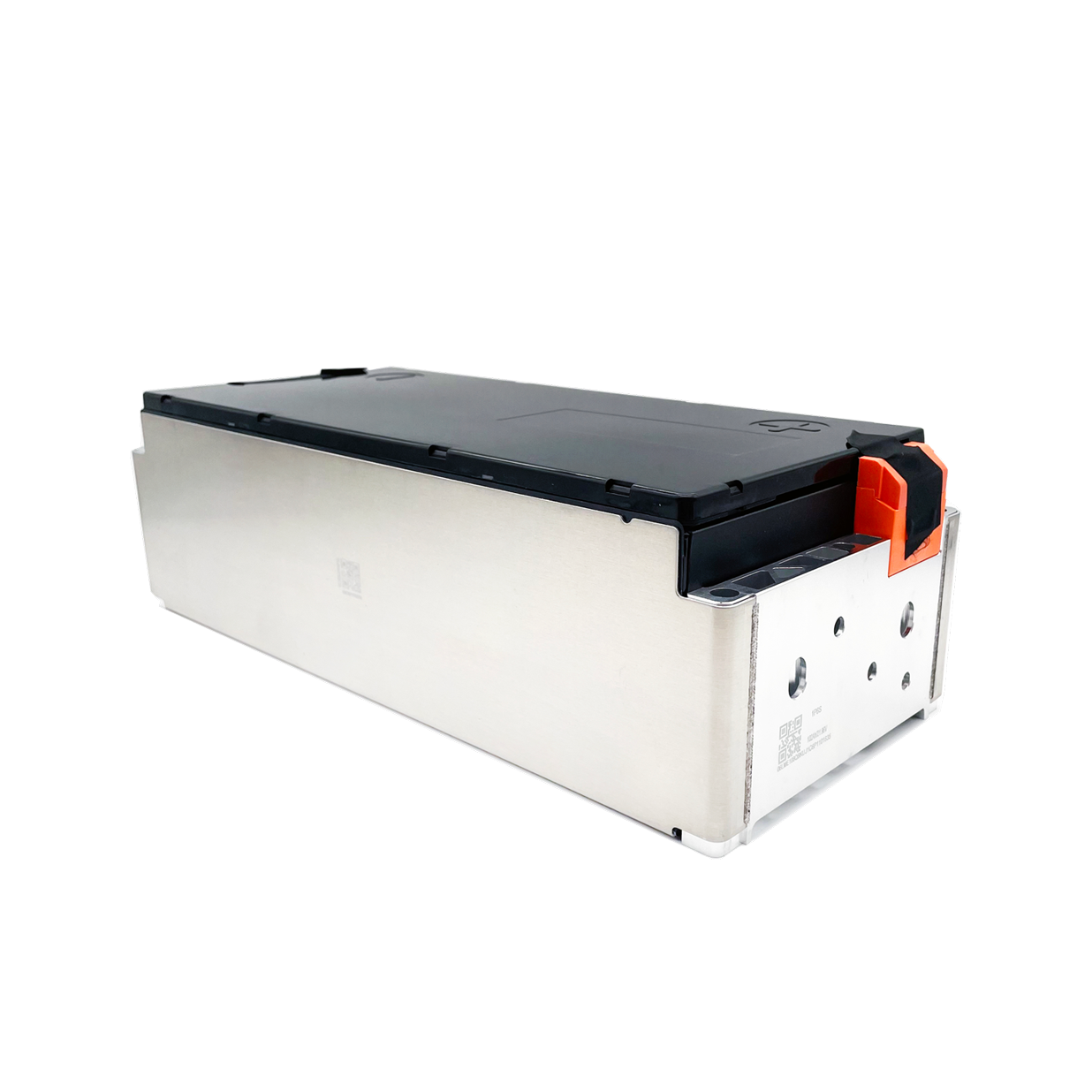
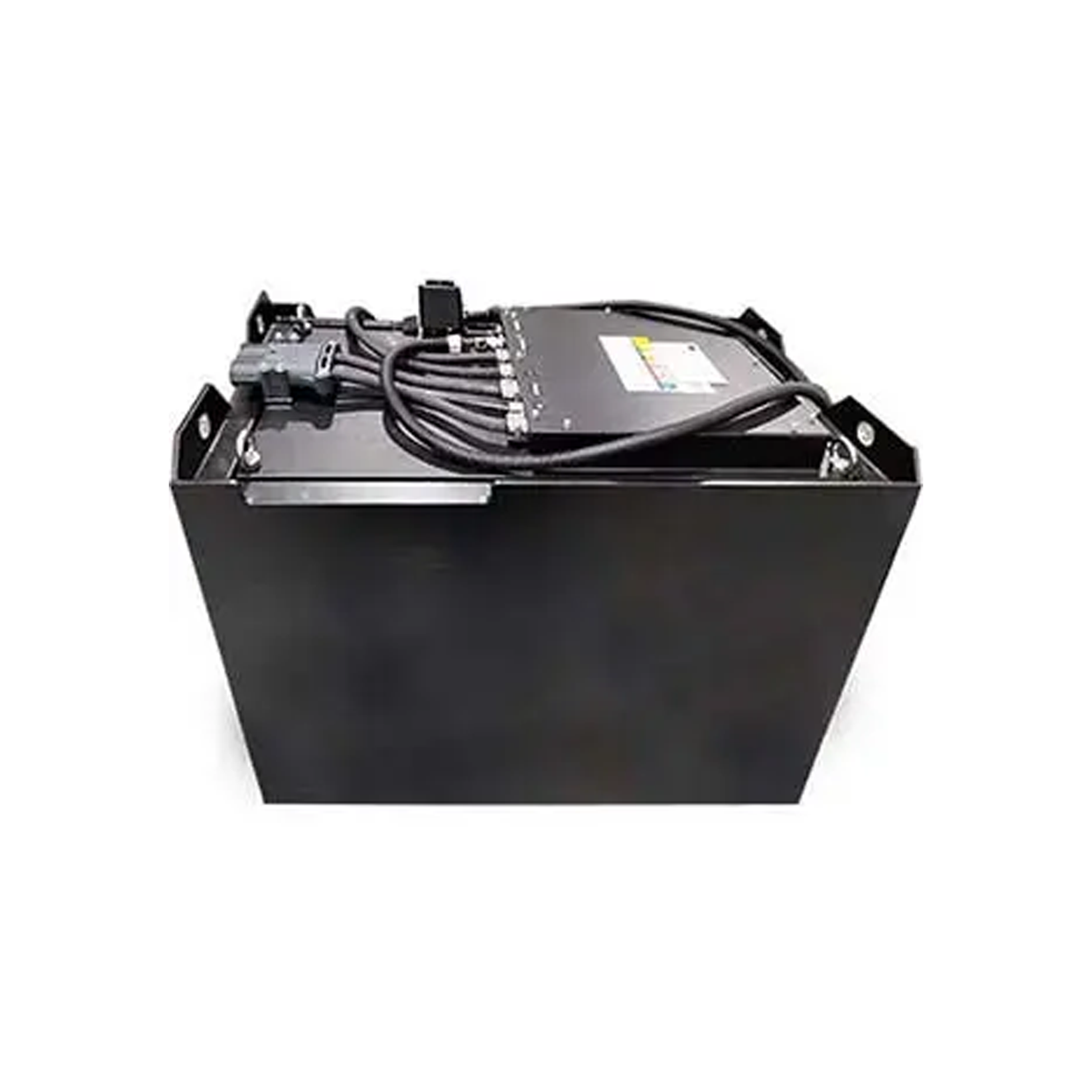
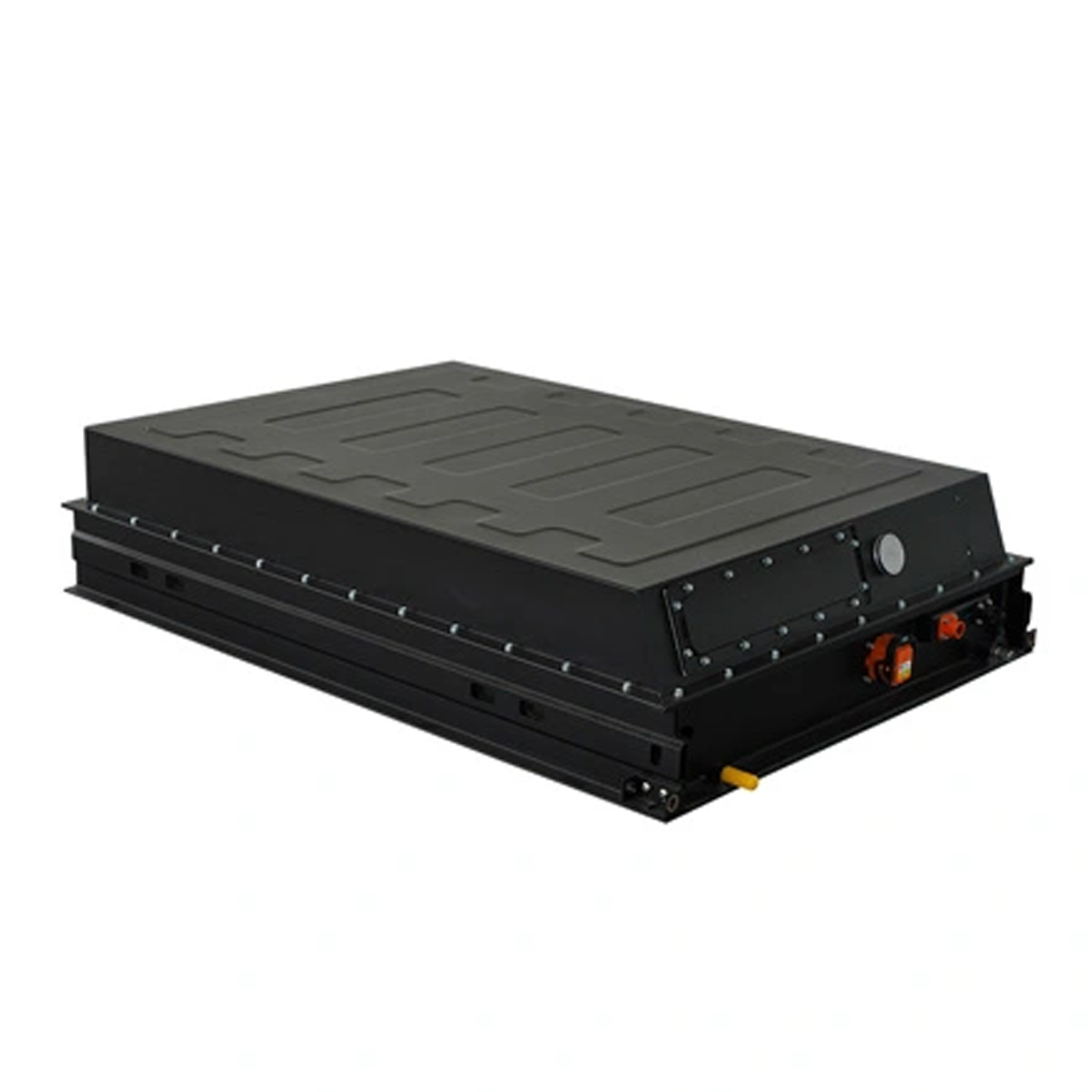
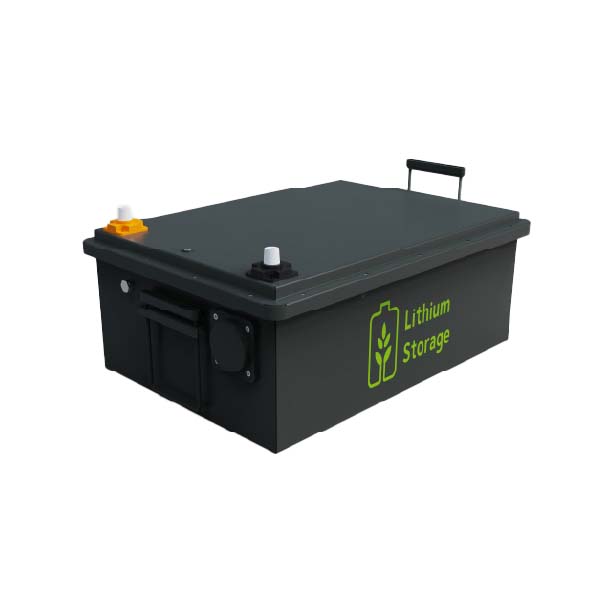
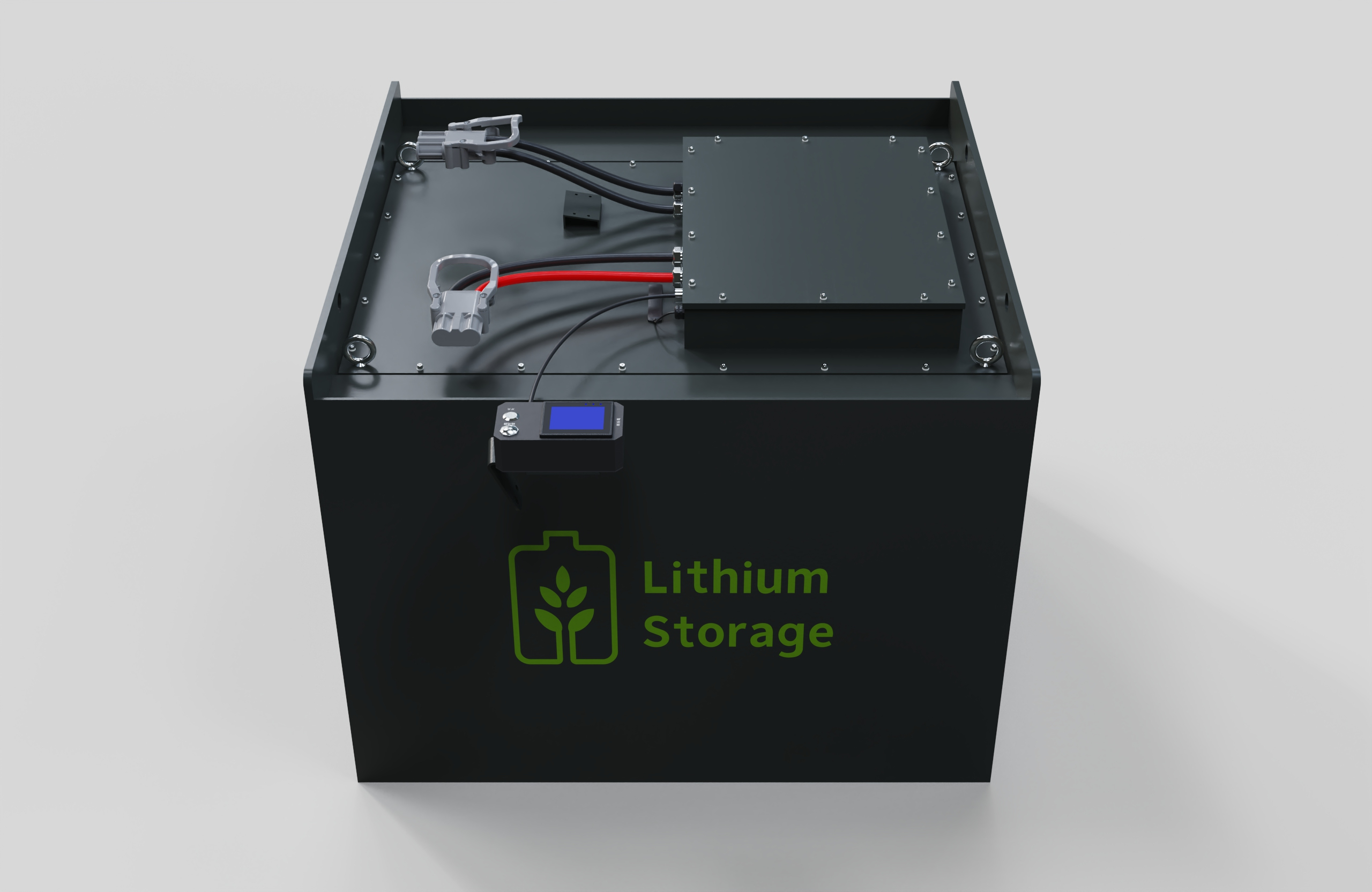
LITHIUM STORAGE supplies a 51.2V 560Ah forklift battery configuration for applications including Crown, Yale-Hyster, Mitsubishi and Still trucks, with vehicle CAN support, charger communication commissioning and connector customization.
However, third-party compatibility should be verified for the specific forklift model and should not be assumed equivalent to OEM factory approval.
Which Has Better Battery Longevity?
On the current published OEM specifications, the answer is:
Neither Yale nor Hyster has a clear chemistry-level longevity advantage.
Both use LFP, both emphasize proper thermal management and both publish similar warranty-life criteria.
Battery life will be influenced more heavily by:
Average cell temperature
Equivalent full cycles
Charging rate
Depth of discharge
Operating SOC range
Peak current
Charger compatibility
Battery sizing
For an aftermarket Yale Forklift Battery, these same considerations apply.
Which Should You Choose?
Choose based on the exact forklift and operating requirement rather than battery brand reputation alone.
For existing Yale equipment, verify:
Model
Original voltage
Battery compartment
Minimum battery weight
CAN protocol
Charger
Do the same for Hyster.
LITHIUM STORAGE's customizable forklift platform supports Yale and other major forklift brands and can adapt enclosure size, ballast, connectors and communication.
In practical terms, Yale and Hyster are very close in modern lithium battery performance and expected life. The better battery is the one correctly matched to the truck's voltage, workload, charging infrastructure and thermal environment.