Forklift Lithium Battery Manufacturer│LITHIUM STORAGE Forklift Lithium Battery Manufacturer│LITHIUM STORAGE
KB19

How Lithium Batteries Improve Toyota Forklift Uptime and Productivity

Electric forklifts are often chosen to reduce emissions and operating costs, but battery downtime can become a productivity bottleneck in high-throughput warehouses. Long charging periods, battery changes, routine lead-acid maintenance and declining power late in a shift can all reduce the amount of productive time available from each truck.

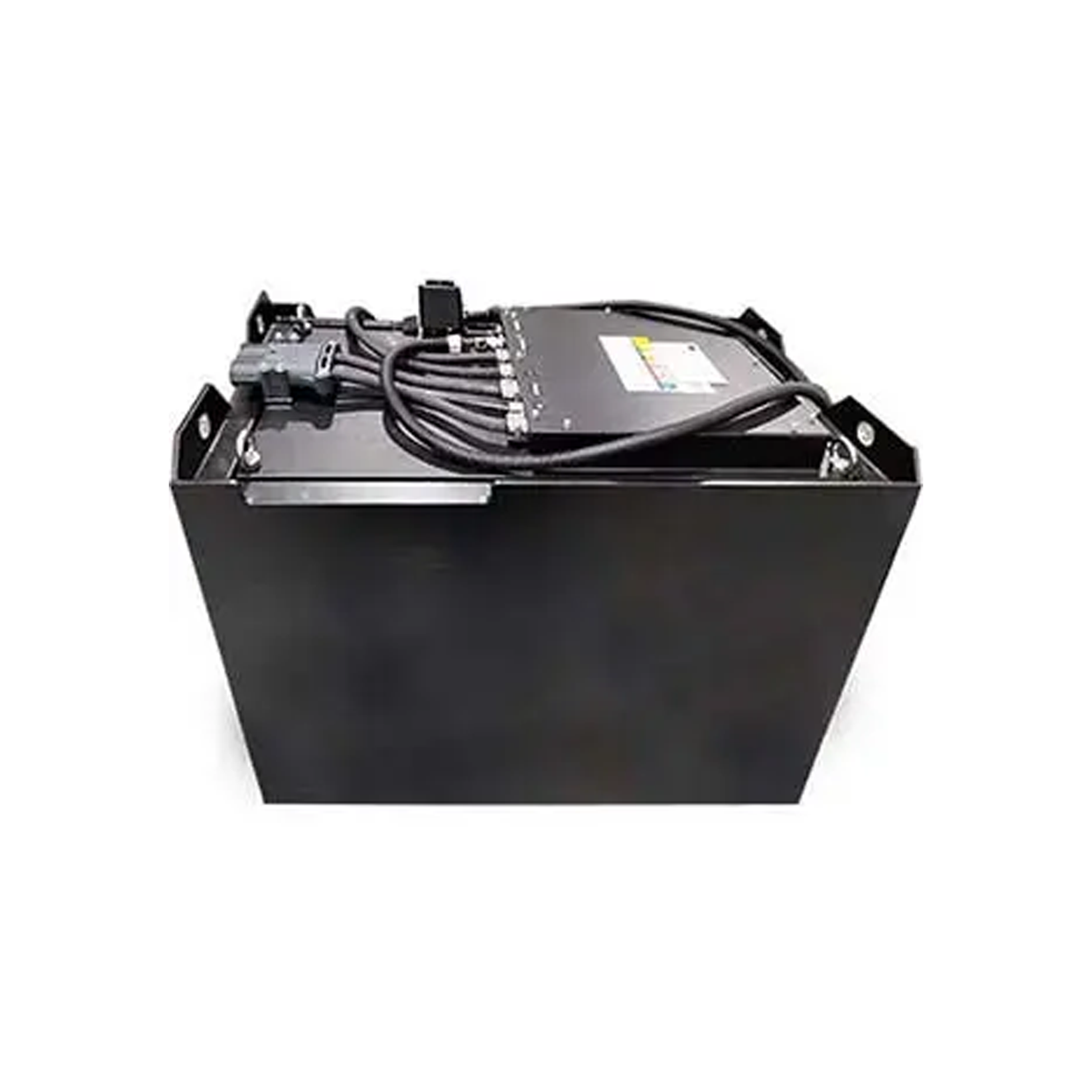
A properly matched Toyota Forklift Battery based on lithium-ion technology can change that operating model. Instead of designing shifts around battery changes and long charging periods, warehouses can use shorter charging opportunities, reduce routine battery service and keep forklifts available for a greater portion of the working day.

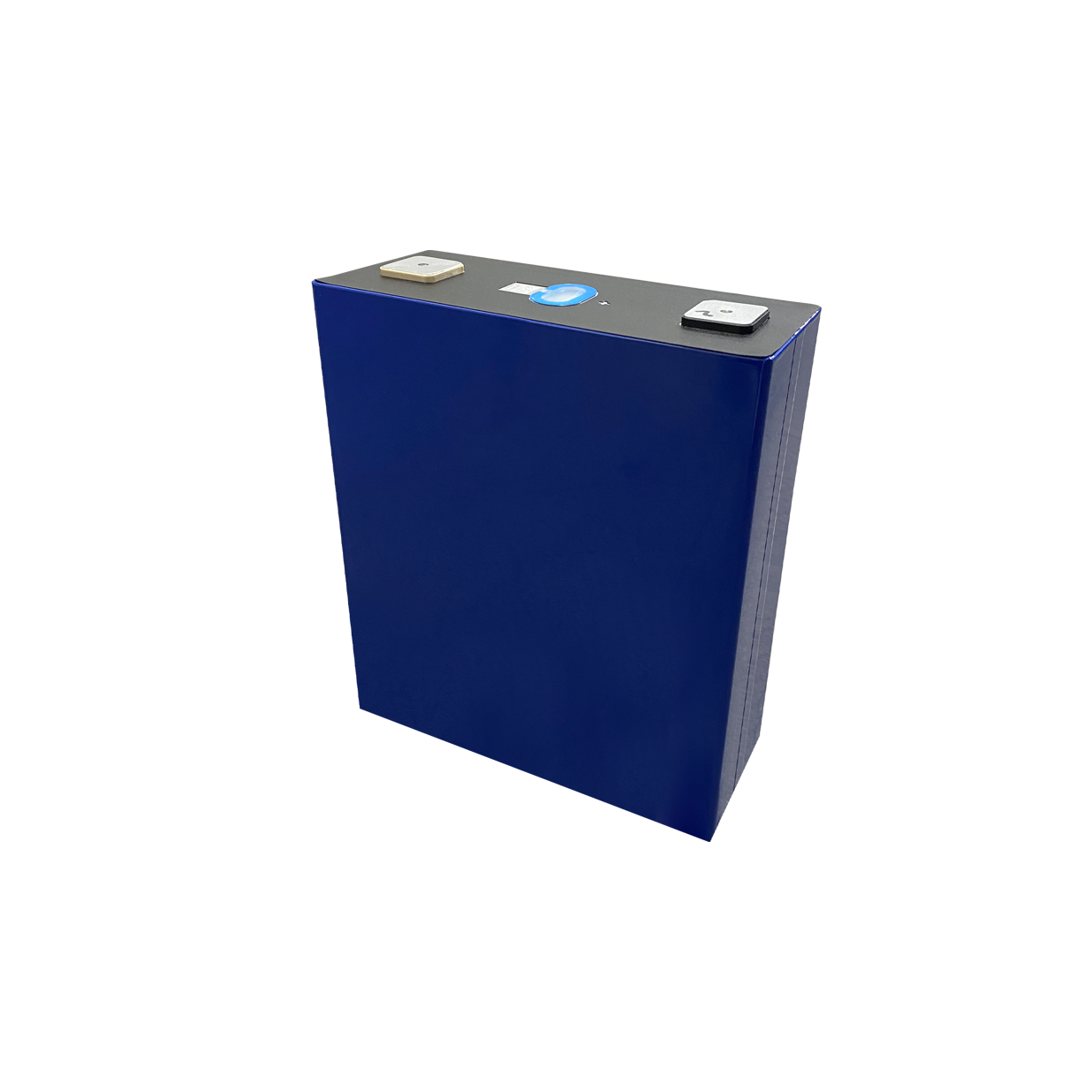
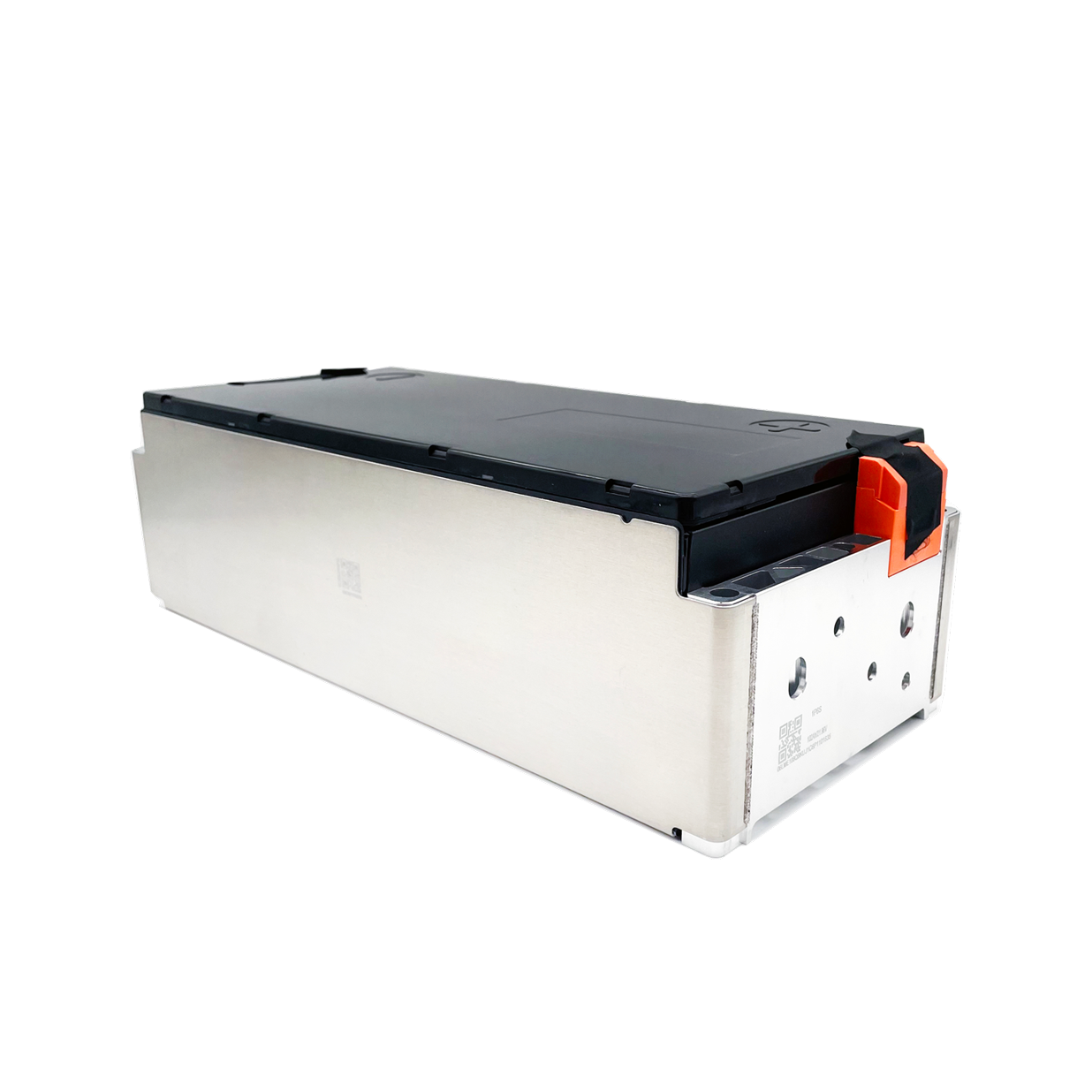
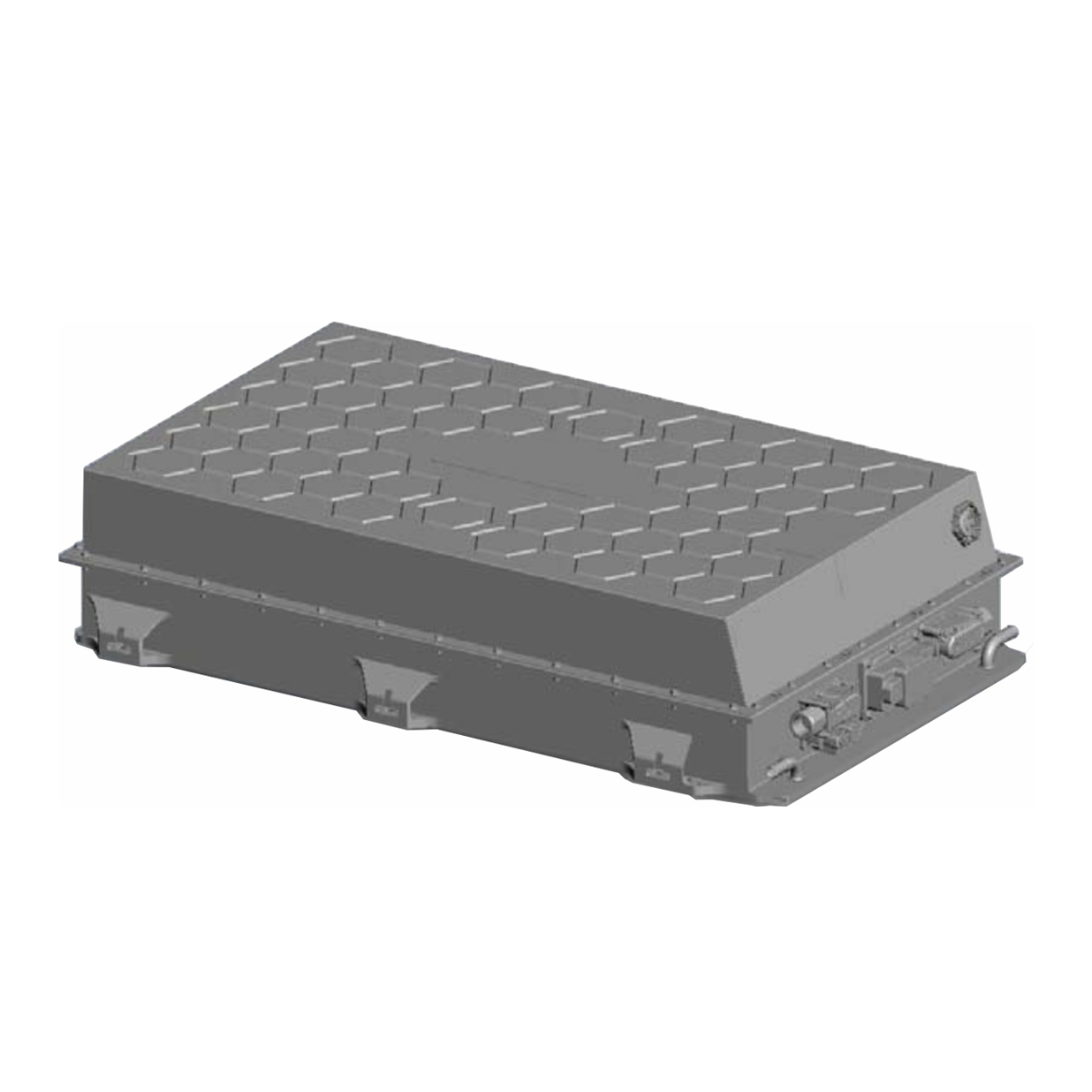
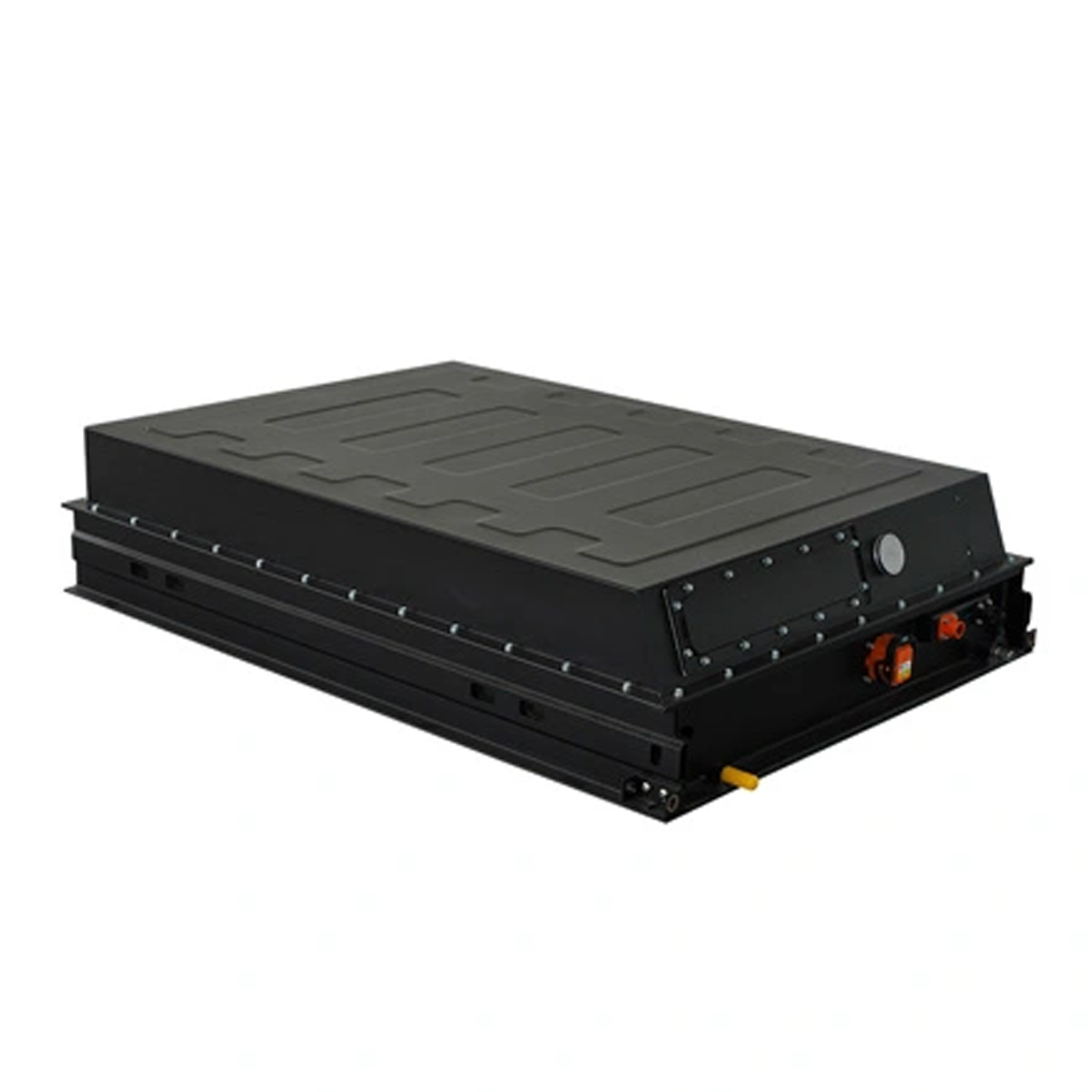
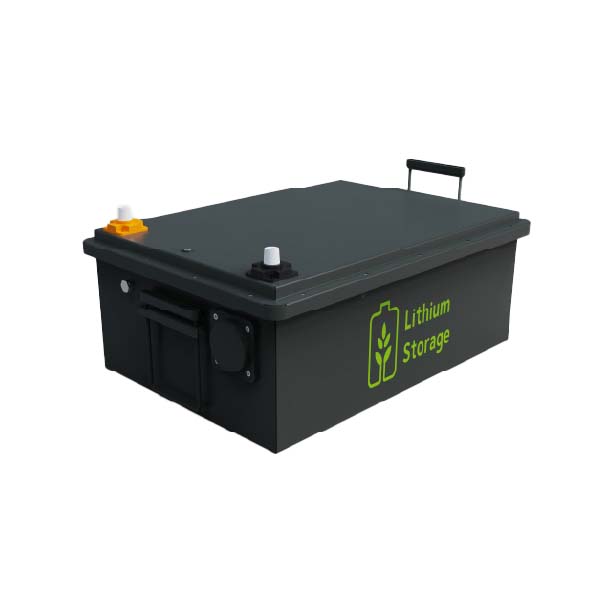
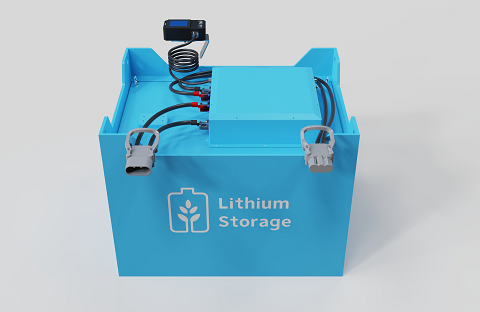
LITHIUM STORAGE provides customizable LiFePO4 forklift batteries for Toyota and other material-handling brands, including 24V-, 36V-, 48V- and 80V-class systems with configurable enclosures, ballast, connectors and communication.

Opportunity Charging Turns Breaks Into Productive Charging Time

One of lithium-ion's largest productivity advantages is opportunity charging.

Instead of waiting until the battery is nearly empty, operators can connect the forklift during:

  • Coffee breaks

  • Lunch periods

  • Shift changes

  • Loading delays

  • Planned idle periods

Toyota explains that opportunity charging is particularly useful in multi-shift operations because it reduces battery-change requirements and allows charging during periods that do not interrupt normal warehouse productivity. Lithium batteries also do not require the same weekly equalization and cooling routines associated with opportunity-charged lead-acid batteries.

For a high-utilization Toyota forklift, this can mean that charging becomes part of the normal workflow rather than a separate downtime event.

One Battery Can Cover More of the Working Day

Traditional multi-shift lead-acid operations may require more than one battery per forklift.

A battery may be:

in the truck → charging → cooling → waiting for the next shift

This can require spare batteries, battery-changing equipment and additional floor space.

Toyota's own energy studies illustrate why lithium becomes attractive when daily battery utilization becomes high. In one published case, Toyota measured average battery usage equivalent to approximately 1.84 full usable battery cycles per day and concluded that the application would require either multiple lead-acid batteries per truck or a lithium solution better suited to the high daily energy throughput.

A correctly sized Toyota Forklift Battery combined with opportunity charging can therefore reduce reliance on spare batteries.

Faster Charging Reduces Non-Productive Time

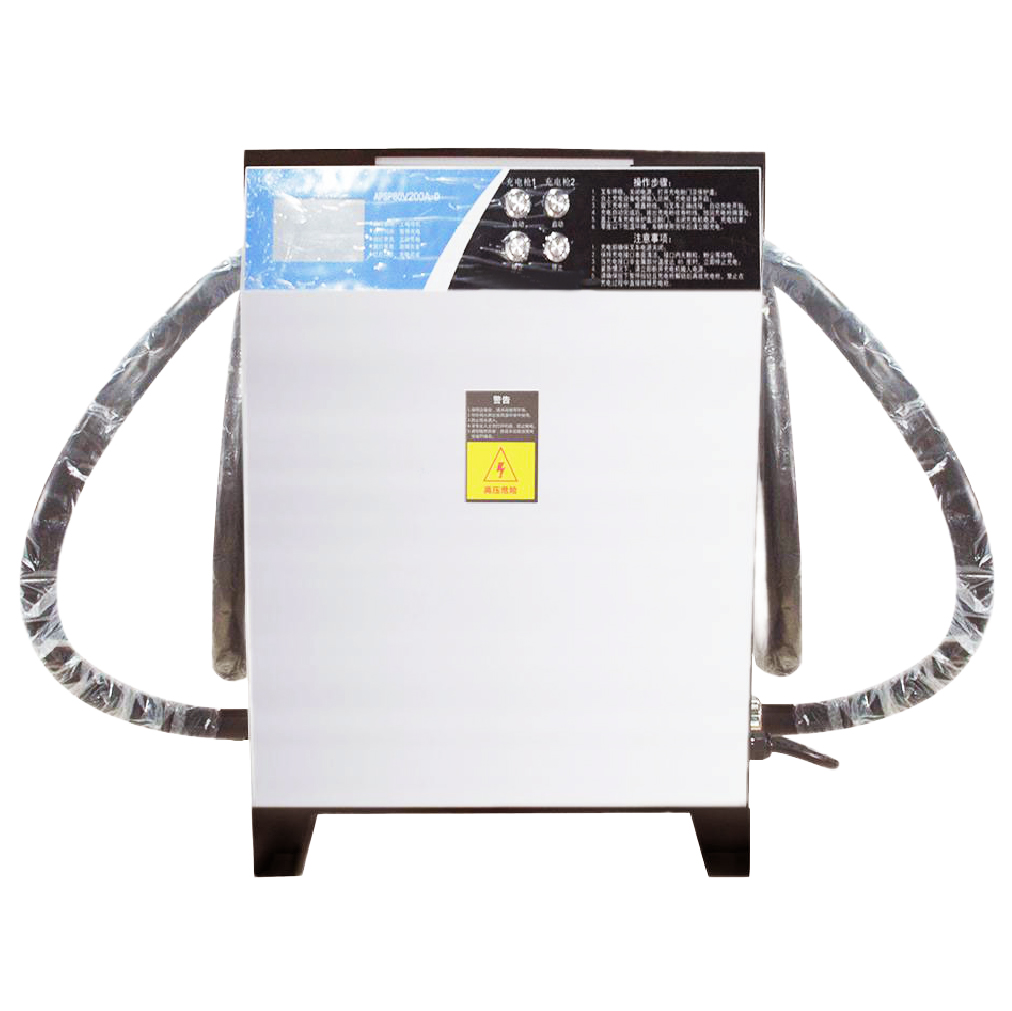
Toyota's current lithium battery systems are paired with chargers designed for rapid charging and BMS-controlled operation. Toyota states that its lithium battery and charger combinations reduce charging time and can remove the need for extra batteries in suitable applications.

LITHIUM STORAGE likewise states that its forklift lithium systems can support charging to approximately 80% within one hour for suitable battery and charger configurations.

Actual charging time still depends on:

  • Battery capacity

  • Starting SOC

  • Charger current

  • Battery temperature

  • BMS charging limits

  • Available AC power

The best productivity improvement therefore comes from matching charger output to the real break schedule.

Less Routine Battery Maintenance Means More Available Labor

Lead-acid batteries may require watering, cleaning, electrolyte management and equalization.

Lithium-ion batteries remove most of these routine tasks.

Toyota's current lithium battery products are sealed and maintenance-free, eliminating watering and equalization. Its 8/50 systems also incorporate direct battery-to-truck and battery-to-charger communication.

For fleet managers, this can reduce both direct maintenance labor and the risk that battery performance suffers because watering or equalization schedules were missed.

LITHIUM STORAGE similarly positions its LiFePO4 forklift products as maintenance-free systems without routine watering or equalization.

More Consistent Power Helps Maintain Productivity Through the Shift

A forklift does not consume energy at a constant rate.

Higher current is required during:

  • Acceleration

  • Heavy lifting

  • Ramp climbing

  • Rapid direction changes

  • Simultaneous driving and hydraulic operation

Lithium-ion batteries generally maintain a relatively stable operating voltage through much of the discharge cycle. LITHIUM STORAGE highlights stable power output as one of the advantages of its forklift lithium systems compared with conventional lead-acid batteries.

This can help reduce the noticeable performance decline that operators may experience as an aging lead-acid battery approaches the end of its usable charge.

Battery Data Can Improve Fleet Planning

Modern lithium batteries are increasingly data sources as well as power sources.

Toyota's lithium systems use a BMS to communicate critical battery information with compatible trucks and chargers.

LITHIUM STORAGE's Smart FLT platform can also provide cloud-connected monitoring functions, including operating records, remote alarms, hardware/software traceability and BMS parameter management.

Fleet managers can use this information to identify:

  • Repeated low-SOC events

  • Excessive battery temperature

  • Charger utilization

  • Abnormal current demand

  • Opportunity-charging compliance

  • Differences between trucks or shifts

The result is a more data-driven charging strategy instead of simply waiting for operators to report reduced runtime.

The Battery Still Has to Match the Toyota Forklift

Lithium does not automatically increase productivity if the replacement battery is poorly matched.

A Toyota Forklift Battery retrofit should confirm:

RequirementWhy It Matters
VoltageMust match the truck's electrical platform
Usable kWhDetermines shift coverage
Peak currentSupports lifting and acceleration
DimensionsMust fit the existing compartment
WeightCritical for counterbalance trucks
ConnectorMust match truck and charger interfaces
CAN communicationMay be required on newer trucks
Charger outputDetermines opportunity-charging performance

Toyota itself notes that specific lithium battery configurations are compatible only with selected trucks. Its current lithium portfolio includes 24V, 36V and 48V configurations with built-in counterweight and adjustable fitting features on certain product families.

Where Does Lithium Improve Toyota Productivity the Most?

The largest benefit usually appears in:

Multi-shift warehouses where battery changes interrupt production.

High-throughput distribution centers with frequent charging opportunities.

Operations with large lead-acid battery rooms where lithium can reduce spare battery inventory.

Fleets with significant battery-maintenance labor.

Applications where trucks experience high daily battery utilization.

For a lightly used single-shift Toyota forklift with several hours available for overnight charging, the uptime benefit may be smaller.

For a truck operating two or three shifts, however, the combination of opportunity charging and reduced battery servicing can significantly change the operating model.

LITHIUM STORAGE designs customized lithium forklift systems around voltage, capacity, dimensions, counterweight, connectors, charger communication and vehicle CAN requirements.

The most productive Toyota Forklift Battery is therefore not necessarily the largest battery available. It is the battery and charger combination that keeps enough usable energy in the truck throughout the operating schedule while minimizing unnecessary charging, battery changes and maintenance downtime.


Latest News & Blog in Lithium Storage

+86-18686976230
info@lslithiumbattery.com
0086-025-8773-9887
Register to download
close