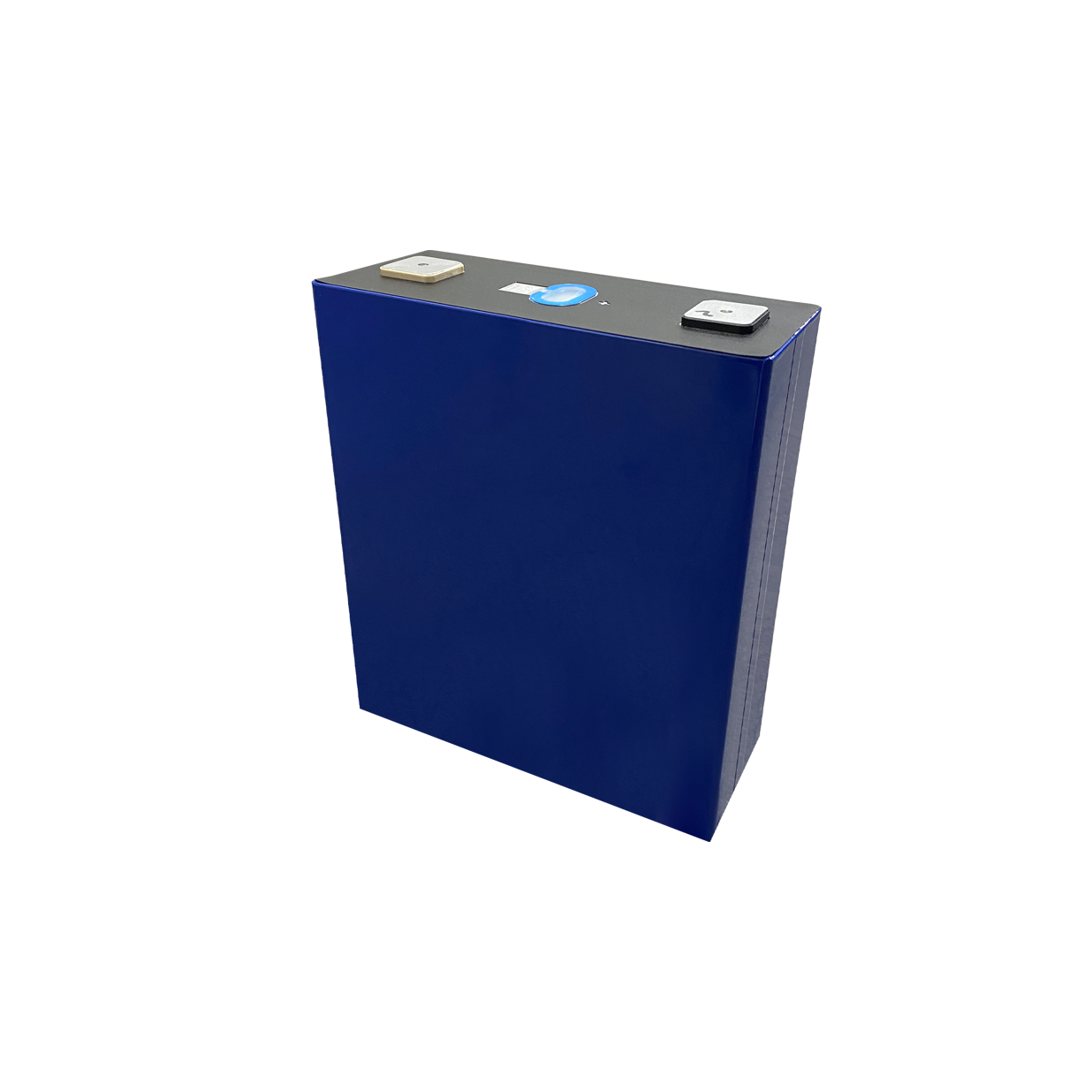
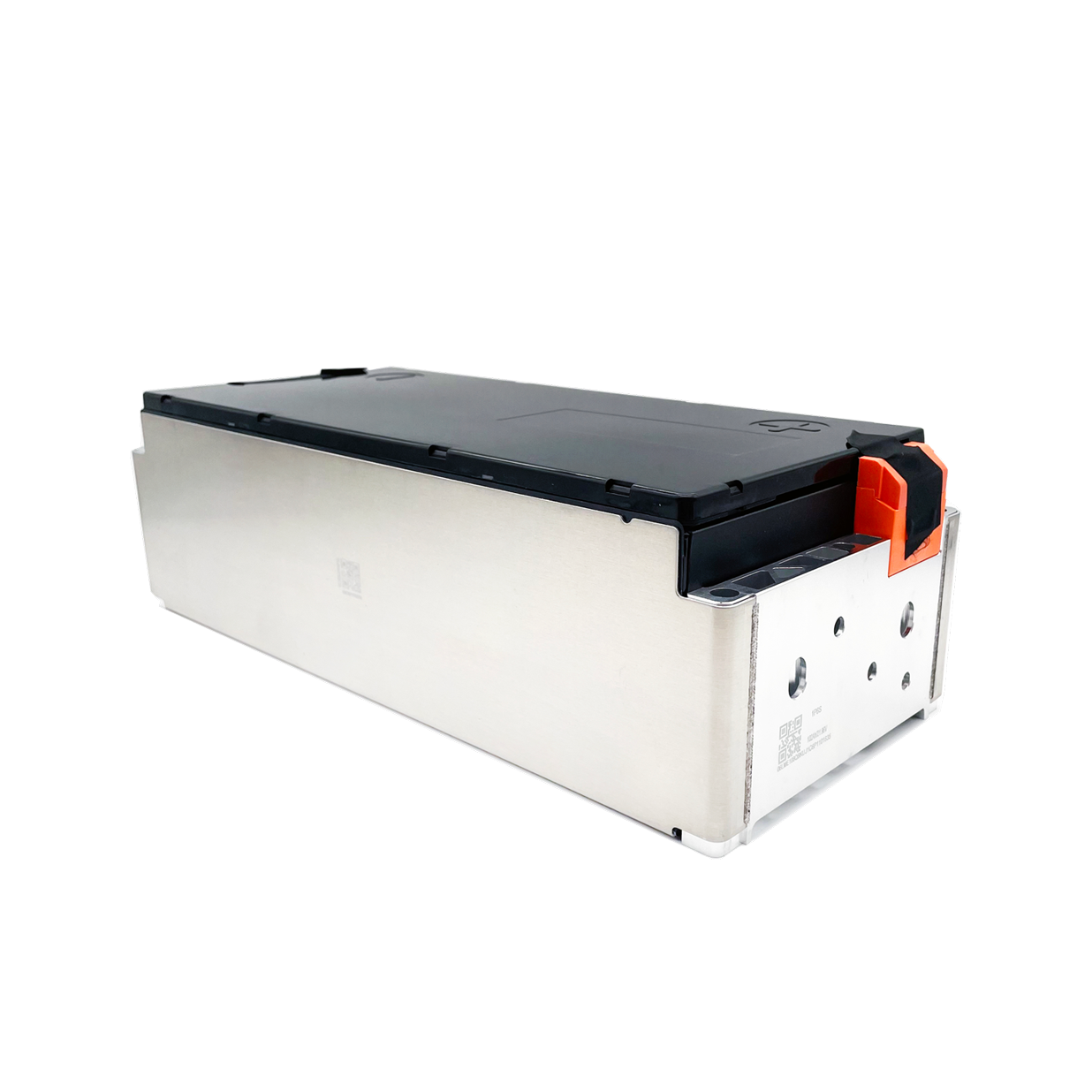
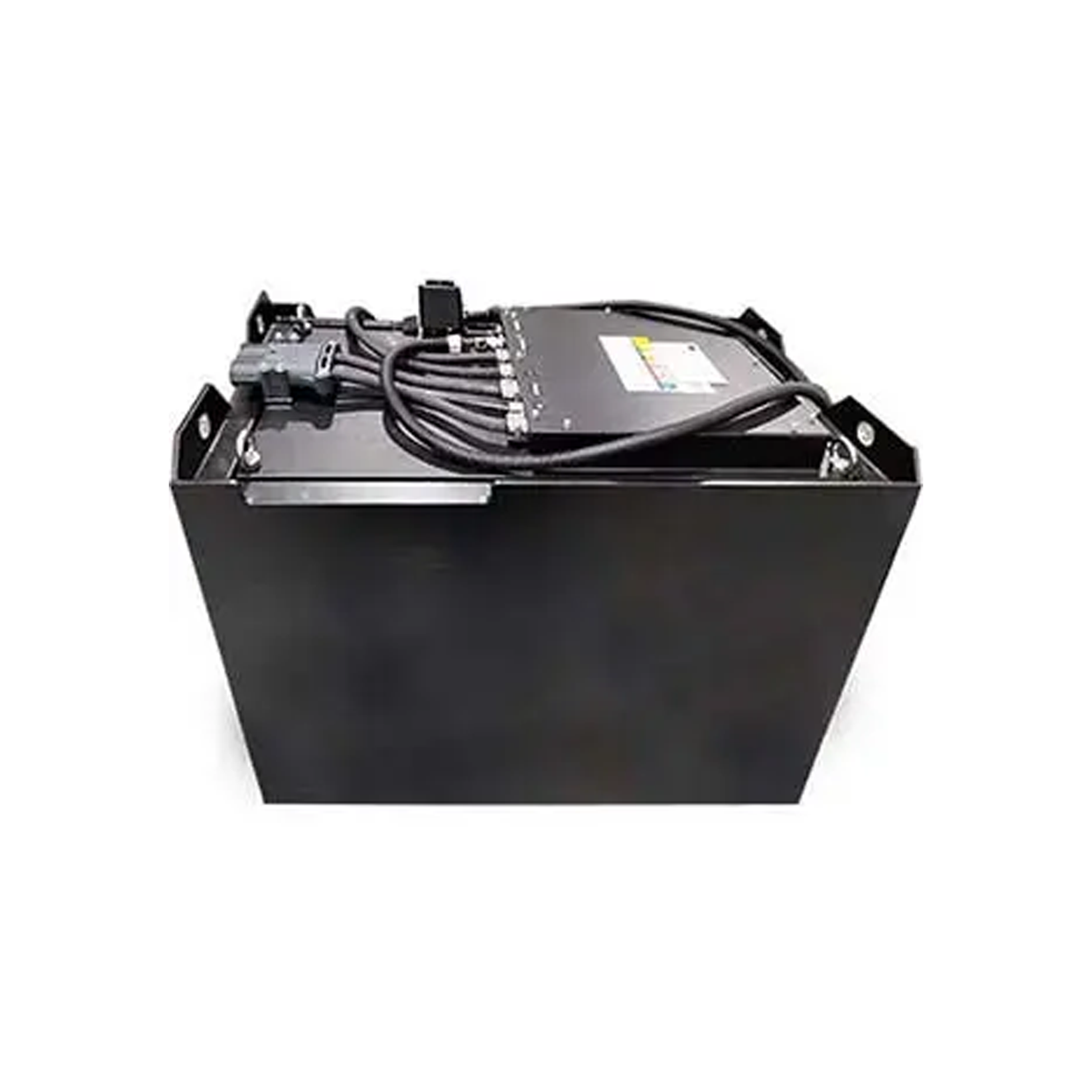
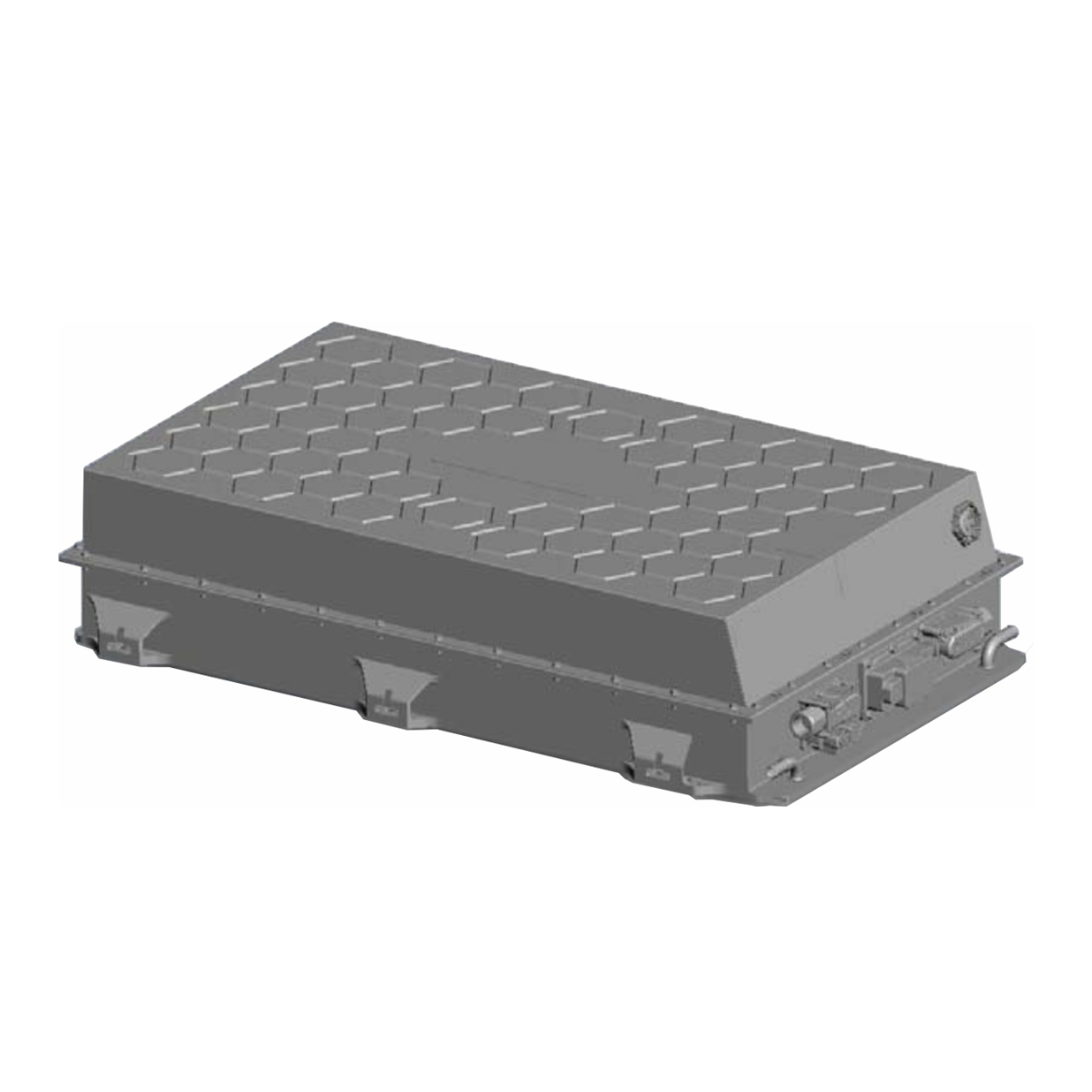
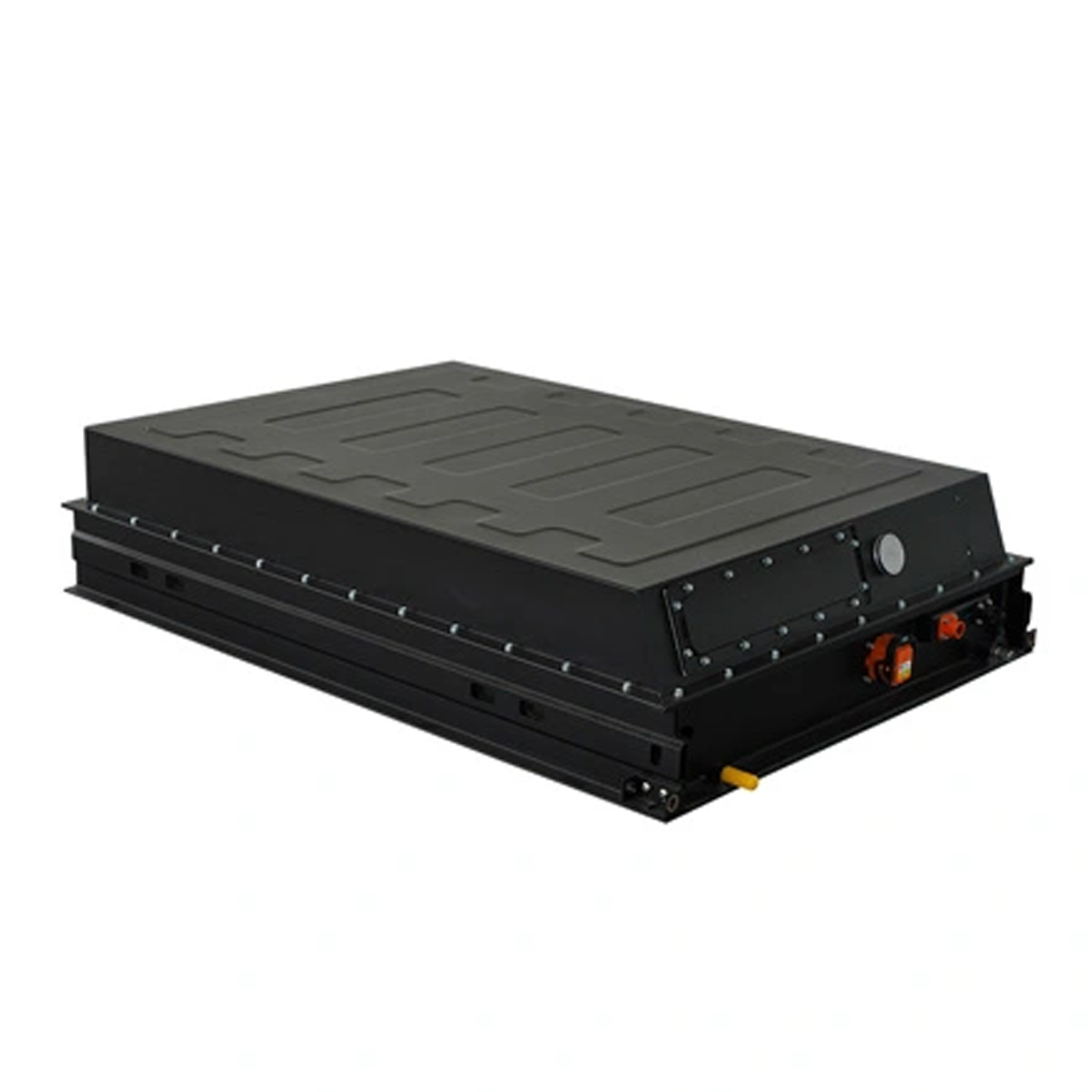
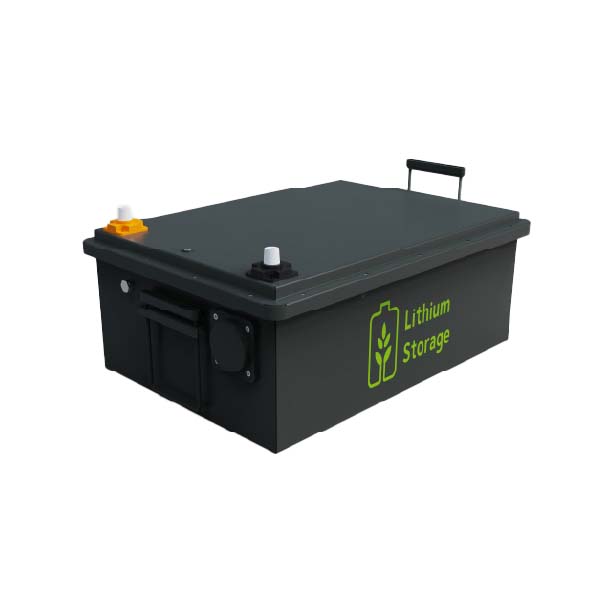
Forklift Lithium Battery Manufacturer│LITHIUM STORAGE Forklift Lithium Battery Manufacturer│LITHIUM STORAGE
KB19

Step-by-Step Guide to Upgrading a Toyota Forklift to Lithium Battery

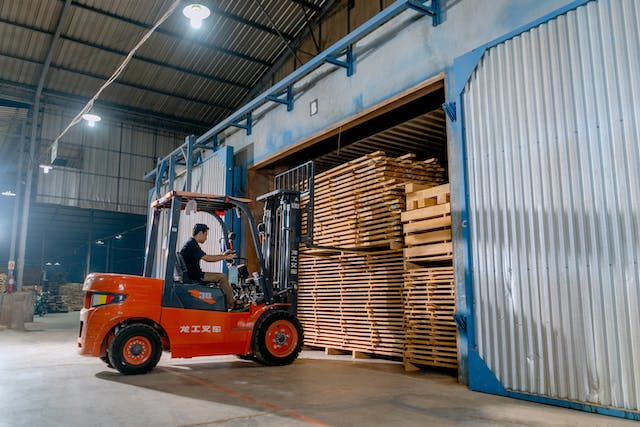
Upgrading a Toyota electric forklift from lead-acid to lithium can reduce routine maintenance, shorten charging downtime, and make opportunity charging easier during breaks and shift changes. But a successful conversion requires more than replacing one battery with another of the same voltage.

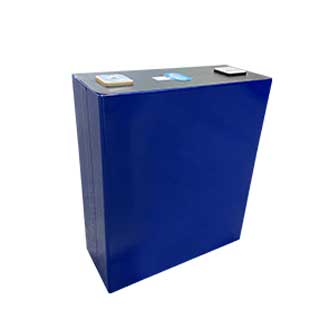
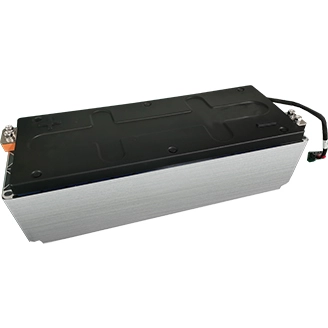
The new Lithium Ion Forklift Battery must match the Toyota truck's electrical system, battery compartment, weight requirements, peak current, connectors, charger, and—in some models—CAN communication. Toyota itself notes that lithium compatibility is model-specific and currently offers approved lithium battery configurations in 24V, 36V, and 48V classes for selected forklifts.

LITHIUM STORAGE provides customized LiFePO4 forklift batteries for Toyota and other material-handling brands. Its Smart FLT platform supports enclosure adaptation, ballast, connector customization, charger commissioning, and vehicle CAN communication.

Step 1: Identify the Exact Toyota Forklift

Start with the forklift data plate and existing battery label.

Collect:

  • Toyota model and serial number

  • Original battery voltage

  • Existing Ah capacity

  • Battery compartment dimensions

  • Existing battery weight

  • Minimum required battery weight

  • Connector information

  • Current charger model

Do not request only a "Toyota forklift lithium battery." The same Toyota product family can include different battery configurations.

Toyota's own lithium portfolio illustrates this: its systems are available in 24V, 36V, and 48V configurations, with battery size, capacity, weight, and truck compatibility varying by model.

Step 2: Keep the Original Voltage Class

A lithium upgrade normally retains the forklift's specified electrical voltage.

Typical LiFePO4 nominal voltages may appear as:

Forklift ClassTypical LiFePO4 Voltage
24V25.6V
36VAround 38.4V
48V51.2V
80V83.2V

A Toyota forklift designed for 48V should not receive an 80V battery simply because higher voltage seems to offer greater power.

The traction motor, hydraulic pump, controller, contactors, instruments, wiring, and charger are designed around a defined voltage range. Changing voltage requires a complete vehicle engineering review rather than a normal battery replacement.

Step 3: Calculate the Energy the Forklift Actually Needs

Do not automatically copy the Ah number from the old lead-acid battery.

A useful starting calculation is:

Battery energy (kWh) = nominal voltage × capacity (Ah) ÷ 1,000

For example:

51.2V × 456Ah = 23.35kWh

But the correct battery size depends on how much energy the Toyota forklift consumes during actual operation.

Consider:

  • Hours per shift

  • Number of shifts per day

  • Average load weight

  • Travel distance

  • Lift frequency and height

  • Ramp operation

  • Hydraulic attachments

  • Warehouse temperature

  • Opportunity-charging time

LITHIUM STORAGE recommends evaluating capacity together with actual forklift duty cycle because an oversized battery increases cost, while an undersized battery can cause frequent charging interruptions and insufficient shift coverage.

Step 4: Measure the Battery Compartment

Lead-acid and lithium batteries do not necessarily have the same physical dimensions.

Before manufacturing a replacement Lithium Ion Forklift Battery, measure:

  • Length

  • Width

  • Height

  • Clearance above the battery

  • Cable outlet position

  • Connector location

  • Battery removal direction

  • Restraint or mounting points

LITHIUM STORAGE uses an inner-box and outer-box design concept for forklift conversions. The internal battery structure can be combined with different external enclosures and additional weight to adapt to different forklift shapes and compartment requirements.

This is particularly useful for older Toyota forklifts originally designed around large lead-acid battery boxes.

Step 5: Match the Required Battery Weight

This step is critical for counterbalance forklifts.

Lithium batteries can be considerably lighter than lead-acid batteries. In many Toyota counterbalance trucks, however, the battery contributes to vehicle stability and counterweight.

Toyota's own 5/35 lithium batteries use built-in counterweight and adjustable spacer tabs specifically to meet minimum and maximum truck-weight requirements and fit battery compartments correctly.

For a retrofit, confirm:

Existing battery weight → Toyota minimum battery weight → required lithium battery + ballast weight

Do not simply install the lightest battery that physically fits.

LITHIUM STORAGE similarly supports additional-weight customization as part of its Toyota-compatible forklift battery design.

Step 6: Check Continuous and Peak Current

Battery capacity determines how long the forklift can work, but current capability determines whether it can handle demanding operations.

Peak current may occur during:

  • Heavy pallet lifting

  • Acceleration

  • Ramp climbing

  • Rapid direction changes

  • Simultaneous travel and hydraulic operation

Confirm:

  • Continuous discharge current

  • Peak discharge current

  • Peak duration

  • BMS discharge limit

  • Low-temperature current derating

A battery with adequate kWh but insufficient current capability may trigger BMS protection during heavy lifting.

This is why LITHIUM STORAGE treats continuous current and peak current as separate selection parameters rather than sizing a forklift battery by Ah alone.

Step 7: Match the Connector and Cable Layout

Before production, confirm the exact electrical connection.

Provide:

  • Connector brand/model

  • Current rating

  • Cable cross-section

  • Cable length

  • Positive and negative positions

  • Cable exit direction

  • Whether charging and discharge use the same or separate ports

LITHIUM STORAGE's Smart FLT solution includes charge and discharge connector adaptation, allowing the battery interface to be configured around different forklift installations.

This is especially important for older Toyota trucks, where connectors may have been replaced or modified during previous service.

Step 8: Verify Toyota CAN Communication Requirements

Some modern Toyota forklifts need more than a positive and negative battery connection.

Toyota's lithium systems use a BMS that can communicate critical battery information with compatible trucks and chargers.

Depending on the forklift model, communication may involve:

  • State of charge

  • Battery temperature

  • Battery fault status

  • Charging permission

  • Current limits

  • Truck display integration

LITHIUM STORAGE lists vehicle CAN communication support and charger communication commissioning within its Smart FLT platform.

Before placing an order, confirm that the proposed battery's BMS protocol has been validated for the exact Toyota model.

Step 9: Replace or Verify the Charger

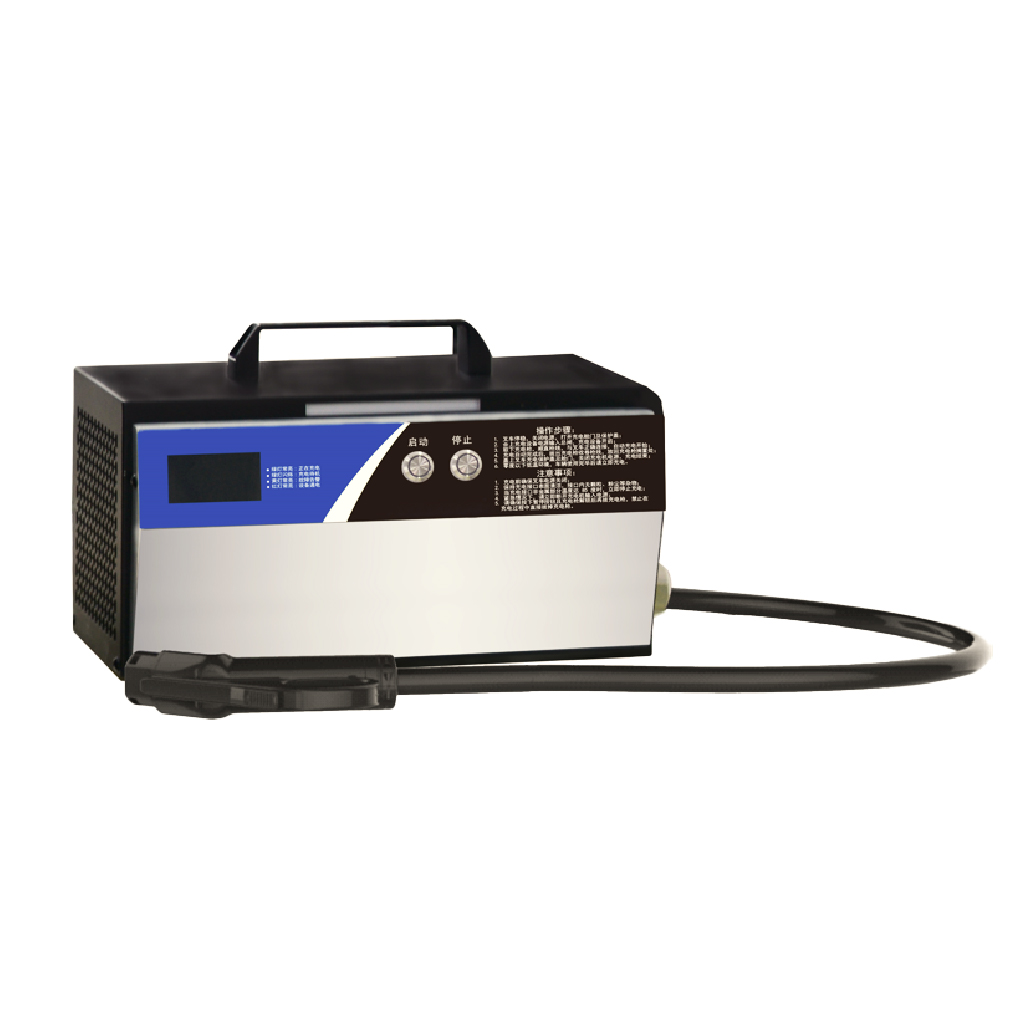
Do not automatically reuse the original lead-acid charger.

A lithium charger must match:

  • Battery voltage

  • Maximum charging voltage

  • Battery capacity

  • Recommended charging current

  • Connector

  • BMS communication

  • Available AC power

Toyota's current lithium charging systems are BMS-controlled, with charger outputs spanning different current ratings for 24V, 36V, and 48V battery systems.

LITHIUM STORAGE also supplies dedicated lithium chargers alongside its forklift battery products. Its forklift systems support fast charging, with suitable configurations capable of reaching approximately 80% charge within one hour.

The highest available charging current is not necessarily the best choice. Charger size should reflect the actual time available between shifts.

Step 10: Design an Opportunity-Charging Schedule

One major benefit of a Lithium Ion Forklift Battery is that it can be charged during normal operating breaks rather than waiting for a deep discharge.

Typical charging periods include:

  • Coffee breaks

  • Lunch

  • Shift changes

  • Loading delays

  • Overnight parking

A simple operating rule is:

Starting usable energy + energy restored during breaks ≥ daily energy consumption + reserve

For example, if the forklift consumes 20kWh during a shift and receives 8kWh during lunch, the battery does not necessarily need to start with the full 20kWh requirement available.

This can allow a smaller battery to support intensive operations when sufficient charging infrastructure is available.

Step 11: Install and Commission the Battery

Installation should be performed by qualified personnel following the forklift and battery manufacturer's procedures.

Before returning the truck to service, verify:

  • Correct voltage and polarity

  • Secure mechanical fit

  • Correct ballast weight

  • Battery restraint

  • Connector fit

  • BMS status

  • Toyota communication

  • Charger communication

  • SOC display

  • Traction operation

  • Hydraulic operation

Testing should include representative lifting and driving loads—not merely confirming that the forklift powers on.

Step 12: Monitor Performance During the First Weeks

After conversion, collect operating data.

Monitor:

  • Starting and ending SOC

  • Maximum battery temperature

  • Daily energy consumption

  • Charging time

  • Energy added during breaks

  • BMS alarms

  • Peak current

  • Operator feedback

If the battery frequently reaches low SOC before the end of a shift, the issue could be insufficient battery capacity, inadequate opportunity charging, excessive forklift workload, or an undersized charger.

LITHIUM STORAGE's Smart FLT platform can also support cloud-connected monitoring functions including battery operating records, remote alarms, software/hardware traceability, and BMS parameter management on supported systems.

Toyota Lithium Upgrade Checklist

ItemWhat to Confirm
ForkliftModel and serial number
VoltageOriginal Toyota electrical class
EnergyRequired kWh based on duty cycle
CurrentContinuous and peak demand
DimensionsExact battery compartment
WeightToyota-required battery weight range
ConnectorType, current rating and wiring
CommunicationVehicle and charger CAN requirements
ChargerLithium-compatible profile and current
TemperatureNormal or cold-storage operation
Shift patternSingle, double or triple shift
CommissioningBattery, truck and charger tested together

What Information Should You Send the Battery Supplier?

For a more accurate retrofit proposal, provide:

  • Toyota forklift model and serial number

  • Truck data-plate photo

  • Existing battery-label photo

  • Battery dimensions

  • Existing battery weight

  • Minimum required battery weight

  • Battery voltage and Ah

  • Connector photos and specifications

  • Charger information

  • Operating hours per day

  • Number of shifts

  • Typical load

  • Available charging time

  • Working temperature

LITHIUM STORAGE has supplied LFP battery solutions for Toyota forklift electrification projects since the end of 2018 and offers customizable forklift batteries for Toyota, Crown, Yale, Linde, Mitsubishi and other major forklift brands.

A Lithium Upgrade Is a System Conversion, Not Just a Battery Swap

The main benefits of converting a Toyota forklift to lithium can include faster charging, opportunity charging, lower routine maintenance and longer battery service life. LITHIUM STORAGE states that its forklift lithium systems provide 3–4 times the cycle life of conventional lead-acid batteries, support fast charging and eliminate watering and routine equalization.

But these advantages depend on proper integration.

The correct upgrade sequence is:

Identify the Toyota forklift → confirm voltage → calculate required energy → measure the battery box → match counterweight → verify current → configure connectors → confirm CAN communication → match the charger → commission the system → monitor actual operation.

Choosing the right Lithium Ion Forklift Battery around these parameters helps ensure that the Toyota forklift remains electrically compatible, mechanically stable and capable of meeting its real warehouse duty cycle.


Latest News & Blog in Lithium Storage

+86-18686976230
info@lslithiumbattery.com
0086-025-8773-9887
Register to download
close