Forklift Lithium Battery Manufacturer│LITHIUM STORAGE Forklift Lithium Battery Manufacturer│LITHIUM STORAGE
KB19

Yale Forklift Battery Voltage Compatibility Guide for Lithium Upgrade

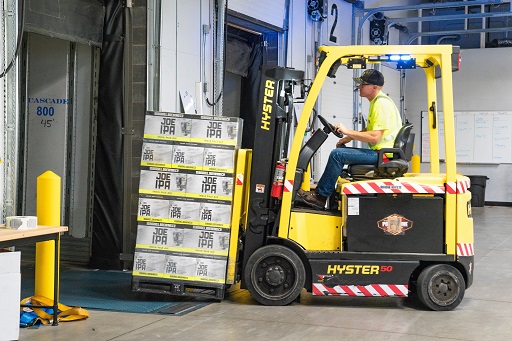
Replacing a lead-acid battery in a Yale forklift with lithium can reduce routine maintenance and make opportunity charging easier, but voltage compatibility has to be confirmed before capacity, charger size or battery chemistry is considered.

A Yale Forklift Battery may operate on 24V, 36V, 48V, 80V or another system depending on truck type and market. Even within one Yale product family, multiple voltage configurations may be available.

Why Voltage Must Match the Forklift

Forklift voltage is part of the truck's complete electrical design.

It affects:

  • Traction motors

  • Hydraulic motors

  • Controllers

  • Contactors

  • Wiring

  • Chargers

  • Displays

  • Auxiliary power systems

Therefore, a higher-voltage battery is not automatically an upgrade.

Unless the truck manufacturer specifically supports multiple electrical configurations, retain the voltage class shown on the forklift data plate.

36V, 48V and 80V Yale Counterbalance Trucks

Yale's ERC45–70VG2 electric counterbalance family shows how flexible voltage configurations can be.

Published specifications list 36V, 48V and 80V battery options across multiple models from 4,500 to 7,000 lb capacity.

That does not mean the three batteries are interchangeable in one truck.

The exact electrical configuration must be identified before selecting the replacement.

48V Yale Lithium Systems

Yale also publishes 48V LFP battery data for selected truck platforms.

For its ERP16–20UXT(L), Yale lists 51.2V battery options at:

  • 250Ah

  • 375Ah

  • 500Ah

with nominal energies from 12.8 to 25.6kWh.

These specifications illustrate why Ah should not be selected independently from the forklift workload.

A light single-shift application may need substantially less capacity than a two-shift truck with few charging breaks.

80V and Higher-Power Yale Applications

Yale also has high-voltage integrated lithium equipment.

Its ERC080VHL integrated lithium forklift offers an 83.2V battery architecture with multiple capacity options.

For heavy-duty equipment, the higher system voltage can support substantial traction and hydraulic power while reducing current relative to an equivalent lower-voltage system.

However, an 83.2V pack should only be used in a truck designed for that electrical architecture.

Aftermarket Yale Lithium Battery Options

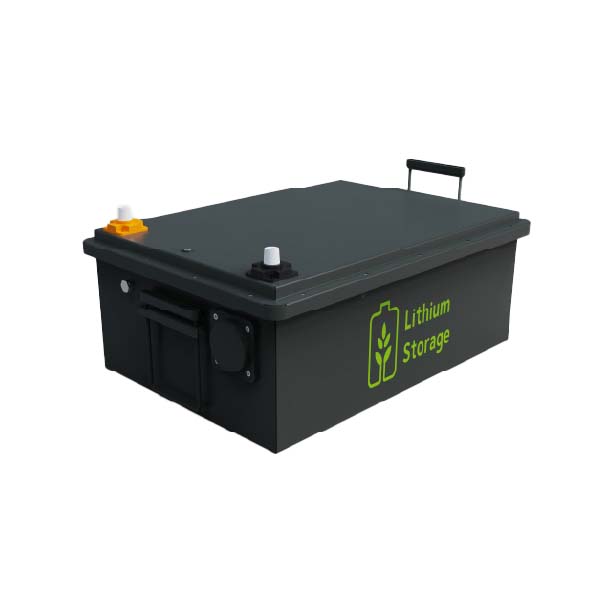
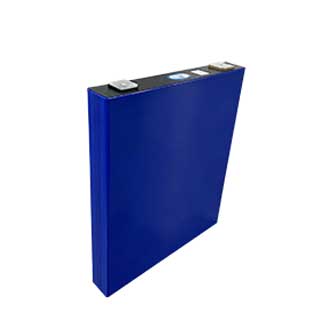
LITHIUM STORAGE supplies lithium forklift batteries across 24V, 36V, 48V and 80V classes.

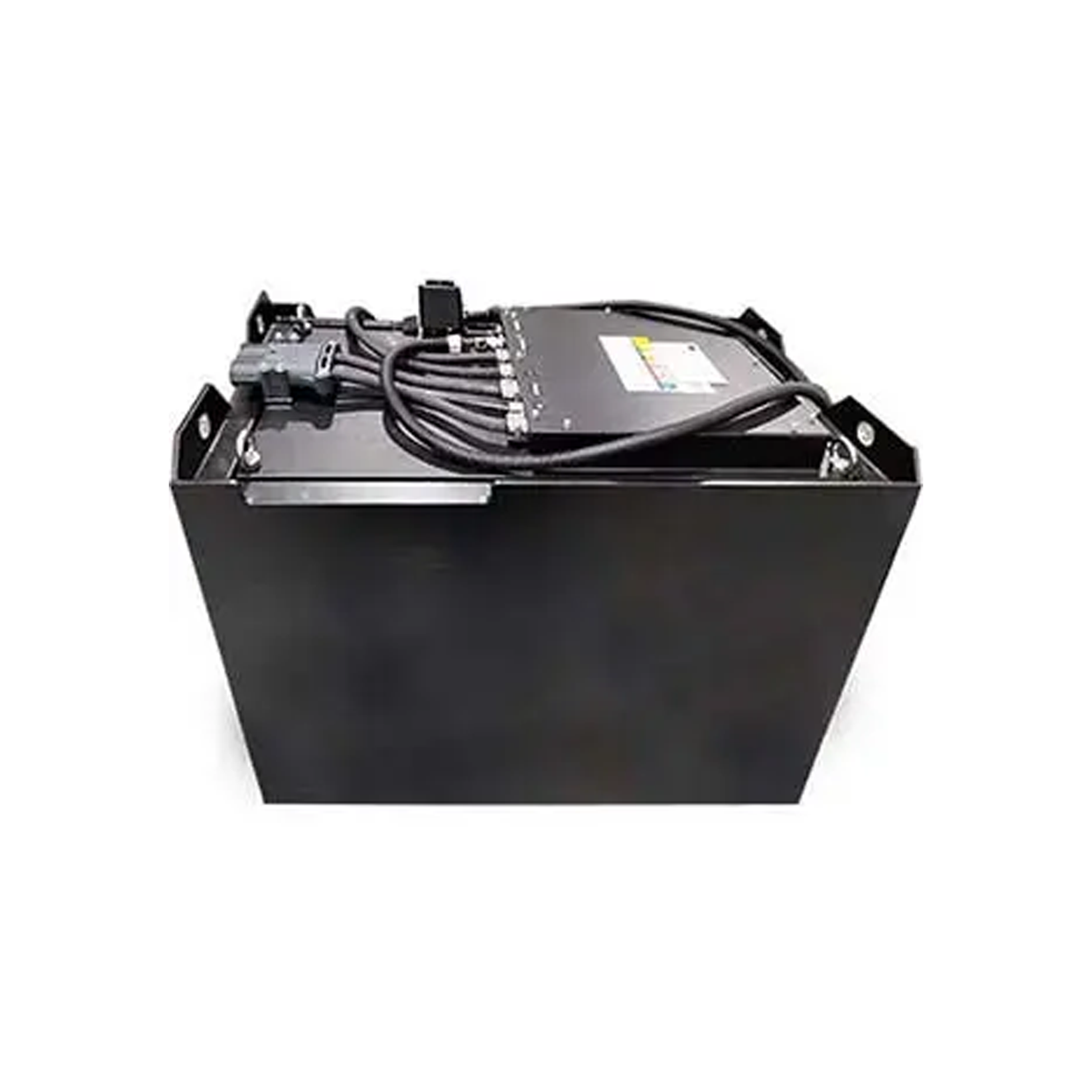
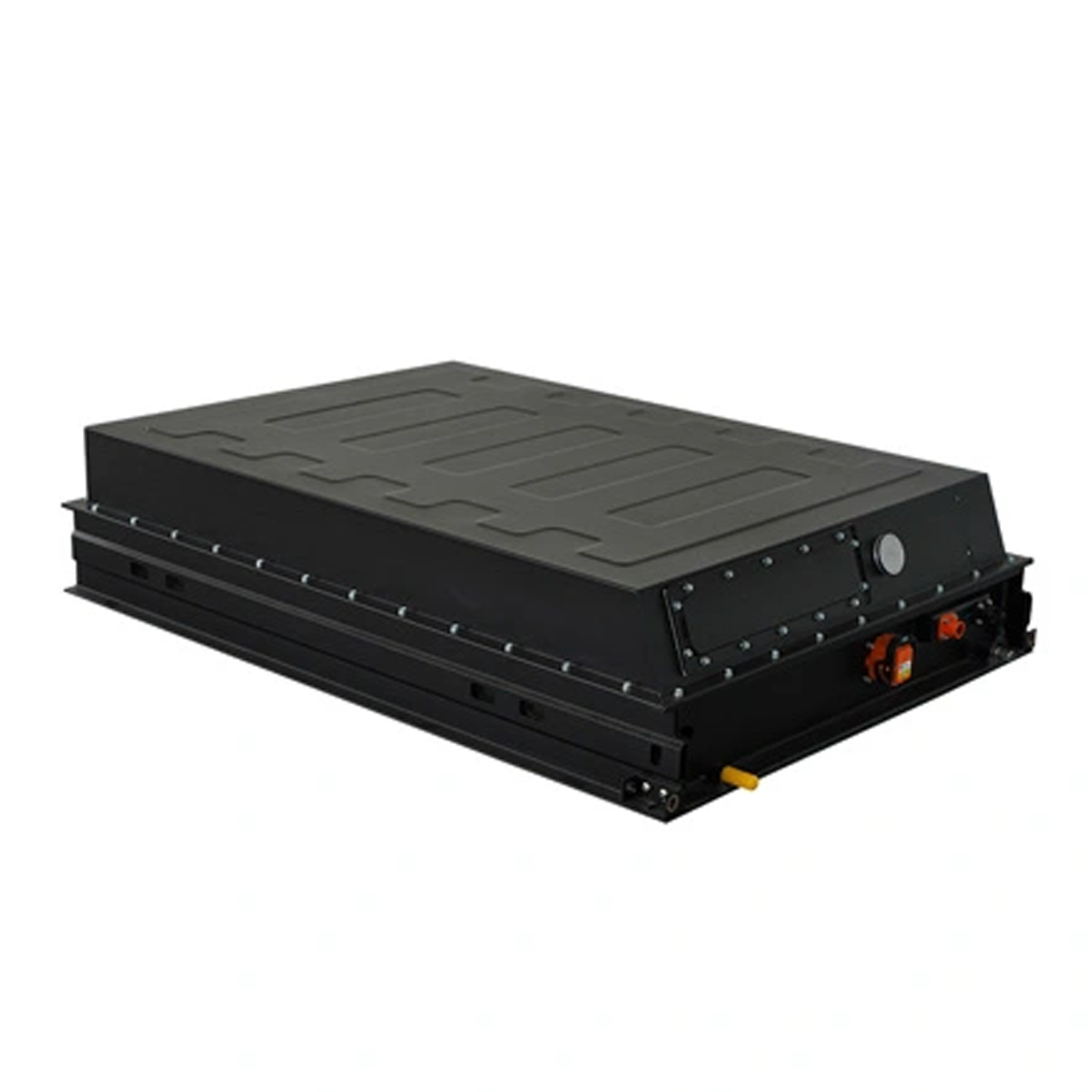
Its current 48V portfolio includes a 51.2V 560Ah Smart FLT battery for applications including Yale-Hyster trucks. The product offers customizable dimensions/weight configurations, IP54 enclosure design, vehicle CAN support and charger communication commissioning.

Its broader product range also includes 80V solutions, including a Yale-related 80V replacement configuration.

Third-party fitment should still be verified at the individual truck level.

Do Not Compare Voltage Without Comparing kWh

Battery energy is calculated approximately as:

kWh = voltage × Ah ÷ 1,000

Therefore:

51.2V × 500Ah = 25.6kWh

A different voltage battery may contain more or less total energy depending on its Ah capacity.

When upgrading a Yale Forklift Battery, determine:

  • How much energy the truck consumes per shift

  • How often it can charge

  • Required reserve SOC

  • Peak hydraulic and traction current

This gives a much better sizing basis than simply matching the Ah number on the old lead-acid battery.

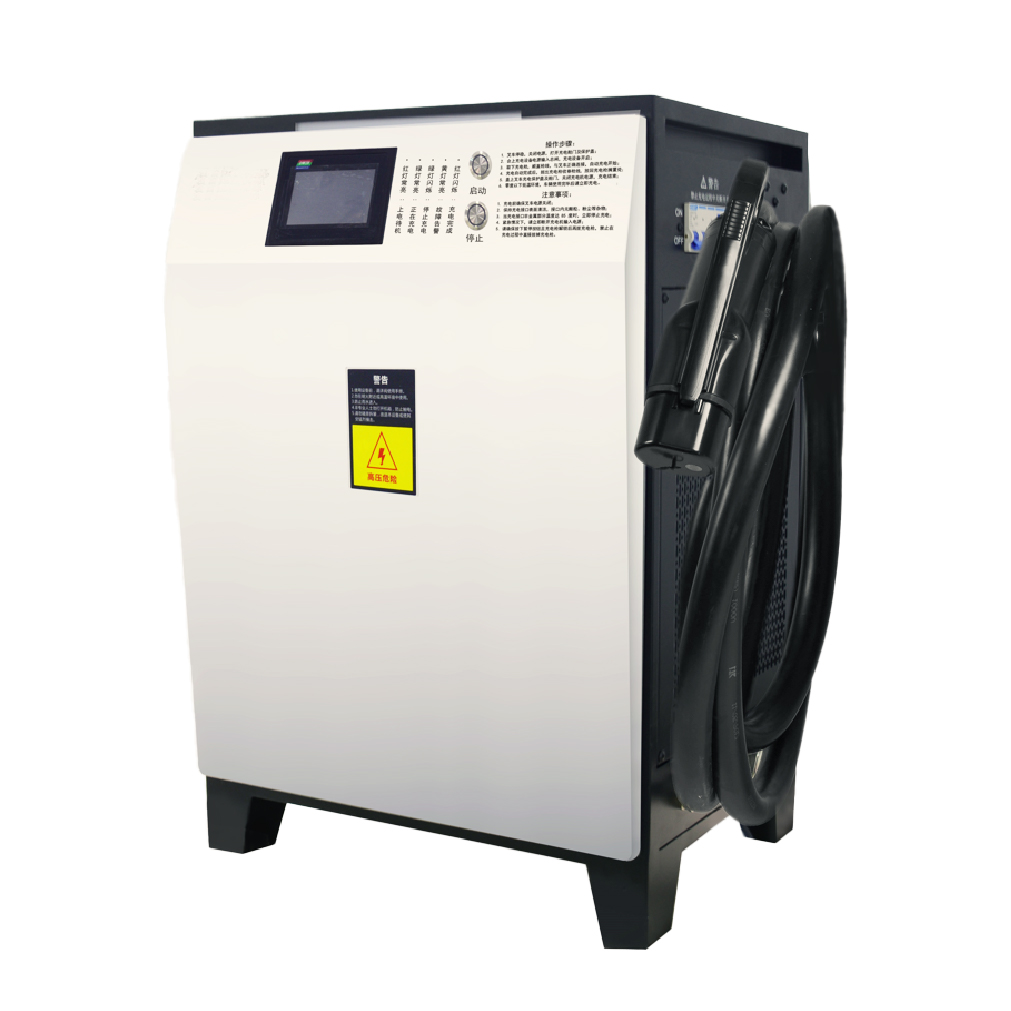
Check the Charger and CAN Protocol

Yale's current OEM lithium system uses a custom Yale CAN protocol between battery and charger. Yale states that recommended chargers are required for its integrated battery system.

For a retrofit, ask whether the battery supplier has confirmed:

  • Vehicle communication

  • SOC reporting

  • Charging communication

  • Connector pinout

  • Current limits

  • Charger settings

LITHIUM STORAGE includes vehicle CAN and charger communication adaptation within its Smart FLT architecture.

Yale Lithium Upgrade Checklist

Before placing an order, provide:

  • Yale model

  • Serial number

  • Truck data plate

  • Existing battery voltage

  • Existing Ah

  • Battery dimensions

  • Battery weight

  • Connector

  • Charger

  • Daily operating hours

  • Number of shifts

  • Temperature

The correct Yale Forklift Battery voltage is ultimately the voltage already engineered into the truck. Once that is confirmed, capacity, current, physical dimensions, ballast and charging strategy can be optimized around the actual application.


Latest News & Blog in Lithium Storage

+86-18686976230
info@lslithiumbattery.com
0086-025-8773-9887
Register to download
close