Jungheinrich and Yale both have strong lithium-ion strategies, but they approach the market from somewhat different directions.
Jungheinrich has integrated lithium-ion technology deeply into its intralogistics portfolio, including pallet trucks, stackers, tow tractors and counterbalance trucks. Yale offers lithium solutions across warehouse and counterbalance equipment and has recently introduced a new purpose-built LFP battery and charger platform.
For buyers comparing a Jungheinrich Forklift Battery with a Yale lithium solution, there is no universal winner. The stronger choice depends on equipment type, voltage requirement, charging strategy and whether the buyer is purchasing a new integrated truck or upgrading an existing fleet.
Jungheinrich vs Yale at a Glance
| Factor | Jungheinrich | Yale |
|---|
| Lithium integration | Extensive across intralogistics products | Extensive and expanding |
| Main strength | Opportunity charging and warehouse integration | Broad counterbalance options and OEM LFP ecosystem |
| 24V equipment | Strong presence | Available depending on model |
| 48V equipment | Strong presence | Strong presence |
| 80V applications | Available in broader system portfolio | Strong on selected counterbalance platforms |
| Opportunity charging | Major design focus | Supported |
| Telemetry/BMS | Integrated truck systems | Yale Vision / Battery Vision |
| Best fit | Warehouse/intralogistics operations | Mixed warehouse and counterbalance fleets |
Jungheinrich's Strength: Integrated Warehouse Lithium
Jungheinrich has designed many warehouse trucks specifically around lithium-ion operation.
For example, its ESE 420/430 pallet truck platform uses 48V lithium-ion batteries from 390Ah to 520Ah and supports fast booster charging through an integrated charging interface.
Its 24V equipment, including several stacker and pallet-truck families, also uses integrated lithium technology and opportunity charging.
Jungheinrich states that its lithium pallet trucks can support continuous operation through opportunity charging and that its lithium technology can provide substantially longer service life than conventional lead-acid batteries under suitable conditions.
This makes a Jungheinrich Forklift Battery particularly attractive for high-throughput warehouse operations.
Yale's Strength: Broad Counterbalance Voltage Options
Yale's ERC45–70VG2 electric counterbalance range offers 36V, 48V and 80V configurations across several lifting capacities.
Yale's newer lithium ecosystem uses LFP chemistry and integrates the battery, charger and truck through Yale-specific CAN communication.
For facilities operating several classes of counterbalance equipment, this broad electrical range can be valuable.
Yale also publishes a current LFP battery warranty of up to 60 months, 3,000 cycles or 10,000 hours under stated temperature conditions.
Which Offers Better Opportunity Charging?
Both brands support it, but Jungheinrich makes opportunity charging especially central to its warehouse equipment strategy.
Its ESE 4 uses an accessible charging interface specifically intended for booster charging during breaks.
Jungheinrich also promotes 24/7 use of lithium pallet trucks and stackers through short intermediate charges.
Yale likewise supports fast, flexible charging through its new LFP ecosystem, but its message is broader—focused on integrated battery, charger and forklift compatibility.
For an intensive intralogistics operation, Jungheinrich may therefore have the stronger integrated opportunity-charging proposition.
Which Offers Better Battery Longevity?
This is harder to answer.
Jungheinrich states that its lithium-ion batteries can deliver a service life approximately three times that of conventional lead-acid storage systems in relevant applications.
Yale provides more explicit current warranty criteria, with up to 3,000 cycles/10,000 hours under its stated temperature conditions.
These figures cannot be directly compared because the definitions and operating conditions are different.
Actual longevity depends on:
Average temperature
Depth of discharge
Charging rate
Cycle frequency
Battery sizing
Equipment workload
What About Aftermarket Lithium Replacement?
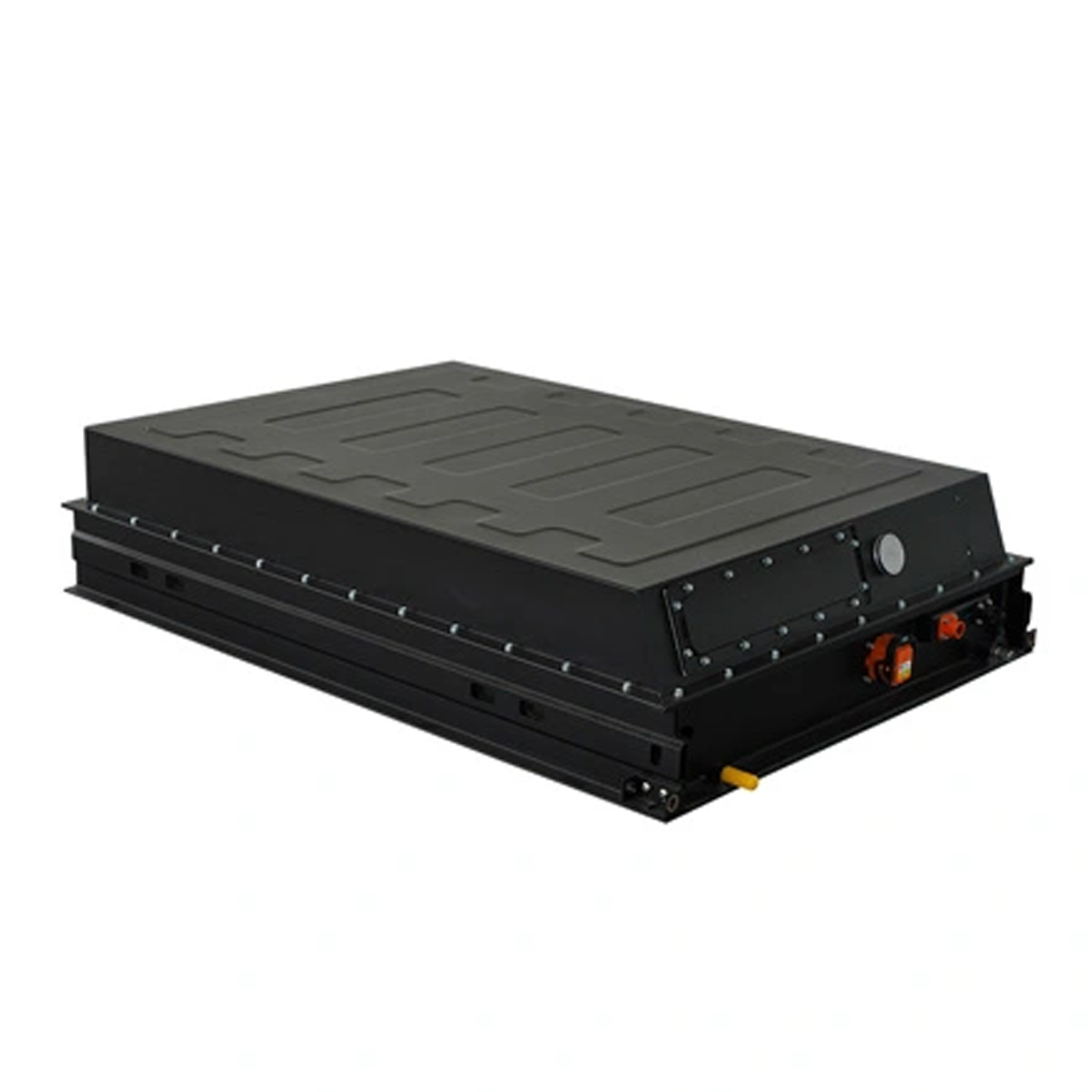
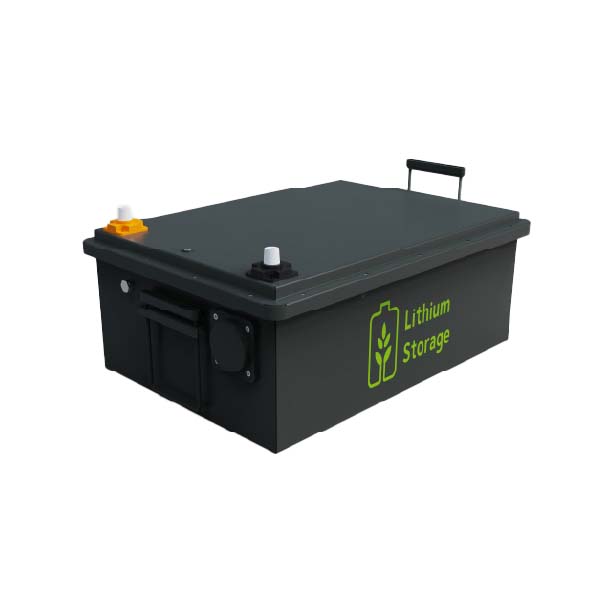
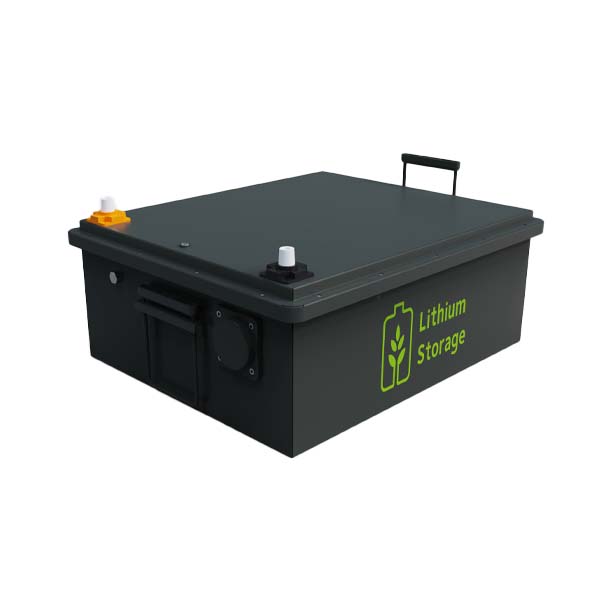
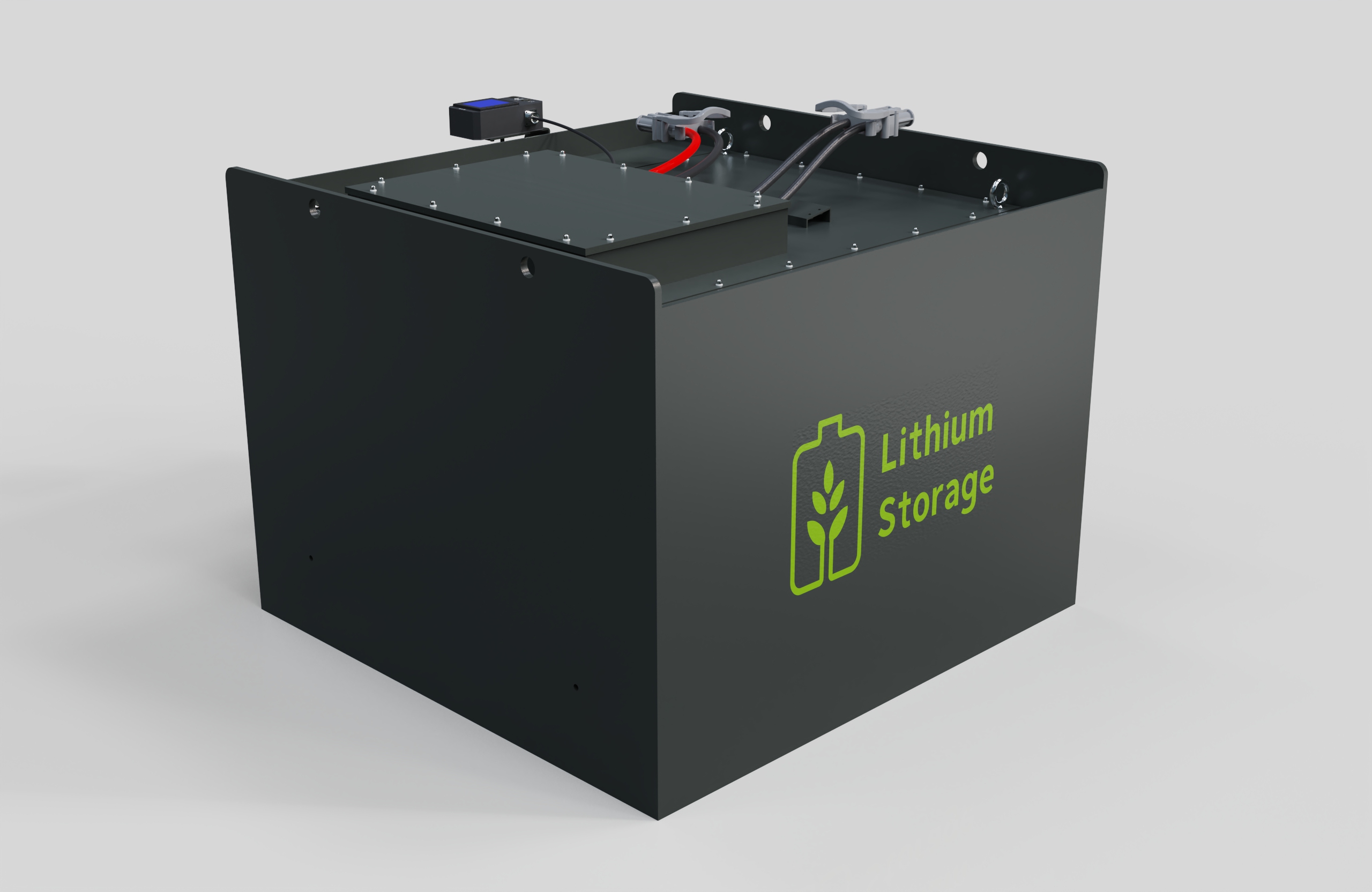
LITHIUM STORAGE supports both brands.
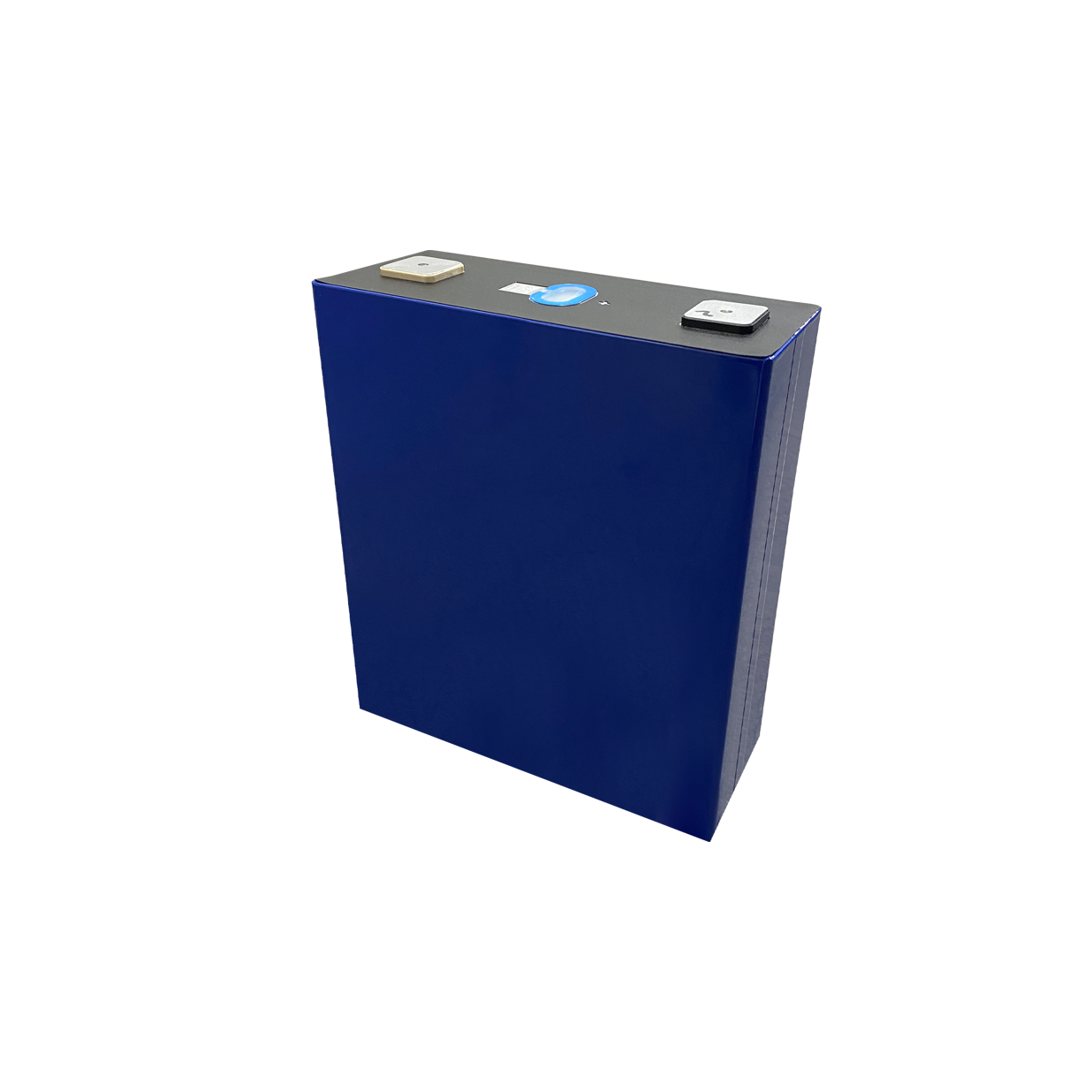
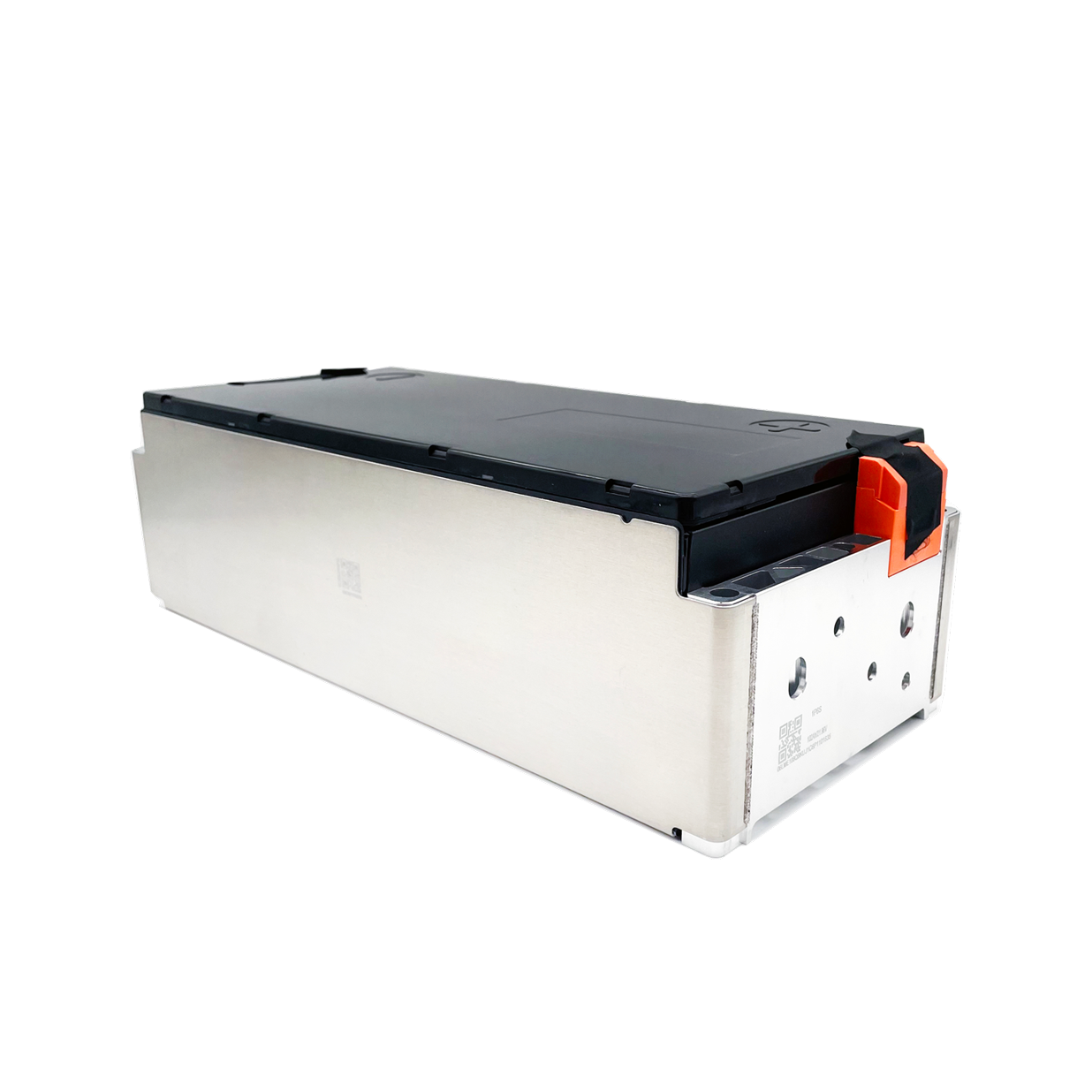
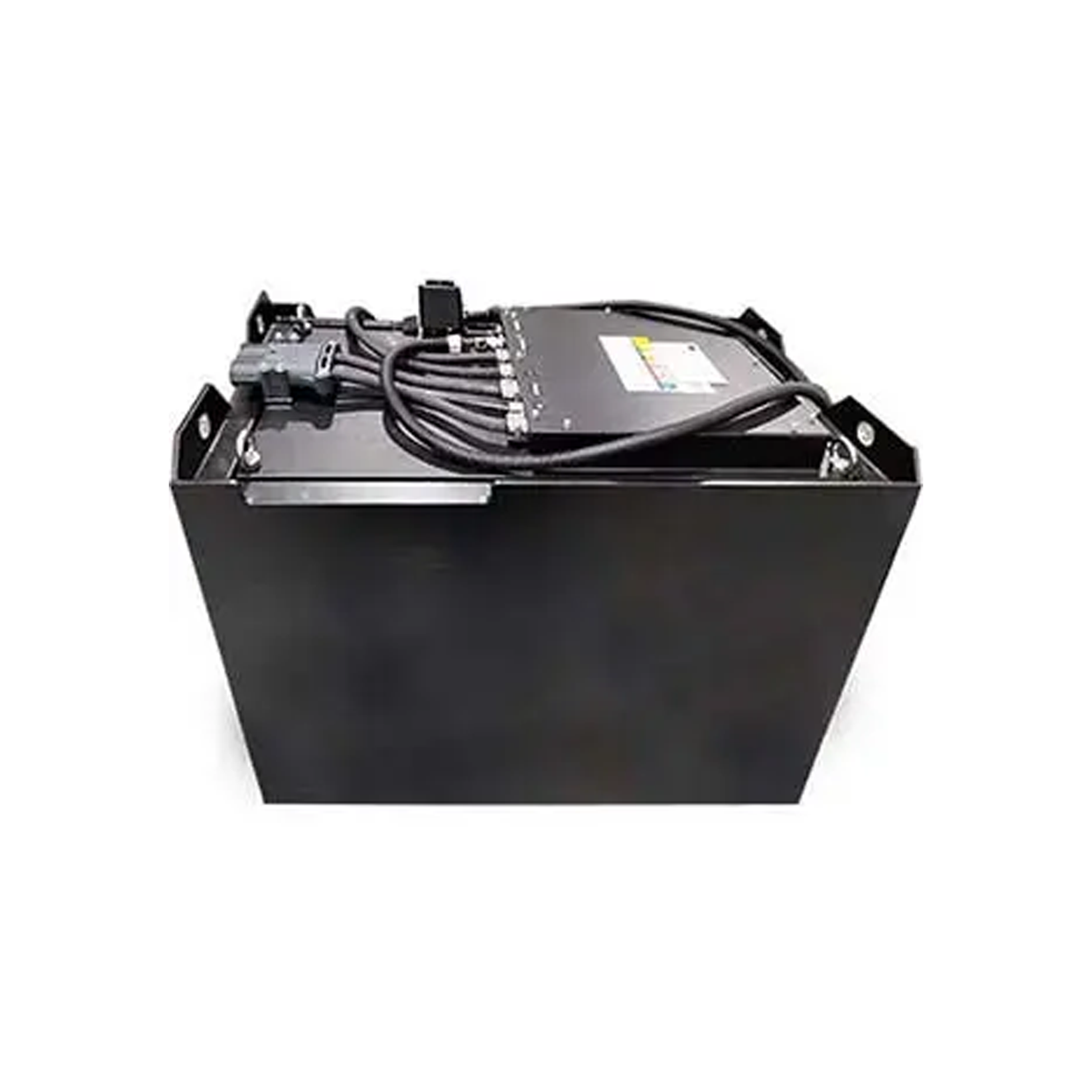
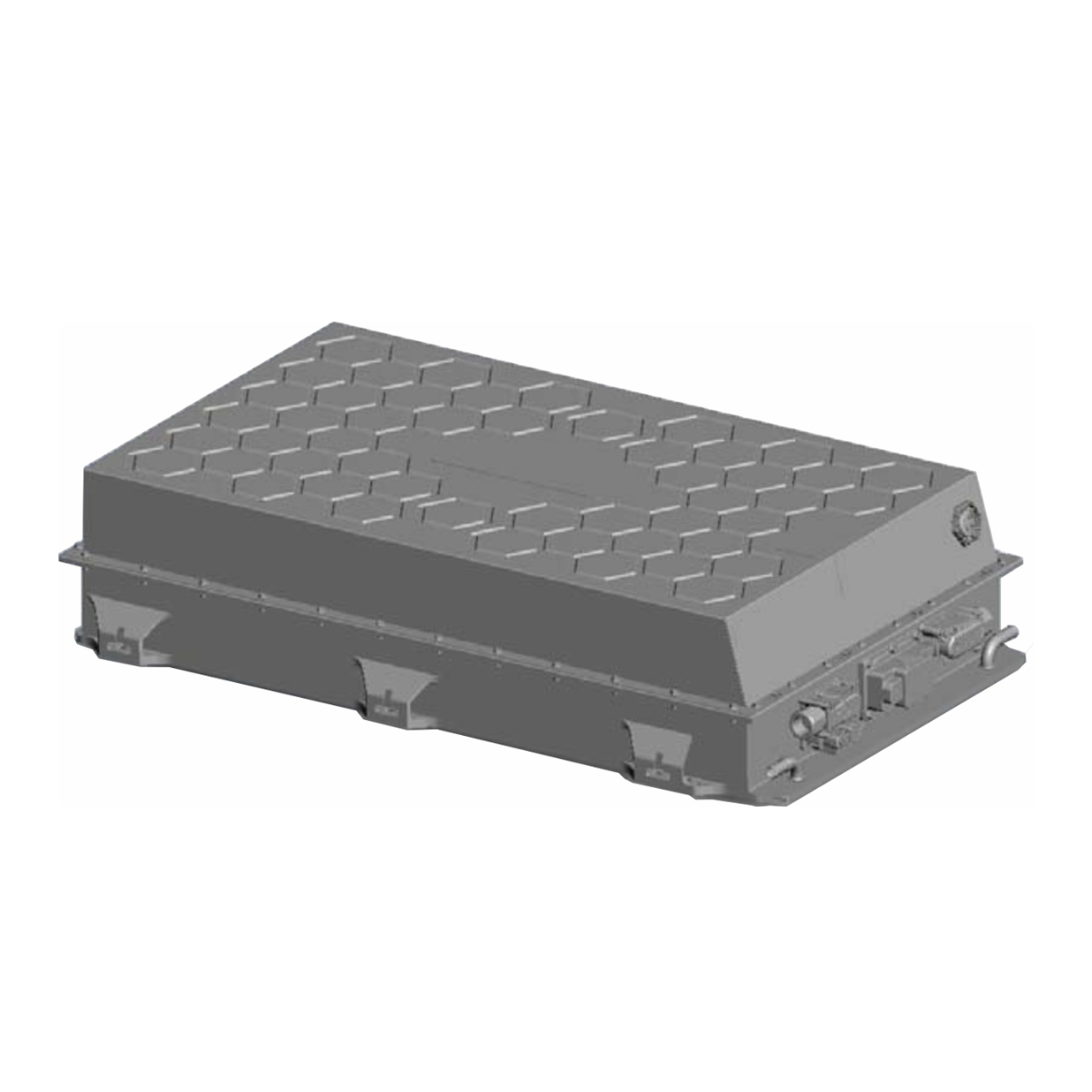
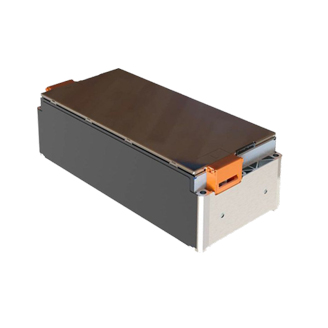
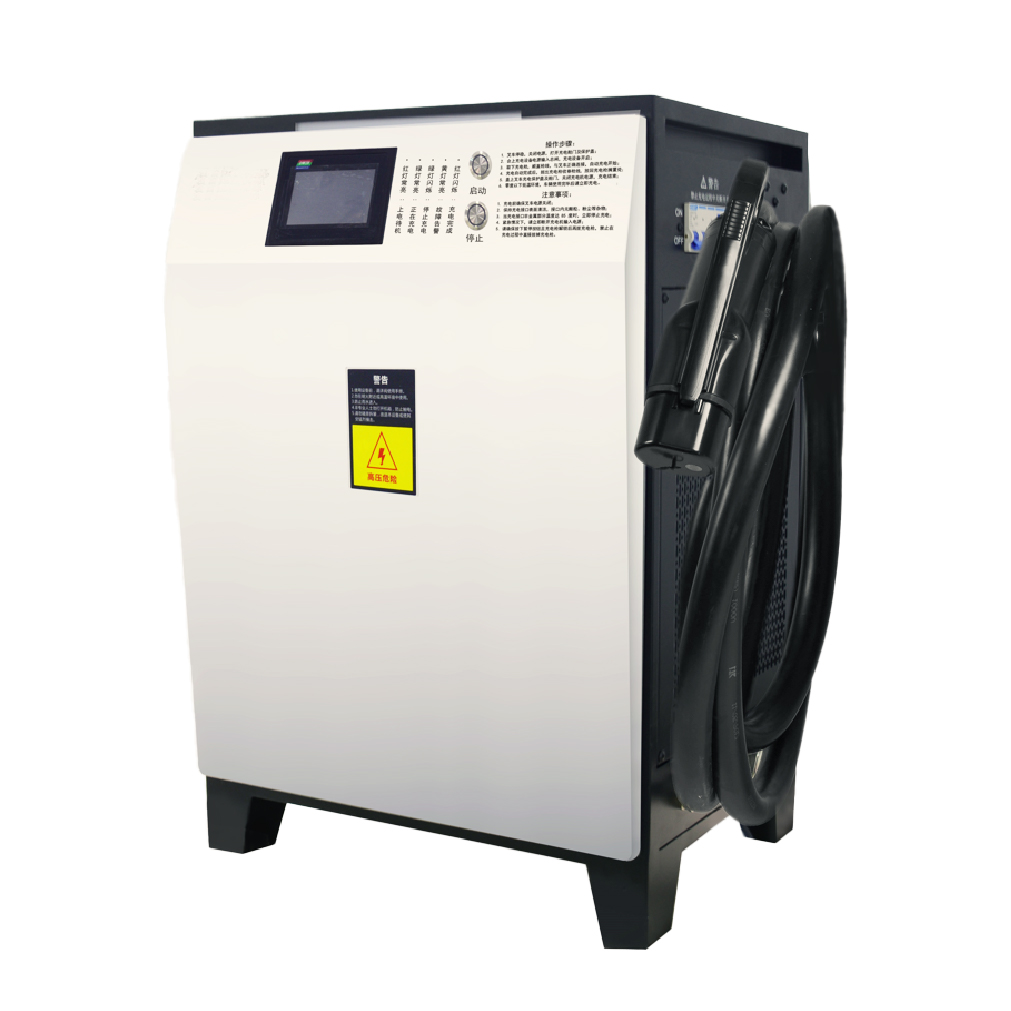
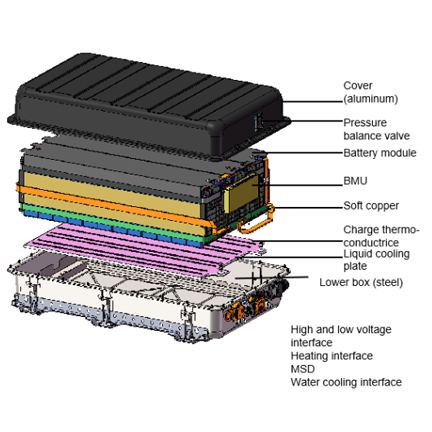
Its current forklift battery portfolio includes:
Its customization platform can adapt:
Outer enclosure
Additional ballast
Connector
Capacity
Vehicle CAN
Charger communication
This is useful when the original lead-acid truck is still mechanically valuable but needs a new energy system.
For either a Yale battery or Jungheinrich Forklift Battery, third-party fitment still requires model-specific verification.
Which Is Better for 24V Warehouse Equipment?
Jungheinrich has a particularly mature portfolio of 24V lithium warehouse equipment.
Examples include the ERC 214bi/216bi stackers and ERD 220i, both built around 24V electrical systems.
For pallet transport, stacking and automated warehouse applications, Jungheinrich's integrated lithium architecture is therefore highly competitive.
Which Is Better for 48V Equipment?
Both brands are strong.
Jungheinrich's EFG 213–220 electric forklifts use 48V systems, while the ESE 430 likewise operates on 48V.
Yale has numerous 48V counterbalance options, including its ERC series and 51.2V LFP battery configurations for selected trucks.
At 48V, the decision should therefore be based more on truck model and duty cycle than battery technology alone.
Which Lithium Option Wins?
For warehouse-centric operations, particularly pallet handling, stacking, tow tractors, automation and frequent intermediate charging, Jungheinrich has a strong advantage because lithium technology is deeply integrated into its intralogistics products.
For mixed counterbalance fleets requiring 36V, 48V or 80V configurations, Yale provides very broad electrical flexibility and a clearly defined LFP battery/charger ecosystem.
For an existing lead-acid fleet, neither brand automatically wins. The important questions are:
What voltage does the truck require?
How many kWh are used per shift?
How much charging time is available?
What battery weight is required?
What CAN protocol must be supported?
Does the battery fit the existing compartment?
LITHIUM STORAGE provides customized lithium replacements for both Yale and Jungheinrich equipment and can configure voltage, capacity, enclosure, ballast, connectors and communication for specific forklift models.
The best Jungheinrich Forklift Battery or Yale lithium battery is therefore the one that fits the truck's real duty cycle—not simply the battery with the largest Ah capacity or the highest advertised cycle count.