Forklift Lithium Battery Manufacturer│LITHIUM STORAGE Forklift Lithium Battery Manufacturer│LITHIUM STORAGE
KB19

What Lead Time and MOQ to Expect from Lithium Battery Manufacturers

MOQ and lead time are among the first commercial questions industrial buyers ask, but lithium battery suppliers rarely have one meaningful number that applies to every order.

A standard battery cell or existing module can often move through quotation, sampling and production relatively quickly. A custom battery pack may require drawings, cell selection, prototype manufacturing, BMS integration, testing and customer approval before mass production begins.

For this reason, a Lithium Battery Module Manufacturer should quote MOQ and lead time against the exact project rather than publishing one number for all products.

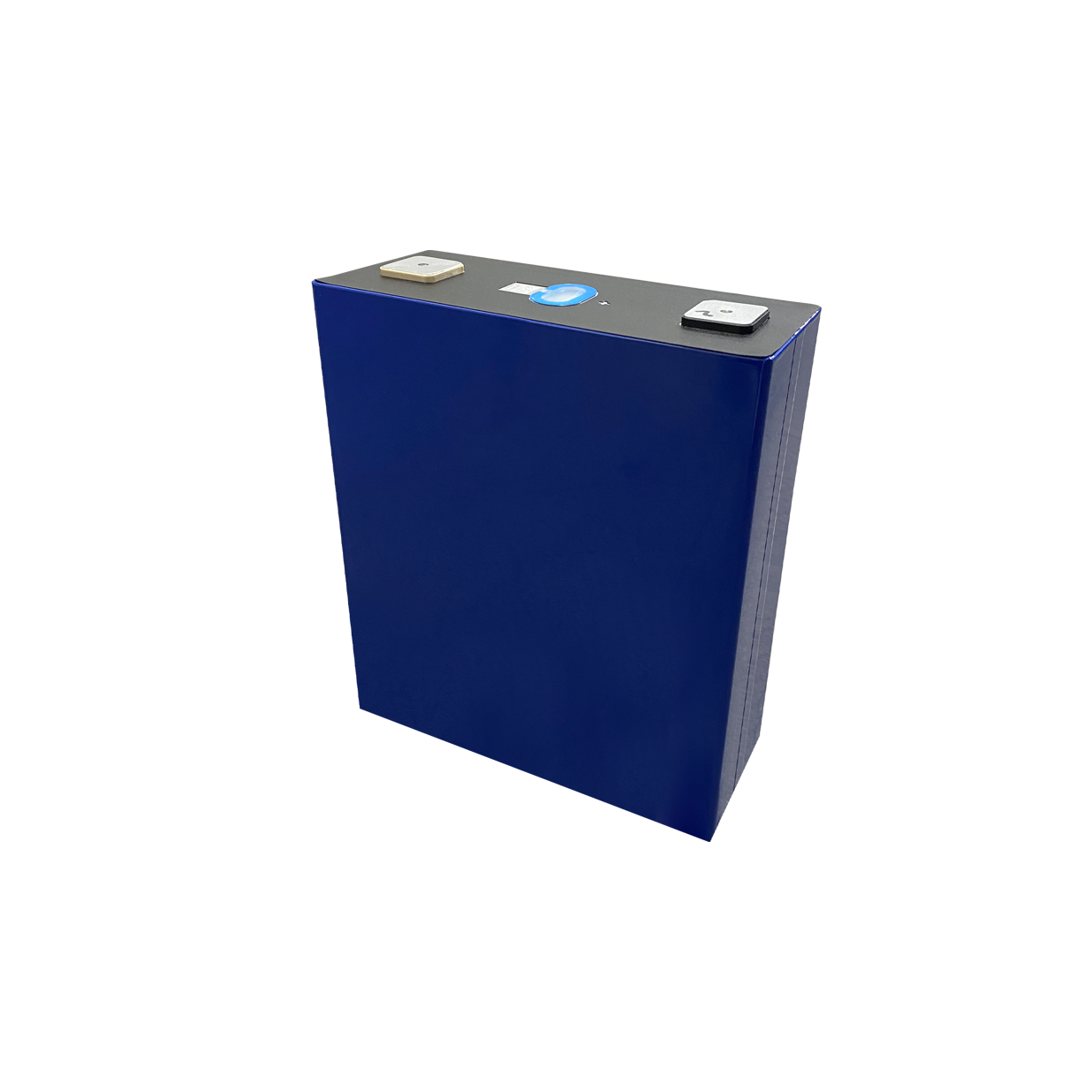
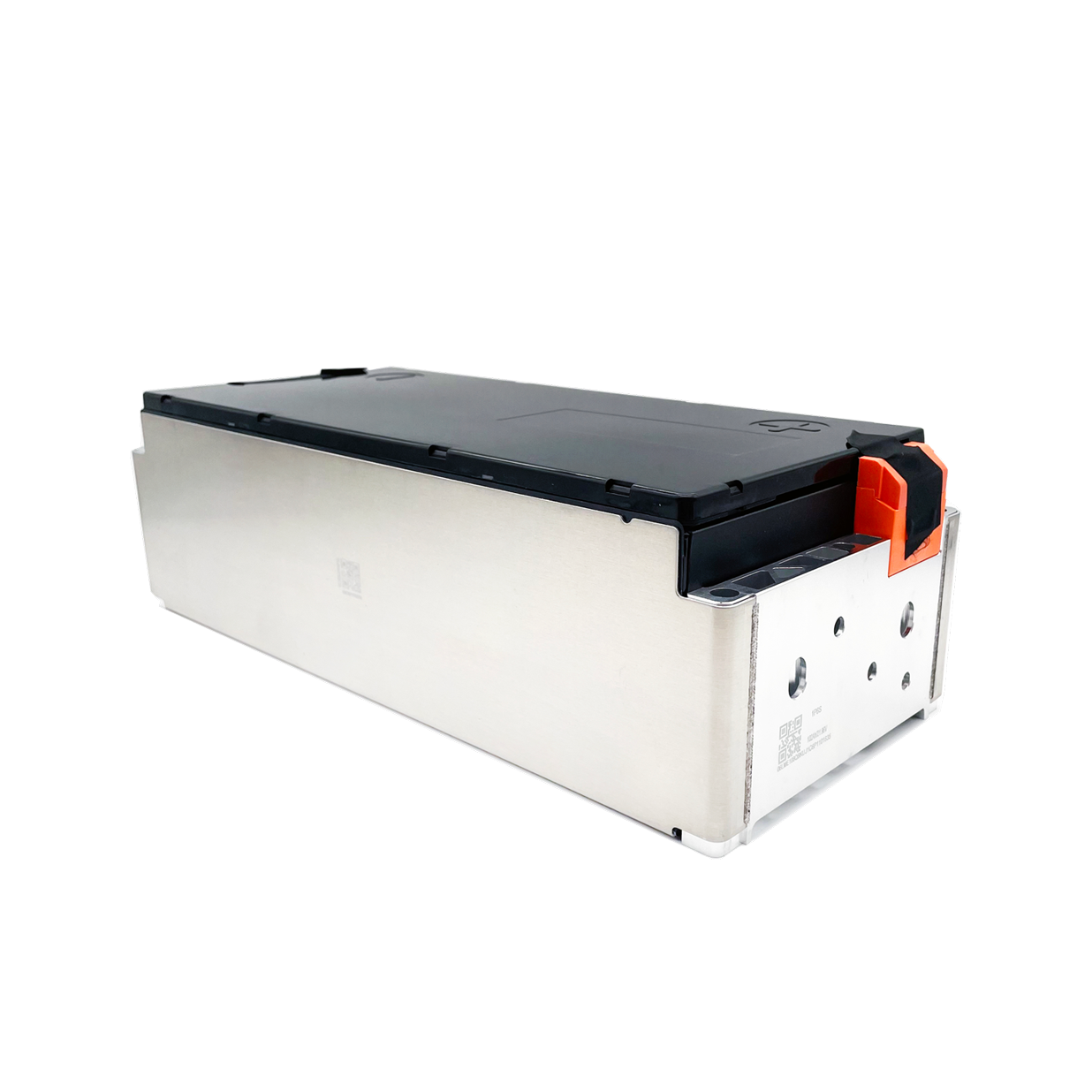
LITHIUM STORAGE's current module portfolio includes standardized LFP and NCM modules while also supporting customized banding and frame-welded module structures.

Why Standard Modules Usually Have Shorter Lead Times

A standard module already has known:

  • Cell format

  • module dimensions

  • busbar design

  • mechanical structure

  • production tooling

LITHIUM STORAGE's LFP50–302Ah module family includes established 1P4S and 1P8S configurations, while its NCM portfolio includes standardized VDA-format modules.

For these products, the main commercial variables are usually:

  • stock/material availability

  • quantity

  • production schedule

  • testing

  • shipping

Development work is relatively limited.

Custom Modules Add Engineering Time

LITHIUM STORAGE offers both banding and frame-welded module structures. It describes banding modules as providing greater dimensional flexibility, while frame-welded designs provide greater structural strength for harsh vehicle environments.

A custom module may require agreement on:

  • cell quantity

  • series/parallel arrangement

  • module dimensions

  • busbars

  • terminals

  • temperature sensors

  • mounting

The buyer should therefore separate:

engineering lead time

from

mass-production lead time.

A Typical Project Has Several Stages

Rather than expecting one delivery date, industrial buyers should plan around these commercial stages:

Project StageWhat Happens
Technical confirmationVoltage, Ah, dimensions and application reviewed
QuotationProduct, MOQ and commercial terms confirmed
Sample/prototypeInitial units manufactured
Customer testingElectrical/mechanical validation
Design freezeFinal configuration approved
Pilot batchManufacturing process confirmed
Mass productionRecurring orders begin
Dangerous-goods shippingTransport documentation and logistics

A standard module may skip much of the prototype engineering.

A customized pack cannot.

Why MOQ Varies

MOQ is influenced by several cost drivers.

Existing Product

If the manufacturer already produces the exact module, lower-volume orders may be commercially practical.

Custom Components

A unique plastic component, busbar, enclosure or PCB may have its own supplier MOQ.

Cell Batch Requirements

Industrial buyers often require cells from controlled production batches. The quantity needed to maintain consistency can affect MOQ.

Certification

If the buyer requires new product-level certification, very small commercial quantities may not justify project cost.

Production Setup

Factories need to balance line setup, testing and quality-control effort against order volume.

This is why asking “What is your MOQ?” before giving technical specifications often produces an unhelpful answer.

LITHIUM STORAGE Does Not Publish One Universal MOQ

The current LITHIUM STORAGE module page describes available standard and customized modules but does not publish one fixed MOQ applicable to every module project.

That is reasonable because MOQ for an existing LFP280Ah 1P8S module cannot logically be the same commercial calculation as a newly engineered frame-welded module.

Buyers should therefore request the MOQ for the specific configuration.

The Website Also Does Not Publish One Universal Lead Time

Likewise, the current product information does not state a single standard manufacturing lead time for all lithium modules.

Avoid assuming a generic figure such as “15 days” or “30 days” unless it appears in the quotation for the specific order.

Lead time can change with:

  • cell inventory

  • production capacity

  • custom tooling

  • BMS availability

  • testing

  • order volume

  • export logistics

Ask for Three Different Lead Times

For better project planning, ask the supplier to quote:

Sample lead time
How long until the first qualification units are available?

First production lead time
How long after sample approval until the initial production batch?

Repeat-order lead time
How quickly can an unchanged design be supplied later?

These three numbers are often much more useful than one general lead-time promise.

Transportation Can Add Significant Time

Lithium batteries are dangerous goods for transport.

UN38.3 documentation and appropriate shipping arrangements need to be prepared for international transportation. The UN Manual of Tests and Criteria contains the lithium battery transport test requirements in subsection 38.3.

LITHIUM STORAGE maintains downloadable documentation for its battery cells and modules, including relevant datasheets and certification information.

Industrial buyers should therefore separate:

factory production date

from

arrival date at destination.

Sea freight, dangerous-goods booking and customs clearance can materially affect total delivery time.

How to Get a More Accurate Quotation

Send the Lithium Battery Module Manufacturer:

  • Chemistry

  • voltage

  • Ah

  • required series/parallel configuration

  • dimensions

  • quantity for sample

  • expected annual demand

  • application

  • certifications required

  • destination country

  • project schedule

The annual demand is particularly important.

A supplier may accept a small engineering sample because the project has meaningful future production potential.

Standardization Usually Improves Both MOQ and Lead Time

If project schedule is important, start with existing products.

LITHIUM STORAGE currently offers standardized LFP modules from 50Ah through 302Ah and multiple NCM VDA modules.

Customizing only the higher-level pack can sometimes be faster and more economical than developing a unique module.

For industrial procurement, the correct expectation is therefore:

standard products generally provide the simplest MOQ and shortest path to delivery; customized modules require additional engineering, validation and production planning.

Rather than relying on generic online lead-time or MOQ claims, request a quotation that clearly separates samples, first production, repeat production and logistics for the exact battery configuration being purchased.


Latest News & Blog in Lithium Storage

+86-18686976230
info@lslithiumbattery.com
0086-025-8773-9887
Register to download
close