When an industrial forklift battery reaches the end of its working life, it should not be treated as ordinary factory waste. Both lead-acid and lithium-ion batteries contain materials that require controlled collection, transport and processing.
The two technologies present different environmental risks. Lead-acid batteries contain lead and sulfuric acid, while lithium-ion batteries contain flammable electrolytes and recoverable metals that vary according to the battery chemistry. Neither battery should be sent to general waste, mixed recycling or an unverified scrap processor.
For buyers evaluating an Industrial Lithium Ion Battery, the environmental comparison should therefore focus on what happens after removal from the forklift: how the battery is stored, who collects it, how it is transported, which materials are recovered and whether the recycler operates under recognized environmental controls.
End of Service Does Not Mean Immediate Disposal
A forklift battery is normally removed from service when it can no longer provide the runtime, current or reliability required by the application. This does not always mean that every cell or component is unusable.
The end-of-life process can include:
Inspection → isolation → data review → repair assessment → reuse evaluation → recycling
For lithium batteries, the supplier or service company can first inspect the BMS records, cell voltages, temperature history and fault data. Some packs can be repaired by replacing modules, connectors or control components. Others can potentially be evaluated for a less demanding second-life application, although this requires technical assessment and should not be assumed for every industrial pack.
Lead-acid batteries are less commonly repurposed as complete industrial packs. They normally enter an established recycling process in which the lead, plastic casing and electrolyte are separated and treated.
Recycling should therefore come after a qualified assessment of whether safe repair or reuse remains technically and economically practical.
The Lead-Acid Disposal Path: A Mature Recycling Loop with Serious Material Risks
Lead-acid batteries have one of the most established recycling infrastructures of any commercial battery technology.
In the United States, the EPA reports that approximately 99% of lead-acid batteries are recycled annually. Disposal bans, core-charge systems and established relationships among retailers, collectors and recyclers have helped create this high collection rate.
A typical lead-acid recycling process separates the battery into three main material streams:
The recovered lead can return to battery manufacturing, while the plastic casing can be processed into recycled polypropylene. The electrolyte can be neutralized, treated or converted into another usable material, depending on the recycling process and local regulations.
This closed-loop capability is an important environmental characteristic of lead-acid technology. However, a high recycling rate does not mean the material is environmentally harmless.
Lead is toxic, and improper handling can release lead particles, fumes and contaminated wastewater into surrounding soil, air and water. UNEP warns that informal or poorly controlled used lead-acid battery recycling can create substantial environmental contamination and serious health risks for workers and nearby communities.
The environmental result therefore depends heavily on where and how the battery is recycled.
A lead-acid battery sent to a licensed, controlled recycling facility follows a very different environmental pathway from one sold to an informal operator using open breaking, uncontrolled smelting or inadequate wastewater treatment.
What Happens When a Lead-Acid Battery Is Disposed of Incorrectly?
A damaged or abandoned lead-acid battery can leak sulfuric acid and lead-contaminated material.
The EPA warns that landfilling used lead-acid batteries can allow corrosion and the release of lead and sulfuric acid, potentially contaminating water sources. Burning or uncontrolled thermal processing can also release lead into ash or air emissions.
Environmental risks include:
Lead contamination of soil
Acid discharge into drains or groundwater
Airborne emissions from uncontrolled smelting
Worker exposure during manual battery breaking
Contamination of transport vehicles and storage areas
Improper disposal of contaminated separators and sludge
For this reason, environmental purchasing policies should not simply state that the battery is “recyclable.” They should identify the approved collection and recycling route.
The Lithium-Ion Disposal Path: Valuable Materials with More Complex Handling
Lithium-ion battery recycling is developing rapidly, but collection systems and processing capacity are not yet as uniform as the mature lead-acid recycling network.
The EPA states that end-of-life lithium-ion batteries contain valuable critical minerals and should be sent to specialized recyclers rather than placed in general trash or ordinary recycling streams. Improperly discarded lithium batteries can start fires during collection, transportation, sorting or waste processing.
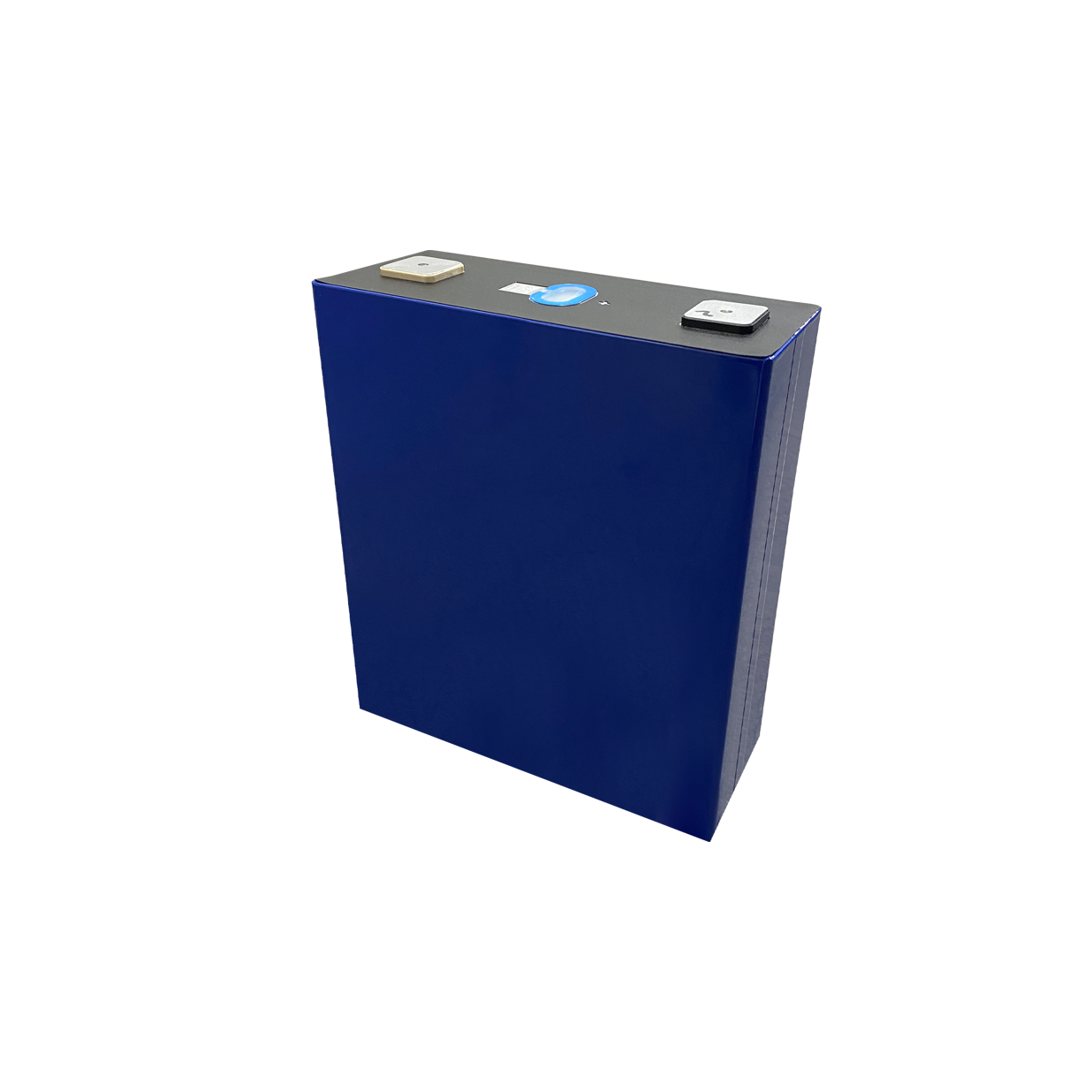
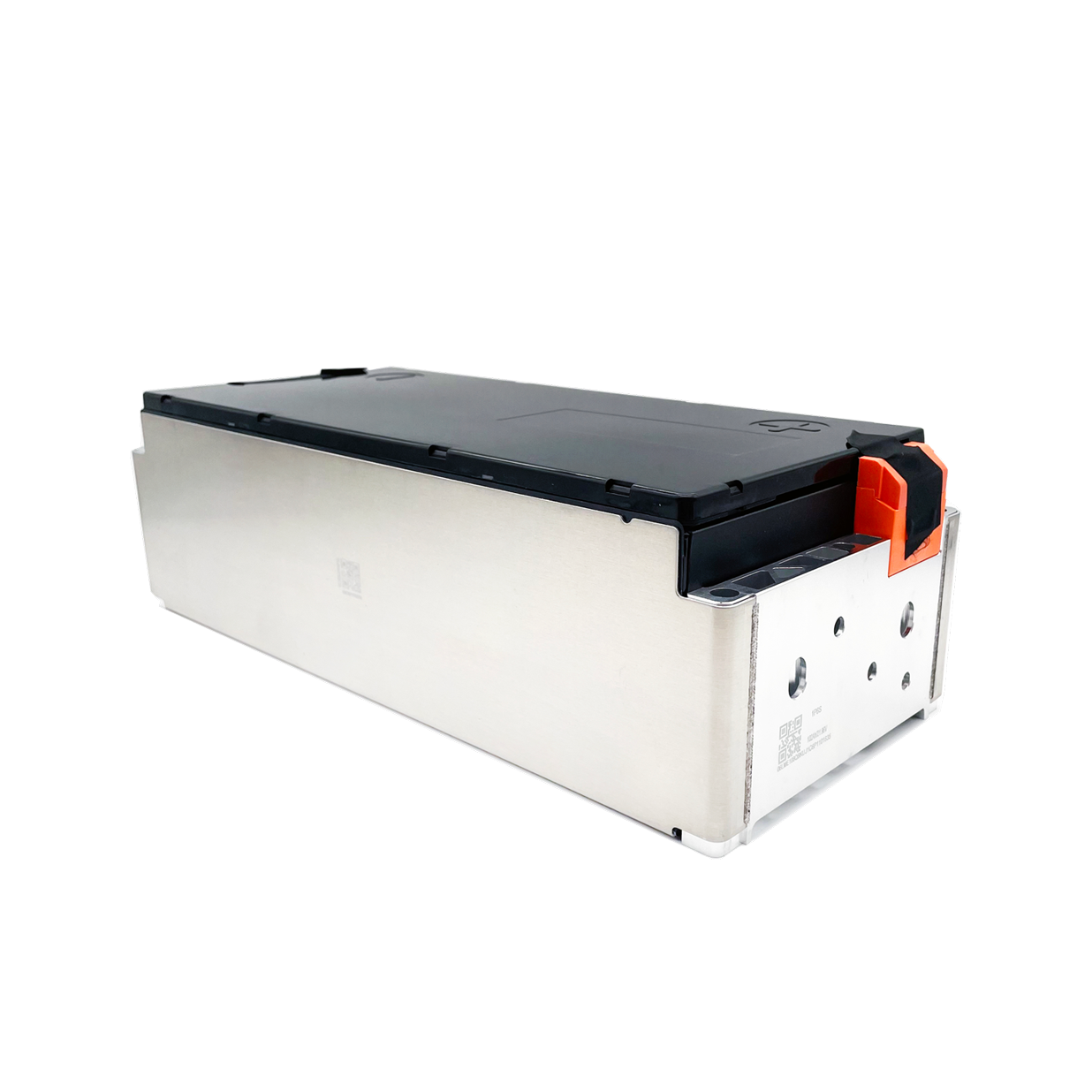
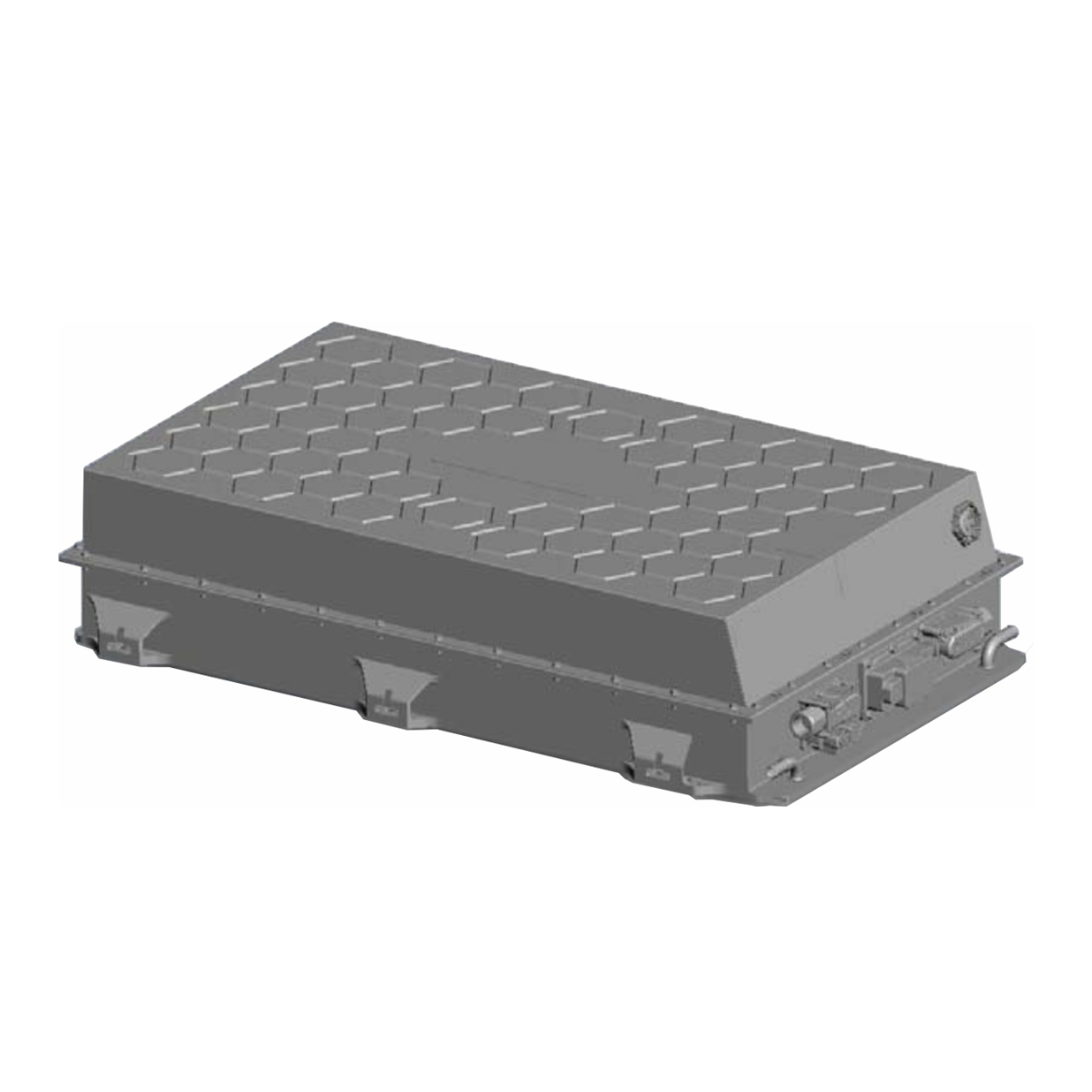
An industrial lithium battery can contain:
Steel or aluminum enclosure materials
Copper and aluminum conductors
Electronic control components
Battery modules and cells
Electrolyte
Lithium and other chemistry-dependent electrode materials
The exact recycling value and process depend on the chemistry. Forklift batteries commonly use lithium iron phosphate, or LiFePO4, but industrial lithium-ion batteries can also use other chemistries.
Lithium recycling can involve combinations of:
Mechanical disassembly
Discharging and electrical isolation
Shredding
Physical material separation
Thermal treatment
Hydrometallurgical processing
Direct material recovery
The recovered materials can re-enter battery, metal or industrial supply chains, depending on their purity and the recycler’s process.
Lithium Batteries Should Not Enter Ordinary Scrap Streams
An industrial lithium battery can retain substantial electrical energy even when it no longer powers a forklift for a full shift.
A damaged pack can also contain unstable cells, internal short circuits or compromised insulation. These conditions can create fire risks during handling, crushing and transportation.
The EPA notes that many discarded lithium-ion batteries are likely to display ignitable or reactive hazardous-waste characteristics when they reach end of life. It also emphasizes that mismanaged or damaged batteries are more likely to create fires in the waste stream.
Before transportation, a used industrial lithium battery can require:
State-of-charge reduction
Terminal protection
Electrical isolation
Damage inspection
Fire-resistant or approved packaging
Identification of the battery chemistry
Dangerous-goods documentation
Coordination with an authorized carrier
Emergency-response information
The exact requirements depend on battery condition, transport mode, country and local regulations.
A working used battery and a damaged, defective or recalled battery might be subject to different packaging and transport procedures. Buyers should therefore avoid arranging end-of-life shipment through a general freight company without confirming dangerous-goods capability.
Which Battery Has the Lower Disposal Impact?
There is no single answer that applies across every country and recycling network.
Lead-acid batteries benefit from a mature collection system and high material recovery rates in markets with established recycling infrastructure. In the United States, the reported collection rate is approximately 99%. However, the presence of lead and sulfuric acid creates significant environmental and health consequences when collection or recycling is poorly controlled.
Lithium-ion batteries avoid the lead and liquid-acid waste stream associated with flooded lead-acid batteries. However, they require specialized handling because of stored electrical energy, flammable components and transportation risks. Their collection and recycling infrastructure also varies more widely between markets.
The practical environmental result depends on four questions:
Is the battery collected?
A theoretically recyclable battery provides little environmental value when it is abandoned, exported through uncontrolled channels or placed in general waste.
Is the recycler technically qualified?
Controlled recycling requires suitable air-emission systems, wastewater treatment, worker protection, fire management and material-tracking procedures.
How much useful material is recovered?
Collection does not automatically mean high-value recycling. Buyers should distinguish between simple waste treatment and processes that recover materials for further industrial use.
Is the process traceable?
A documented chain of custody allows the battery owner to confirm where the battery went and how it was treated.
Recycling Rate and Recycling Efficiency Are Different
These two terms are often confused.
Collection or recycling rate normally describes the percentage of end-of-life batteries that enter a recycling system.
Recycling efficiency describes how much of the battery’s mass is recovered through the recycling process.
A market can have a high collection rate but still recover some materials more effectively than others. Conversely, a technically advanced recycling facility cannot produce a strong environmental result when batteries are not collected and delivered to it.
For buyers operating in the European Union, Regulation (EU) 2023/1542 introduces requirements covering battery sustainability, collection, recycling, producer responsibility and material recovery. The European Commission also issued updated rules in July 2025 for calculating and verifying recycling efficiency and material recovery from waste batteries.
This means industrial battery procurement increasingly involves not only product performance but also producer registration, take-back responsibility, documentation and end-of-life traceability.
Service Life Changes the Environmental Disposal Calculation
Disposal impact should not be evaluated only per battery. It should also be considered in relation to the amount of useful work delivered before the battery reaches end of life.
Assume a warehouse requires a defined amount of battery energy over ten years.
If one battery system requires several replacements during that period while another requires fewer replacements, the two systems generate different quantities of:
This does not mean that a battery with a longer advertised cycle life automatically has a lower lifecycle impact. The comparison should account for:
Battery capacity
Depth of discharge
Actual cycle life
Calendar life
Charging efficiency
Maintenance
Battery weight
Replacement frequency
Recycling recovery
Transport distance
A larger lithium battery can use more material at the start but remain in service for more operating cycles. A lead-acid battery can have a highly developed recycling pathway but require more frequent replacement in a high-utilization operation.
The more useful comparison is therefore:
Environmental impact per lifetime kWh delivered
or:
Environmental impact per productive forklift operating hour
Battery Weight Also Affects End-of-Life Logistics
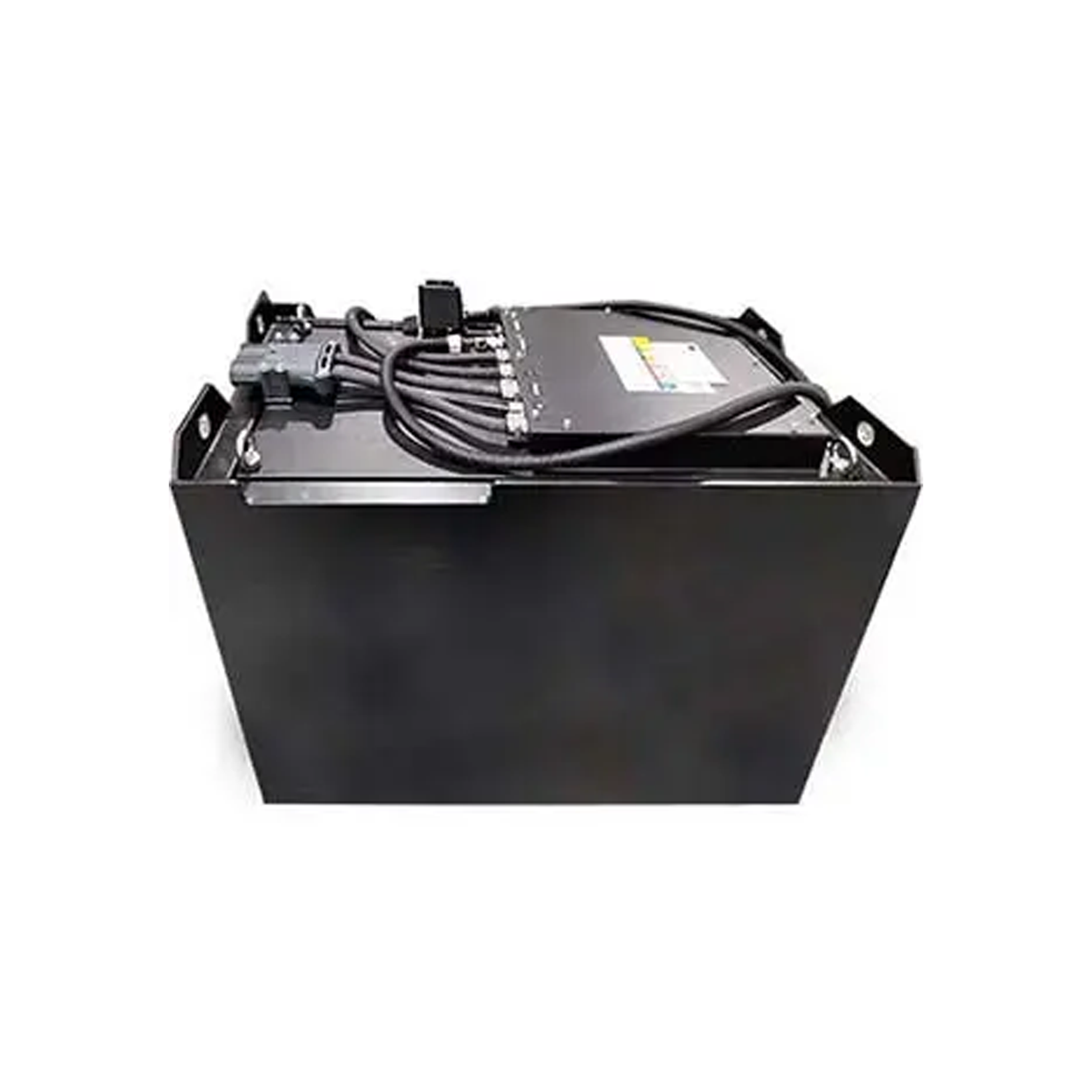
Industrial forklift batteries can weigh hundreds or thousands of kilograms. Their weight influences both forklift stability and end-of-life transportation.
Lead-acid batteries generally contain substantial quantities of lead and electrolyte. Lithium replacements can use integrated ballast to meet the forklift’s minimum battery-weight requirement.
When ballast is included, buyers should ask:
Can the ballast be separated from the battery modules?
What material is used?
Can the steel enclosure and ballast be recycled locally?
Does the recycler accept the complete battery assembly?
Must the electronics, modules and ballast be shipped separately?
Who pays for disassembly and transport?
A battery designed for easier separation can simplify recycling. A pack containing permanently joined cells, electronics, enclosure materials and ballast can require more labor and specialized processing.
Repairability Can Delay Disposal
The ability to replace modules, contactors, connectors, sensors or control components can extend the service period of an industrial lithium battery.
For example, a battery should not necessarily be scrapped because of:
A damaged connector
A failed display
A communication problem
A contactor fault
One defective module
Enclosure damage
Whether repair is possible depends on the battery design, supplier support and remaining condition of the other components.
Before purchase, industrial buyers should ask:
Is the battery module-based?
Can individual modules be replaced?
Are diagnostic tools available?
Can the BMS be updated?
Are replacement components stocked?
How long will parts remain available?
Can repairs be completed locally?
Does opening the battery affect the warranty?
A repairable battery can avoid premature disposal, but repairs must be performed by trained personnel using approved procedures. Unauthorized pack opening can create electrical, fire and warranty risks.
Second-Life Use Requires Technical Evidence
A forklift battery removed because it no longer completes an intensive shift can still retain part of its original capacity.
This sometimes creates interest in second-life applications. However, reassignment should not be based only on the battery turning on or displaying a certain state of charge.
A second-life assessment should examine:
Remaining usable capacity
Internal resistance
Cell-voltage variation
Temperature history
Fault history
Insulation condition
Enclosure condition
BMS functionality
Previous charging and discharge rates
Suitability for the new application
Liability, certification, fire protection and warranty also need to be considered.
When no qualified second-life pathway exists, controlled recycling is generally more appropriate than informal reuse.
Environmental Risks During On-Site Storage
Environmental responsibility begins before the recycler arrives.
Used Lead-Acid Batteries
Store them upright in a controlled area with:
Acid-resistant containment
Protection from impact
Ventilation appropriate to the storage conditions
Damaged-battery isolation
Spill-response materials
Clear labeling
Restricted access
Used Lithium-Ion Batteries
Store them with:
Protected and isolated terminals
Physical separation from combustible materials
Damage inspection
Controlled temperature
Protection from water and impact
Fire-response planning
Clear chemistry and condition labels
Separate handling for damaged batteries
A battery that is swollen, punctured, overheated, leaking or showing abnormal voltage should not remain in the normal used-battery storage area.
How Procurement Decisions Influence Disposal Years Later
End-of-life management should be discussed before the purchase order is issued.
Environmental questions for the supplier include:
Who owns the battery at end of life?
Does the supplier provide a take-back program?
In which countries is collection available?
Is return freight included?
Which recycler receives the battery?
Can the supplier provide a recycling certificate?
Are modules repairable before complete recycling?
How is battery data removed or handled?
Who manages dangerous-goods packaging?
What happens to the enclosure, electronics and ballast?
Are damaged batteries covered by the take-back arrangement?
Which environmental and transport documents are supplied?
A lower purchase price can become less attractive when the buyer later discovers that no local recycler accepts the battery or that international return shipment is expensive.
Environmental Comparison for Different Warehouse Situations
A Single-Shift Warehouse with Existing Lead-Acid Infrastructure
Where batteries are used lightly, maintained correctly and returned through a documented recycling system, retaining the existing lead-acid fleet can avoid premature disposal of batteries and chargers that still have useful life.
Replacing functioning batteries solely to change chemistry can create unnecessary manufacturing and waste impacts.
A High-Utilization Multi-Shift Warehouse
Where lead-acid batteries are replaced frequently, require several packs per forklift and generate substantial maintenance and transport activity, a longer-service-life lithium system can reduce the number of batteries entering the waste stream over the evaluation period.
The result should be confirmed using actual replacement history rather than a general cycle-life claim.
A Market with Strong Lead Recycling but Limited Lithium Processing
Lead-acid disposal can be easier to manage locally. Lithium batteries might need to be transported over a greater distance to an approved processor, increasing logistics complexity.
A Market with Formal Lithium Take-Back and Traceability
A lithium system can provide a documented route for pack collection, module assessment and material recovery. Supplier participation becomes important because industrial packs are not suitable for ordinary municipal battery collection points.
Environmental Claims Buyers Should Treat Carefully
Statements such as “100% recyclable,” “zero waste” or “completely green” require evidence.
Ask what the claim actually means:
Is every component technically recyclable?
Is every component economically recovered?
Is a recycler available in the destination country?
Is the stated percentage based on battery mass?
Does it include the electrolyte?
Does it refer to laboratory capability or actual commercial recovery?
Does the recycler issue a certificate?
Are materials recycled into new batteries or downcycled into lower-value uses?
A recyclable product is not automatically recycled. Collection, transport, processing capacity and commercial incentives all influence the final outcome.
A Practical End-of-Life Plan for Industrial Batteries
An environmental plan can be organized into five stages.
Stage 1: Register Every Battery
Record the serial number, chemistry, voltage, capacity, weight, installation date and supplier.
Stage 2: Track Battery Condition
Use inspection records, charger data or BMS information to identify capacity loss, temperature events and faults.
Stage 3: Define Removal Criteria
Decide when a battery should be removed because of reduced runtime, physical damage, safety alarms or economic repair limits.
Stage 4: Select the Disposal Route
Choose between qualified repair, approved second-life assessment and recycling.
Stage 5: Retain Documentation
Keep collection records, dangerous-goods documents, recycler details and recycling or destruction certificates.
This process allows procurement, operations and environmental teams to account for the battery from installation through final treatment.
 EN
EN
 fr
fr  de
de  it
it  ru
ru  es
es  pt
pt  tr
tr  jp
jp  ar
ar  th
th 


 No.9 East Mozhou Road, Jiangning District, 211111, Nanjing City, China