Forklift Lithium Battery Manufacturer│LITHIUM STORAGE Forklift Lithium Battery Manufacturer│LITHIUM STORAGE
KB19

LFP Battery Packs for Electric Commercial Vehicles: 2025 Buyer Guide

For commercial EV buyers, battery selection is fundamentally different from choosing a passenger-car battery. Trucks, buses and heavy-duty vehicles accumulate more operating hours, carry larger loads and often need predictable serviceability across fleet-scale deployments.

For these applications, standardized LFP battery packs can simplify vehicle integration and reduce the need to create an entirely new pack for every chassis.

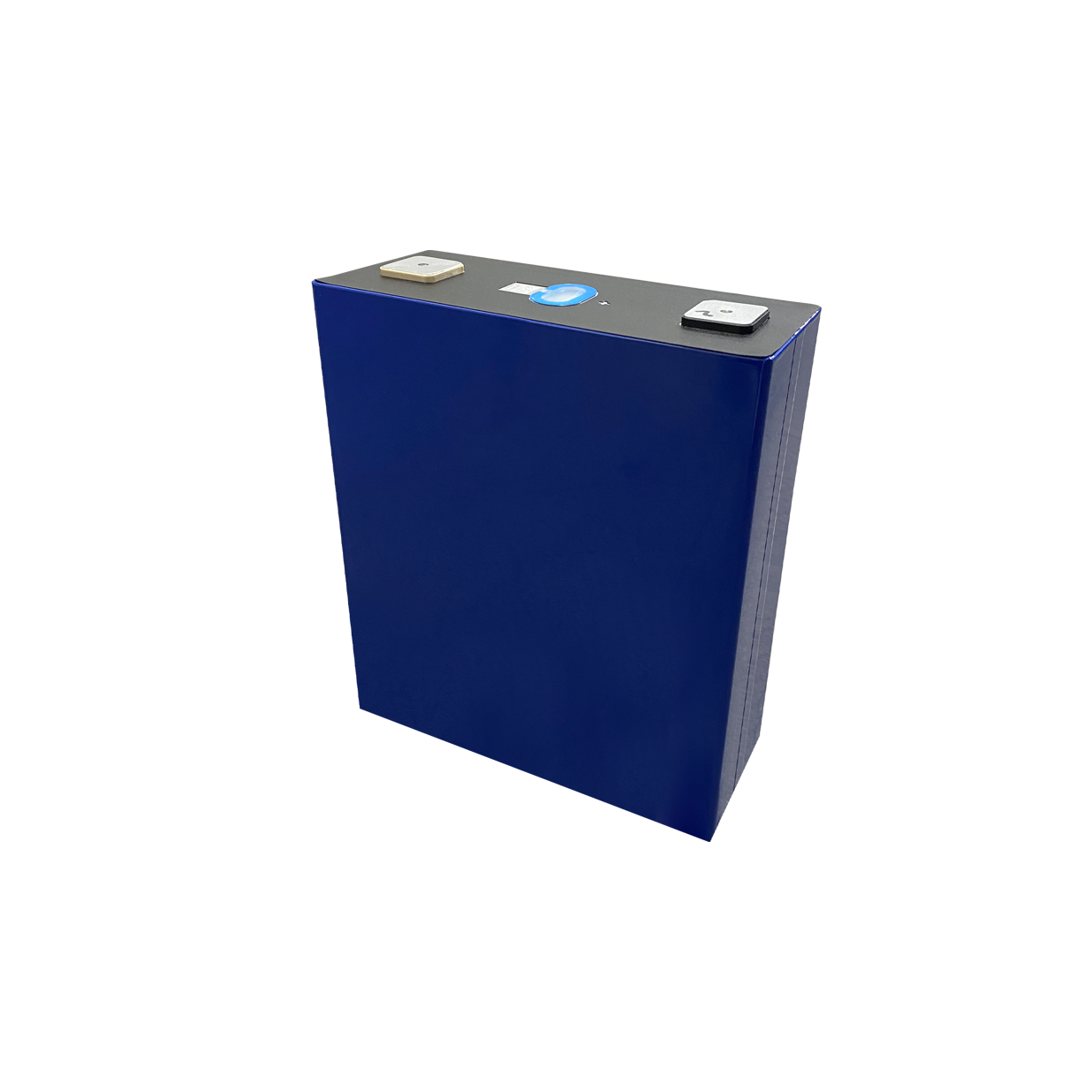
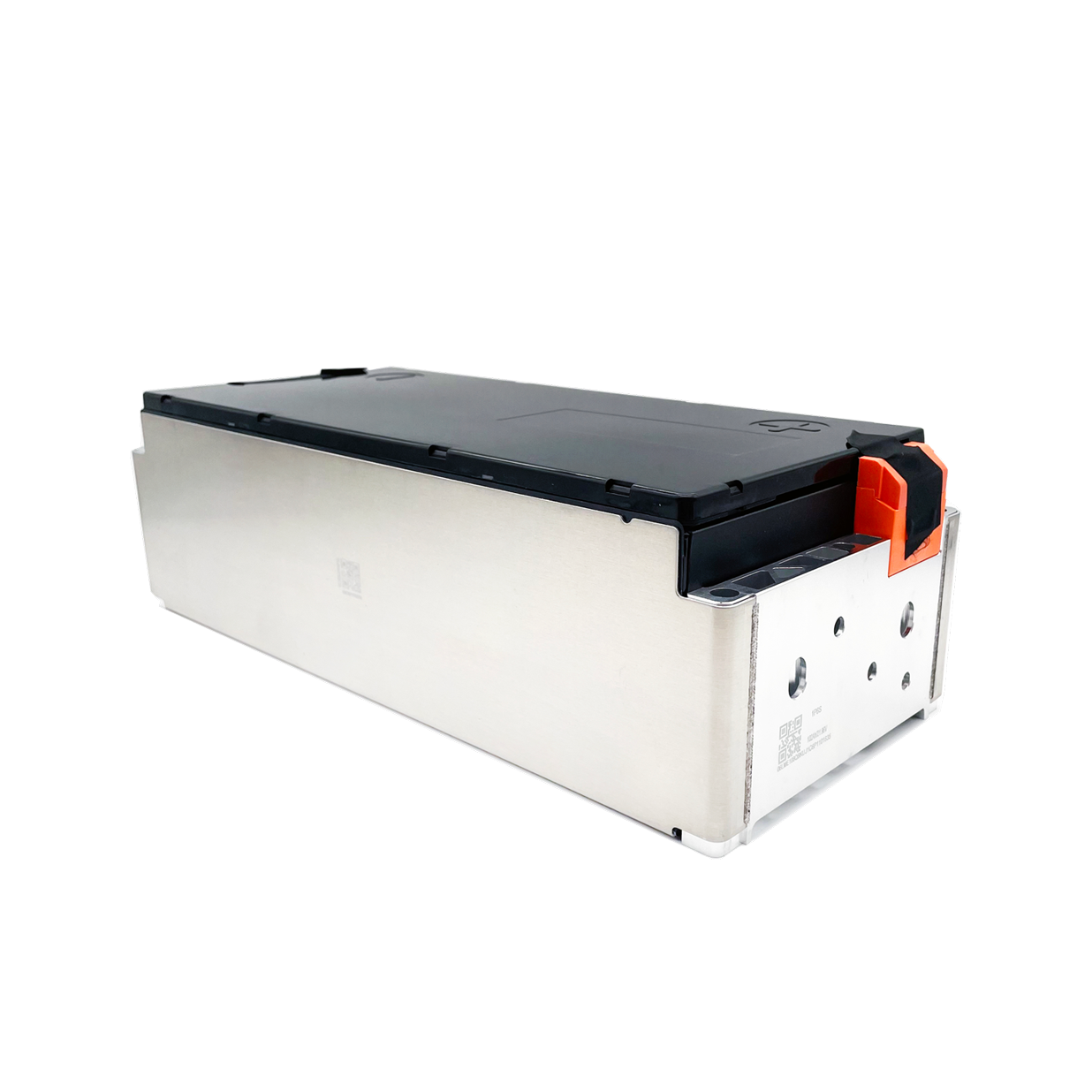
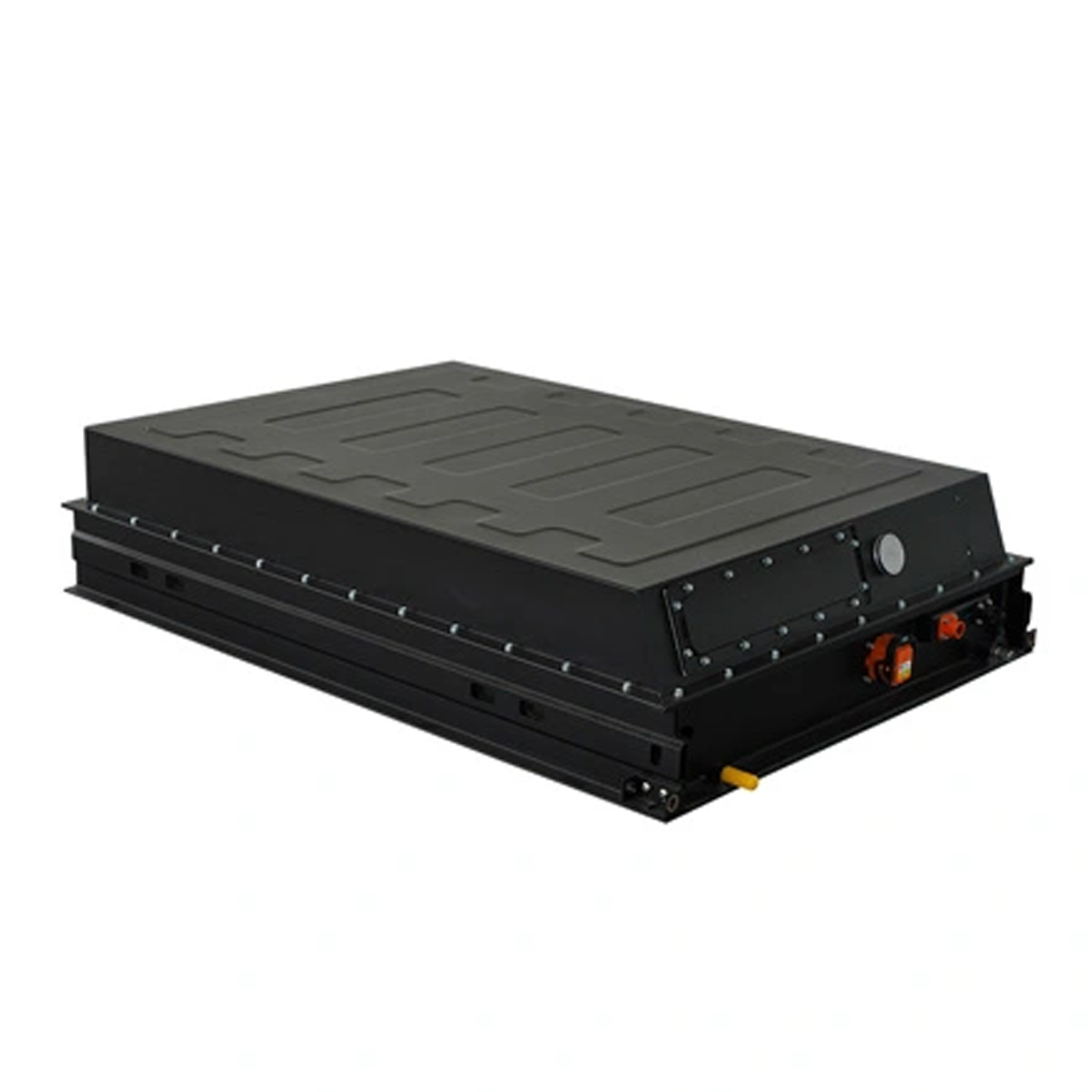
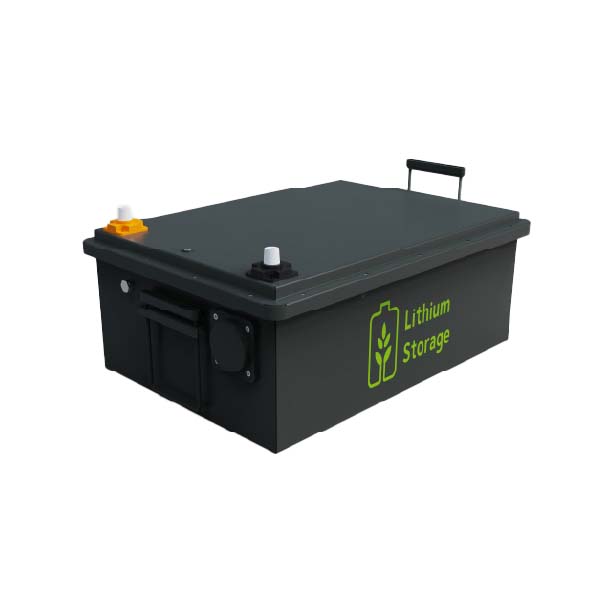
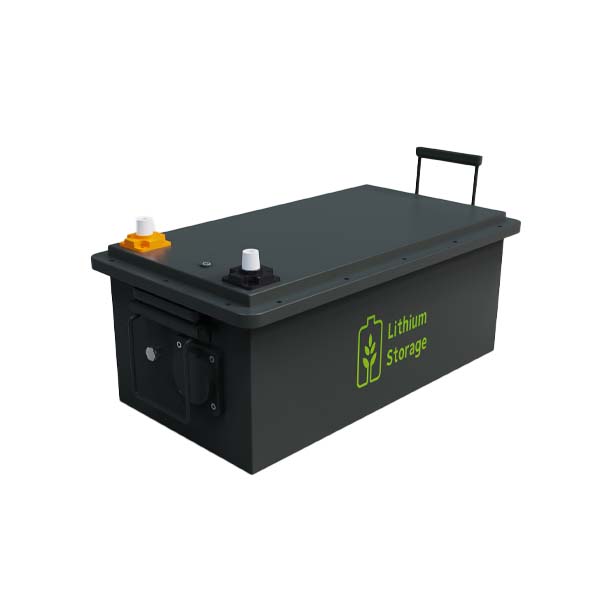
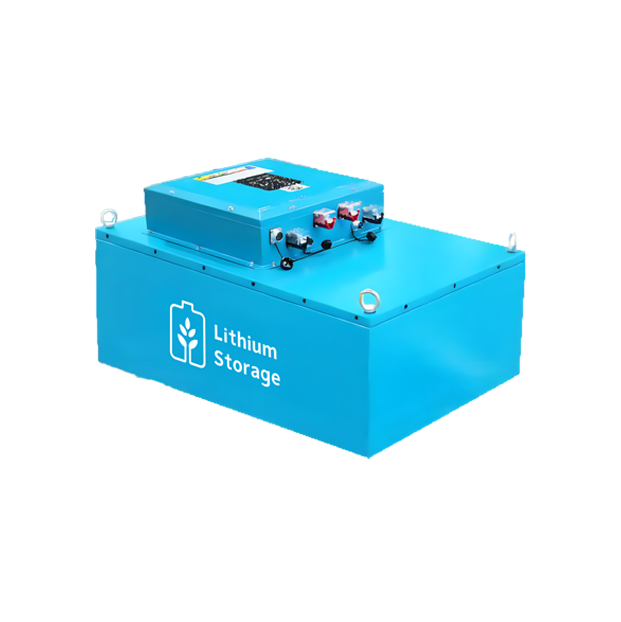
LITHIUM STORAGE's Flexi Pack C&D platform is designed around this approach. Its Standard Lithium Battery Pack Manufacturer offering uses LFP205Ah, 230Ah, 280Ah and 302Ah prismatic cells in two fixed pack formats for buses, trucks and heavy-duty mining vehicles.

Why LFP Is Attractive for Commercial Vehicles

Commercial fleets typically prioritize:

  • Cycle durability

  • Thermal stability

  • Predictable maintenance

  • Cost per lifetime kWh

  • Fleet standardization

Maximum energy density still matters, but commercial vehicles often have more packaging flexibility than passenger cars.

That makes LFP a practical chemistry for many bus and truck applications.

Compare the Standard Pack Options

LITHIUM STORAGE's current Standard Pack C&D specifications include:

PackCellVoltageCapacityEnergyWeight
CLFP280Ah115.2V280Ah32.26kWh212kg
CLFP302Ah115.2V302Ah34.79kWh219kg
CLFP205Ah153.6V205Ah31.49kWh207kg
CLFP230Ah153.6V230Ah35.33kWh220kg
DLFP280Ah105.6V280Ah29.57kWh195kg
DLFP302Ah105.6V302Ah31.89kWh202kg
DLFP205Ah144V205Ah29.52kWh195kg
DLFP230Ah144V230Ah33.12kWh207kg

Published pack-level energy density ranges from approximately 151 to 161Wh/kg.

Pack Voltage Should Match Powertrain Architecture

Do not choose between 105.6V, 115.2V, 144V and 153.6V only by asking which is “higher.”

The vehicle system may combine several packs into a larger DC architecture.

Final voltage needs to match:

  • Traction inverter

  • Motor

  • PDU

  • Charger

  • DC/DC system

  • HVAC

The electrical architecture should therefore be defined before deciding how many standard packs are required.

Energy Capacity Should Come from the Route

For an electric truck or bus:

Required usable energy ≈ route distance × vehicle kWh/km

Then allow appropriate reserve for:

  • Climate control

  • Cold weather

  • Traffic

  • Degradation

  • Route deviation

A 250kWh bus and a 450kWh bus may use identical pack technology but a different number or arrangement of battery units.

Thermal Management Is a Procurement Requirement

LITHIUM STORAGE's Standard Pack C&D uses liquid cooling and electric heating.

For commercial vehicles, this is important because batteries may face:

  • Fast charging

  • High continuous traction power

  • Summer road temperatures

  • Winter operation

  • Repeated daily cycling

Ask the supplier for temperature limits at both pack and cell level.

Fixed Pack Dimensions Simplify Vehicle Engineering

Pack C is approximately:

1070 × 635 × 249mm

Pack D:

1020 × 635 × 249mm

A standardized geometry makes it easier for vehicle designers to plan:

  • Chassis mounting

  • Battery boxes

  • Service access

  • Cooling plumbing

  • HV connectors

For OEMs producing several vehicle derivatives, this can reduce engineering variation.

Check Pack-Level Power, Not Only Energy

Two 30kWh packs may have very different current capability.

A buyer should request:

  • Continuous discharge power

  • Peak discharge power

  • Peak duration

  • Regenerative charge power

  • Fast-charge capability

  • Temperature derating

These determine whether the battery can support hill climbing, acceleration and regenerative braking.

Look at the PDU and High-Voltage Architecture

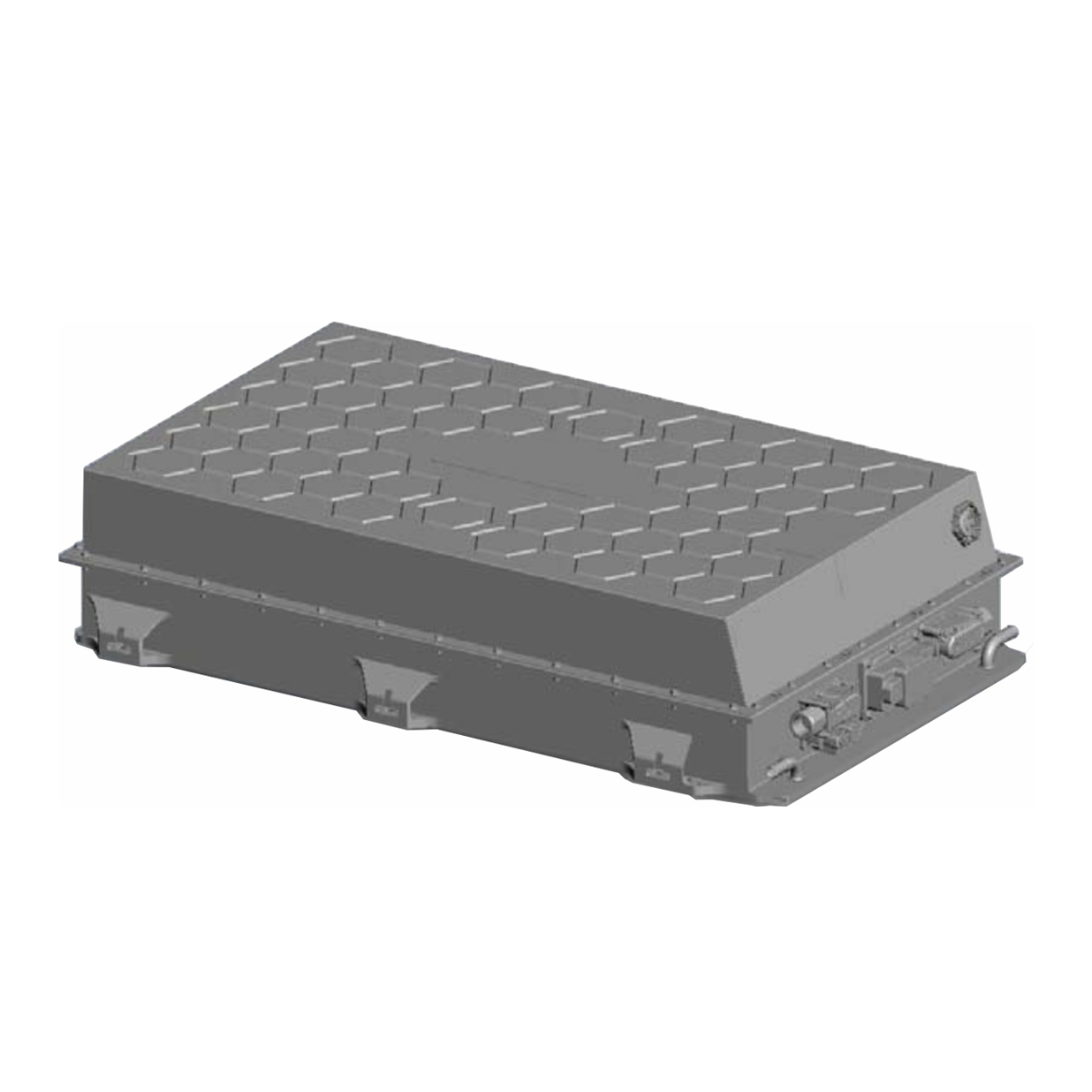
LITHIUM STORAGE's commercial-vehicle offering includes a PDU alongside the Flexi Pack system.

For an OEM, this matters because the battery needs to interface safely with several high-voltage loads.

Define responsibility for:

  • Contactors

  • Fuses

  • Pre-charge

  • HV interlock

  • DC distribution

  • Service disconnect

Ask About Standards and Validation

Before buying for a production vehicle, request documentation applicable to the vehicle's target country and project.

This may include:

  • Transport documentation

  • Cell and pack test reports

  • EMC requirements

  • Vehicle homologation requirements

  • Functional-safety documentation

  • Vibration/shock testing

  • Environmental testing

Do not assume one certification covers every vehicle market.

Who Benefits Most from a Standard Battery Pack?

A Standard Lithium Battery Pack Manufacturer is especially useful for:

  • Commercial-vehicle OEMs

  • Electric truck converters

  • Electric bus builders

  • Special-purpose EVs

  • Mining vehicles

  • Marine electrification

The main advantage is that the battery becomes a repeatable powertrain component rather than a one-off custom engineering project.

LITHIUM STORAGE's Standard Pack C&D provides roughly 29.5–35.3kWh per pack with liquid cooling/electric heating and multiple LFP cell options.

For commercial EV procurement, the right pack should be selected according to vehicle voltage, route energy, traction power, thermal environment, available packaging space and long-term service strategy.


Latest News & Blog in Lithium Storage

+86-18686976230
info@lslithiumbattery.com
0086-025-8773-9887
Register to download
close