Forklift Lithium Battery Manufacturer│LITHIUM STORAGE Forklift Lithium Battery Manufacturer│LITHIUM STORAGE
KB19

Lithium Battery Options for Electric Buses: What Fleet Managers Need

Electric bus battery procurement is not primarily a question of finding the largest battery available. The correct system has to support route distance, passenger load, HVAC, elevation changes, charging schedule, depot infrastructure and expected daily vehicle utilization.

For fleet managers evaluating Lithium Batteries for Electric bus applications, the most important numbers are:

usable kWh, vehicle energy consumption, charging power, battery mass, thermal management and expected daily energy throughput.

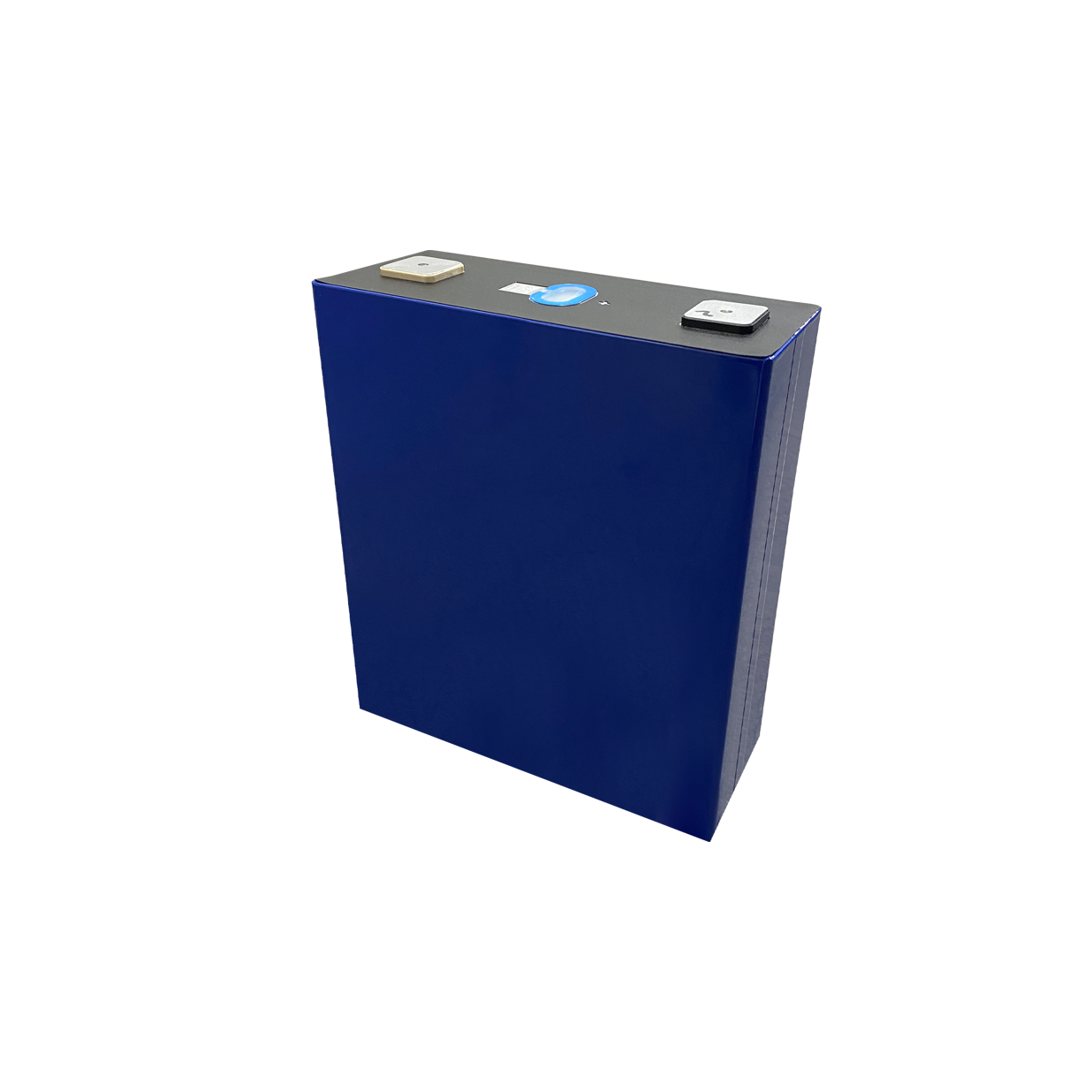
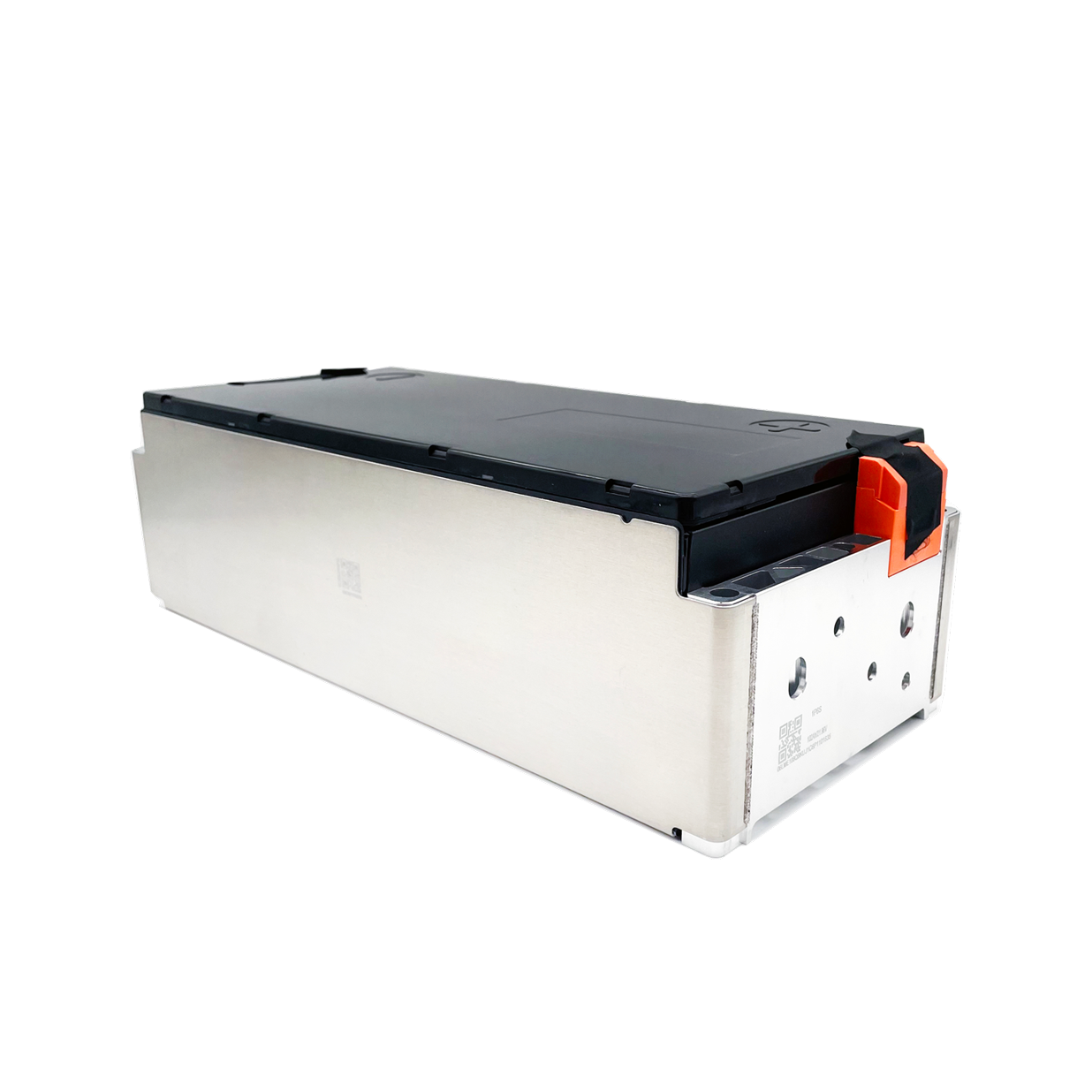
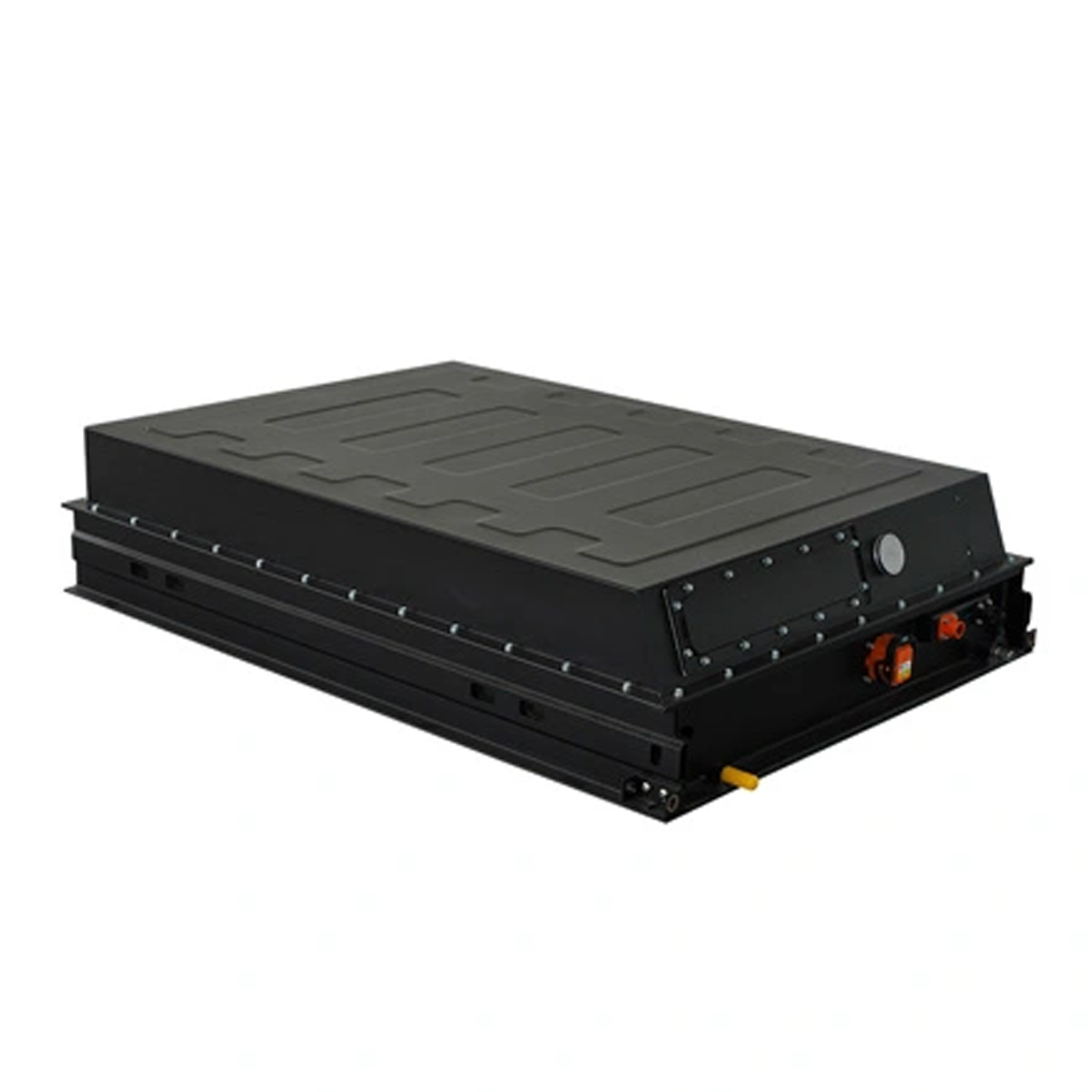
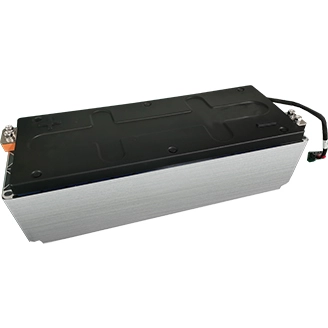
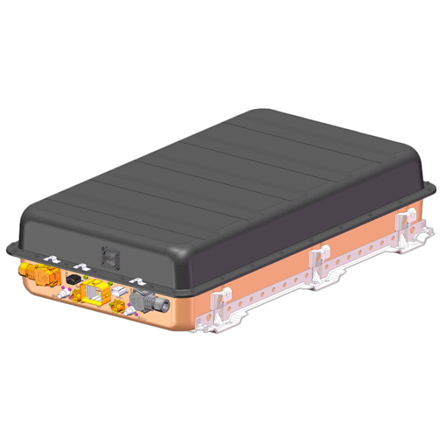
LITHIUM STORAGE recommends its Flexi Pack C&D platform for electric buses. The standard packs are built from LFP205Ah, 230Ah, 280Ah and 302Ah prismatic cells and have been applied in high-volume Chinese electric bus projects.

Start with Route Energy, Not Battery Ah

Electric bus consumption depends on:

  • Bus size

  • Passenger load

  • Stops per kilometer

  • Average speed

  • Hills

  • HVAC

  • Climate

  • Driving style

The basic calculation is:

Route energy = distance × average kWh/km

Suppose a bus consumes 1.2kWh/km and travels 250km per day:

1.2 × 250 = 300kWh

That does not mean a 300kWh nominal battery is automatically sufficient. Reserve SOC, aging and climate conditions must also be considered.

Route Type Changes Battery Requirements

Urban Bus

Frequent stops provide regenerative-braking opportunities but also create repeated acceleration loads.

Priorities:

  • High cycle capability

  • Strong regenerative charging

  • Thermal management

Intercity Bus

Longer continuous travel makes energy capacity more important.

Priorities:

  • Higher usable kWh

  • Weight efficiency

  • Fast depot charging

Airport or Shuttle Bus

Routes may be short and predictable.

A smaller battery combined with frequent charging may offer better economics.

LITHIUM STORAGE Flexi Pack Options

The company's standard high-voltage battery packs provide approximately 29.5–35.3kWh per pack depending on cell and configuration.

This allows vehicle manufacturers to create larger battery systems using repeated standardized modules.

For example, a bus requiring several hundred kWh can use multiple pack units, with final series/parallel configuration determined by the system voltage, PDU and BMS architecture.

Why LFP Is Used for Bus Applications

LITHIUM STORAGE's bus solution specifically uses LFP cells.

For fleet managers, important LFP characteristics include:

  • Strong cycle suitability

  • Stable chemistry

  • Availability in large prismatic formats

  • Practical cost for high-capacity fleets

Maximum energy density remains lower than some NCM systems, so pack weight and packaging still need engineering attention.

Battery Weight Affects Passenger and Payload Capacity

Every kilogram allocated to batteries affects vehicle mass.

LITHIUM STORAGE's Standard Pack C/D configurations weigh approximately 195–220kg per 29.5–35.3kWh battery unit.

When multiple packs are installed, vehicle designers need to evaluate:

  • Gross vehicle weight

  • Axle loading

  • Passenger capacity

  • Center of gravity

Simply maximizing kWh can therefore reduce transport efficiency.

Thermal Management Is Essential

Electric buses can cycle intensely every day and may operate in severe summer and winter conditions.

The Flexi Pack platform uses:

liquid cooling + electric heating.

This helps manage battery temperature during:

  • High-power acceleration

  • Fast charging

  • Cold starts

  • Long summer routes

Fleet managers should request data for both maximum and minimum operating temperatures.

Charging Strategy Can Change the Required Battery Size

There are two broad strategies.

Depot Charging

The bus carries enough energy for most or all of its daily route and charges overnight.

Advantages:

  • Simpler route operation

  • Fewer public charging points

Tradeoff:

  • Larger battery required

Opportunity Charging

The bus receives high-power charging at terminals or route stops.

Advantages:

  • Smaller battery may be possible

Tradeoff:

  • More charging infrastructure

  • Charging schedule becomes critical

The right choice depends on route predictability and charging-station availability.

Power Capability Matters on Hills and During Acceleration

A bus battery must supply high short-duration power when:

  • Leaving a stop

  • Climbing a grade

  • Fully loaded

  • Running HVAC simultaneously

Ask the battery supplier for:

  • Continuous discharge current

  • Peak discharge current

  • Peak duration

  • SOC-based power derating

  • Temperature-based derating

The same rule applies during regenerative braking: the battery must accept high short-duration charging power.

Look Beyond Battery Pack Price

Fleet economics should consider:

battery cost + charging infrastructure + route availability + energy cost + battery life + vehicle downtime

A cheaper battery that forces an extra bus into the fleet because of insufficient range can be far more expensive operationally.

Battery Serviceability Matters at Fleet Scale

For a fleet of 100 buses, standardized battery architecture can simplify:

  • Spare pack inventory

  • Technician training

  • Diagnostics

  • Replacement procedures

  • Software management

LITHIUM STORAGE's Flexi Pack uses two standardized physical formats with several cell/capacity options, making it suitable for configurable commercial-vehicle battery systems.

What Fleet Managers Should Give the Battery Supplier

For Lithium Batteries for Electric bus selection, provide:

  • Bus length and GVW

  • Passenger capacity

  • Route distance

  • Elevation profile

  • Stops per route

  • Expected kWh/km

  • Daily kilometers

  • HVAC demand

  • Minimum/maximum temperature

  • Charging locations

  • Charger power

  • Required reserve SOC

  • Vehicle system voltage

LITHIUM STORAGE's electric-bus solution is based around Flexi Pack C&D using LFP205Ah, 230Ah, 280Ah and 302Ah cells, with standardized high-voltage pack construction suitable for building larger vehicle battery systems.

The best electric bus battery is therefore not necessarily the largest pack. It is the battery system that delivers the required route energy while keeping vehicle weight, charging time, thermal conditions and fleet availability within acceptable limits.


Latest News & Blog in Lithium Storage

+86-18686976230
info@lslithiumbattery.com
0086-025-8773-9887
Register to download
close