For long-haul trucking, selecting a starter battery by Ah alone is no longer sufficient. Modern sleeper tractors may use the same battery system for diesel-engine starting and hours of engine-off cabin power.
That means the most important starter-battery specifications extend beyond traditional cranking performance.
For fleets comparing a 24V 314Ah Lithium Starter Battery, key specifications include stored energy, inrush current, continuous load capability, operating temperature, preheating, enclosure protection, communications and physical fit.
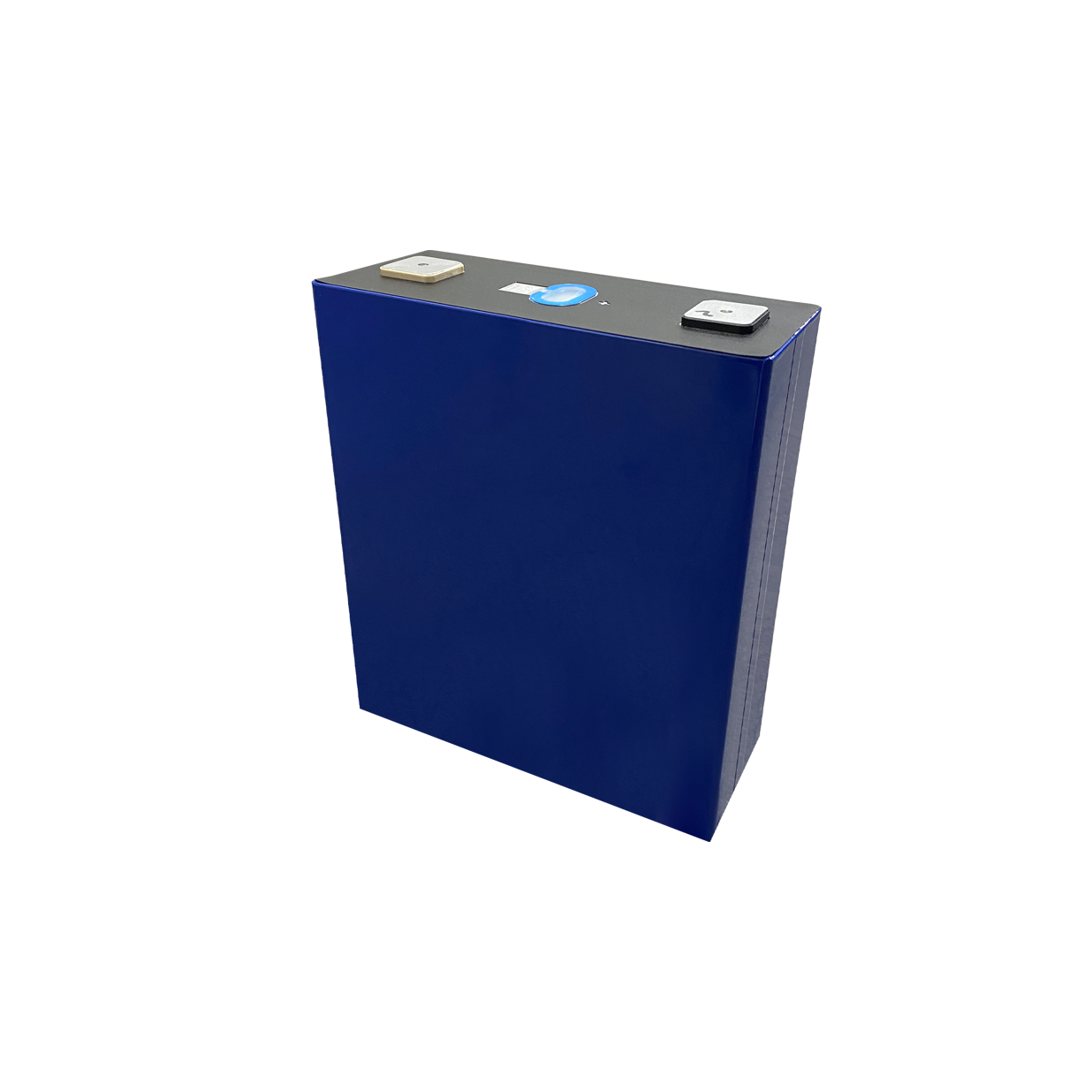
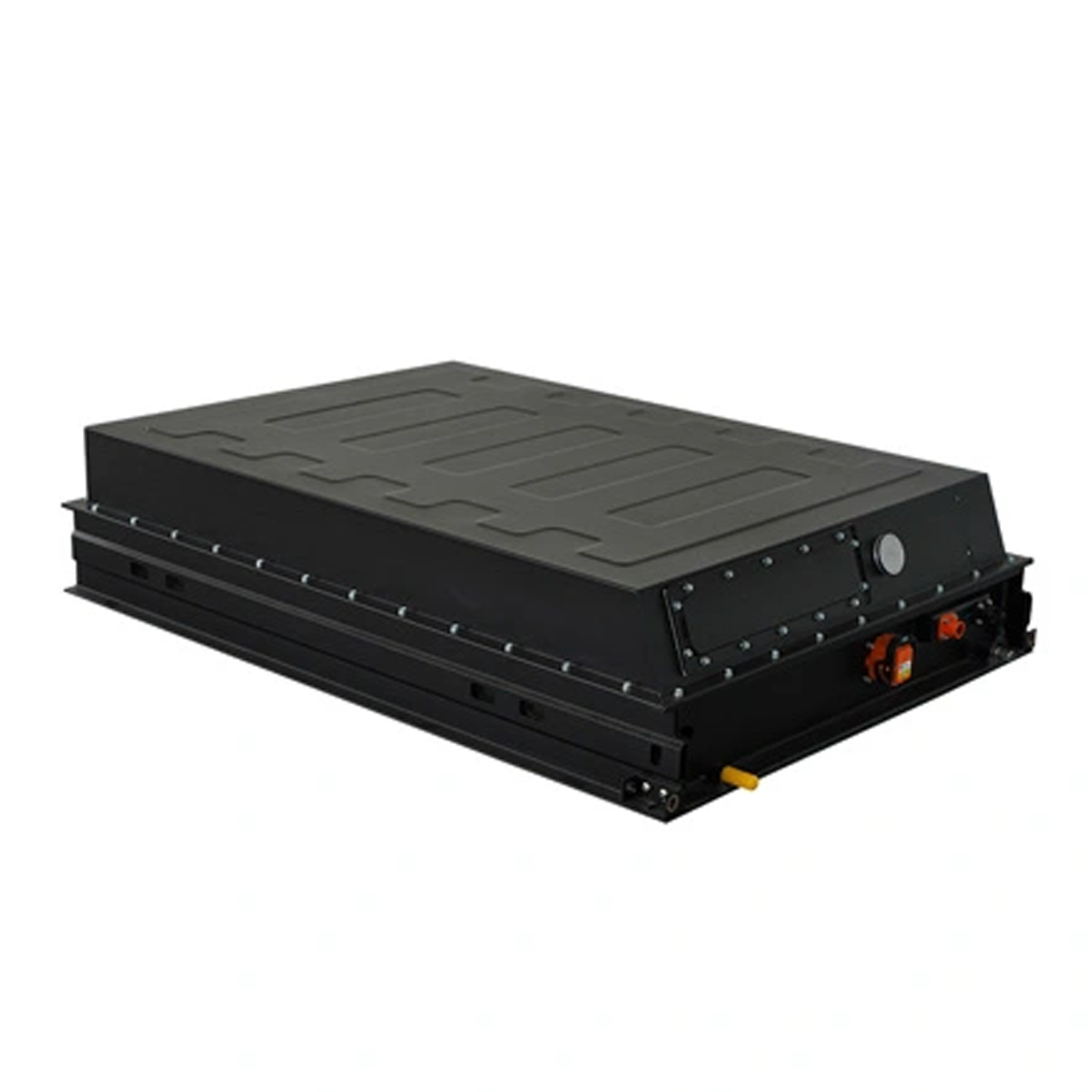
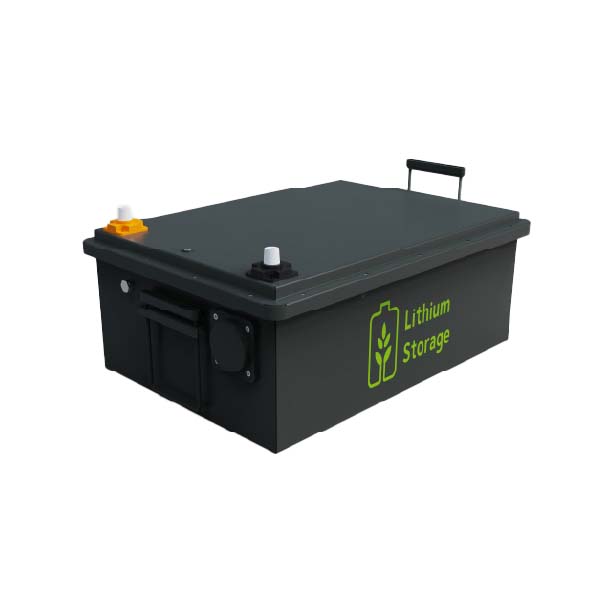
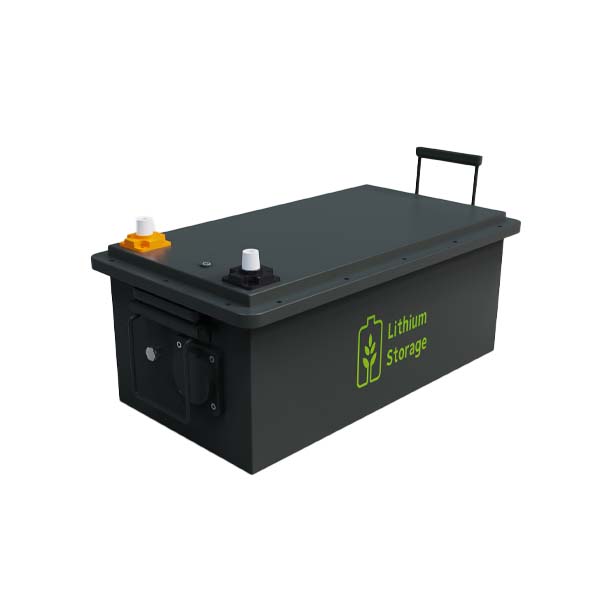
LITHIUM STORAGE's LS8088 provides a useful example of a high-capacity 24V truck starter battery designed around those requirements.
1. Starting Current
The first requirement remains obvious: the battery must start the diesel engine.
The LS8088 specifies:
Maximum inrush current: 3,000A
For truck procurement, however, maximum inrush should be supplemented with application-specific cold-start information.
Ask for:
This is more useful than comparing peak-current figures alone.
2. Battery Capacity
A long-haul starter battery increasingly doubles as an auxiliary-energy source.
The LS8088 provides:
314Ah at 25.6V
This is substantially more capacity than a starter-only battery would typically require, because the additional energy can support cabin loads while the engine is off.
3. Nominal Energy in kWh
For sleeper-truck applications, kWh is often more useful than Ah.
The LS8088 publishes 8.088kWh nominal energy.
Energy allows fleet engineers to estimate cabin runtime.
For example, if average overnight loads are 600W:
8.088kWh ÷ 0.6kW ≈ 13.5 hours theoretical runtime
Actual runtime will be shorter because part of the battery should remain available for starting, and conversion losses, temperature and BMS limits must be considered.
This is why LITHIUM STORAGE states that its high-capacity Prime starter systems are designed to support extended engine-off AC and cabin loads.
4. Starting Reserve After Overnight Cabin Use
This may be the most important real-world specification of all.
A truck does not merely need enough energy to run its HVAC overnight. It must still start the engine the next morning.
Battery selection should therefore use:
required hotel-load energy + starting reserve + temperature reserve
If a truck consumes 6kWh overnight, an 8.088kWh nominal battery may provide much more useful margin than a smaller 3.864kWh pack.
But actual allowable DOD should be confirmed with the manufacturer.
5. Continuous Discharge Current
The LS8088 is rated at:
200A continuous discharge
This matters for sustained auxiliary loads such as:
Air conditioning
High-power inverter
Refrigerator
Microwave
Electronics
At 25.6V, 200A corresponds to roughly 5.1kW of DC power before considering voltage variation and system limits.
Most sleeper-cab loads will be well below this, but inverter startup and compressor loads should still be checked.
6. Continuous Charging Current
The LS8088 also specifies:
200A continuous charging current.
For long-haul trucks, fast energy recovery matters because the battery may need to recharge while driving after significant overnight consumption.
However, the alternator must be compatible with the battery system.
Maximum supported battery current does not mean the truck should automatically deliver that current continuously.
The BMS, alternator, wiring and temperature-control strategy must work together.
7. Low-Temperature Operating Range
A long-haul truck may travel from a warm distribution region into freezing conditions during the same route.
LITHIUM STORAGE specifies:
-30°C to 60°C operating temperature for the LS8088.
That gives buyers a useful operating envelope, but winter procurement should still request detailed cold-start and charging performance at the fleet's actual minimum temperature.
A temperature range alone does not tell you how much current or energy remains available at -30°C.
8. Preheating
Cold-weather charging is one of lithium's major engineering challenges.
Research shows that excessive low-temperature charging current can accelerate lithium plating and degradation.
The LS8088 includes activation/preheating support, which can help the system manage cold-weather operation.
For Canadian, Nordic, Central Asian and northern U.S. fleets, preheat behavior should be treated as a core specification rather than an optional extra.
9. BMS
A commercial lithium starter battery should include active protection and monitoring.
The BMS can supervise:
Voltage
Current
Temperature
Charging
Discharging
Fault conditions
LITHIUM STORAGE describes its Prime starter products as combining high-capacity lithium cells with an advanced BMS.
For fleet buyers, ask what happens when:
Battery is too cold to charge
Battery becomes too hot
Alternator voltage is abnormal
Cabin load discharges SOC too far
A cell deviates from the others
10. IP Protection
Truck batteries operate in a difficult environment involving water spray, dust, road contamination and vibration.
The LS8088 specifies:
IP67.
That is particularly relevant for batteries mounted in exposed chassis locations.
Mounting and connector sealing still need to be correctly engineered.
11. 4G Communication
The LS8088 supports 4G communication.
For fleets, connected battery data can help move maintenance from reactive replacement toward condition monitoring.
Potentially useful information includes:
SOC
Temperature
Fault records
Battery status
The exact cloud functions available should be confirmed for the project configuration.
12. GPS
The LS8088 also supports GPS positioning.
GPS is not an electrochemical battery advantage, but integrated location and battery data can be useful in commercial fleets where vehicles operate over long routes.
13. Physical Dimensions
Energy capacity is irrelevant if the battery does not fit the truck.
The LS8088 is listed at approximately:
520 × 440 × 202mm, with the product page separately specifying terminal-inclusive height.
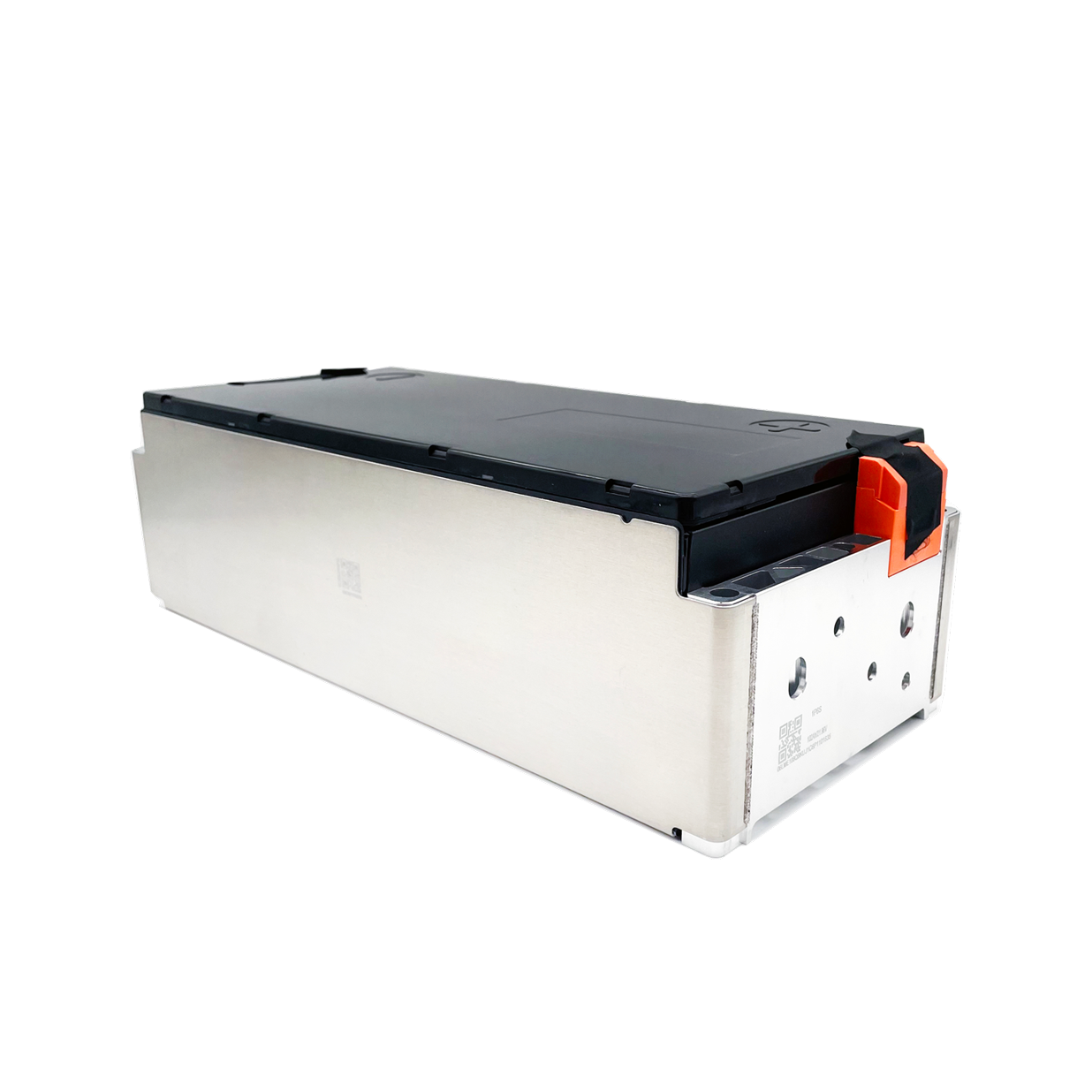
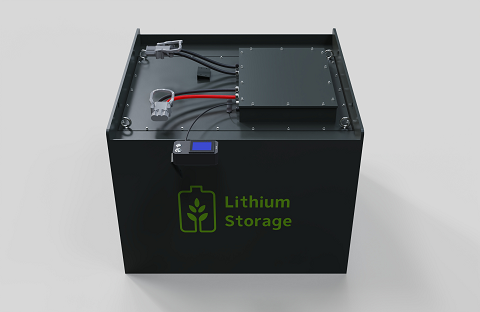
LITHIUM STORAGE also offers an LS8088Pro with the same 314Ah/8.088kWh electrical capacity but a different enclosure of approximately 545 × 270 × 285mm.
This demonstrates why capacity and enclosure format should be selected separately.
14. Compare Capacity Options Before Choosing 314Ah
The Prime range includes:
| Model | Capacity | Energy |
|---|
| LS3864 | 150Ah | 3.864kWh |
| LS5306 | 206Ah | 5.306kWh |
| LS7212 | 280Ah | 7.212kWh |
| LS8088 | 314Ah | 8.088kWh |
| LS8088Pro | 314Ah | 8.088kWh |
The 314Ah option makes the most sense when the truck has substantial engine-off energy demand.
A vehicle that only needs reliable engine starting may not need the highest-capacity pack.
Which Specs Matter Most for a Long-Haul Truck?
For long-haul procurement, prioritize them roughly in this order:
1. Electrical compatibility with the truck
2. Reliable diesel starting at the lowest expected temperature
3. Enough kWh for overnight cabin loads
4. Enough reserve SOC for morning restart
5. Compatible alternator charging
6. Preheating and BMS control
7. Physical fit and IP protection
8. Fleet monitoring functions
This is a more realistic procurement method than sorting batteries by Ah.
Is a 24V 314Ah Battery Right for Your Fleet?
The LS8088 24V 314Ah Lithium Starter Battery combines 8.088kWh nominal energy, 200A continuous charge/discharge capability, up to 3,000A maximum inrush current, -30°C to 60°C published operation, IP67 protection, 4G, GPS and preheating support.
Those specifications make it particularly relevant to long-haul sleeper trucks where the battery is expected to perform two jobs:
start a large diesel engine and power the driver's cabin while the engine is off.
Before ordering, LITHIUM STORAGE should still be given the truck model, engine, alternator specification, minimum temperature, expected hotel-load kWh and battery-compartment dimensions.
For long-haul fleets, the best starter battery is not simply the one with the highest Ah rating. It is the one that provides enough cranking power + cabin energy + winter reserve + charging compatibility for the truck's complete operating cycle.