Replacing a heavy-truck lead-acid or AGM battery system with lithium requires more than placing a new battery in the tray and connecting two cables. A lithium starter pack contains a BMS and may require specific charging voltage, temperature control and communication arrangements.
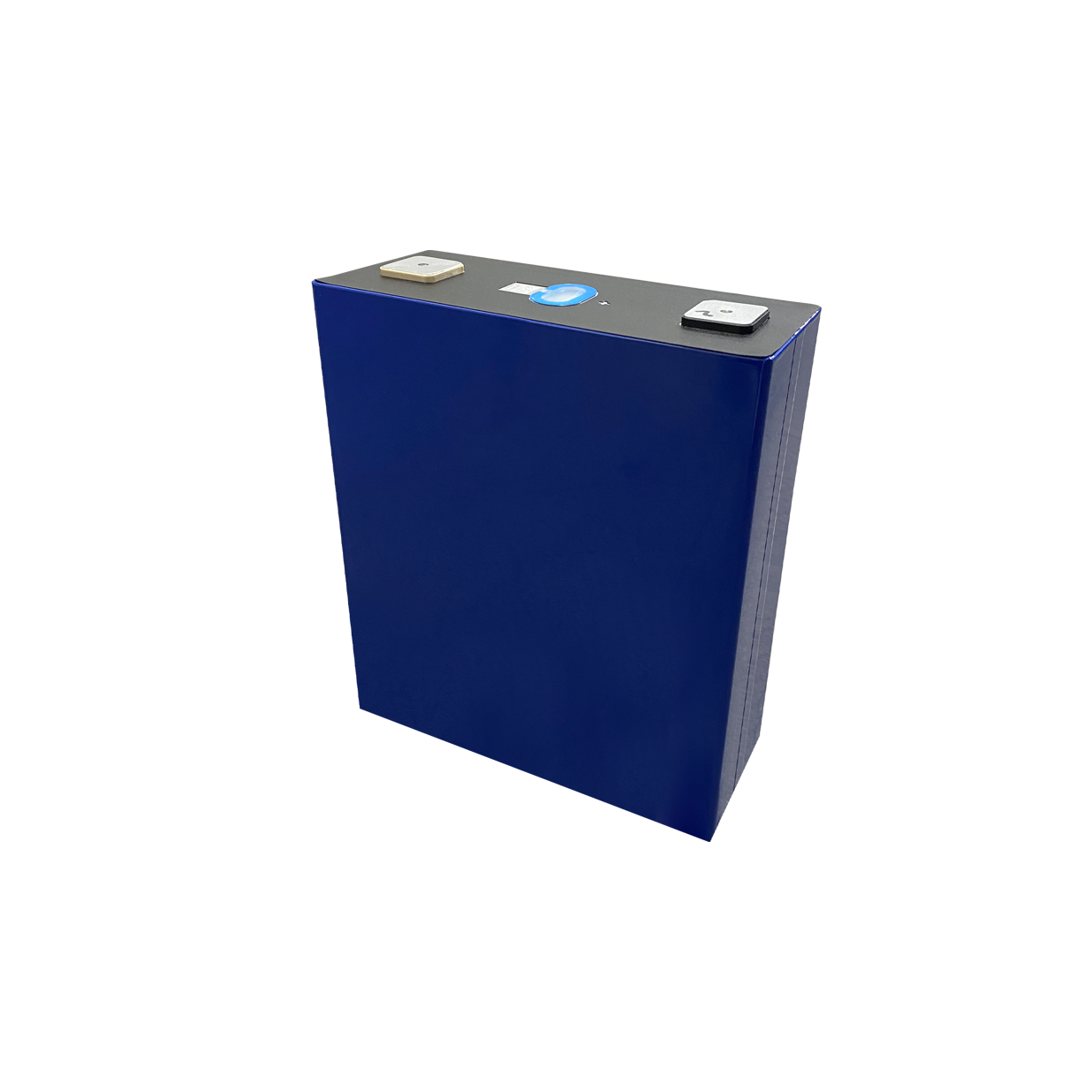
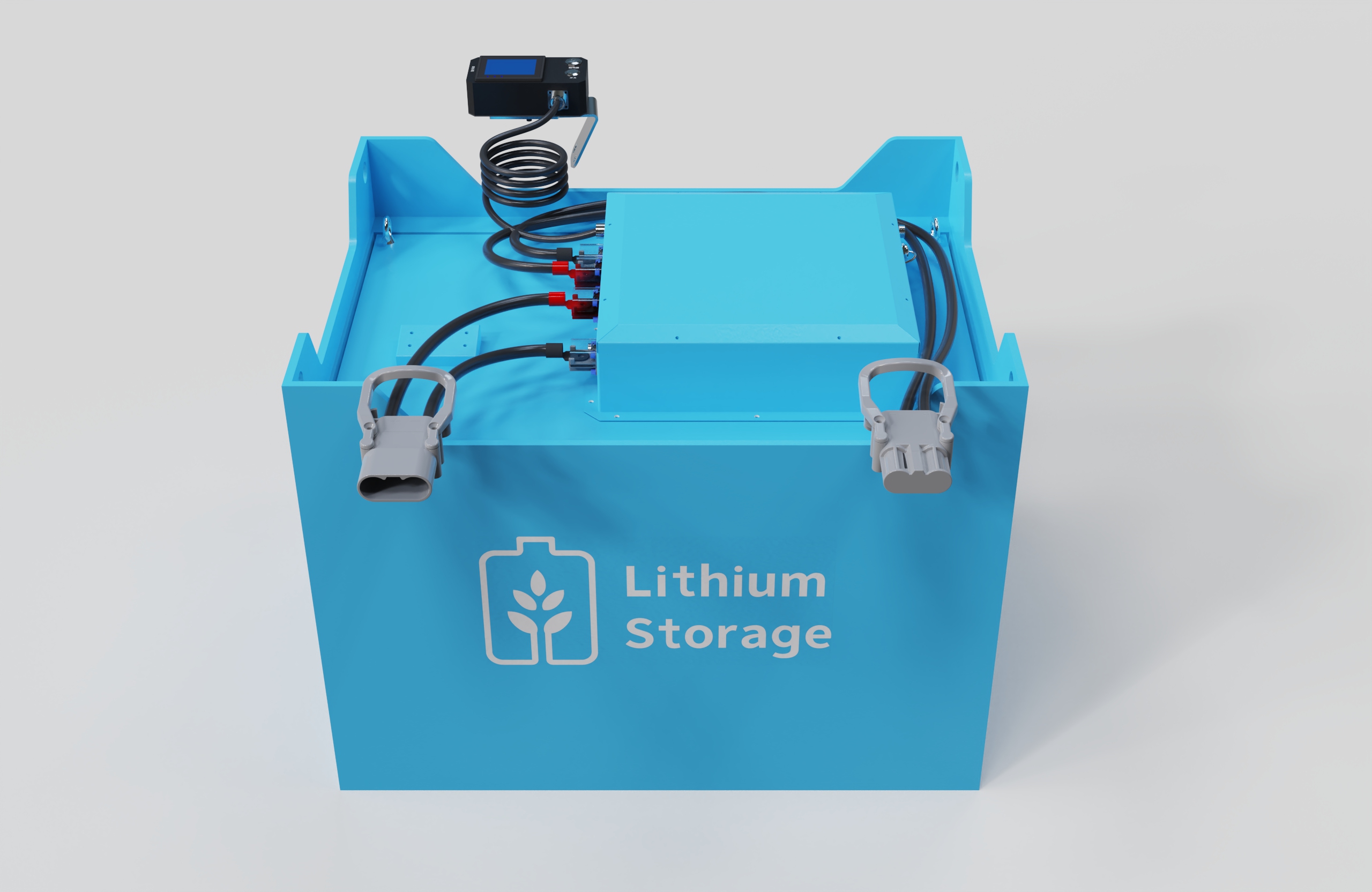
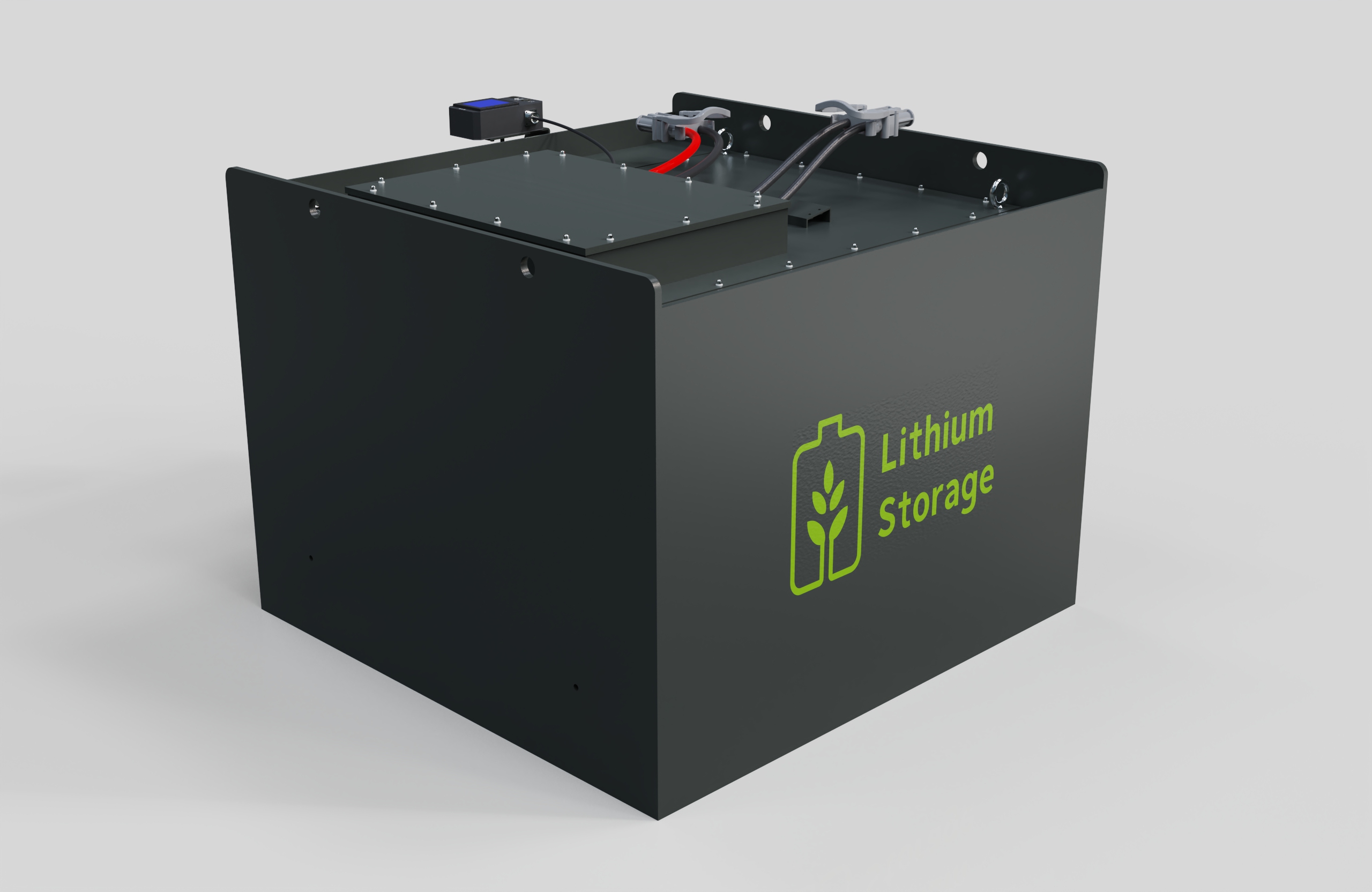
For the LITHIUM STORAGE LS5306 24V 206Ah Lithium Starter Battery, the manufacturer lists a 25.6V nominal system, 5.306kWh capacity, 200A continuous charge/discharge current and up to 3,000A maximum inrush current.
Because truck starter circuits can deliver extremely high fault current, installation should be carried out by qualified personnel following the truck OEM and battery manufacturer's procedures.
Step 1: Confirm the Truck Is Electrically Compatible
Before removing the original battery, record:
Truck make and model
Engine model
Existing battery voltage
Alternator output voltage
Existing battery arrangement
Starter-motor requirement
Cable size
Terminal type
Auxiliary loads
The LS5306 has a nominal voltage of 25.6V and an operating-voltage range of 20–29.2V.
Do not assume that because a truck is called a “24V system,” every lithium battery is automatically compatible.
The alternator and vehicle electrical system should be confirmed with LITHIUM STORAGE before installation.
Step 2: Check Battery Dimensions
The LS5306 is listed at approximately:
525 × 380 × 202mm, with additional terminal height detailed on the product page.
Check:
Battery tray length
Width
Maximum height
Terminal clearance
Hood/body clearance
Cable routing
Hold-down locations
The battery must not move under braking, vibration or road impact.
Step 3: Confirm Terminal and Cable Layout
Before installation, compare the lithium battery with the current battery bank.
Verify:
Heavy-truck starters can draw very high current. Poor connections or undersized cables can create voltage drop and localized heating.
The LS5306's published maximum inrush capability of 3,000A illustrates why cable and terminal integrity matter.
Step 4: Shut Down the Truck Safely
Before touching the battery:
Park the truck safely.
Switch off the ignition.
Turn off electrical accessories.
Follow the truck's lockout/isolation procedure.
Remove the key where applicable.
Wear the PPE required by the fleet's electrical-service procedure.
Never work around high-current battery terminals with loose conductive jewelry or unsecured metal tools.
Step 5: Disconnect the Existing Battery According to OEM Procedure
Follow the truck manufacturer's specified sequence.
On many conventional vehicle systems, the grounded/negative side is disconnected first and reconnected last to reduce accidental short-circuit risk, but the truck's service manual takes precedence.
If the existing 24V system uses two 12V batteries in series, document all interconnections before removal.
Do not assume the lithium replacement uses the same internal arrangement simply because the external system voltage is similar.
Step 6: Remove and Inspect the Existing Battery Area
Once the existing batteries are safely isolated and removed, inspect:
Battery tray
Hold-down hardware
Corrosion
Cable insulation
Terminals
Ground connection
Starter cable
Alternator cable
Repair damaged components before installing the new battery.
A new battery will not correct high resistance in an old cable or ground strap.
Step 7: Install and Secure the LS5306
Place the lithium battery in the approved orientation and secure it with the appropriate mounting system.
Do not allow the battery to move during:
Emergency braking
Rough-road operation
Cab tilting
Vibration
The LS5306 uses an IP67-rated enclosure according to its published specification, but mechanical security remains essential.
Step 8: Connect the Electrical System
Follow the battery and truck OEM connection sequence.
Before final connection, confirm:
Do not guess terminal torque. Use the value provided by the battery/terminal manufacturer.
Incorrect tightening can cause either loose high-resistance connections or mechanical damage.
Step 9: Verify the Charging System Before Running Normally
This is one of the most important steps.
The LS5306 supports up to 200A continuous charging according to its specification.
But the truck's alternator output must still be compatible with the battery's BMS charging limits.
Verify:
A conventional alternator designed around lead-acid batteries should not automatically be assumed suitable for every lithium battery.
Step 10: Confirm Preheating Behavior
The LS5306 specifies an operating-temperature range of -30°C to 60°C and supports preheating.
For trucks operating in winter, confirm how this works before deployment.
Important questions include:
What temperature activates heating?
Can the truck crank while the battery is cold?
When does alternator charging begin?
Does the BMS reduce charging current below a threshold?
Low-temperature charging is particularly important for lithium-ion batteries because inappropriate charging can promote lithium deposition.
Step 11: Test Engine Starting
After the battery is installed and the system is confirmed electrically correct, perform a controlled engine start.
Observe:
The engine should start normally without excessive voltage drop or repeated BMS interruption.
Step 12: Test Auxiliary Loads
A starter lithium battery may also support hotel loads.
Test representative loads such as:
Cab AC
Refrigerator
Lighting
Inverter
Communication equipment
The objective is to confirm that both the starter circuit and auxiliary circuit work correctly with the new battery.
Step 13: Verify 4G/GPS and Monitoring
The LS5306 supports 4G communication and GPS positioning.
If those features are part of the fleet configuration, verify:
Fleet monitoring can then be used to track operating conditions after installation.
Step 14: Recheck After Initial Operation
After the first operating period, inspect:
Terminal temperature
Cable condition
Battery mounting
Charging behavior
Fault logs
Early inspection can identify installation problems before they become service failures.
LS5306 Installation Reference
| Parameter | LS5306 |
|---|
| Nominal voltage | 25.6V |
| Capacity | 206Ah |
| Energy | 5.306kWh |
| Voltage range | 20–29.2V |
| Continuous discharge | 200A |
| Continuous charge | 200A |
| Maximum inrush | 3,000A |
| Temperature range | -30°C to 60°C |
| IP rating | IP67 |
| 4G/GPS | Supported |
| Preheat | Supported |
Information to Confirm Before Ordering
Before purchasing a 24V 206Ah Lithium Starter Battery, send LITHIUM STORAGE:
Truck model
Engine specification
Original battery arrangement
Alternator specification
Battery-compartment dimensions
Cable and terminal details
Minimum winter temperature
Cabin loads
The safest installation process is therefore:
verify truck → verify charging system → measure battery space → inspect cables → isolate existing system → install battery → connect correctly → test charging → test starting → verify monitoring.
A lithium starter conversion should be treated as an electrical-system upgrade, not simply a battery-box replacement.