Commercial fleets often ask a straightforward question before switching battery technology: how many years will a lithium starter battery last?
There is no accurate universal answer.
A starter battery's service life depends on how frequently the truck starts, how deeply the battery is discharged by cabin loads, operating temperature, charging voltage, charging current and how much capacity the fleet still requires after years of use.
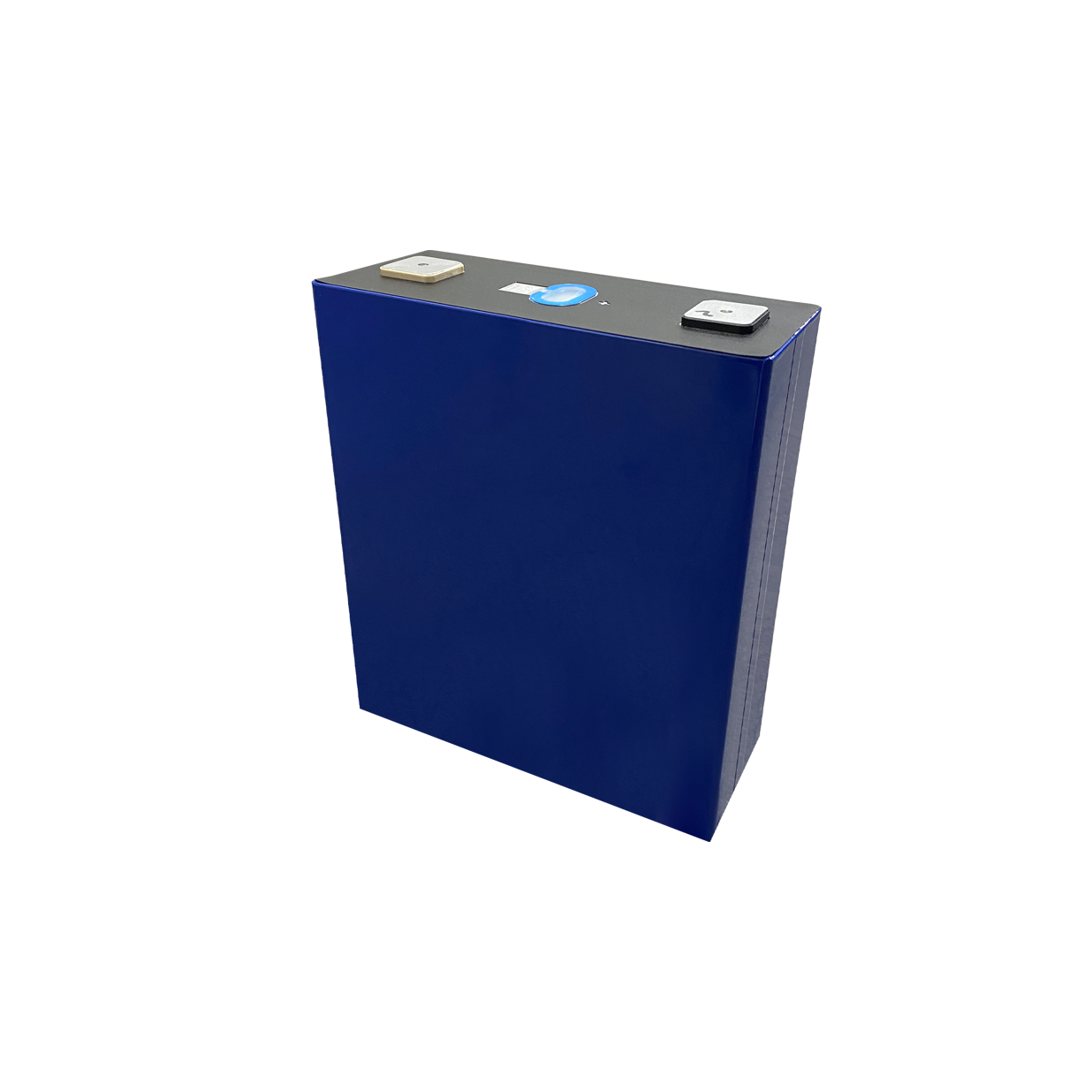
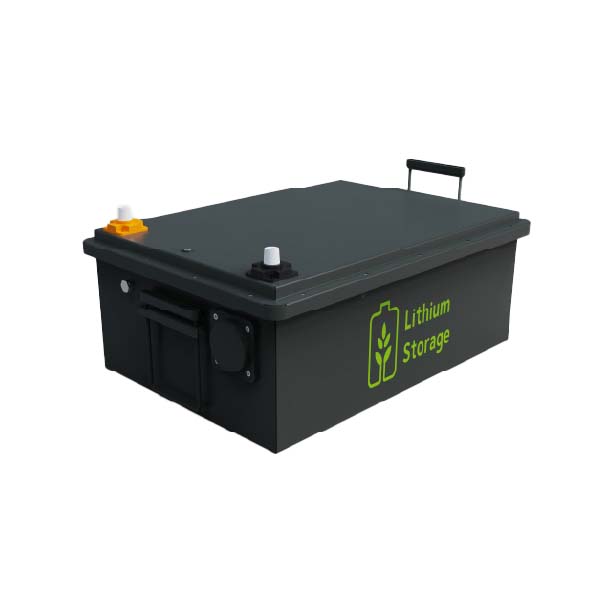
For a 24V 280Ah Lithium Starter Battery such as the LITHIUM STORAGE LS7212, it is better to evaluate lifetime in terms of battery throughput, operating temperature and remaining capacity rather than promising a fixed number of calendar years.
LS7212 Specifications Relevant to Fleet Life
LITHIUM STORAGE lists the LS7212 with:
| Specification | LS7212 |
|---|
| Nominal voltage | 25.6V |
| Capacity | 280Ah |
| Nominal energy | 7.212kWh |
| Operating voltage | 20–29.2V |
| Continuous discharge | 200A |
| Continuous charge | 200A |
| Maximum inrush current | 3,000A |
| Operating temperature | -30°C to 60°C |
| Protection | IP67 |
| GPS | Supported |
| 4G | Supported |
| Preheat | Supported |
These specifications describe electrical capability, but the current product page does not publish a single fixed cycle-life or calendar-life figure for the LS7212.
That is important because a credible fleet-life estimate should be based on the actual duty cycle.
Starting Cycles Are Not the Same as Deep Battery Cycles
Starting a diesel engine may require a very high current, but only for a few seconds.
This removes relatively little total energy from a 7.212kWh battery.
Cabin loads can be far more important for battery aging.
Suppose a parked truck uses an average of 500W for eight hours:
0.5kW × 8h = 4kWh
That is a substantial fraction of the LS7212's nominal 7.212kWh capacity.
A truck that does this every night is effectively cycling the battery far more deeply than a truck that only starts its engine twice per day.
Therefore, fleet lifetime should be evaluated according to:
annual energy throughput, not just number of engine starts.
Depth of Discharge Strongly Influences Lifetime
A battery repeatedly discharged almost to its lower SOC limit will generally experience more stress than a battery operated through a moderate SOC window.
Consider two trucks:
Truck A: Uses 2kWh of cabin energy each night.
Truck B: Uses 6kWh each night.
Both use the same 280Ah battery.
Truck B produces much greater annual battery throughput and may reach the fleet's end-of-life capacity threshold sooner.
This is why choosing a slightly larger battery can sometimes improve lifetime economics even when a smaller pack could technically run the loads.
Temperature Is One of the Biggest Life Factors
Battery aging is strongly influenced by temperature.
High temperatures accelerate many parasitic electrochemical reactions and can increase capacity loss.
Very low temperatures create a different risk during charging. Research on large-format LFP batteries has shown that inappropriate low-temperature charging can lead to lithium deposition and accelerated degradation.
A commercial fleet operating across winter and summer should therefore pay attention to:
Lifetime average battery temperature
Maximum temperature during charging
Low-temperature charging behavior
Preheating effectiveness
The LS7212 supports a -30°C to 60°C operating range and preheat functionality, but staying inside the absolute operating range does not mean every temperature is equally favorable for battery longevity.
Charging Strategy Can Extend or Shorten Service Life
A vehicle alternator can potentially supply significant current.
However, maximum allowable current and recommended routine current are different concepts.
The LS7212 lists up to 200A continuous charging current.
That should not be interpreted as meaning the battery must always charge at 200A.
Long-term life depends on:
Battery temperature
SOC
Cell voltage
BMS strategy
Alternator behavior
A properly engineered system may reduce current when the battery is cold, hot or approaching full SOC.
How to Estimate Fleet Life More Realistically
Instead of asking only “How many years?”, track:
Annual kWh Throughput
If a truck uses 3kWh of battery energy per parked night for 300 working days:
3 × 300 = 900kWh/year
Over five years:
4,500kWh
This provides a useful basis for evaluating battery throughput.
Equivalent Full Cycles
Approximate equivalent full cycles can be calculated as:
Total discharged energy ÷ nominal battery energy
Using the example:
900 ÷ 7.212 ≈ 125 equivalent full cycles/year
Five years would represent roughly 625 equivalent full cycles, ignoring starting energy and other usage.
This is much more informative than counting thousands of individual engine starts.
When Should the Battery Be Considered End of Life?
A lithium starter battery does not normally fail exactly on a specific anniversary.
Its useful service ends when it no longer satisfies the truck's operational requirement.
Possible replacement triggers include:
A battery could still retain substantial capacity yet be unsuitable for a truck that needs long overnight HVAC operation.
Conversely, that same battery might remain usable in a vehicle with lighter energy requirements.
Monitor the Battery Rather Than Guessing Its Age
The LS7212 includes 4G communication and GPS capability together with its BMS.
A connected battery platform can make condition-based maintenance more practical.
Useful fleet metrics include:
| Metric | What It Can Reveal |
|---|
| SOC before parking | Whether battery starts the night adequately charged |
| SOC before engine start | Remaining winter cranking reserve |
| Maximum temperature | Thermal stress |
| Charging current | Alternator/battery behavior |
| Fault history | Repeated electrical issues |
| Energy consumption | Actual hotel-load demand |
| Runtime | Capacity trend |
This allows a fleet to identify degradation before a driver encounters a no-start situation.
What Shortens a 24V 280Ah Lithium Starter Battery's Life?
The most important avoidable causes include:
Repeated near-empty discharge
Excessive high-temperature operation
Charging aggressively while very cold
Incorrect alternator voltage
Persistent BMS alarms
Poor electrical connections
Undersizing the battery for cabin energy demand
The battery should be sized so that normal operation does not repeatedly push it to its electrical or thermal limits.
So, How Long Will the LS7212 Last?
LITHIUM STORAGE does not publish a universal service-life or cycle-life promise on the current LS7212 product page, so a specific claim such as “8 years” or “10 years” would not be justified from the available specification.
For commercial fleet procurement, ask the supplier to provide life and warranty expectations based on:
Average daily DOD
Annual operating days
Average battery temperature
Charging current
Minimum winter temperature
Expected end-of-life capacity
The LS7212 24V 280Ah Lithium Starter Battery provides 7.212kWh nominal energy, 3,000A maximum inrush capability, 4G/GPS monitoring and preheating support.
Its actual service life will depend less on how many years appear on a brochure and more on whether the battery is correctly sized and kept within a suitable SOC, temperature and charging envelope throughout its fleet life.