Industrial lithium batteries are widely used in forklifts, commercial vehicles, energy storage systems, AGVs, marine equipment, and other high-duty applications because they offer high energy density, long cycle life, fast charging, and lower routine maintenance than traditional lead-acid batteries. However, “low maintenance” should not be confused with “no maintenance.”
A well-planned preventive maintenance program helps identify connector wear, abnormal temperature, BMS faults, capacity decline, enclosure damage, and charging problems before they lead to unplanned downtime.
For an Industrial Lithium Ion Battery, maintenance should focus less on electrolyte servicing and more on inspection, operating data, charging behavior, temperature, communication, and electrical connections.
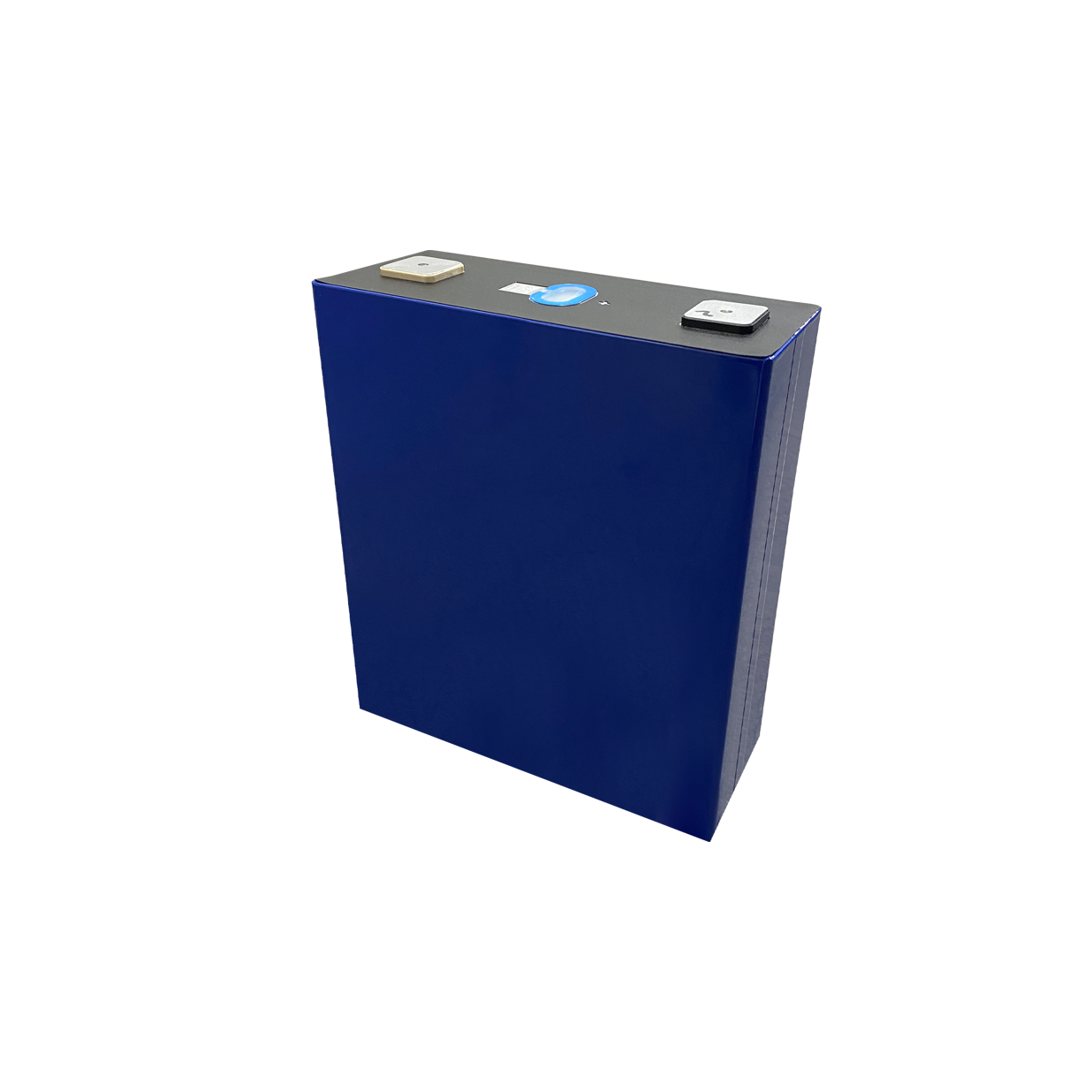
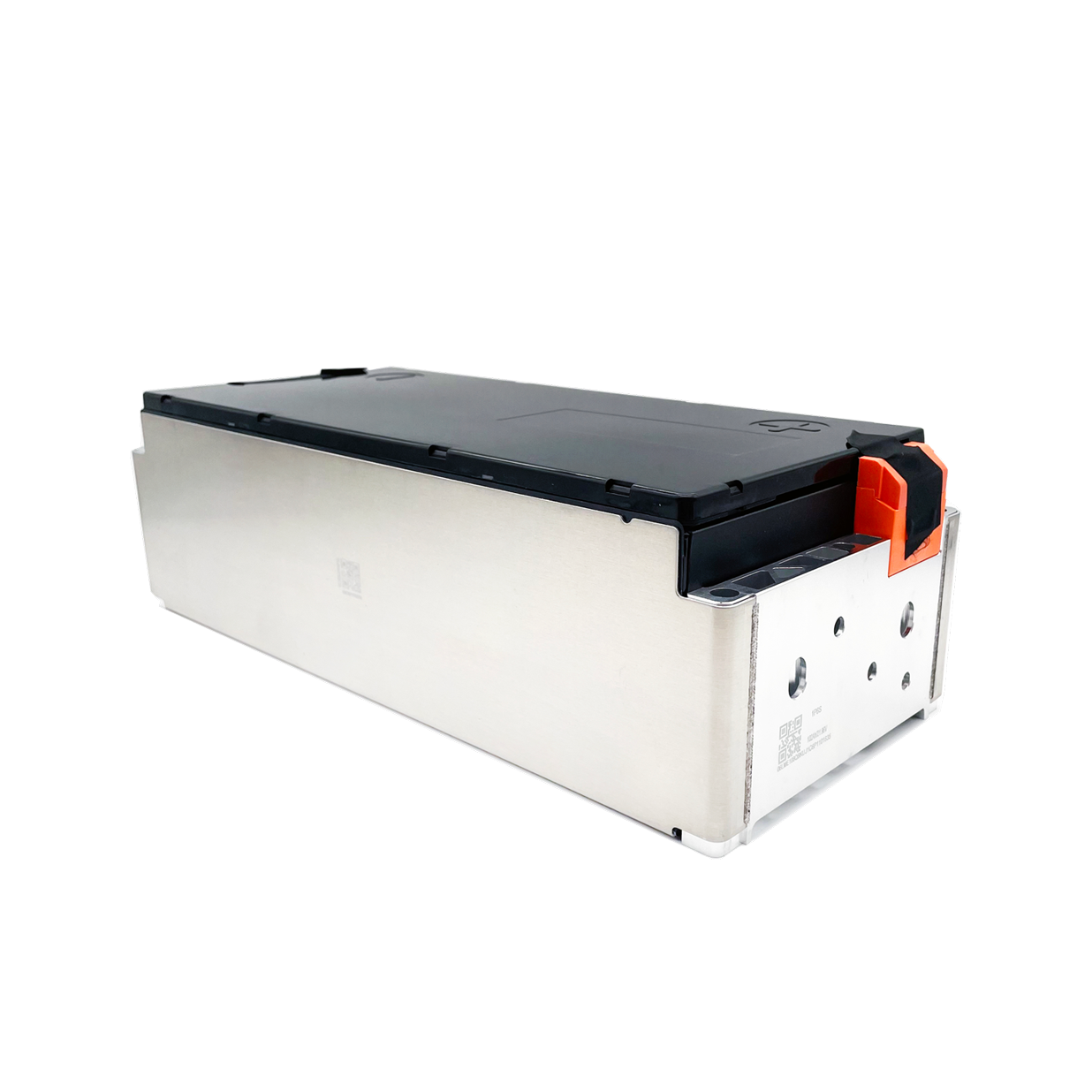
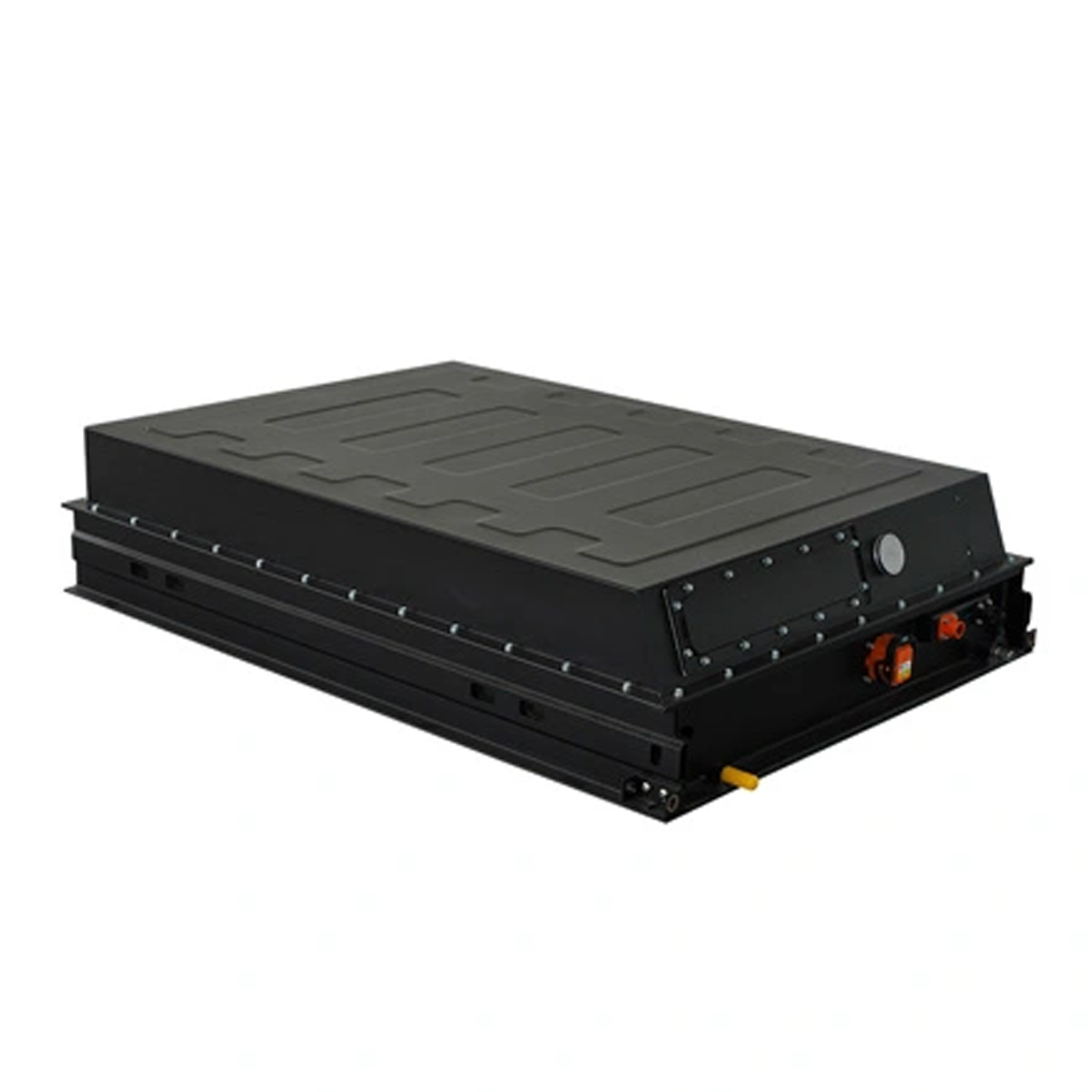
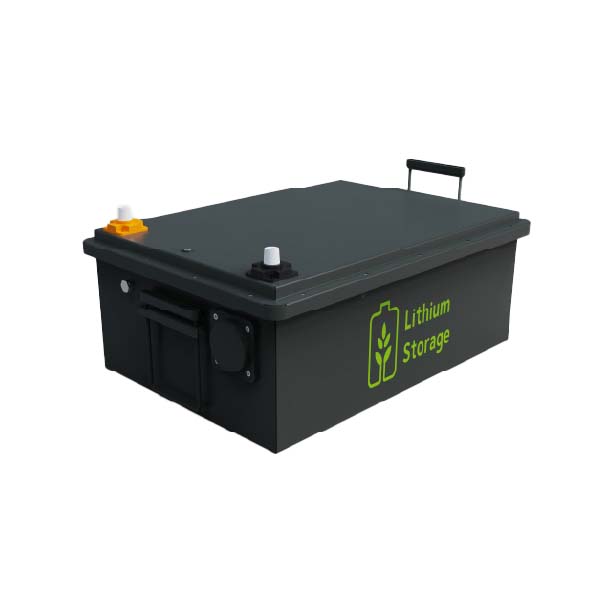
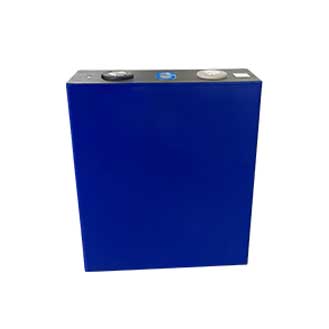
LITHIUM STORAGE manufactures LFP and NCM prismatic cells, battery modules, forklift battery packs, high-voltage commercial vehicle packs, and battery energy storage systems. Its product architecture covers the complete cell-module-pack chain and incorporates BMS and protection functions for industrial applications.
Why Industrial Lithium Batteries Still Need Preventive Maintenance
Unlike flooded lead-acid batteries, lithium-ion batteries do not normally require watering, electrolyte-level checks, or routine equalization charging. LITHIUM STORAGE also highlights low maintenance as one of the benefits of its industrial forklift battery systems.
But industrial use introduces other sources of wear.
A battery installed in a forklift, commercial vehicle, or stationary system may experience:
Repeated high-current charging and discharging
Vibration and mechanical shock
Temperature changes
Dust and moisture
Frequent connector use
Thousands of operating hours
Repeated partial charging
Communication between BMS, charger, controller, and other equipment
Preventive maintenance is therefore mainly about ensuring these supporting systems continue to operate correctly.
Recommended Industrial Lithium Battery Maintenance Schedule
A practical schedule can be divided into daily, monthly, quarterly, and annual checks.
| Interval | Recommended Checks |
|---|
| Daily / Before Use | SOC, active alarms, visible damage, abnormal heat, connectors |
| Monthly | Cables, terminals, enclosure, charger operation, fault history |
| Quarterly | BMS data, temperature trends, cell-voltage consistency, fasteners |
| Every 6–12 Months | Capacity trend, insulation/electrical inspection, communication system |
| Annually | Full technical review, battery health assessment, charger/BMS verification |
| After Abnormal Events | Immediate inspection after collision, flooding, overheating, repeated faults |
The exact schedule should be adjusted according to the battery manufacturer's instructions, duty cycle, environment, and local safety requirements.
Daily or Pre-Shift Inspection
For equipment used every day, a short pre-shift inspection is one of the simplest ways to prevent unexpected battery problems.
Check the State of Charge
Confirm that the battery has enough energy for the expected operating period.
A consistently low starting SOC may indicate:
Insufficient charging time
Undersized charger
Excessive daily energy consumption
Reduced battery capacity
Opportunity-charging periods that are too short
The issue may therefore be operational rather than a battery defect.
Check for Active BMS Warnings
A modern Industrial Lithium Ion Battery relies on its Battery Management System to monitor conditions such as voltage, current, temperature, and protection limits.
Do not simply clear repeated fault messages.
Recurring warnings involving:
Overtemperature
Undervoltage
Overcurrent
Charging faults
Communication errors
should be recorded and investigated.
Lithium-ion battery packs require BMS protection because overcharge and over-discharge can damage cells; LITHIUM STORAGE incorporates BMS and protection components into its industrial battery packs.
Perform a Quick Visual Inspection
Look for:
Any significant structural damage should trigger a more detailed inspection before continued operation.
Monthly Maintenance Checks
Monthly checks should go beyond simple visual inspection.
Inspect Power and Charging Connectors
High-current connectors can gradually wear through repeated charging and equipment operation.
Look for:
A high-resistance connection can generate heat even when the battery itself is healthy.
This is especially relevant in forklift fleets where opportunity charging means connectors may be plugged and unplugged several times every day.
Inspect Power Cables
Check cables for:
Abrasion
Cuts
Excessive bending
Loose lugs
Damaged insulation
Strain near terminals
Cable damage can increase electrical resistance or create an electrical safety risk.
Check the Battery Enclosure
Industrial batteries may be exposed to forklift impacts, vibration, loading equipment, or environmental contamination.
Inspect:
For vehicle batteries, make sure the battery remains securely restrained inside the battery compartment.
Quarterly BMS and Battery Data Review
Physical inspection can identify obvious problems, but battery operating data can reveal degradation earlier.
A quarterly technical review should consider available BMS information such as:
Maximum and minimum cell voltage
Cell voltage difference
Maximum battery temperature
Minimum battery temperature
Charge and discharge current
Equivalent full cycles
Total energy throughput
Fault history
Repeated protection events
SOC behavior
The objective is not to expect every cell voltage to be identical at every moment. Instead, look for persistent trends or increasing deviation.
For example, if one cell repeatedly reaches the upper charging voltage before the others, charging may terminate earlier and usable battery capacity can decline.
If a particular module repeatedly operates hotter than neighboring modules, the thermal-management or electrical system may need inspection.
Monitor Temperature Trends, Not Just Maximum Temperature
Temperature has a major effect on lithium-ion battery life.
High temperature can accelerate aging, while very low temperature can increase internal resistance and restrict charging.
For preventive maintenance, look beyond whether the battery has ever triggered a temperature alarm.
Ask:
Is average operating temperature increasing?
Does one module consistently run hotter?
Is the battery getting hotter during the same workload than it did six months ago?
Does fast charging repeatedly push temperature near BMS limits?
A gradual increase in battery temperature can indicate:
For battery systems equipped with air or liquid cooling, cooling performance should also be inspected periodically.
LITHIUM STORAGE's portfolio includes battery packs and energy storage systems with different thermal-management architectures, including air- and liquid-cooled solutions.
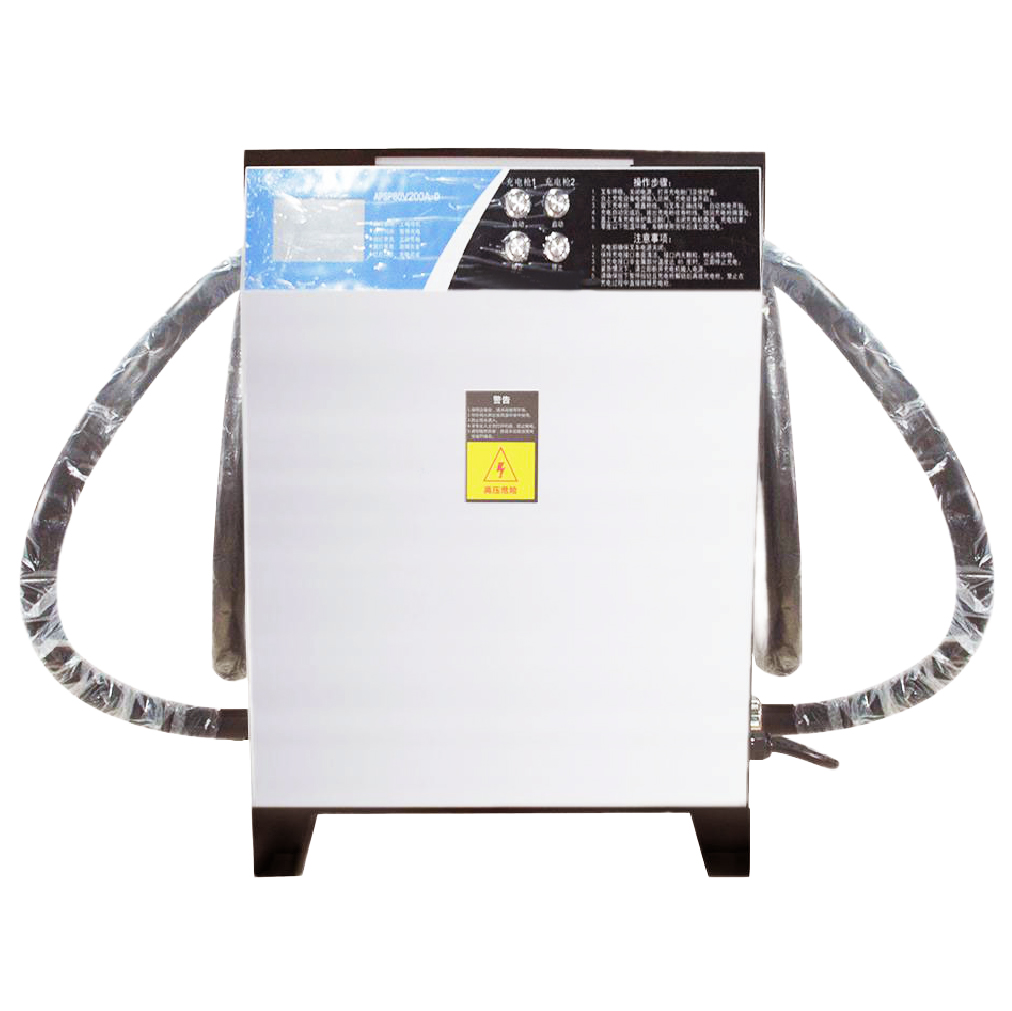
Inspect the Charger as Part of Battery Maintenance
An industrial lithium battery cannot be maintained properly if the charger is ignored.
Check:
If charging suddenly takes much longer, the cause could be the battery—but it could also be:
Battery and charger should therefore be diagnosed as one system.
Every 6–12 Months: Review Battery Capacity and Performance Trends
A lithium battery naturally loses some usable capacity as it ages.
The key question is whether degradation is gradual and consistent with the battery's operating history.
Useful indicators include:
Operating runtime
Is the equipment still completing the expected shift?
Energy delivered per cycle
Has usable energy declined significantly?
Voltage under load
Is voltage drop increasing during heavy discharge?
Charging behavior
Does the battery reach the same SOC within the expected charging period?
Cell consistency
Are voltage differences becoming larger over time?
A professional service review can use this information to determine whether the battery is aging normally or whether a specific module or electrical component needs attention.
Annual Technical Inspection
For high-value industrial systems, an annual inspection should be more comprehensive than routine operator checks.
Depending on battery type and application, the annual review may include:
BMS diagnostic download
Cell-voltage comparison
Temperature-history review
Insulation inspection
Connector and terminal inspection
Contactor inspection
Fuse inspection
Communication test
Enclosure inspection
Charger verification
Capacity or performance assessment
For energy storage and commercial vehicle batteries, additional system-specific inspections may be required according to project documentation and local standards.
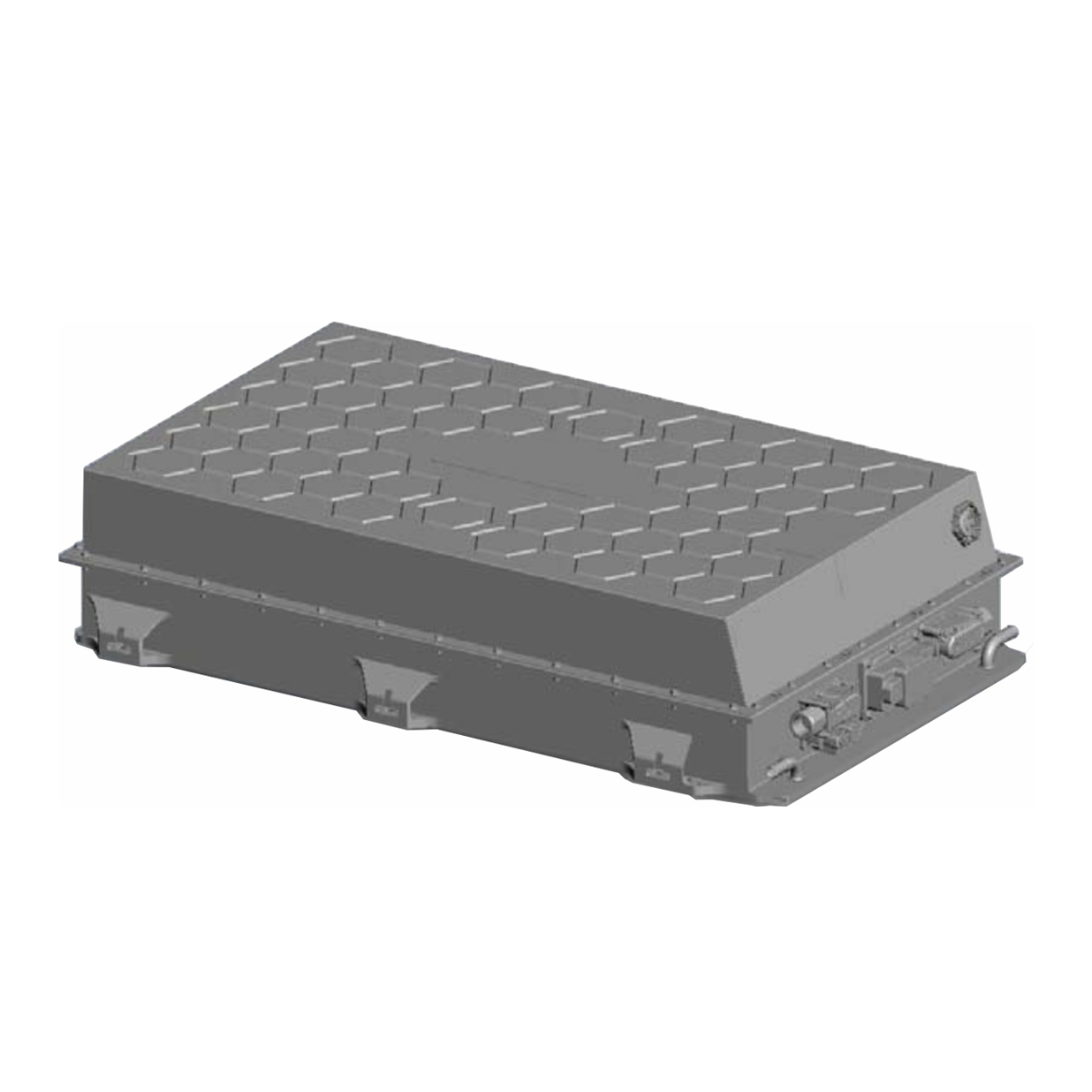
LITHIUM STORAGE manufactures industrial lithium-ion products across several levels, including LFP and NCM cells, standard and custom modules, low-voltage forklift packs, high-voltage commercial vehicle batteries, and battery energy storage systems.
This means preventive maintenance requirements should always be matched to the specific battery architecture rather than applying one procedure to every system.
Maintenance After Abnormal Events
Do not wait for the next scheduled inspection after an abnormal event.
An Industrial Lithium Ion Battery should receive additional technical attention after incidents such as:
Vehicle collision
Battery enclosure deformation
Water or coolant intrusion
Severe overheating
Repeated automatic shutdown
Electrical short circuit
Burned connector
Severe overcurrent event
Long-term deep discharge
If there is smoke, fire, severe overheating, major deformation, or other evidence of a serious battery fault, follow the site's emergency procedures and contact qualified technical personnel.
Operators should not open high-voltage battery enclosures or attempt cell-level repairs without appropriate training and authorization.
Forklift Batteries Need More Frequent Mechanical Inspection
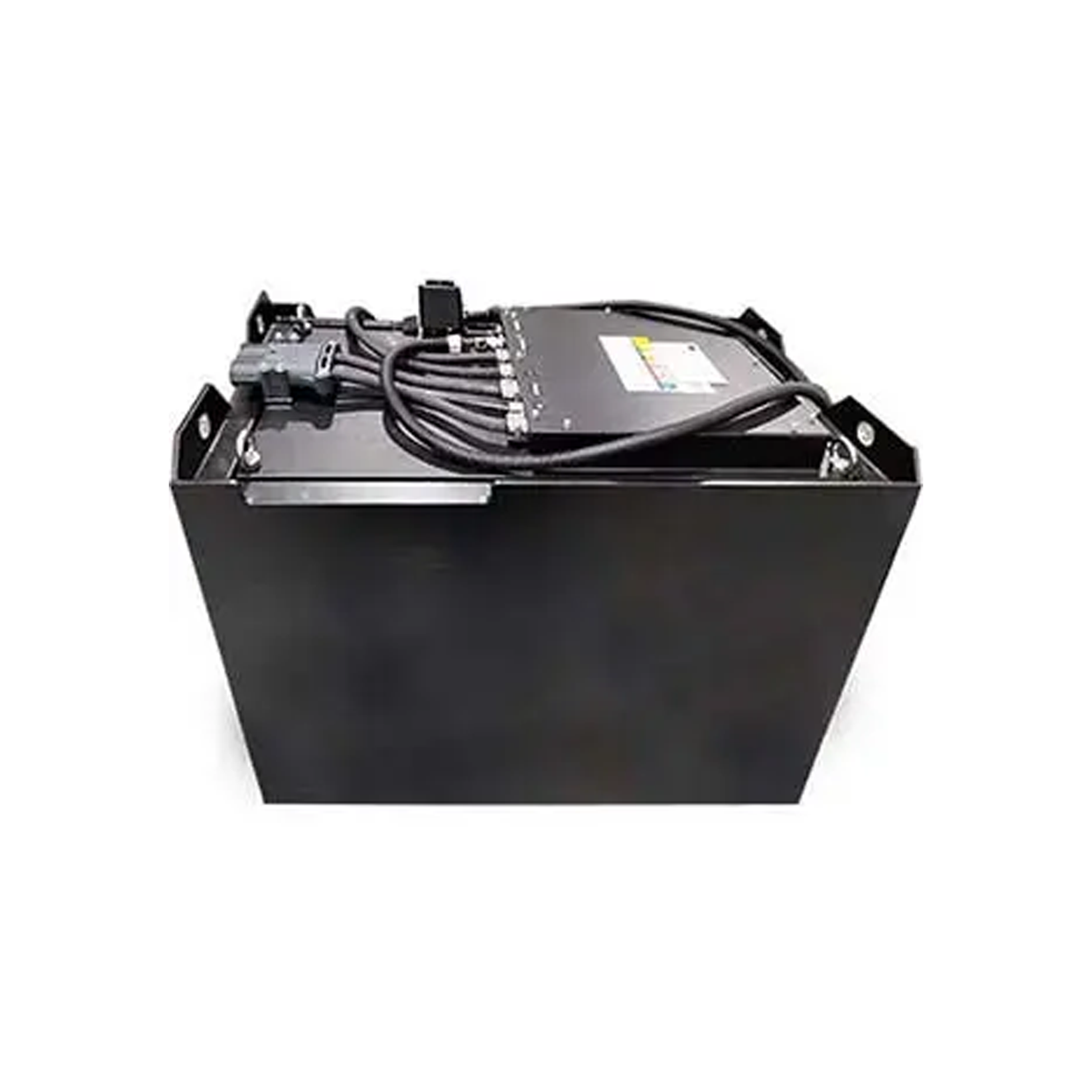
Forklift batteries have a particularly demanding maintenance environment because they experience vibration, frequent charging, operator interaction, and mechanical impacts.
LITHIUM STORAGE provides LiFePO4 forklift battery solutions across 24V, 36V, 48V, and 80V-class platforms and positions them for warehouses, logistics facilities, and heavy-duty material-handling operations.
For these batteries, maintenance should pay particular attention to:
Charging connectors
High-current power cables
Battery restraints
Communication wiring
Battery weight and mounting
BMS alarm history
Opportunity-charging behavior
A battery that repeatedly encounters overcurrent or low-SOC protection may be incorrectly sized for the forklift workload even if there is no physical defect.
Energy Storage Batteries Require Different Priorities
For stationary energy storage, mechanical connector wear may be less frequent, but thermal consistency and long-term cell balance become particularly important.
Inspection priorities may include:
Rack or cabinet temperature
Cooling-system performance
Cell voltage deviation
DC insulation
BMS communication
Energy throughput
Capacity retention
Repeated thermal alarms
PCS/BMS communication where applicable
LITHIUM STORAGE's battery energy storage portfolio includes energy storage blocks, cabinets, and containerized systems.
The preventive maintenance plan should therefore reflect whether the battery operates in a moving industrial vehicle or a stationary ESS.
How Often Should an Industrial Lithium Battery Be Replaced?
A preventive maintenance schedule should not assume that a battery must be replaced after a fixed number of years.
Replacement decisions should consider:
Remaining usable capacity
Internal resistance trend
Cell consistency
Equipment runtime requirement
Cycle count
Lifetime energy throughput
Fault frequency
Operating temperature history
Application requirements
A battery with 75–80% remaining capacity may still be perfectly suitable for one industrial application while being insufficient for another that requires full-shift operation.
Age alone is therefore a poor replacement criterion.
Keep Maintenance Records
For large industrial fleets, maintenance records become increasingly valuable.
Record information such as:
| Record | Why It Matters |
|---|
| Battery ID | Links data to the correct battery |
| Installation date | Tracks calendar age |
| Cycle count | Indicates usage intensity |
| Maximum temperature | Identifies thermal stress |
| Fault codes | Reveals recurring problems |
| Runtime | Tracks useful capacity |
| Charging time | Indicates changes in battery or charger behavior |
| Connector repairs | Helps identify recurring mechanical issues |
| BMS/software updates | Maintains configuration history |
These records allow maintenance teams to compare batteries rather than relying only on operator impressions.
A Simple Preventive Maintenance Plan
For many industrial applications, the maintenance workflow can be summarized as:
Every shift:
Check SOC, alarms, obvious physical damage, and abnormal temperature.
Every month:
Inspect connectors, cables, battery housing, mounting, and charging equipment.
Every three months:
Review BMS logs, temperatures, voltage consistency, and repeated protection events.
Every 6–12 months:
Evaluate battery performance, charger operation, communication, and electrical condition.
After any abnormal event:
Perform immediate inspection instead of waiting for the next scheduled service.
Preventive Maintenance Protects Lifetime Battery Value
Industrial lithium batteries require less routine servicing than traditional lead-acid systems, but they still depend on disciplined inspection and data monitoring.
The most effective preventive maintenance program focuses on:
temperature + connectors + cables + BMS data + charging behavior + physical condition + capacity trends.
LITHIUM STORAGE supplies prismatic LFP and NCM cells, battery modules, forklift packs, commercial-vehicle battery systems, and energy storage products for industrial applications. Its battery products are built around cell, module, and pack architectures with BMS-based protection and system integration.
For buyers selecting an Industrial Lithium Ion Battery, maintenance planning should begin at the specification stage. Understanding the expected duty cycle, charging strategy, operating temperature, mechanical environment, and required service life makes it easier to establish the right inspection intervals and prevent avoidable battery downtime.
 EN
EN
 fr
fr  de
de  it
it  ru
ru  es
es  pt
pt  tr
tr  jp
jp  ar
ar  th
th 


.jpg "How Long Does a Forklift Battery Last?")
 No.9 East Mozhou Road, Jiangning District, 211111, Nanjing City, China