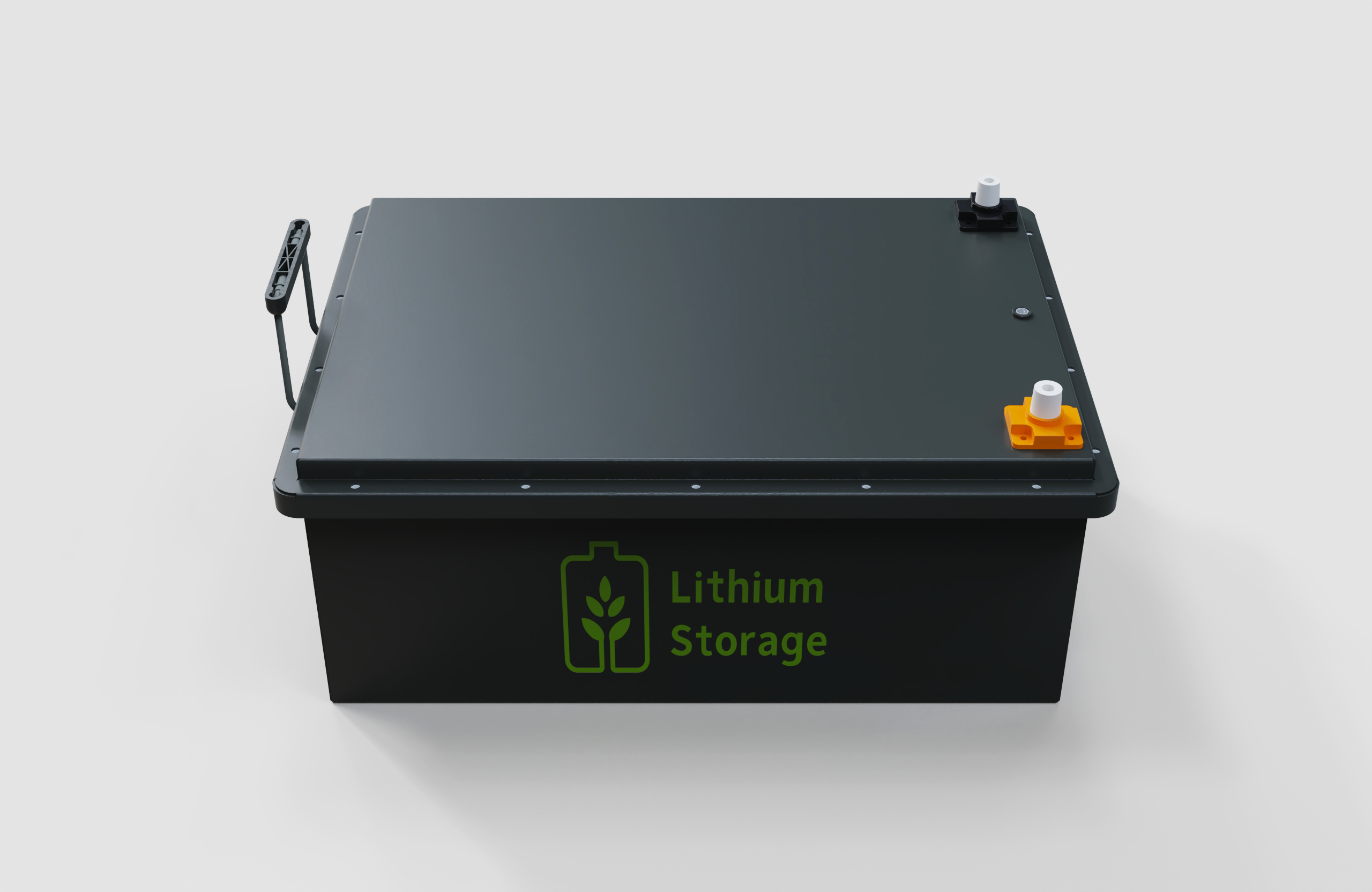
Forklift Lithium Battery Manufacturer│LITHIUM STORAGE Forklift Lithium Battery Manufacturer│LITHIUM STORAGE
KB19

Lithium Battery Weight vs Range Tradeoff in Electric Commercial Trucks

Electric truck range is strongly influenced by battery capacity, but adding more batteries also adds weight. That additional weight can reduce payload, influence axle loading and slightly increase the energy required to move the vehicle.

This creates one of the most important engineering tradeoffs when selecting Lithium Batteries for Truck applications:

more kWh increases available driving energy, but more battery mass can reduce payload and vehicle efficiency.

The right battery is therefore not necessarily the largest pack that fits.

Battery Energy and Battery Weight Increase Together

LITHIUM STORAGE's current Flexi Pack platform provides a useful real-world reference.

PackEnergyWeightPack Energy Density
Pack C, 280Ah32.26kWh212kg152.2Wh/kg
Pack C, 302Ah34.79kWh219kg158.9Wh/kg
Pack C, 230Ah35.33kWh220kg160.6Wh/kg
Pack D, 280Ah29.57kWh195kg151.6Wh/kg
Pack D, 230Ah33.12kWh207kg160.0Wh/kg

At approximately 150–161Wh/kg at pack level, adding 100kWh of nominal battery capacity may require roughly several hundred additional kilograms before considering the rest of the system structure.

Range Starts with Vehicle Energy Consumption

A simple first calculation is:

Required usable battery energy = distance × average vehicle consumption

If an electric truck consumes 1.2kWh/km:

200km requires approximately:

200 × 1.2 = 240kWh

300km requires:

360kWh

400km requires:

480kWh

Those figures represent delivered energy. The nominal battery normally needs additional capacity for reserve SOC, degradation, temperature effects and operating uncertainty.

More Battery Does Not Translate Directly into Proportional Range

Suppose a truck gains another 100kWh battery.

The simple calculation may suggest:

100kWh ÷ 1.2kWh/km ≈ 83km additional theoretical range

But the added batteries also increase vehicle mass.

A heavier vehicle needs additional energy during:

  • Acceleration

  • Hill climbing

  • Stop-and-go routes

  • Rolling resistance

Regenerative braking can recover some kinetic energy, but not all.

Therefore, each additional kWh delivers slightly diminishing range benefits as battery mass increases.

Payload Can Be More Valuable Than Maximum Range

For commercial trucks, payload generates revenue.

Imagine two battery options:

Option A: 300km range with 1,000kg more payload capacity.

Option B: 400km range but 1,000kg less payload.

If the truck's daily route is only 220km, Option B may be operationally worse despite its longer maximum range.

This is why Lithium Batteries for Truck projects should be sized around the actual route rather than an arbitrary range target.

Look at the Whole Route

Battery sizing should account for:

  • Route distance

  • Vehicle mass

  • Payload

  • Average speed

  • Road gradient

  • Number of stops

  • HVAC consumption

  • Auxiliary equipment

  • Ambient temperature

  • Charging opportunities

A refuse truck and a regional distribution truck may travel the same distance but have very different battery requirements.

The refuse truck repeatedly accelerates from low speed and operates hydraulic equipment.

The regional truck may spend long periods at highway speed where aerodynamic drag dominates.

Battery Location Also Matters

Battery weight is not only a total-mass issue.

It changes:

  • Front axle load

  • Rear axle load

  • Center of gravity

  • Vehicle stability

  • Suspension requirements

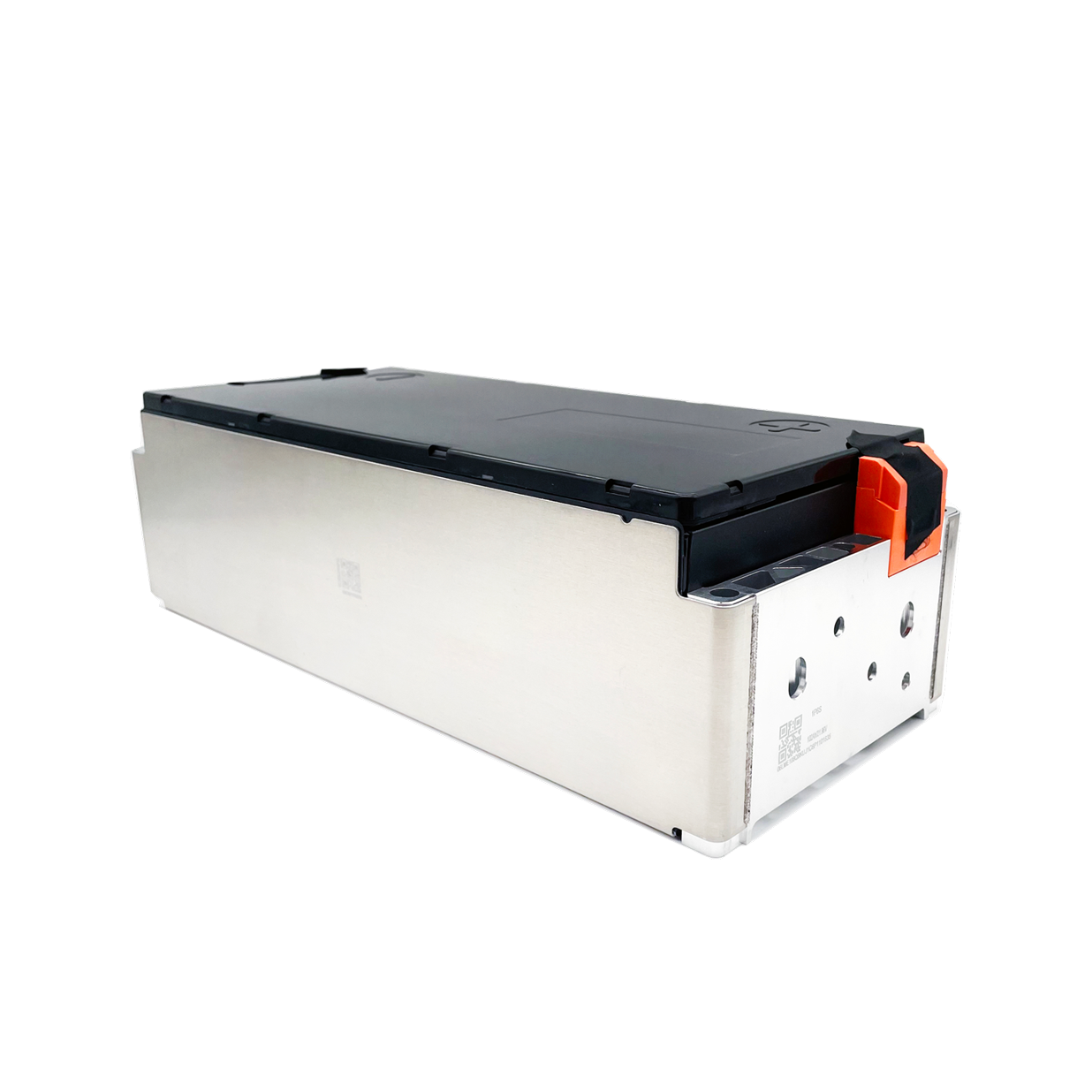
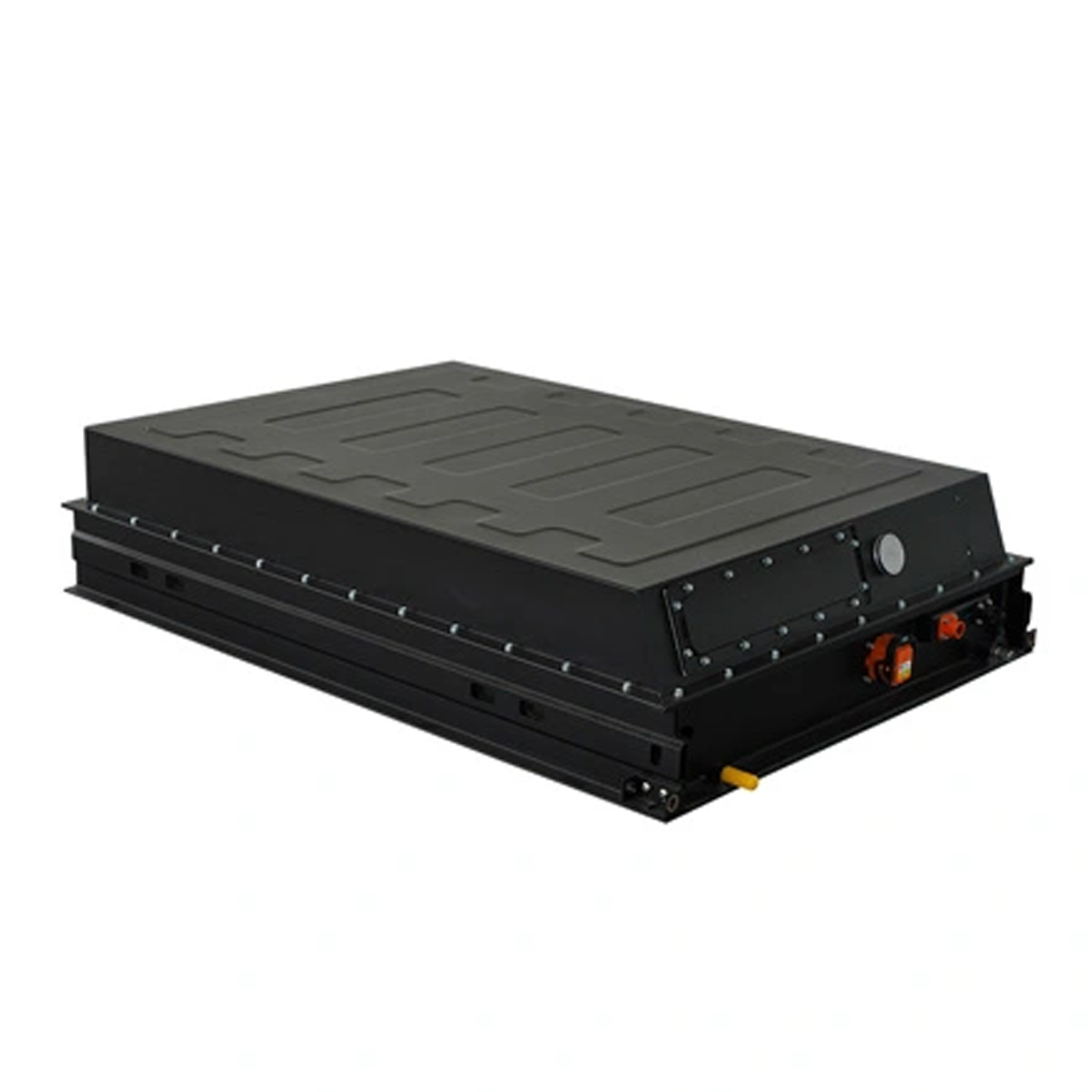
LITHIUM STORAGE's Standard Pack C and D use fixed envelopes of approximately 1070 × 635 × 249mm and 1020 × 635 × 249mm, allowing vehicle engineers to plan battery placement around known pack geometry and mass.

Multiple packs can then be distributed along the chassis rather than concentrated in one location.

Higher Energy Density Can Protect Payload

A difference of only 8–10Wh/kg can matter when a vehicle carries hundreds of kWh.

For example, LITHIUM STORAGE's Pack C configuration using the 230Ah cell reaches 160.6Wh/kg at pack level, compared with 152.2Wh/kg for the 280Ah configuration.

The correct cell choice therefore depends not only on Ah but on:

  • Pack voltage

  • Energy density

  • current capability

  • system architecture

  • vehicle packaging

Charging Infrastructure Can Reduce the Need for a Huge Battery

A fleet does not always need enough battery for an entire day without charging.

Suppose a delivery truck travels:

150km in the morning
then returns to a depot for one hour
then drives another 150km.

A suitable fast-charge session may allow a smaller battery than a truck expected to drive 300km continuously.

This creates another tradeoff:

larger battery + less charging infrastructure

versus

smaller battery + more frequent/higher-power charging

The best fleet design minimizes total system cost rather than maximizing onboard battery energy.

Cold Weather Requires Additional Range Margin

Battery performance and vehicle consumption both change in winter.

Energy is required for:

  • Cabin heating

  • Battery heating

  • Defrosting

  • Higher rolling resistance

A truck sized with almost no summer reserve may therefore become operationally inadequate during winter.

The battery supplier should model minimum-temperature routes rather than only average annual conditions.

Battery Degradation Also Requires Design Margin

A commercial vehicle expected to operate for years should not require 100% of its new-battery capacity to complete the route.

If the fleet needs 250kWh usable energy every day and installs only 250kWh nominal capacity, normal degradation may eventually make the route impossible.

Battery sizing should include an end-of-life range requirement.

A Practical Weight-vs-Range Method

For each proposed battery size, calculate:

QuestionWhy It Matters
Nominal kWhTotal installed energy
Usable kWhEnergy available under operating strategy
Battery massPayload penalty
Vehicle GVWLegal/engineering constraint
Axle loadingDetermines placement
Expected kWh/kmConverts energy into route range
Winter consumptionDetermines worst-case range
Required reserveAvoids operational failures
Charging availabilityMay reduce onboard kWh requirement

LITHIUM STORAGE's Flexi Pack platform uses LFP205Ah, LFP230Ah, LFP280Ah and LFP302Ah cells with liquid cooling and electric heating for commercial-vehicle applications.

For fleet buyers sourcing Lithium Batteries for Truck applications, the optimum battery is usually the smallest system that can reliably complete the hardest required route with enough end-of-life and weather reserve.

That approach protects range without carrying unnecessary battery weight every kilometer for the lifetime of the truck.


Latest News & Blog in Lithium Storage

+86-18686976230
info@lslithiumbattery.com
0086-025-8773-9887
Register to download
close