Forklift Lithium Battery Manufacturer│LITHIUM STORAGE Forklift Lithium Battery Manufacturer│LITHIUM STORAGE
KB19

How Commercial Vehicle Lithium Batteries Differ from Passenger EV Packs

Commercial vehicles and passenger cars may use the same fundamental lithium-ion chemistry, but their battery requirements can be very different.

A passenger EV is normally optimized around driving range, acceleration, packaging and consumer charging behavior. Trucks, buses and industrial vehicles often prioritize daily energy throughput, high utilization, serviceability, fleet standardization and predictable operation over many working hours.

For this reason, choosing a Commercial Vehicle Lithium Battery Manufacturer requires a different procurement logic from buying a battery platform for a passenger car.

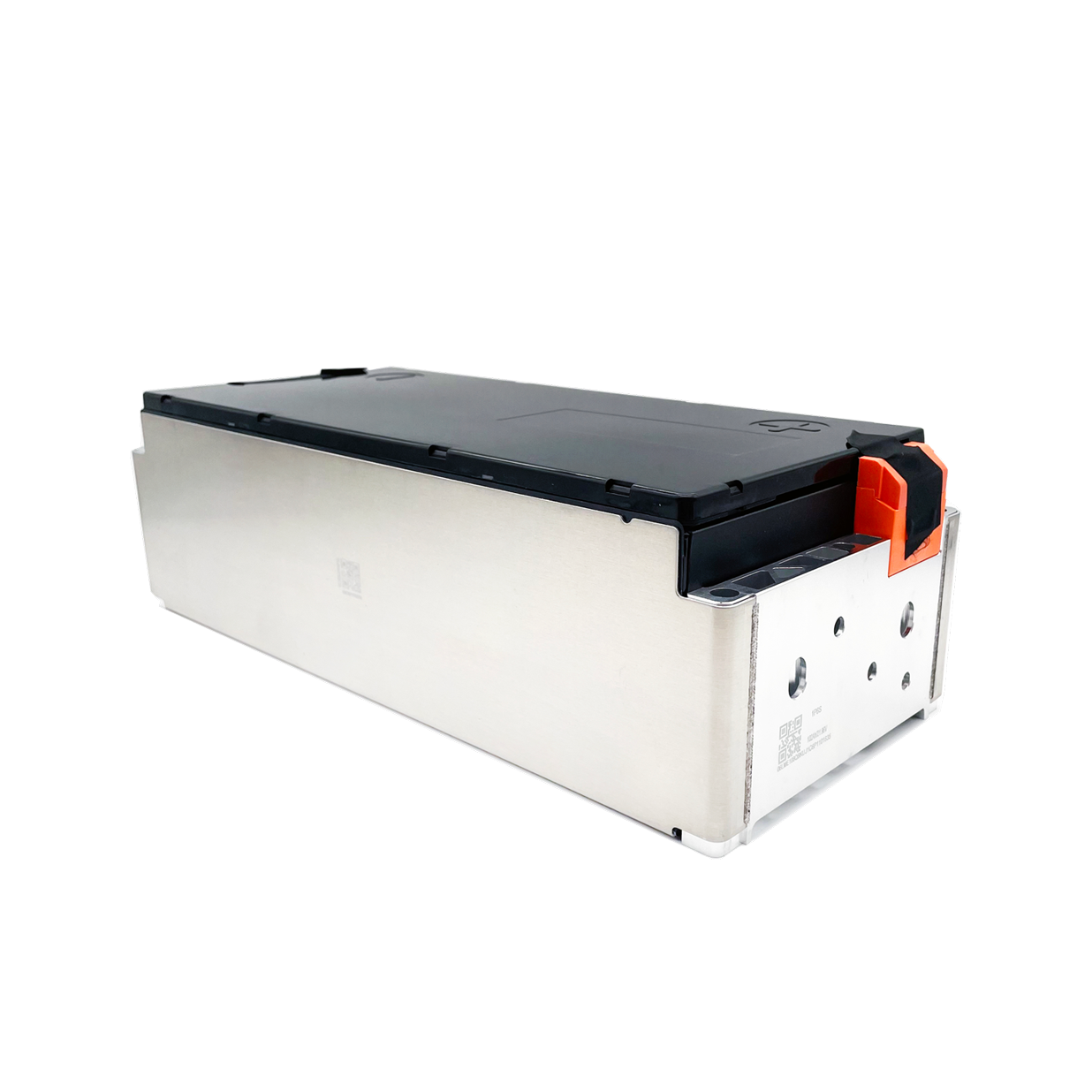
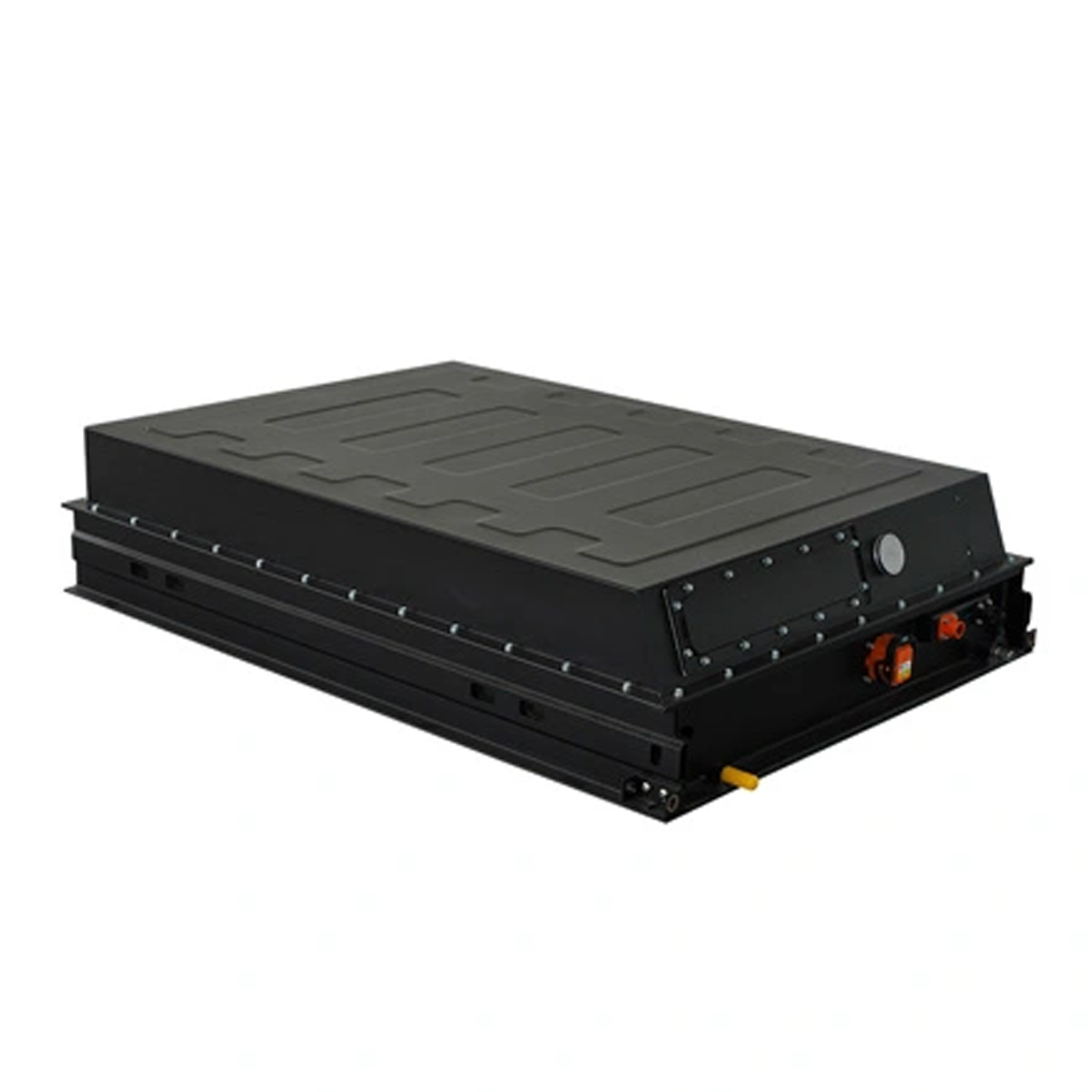
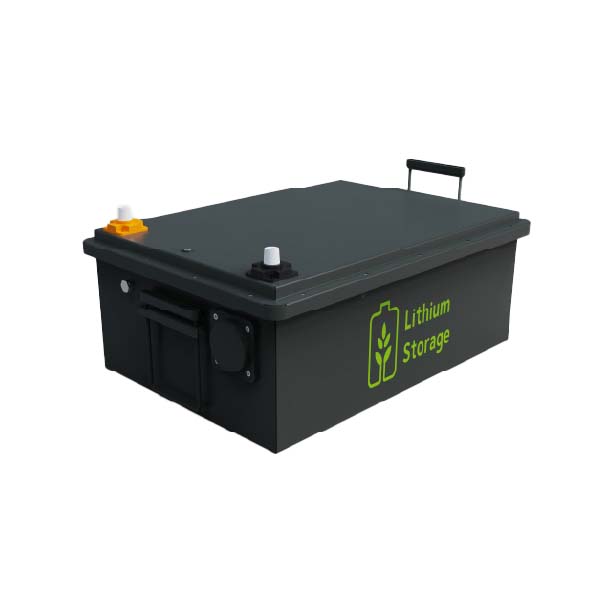
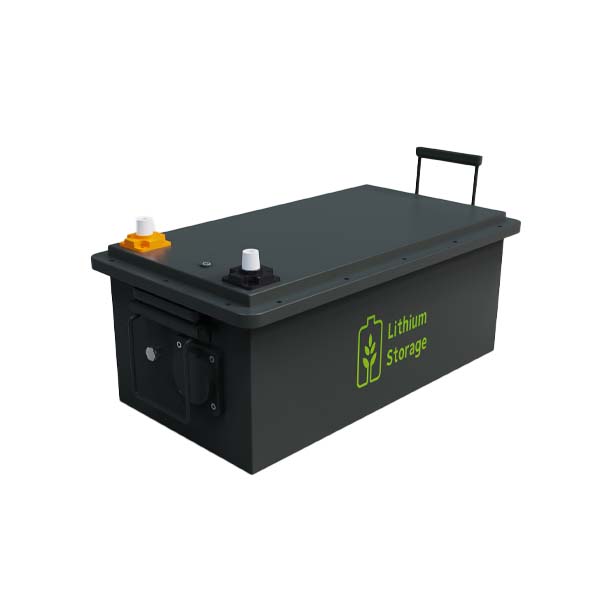
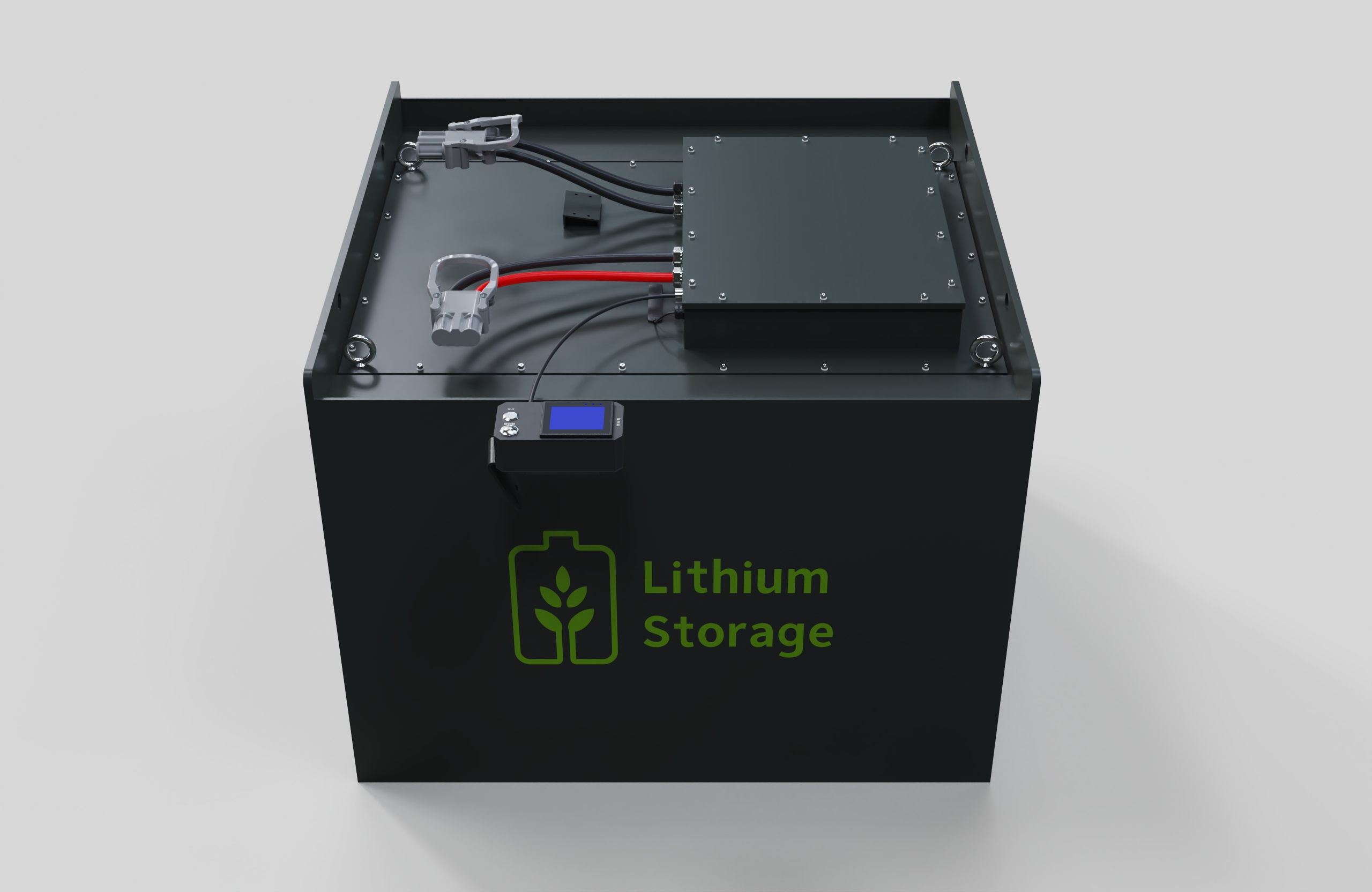
LITHIUM STORAGE's Flexi Pack C&D is designed specifically for commercial vehicles such as buses, electric trucks and special-purpose battery-powered vehicles. It uses standardized LFP prismatic-cell packs rather than a passenger-car-specific underfloor battery architecture.

Commercial Batteries Are Designed Around Work Cycles

A passenger car may drive one or two hours per day and remain parked for long periods.

A commercial vehicle may operate:

  • 8–16 hours per day

  • Two or three shifts

  • Hundreds of kilometers daily

  • Repeated stop-start cycles

  • High auxiliary loads

Therefore, total lifetime energy throughput can become more important than maximum energy density.

Range vs Payload Is a Commercial Decision

Passenger EV buyers generally want as much range as practical.

Commercial fleets have another constraint: payload.

Every kilogram of battery can reduce available cargo capacity or influence axle loading.

Battery sizing therefore has to balance:

route range + payload + vehicle weight + charging opportunities

rather than simply maximizing battery capacity.

LFP Often Makes More Sense for Commercial Duty

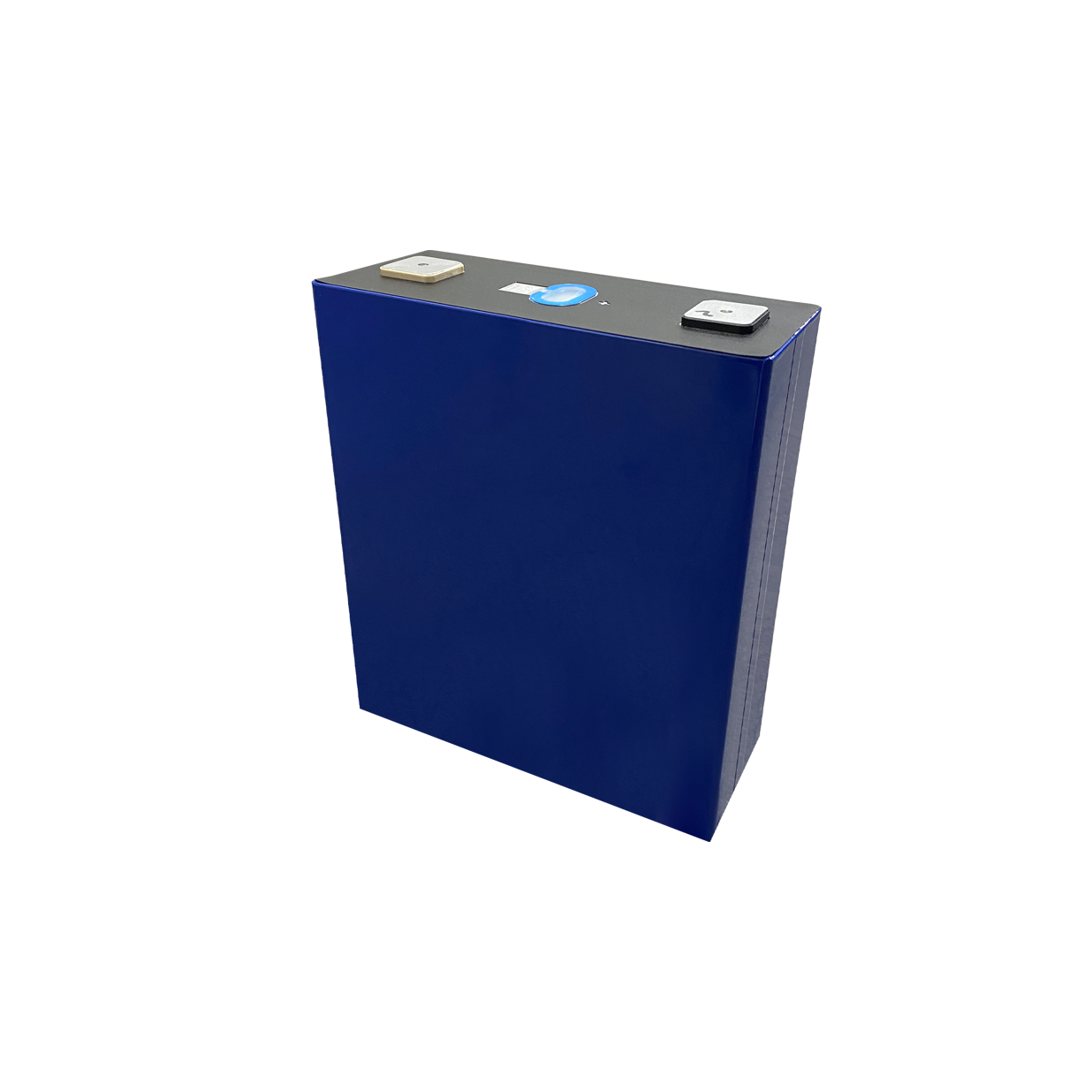
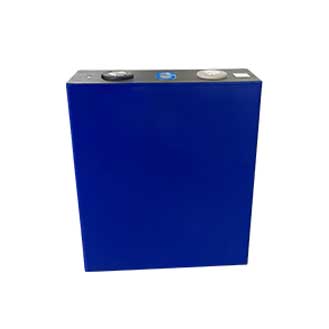
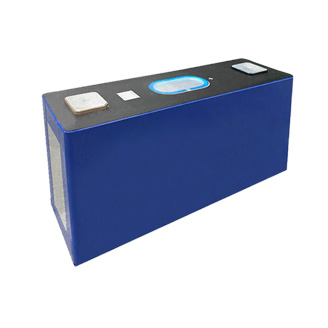
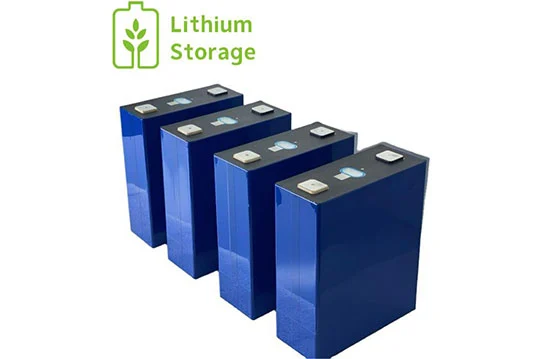
LITHIUM STORAGE's commercial Flexi Pack uses LFP205Ah, LFP230Ah, LFP280Ah and LFP302Ah cells.

LFP is attractive for many commercial vehicles because the application often values:

  • Cycle durability

  • Thermal stability

  • Cost

  • Repeated charging

  • Long service life

Passenger EVs have historically used more NCM chemistry where energy density and vehicle range are dominant requirements, although LFP is also increasingly common in passenger EVs.

Commercial Packs Need Strong Modular Serviceability

If a private car fails, one customer loses mobility.

If a fleet of 100 trucks uses a difficult-to-service battery design, fleet availability can become a major operating problem.

Commercial fleet buyers therefore care about:

  • Repeatable pack formats

  • Spare-part availability

  • Diagnostic access

  • Module/pack replacement

  • BMS support

  • Field service

LITHIUM STORAGE uses two fixed Flexi Pack envelopes with multiple cell combinations, allowing several vehicle battery systems to be built from repeated standardized units.

This can simplify fleet service compared with creating a unique battery enclosure for every vehicle.

Commercial Vehicles Often Need More Aggressive Thermal Control

A city bus may charge, discharge, accelerate and regenerate repeatedly throughout the day.

A delivery truck may fast-charge at the depot between shifts.

A mining vehicle may operate under heavy load for long periods.

These duty cycles generate substantial thermal demand.

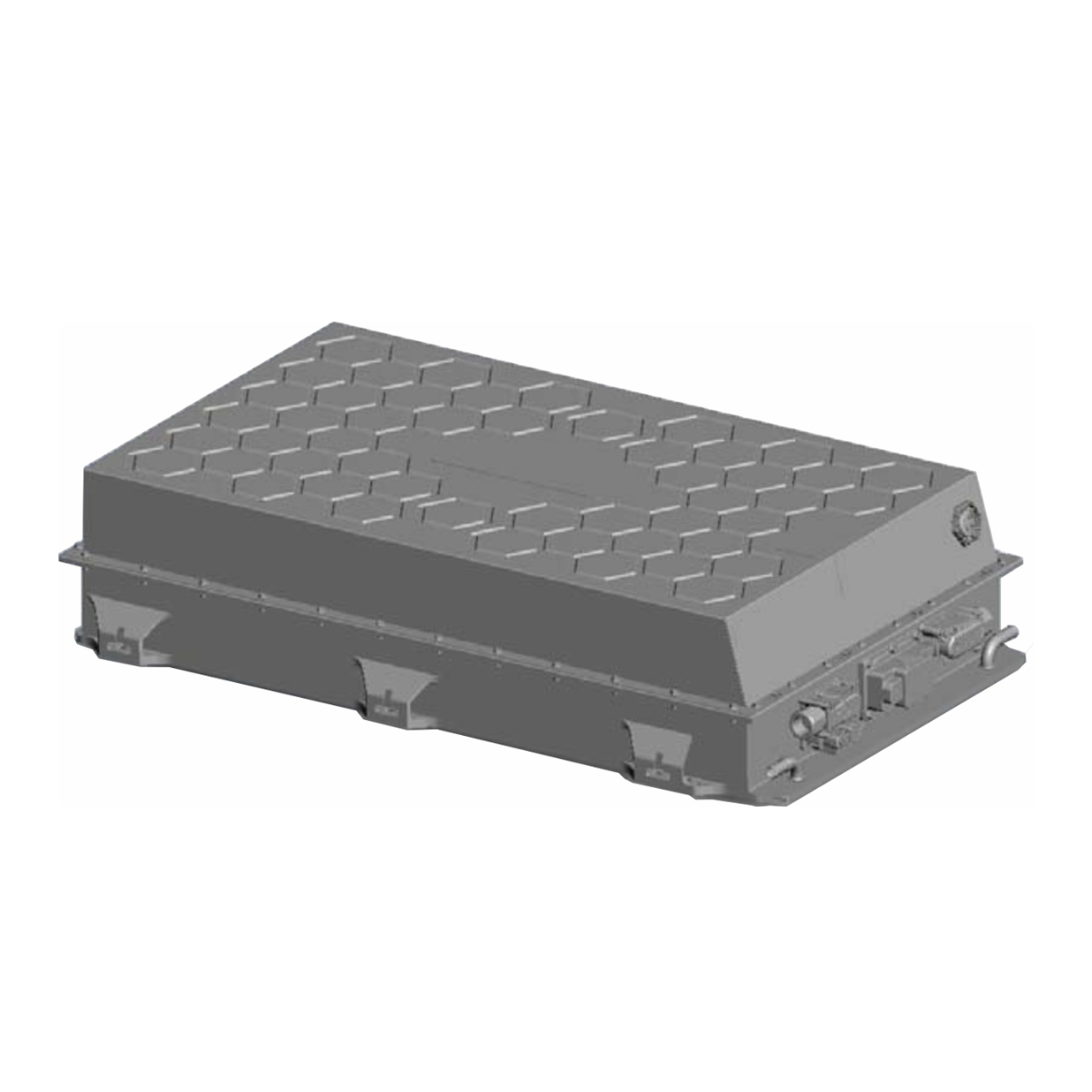
LITHIUM STORAGE's commercial Standard Pack C&D uses liquid cooling and electric heating.

The thermal system therefore needs to support both continuous high-energy operation and charging across seasonal temperature changes.

Auxiliary Loads Are Much Larger

Commercial vehicles may power:

  • Refrigeration units

  • Hydraulic pumps

  • Air compressors

  • Passenger HVAC

  • Doors

  • Liftgates

  • PTO replacements

  • Cabin hotel loads

These loads must be included in battery sizing.

A passenger-car range estimate based mainly on traction energy does not translate directly to a refrigerated delivery truck or electric bus.

High-Voltage Distribution Becomes More Complex

Commercial EV battery systems may need to supply multiple high-voltage systems.

That is why the battery architecture often includes a dedicated PDU.

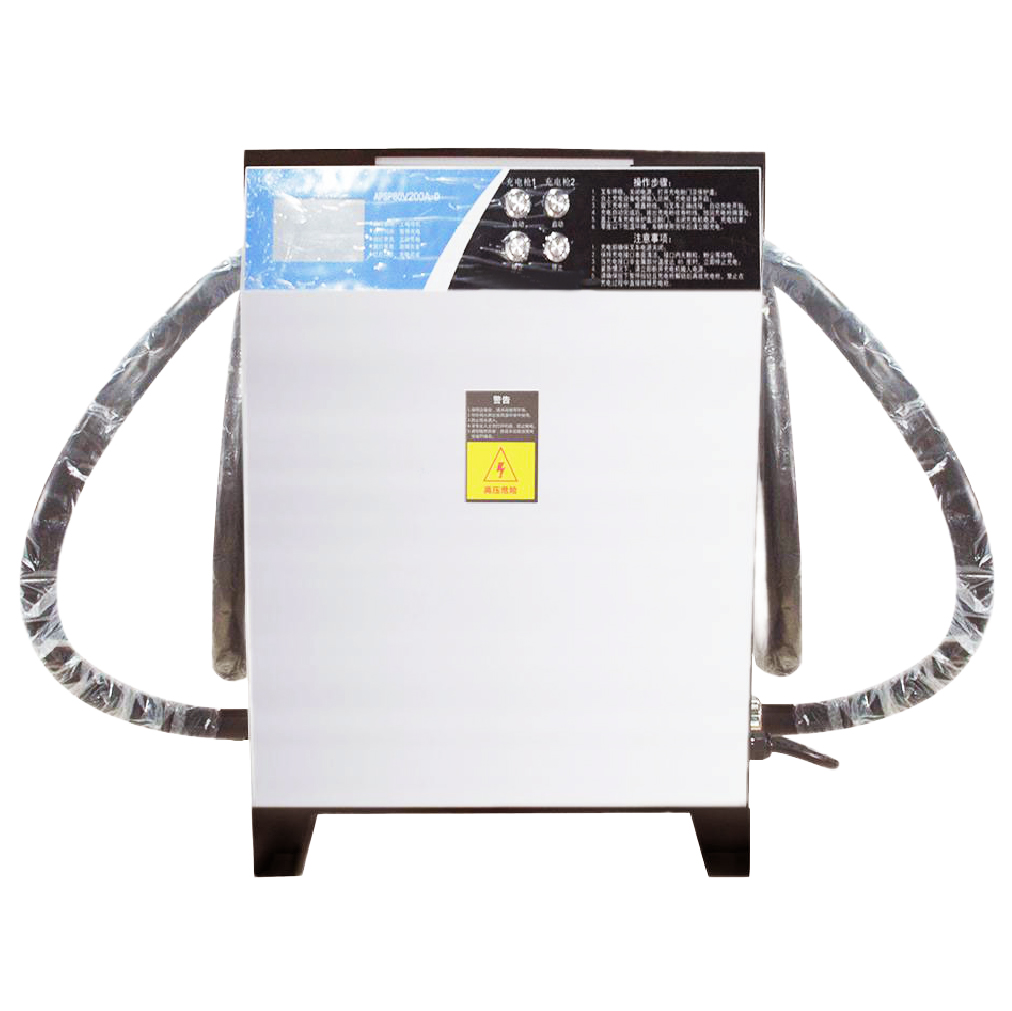
LITHIUM STORAGE's PDU distributes high-voltage power to systems such as the motor controller, BMS-related system, charging system and heating equipment, while adding functions such as precharge, fuse protection, insulation monitoring and CAN communication.

This is an important part of the commercial-vehicle battery system, not merely an accessory.

Regenerative Braking Requirements Can Be Severe

A fully loaded truck or bus carries substantial kinetic energy.

During braking, the battery must be able to accept regenerative current.

The system therefore needs adequate:

  • Charge power

  • SOC headroom

  • Cooling

  • BMS control

If the battery is too cold, too hot or nearly full, regenerative power may need to be limited.

Commercial Batteries Need More Predictable Lifetime Economics

Passenger-car users may think primarily about warranty years.

Fleet operators think in:

  • Cost per kilometer

  • kWh throughput

  • vehicle uptime

  • replacement cost

  • residual capacity

A commercial battery that costs more initially but reduces vehicle downtime or survives more annual energy throughput can provide better fleet economics.

Packaging Priorities Differ

Passenger EV packs are often tightly integrated into the floor structure to maximize cabin space and improve vehicle handling.

Commercial vehicles may distribute batteries:

  • Between chassis rails

  • Behind the cab

  • Along side rails

  • Under the body

  • In multiple battery boxes

Standardized packs can therefore provide more flexibility.

LITHIUM STORAGE's Pack C and Pack D differ slightly in length but use a common 635mm width and 249mm height, providing repeatable mechanical building blocks for commercial vehicle projects.

Commercial Vehicle Buyers Need Different Data

When evaluating a Commercial Vehicle Lithium Battery Manufacturer, ask for:

  • Continuous power

  • Peak power

  • Regenerative charge power

  • Battery energy

  • Pack mass

  • Energy density

  • Cooling/heating architecture

  • CAN communication

  • PDU architecture

  • Service strategy

  • certifications

  • route-specific life expectations

LITHIUM STORAGE's commercial-vehicle platform combines standardized LFP packs with PDU integration rather than treating the battery only as a collection of cells.

The main difference between commercial and passenger EV batteries is therefore not simply cell chemistry. It is what the vehicle must accomplish every working day and how costly battery downtime becomes to the fleet.


Latest News & Blog in Lithium Storage

+86-18686976230
info@lslithiumbattery.com
0086-025-8773-9887
Register to download
close