Forklift Lithium Battery Manufacturer│LITHIUM STORAGE Forklift Lithium Battery Manufacturer│LITHIUM STORAGE
KB19

Power Distributor Units for EV Fleets: What Buyers Should Know

The traction battery may be the largest energy component in an electric vehicle, but the battery cannot safely supply every high-voltage device directly. Power needs to be distributed, switched, protected and monitored before it reaches traction motors, charging equipment, heating circuits and auxiliaries.

That is the role of the Power Distributor Unit, or PDU.

For commercial EV OEMs and conversion projects, selecting a Power Distributor Unit Manufacturer should therefore be treated as part of high-voltage system engineering rather than as a simple electrical-box purchase.

What Does an EV PDU Do?

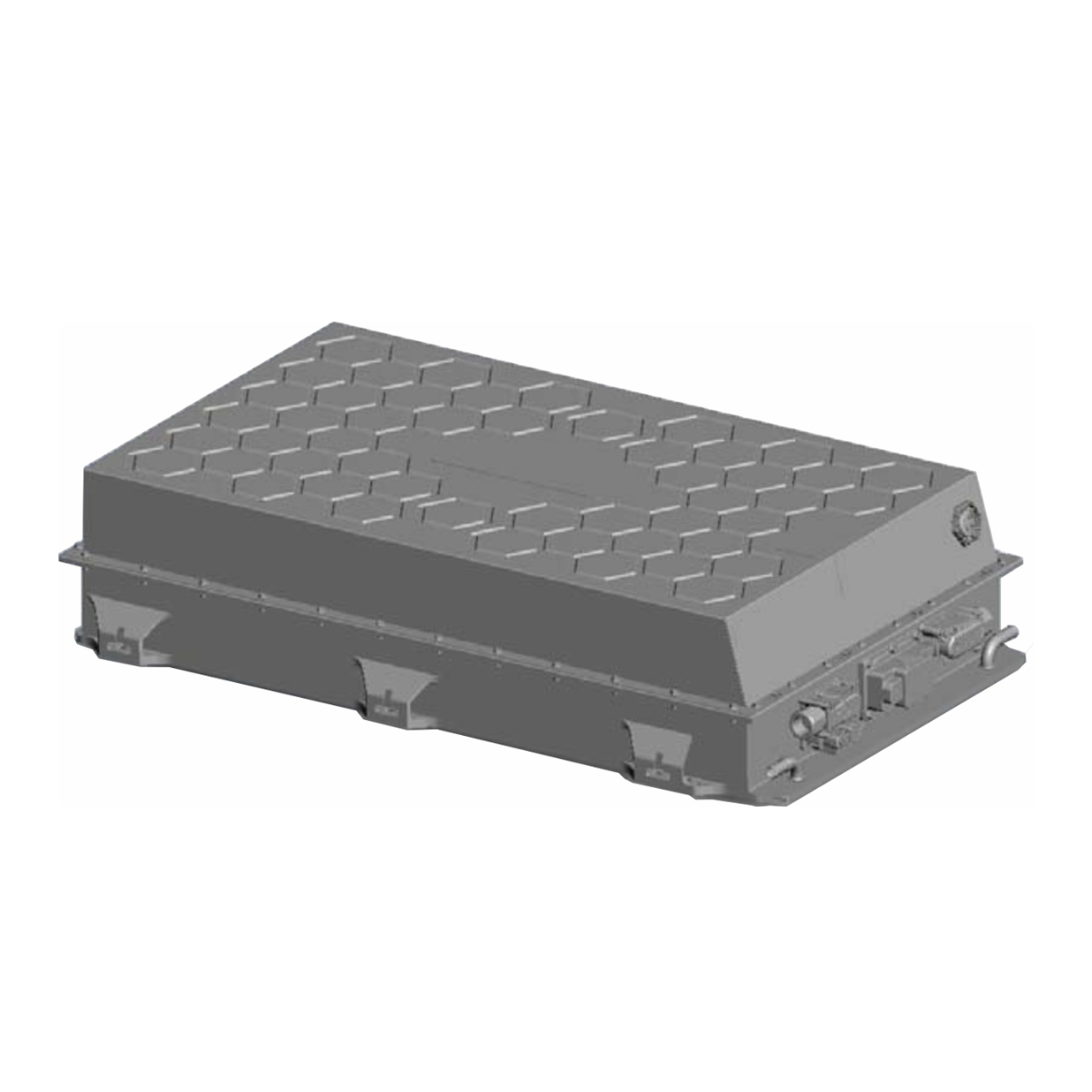
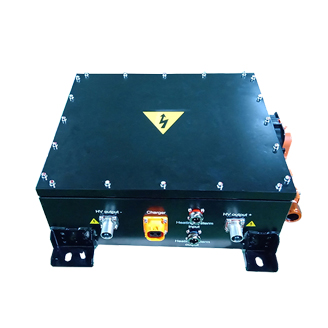
A PDU acts as the central distribution point between the high-voltage battery and multiple vehicle loads.

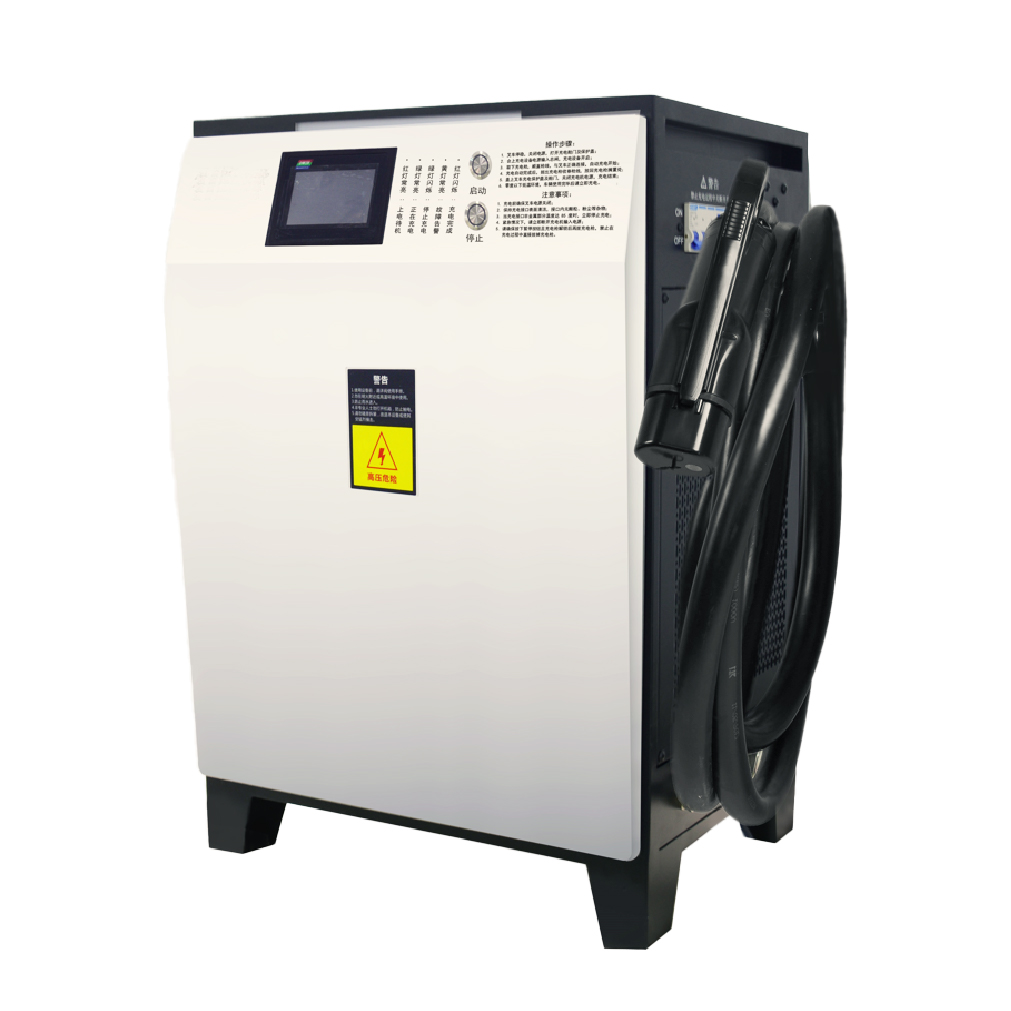
LITHIUM STORAGE describes its PDU as serving systems including:

  • Motor control

  • Battery system

  • Charging system

  • Heating system

Its design also incorporates electrical protection and monitoring functions.

The basic architecture can be thought of as:

Battery → PDU → traction inverter / charger / heater / auxiliary HV loads

Power Distribution Is Only One Function

A modern commercial-vehicle PDU may also provide:

Fuse protection
Protects branches against excessive current.

High-voltage relays/contactors
Control when individual circuits receive power.

Precharge
Limits initial inrush current when large DC-link capacitors are energized.

Current and voltage sensing
Provides operating information to the control system.

Insulation monitoring
Detects unwanted electrical leakage between the high-voltage circuit and chassis.

CAN communication
Allows coordination with the battery, charger and vehicle control unit.

LITHIUM STORAGE includes all of these functional blocks in its current PDU specification.

Why Precharge Matters

The traction inverter contains capacitors.

If the battery is connected directly to discharged capacitors, the initial current can be extremely high.

A precharge circuit introduces resistance temporarily so the DC-link voltage rises gradually before the main contactor closes.

LITHIUM STORAGE identifies a power resistor and anti-surge/pulse function within its precharge module.

For buyers, this means the PDU precharge design must be matched to the inverter capacitance and vehicle system voltage.

Current Ratings Must Match the Vehicle

A PDU cannot be selected by enclosure size.

LITHIUM STORAGE's currently published optional interfaces include:

InterfacePublished Parameter
Signal voltage9–32V
Battery interface250A
Fast charging200A
MSD350–500A
Motor interface240A
Heating interface5–20A
Auxiliary interface0–10A

These figures demonstrate why the Power Distributor Unit Manufacturer needs vehicle power data before approving the design.

A 120kW delivery truck and a 350kW heavy-duty truck may require very different busbars, contactors and fuse ratings.

Check Continuous and Peak Current Separately

Traction current varies significantly.

High current occurs during:

  • Acceleration

  • Hill climbing

  • Heavy payload operation

  • Maximum motor torque

The PDU should therefore be sized around both normal thermal loading and short peak events.

Oversizing every component increases weight and cost.

Undersizing can create overheating or nuisance protection events.

Fast Charging Changes PDU Requirements

Charging may use a separate high-voltage path.

LITHIUM STORAGE's PDU lists up to 200A fast-charge current in its current optional-interface specification.

For projects requiring higher charging currents, buyers should ask whether:

  • Charging bypasses part of the PDU.

  • Different contactors are required.

  • Larger busbars are required.

  • Additional thermal control is needed.

Do not assume a PDU designed around driving current automatically supports the desired fast-charging architecture.

Insulation Monitoring Is Important in High-Voltage EVs

Unlike low-voltage vehicle circuits, high-voltage traction systems need careful electrical isolation from the chassis.

LITHIUM STORAGE's design includes insulation detection and a function to disconnect quickly when leakage is identified.

Buyers should verify:

  • Insulation-monitoring threshold

  • Detection method

  • Fault response

  • CAN reporting

  • Vehicle-controller logic

CAN Communication Needs to Be Defined Early

A PDU may need to communicate with:

  • VCU

  • BMS

  • charger

LITHIUM STORAGE specifically lists real-time CAN communication with the bus and charger.

Before ordering, define:

  • CAN baud rate

  • Message IDs

  • Fault codes

  • Contactor commands

  • Precharge logic

  • Timeout behavior

“CAN supported” alone is not enough for compatibility.

Mechanical Design Matters Too

A commercial-vehicle PDU may face:

  • Vibration

  • Road shock

  • Water

  • Dust

  • Heat

  • Limited installation space

Therefore, ask the supplier about:

  • IP rating

  • Mounting orientation

  • Connector sealing

  • vibration validation

  • operating temperature

  • service access

What Information Should You Give a PDU Supplier?

Provide:

InputWhy It Matters
Battery voltage rangeDetermines insulation/component ratings
Motor peak powerDetermines current path
Continuous traction powerDetermines thermal sizing
Fast-charge currentSizes charging path
Heater/auxiliary loadsDetermines branch circuits
VCU/CAN specificationDetermines controls
Pack configurationDefines main battery interface
Installation spaceDetermines enclosure
Environmental conditionsDetermines sealing/thermal requirements

LITHIUM STORAGE supplies the PDU as part of its commercial-vehicle Flexi Pack architecture, alongside standardized LFP battery packs.

For EV fleet programs, the right Power Distributor Unit Manufacturer should be able to discuss fuse coordination, contactor logic, precharge, current paths, CAN integration and insulation monitoring—not just quote an enclosure and current rating.


Latest News & Blog in Lithium Storage

+86-18686976230
info@lslithiumbattery.com
0086-025-8773-9887
Register to download
close