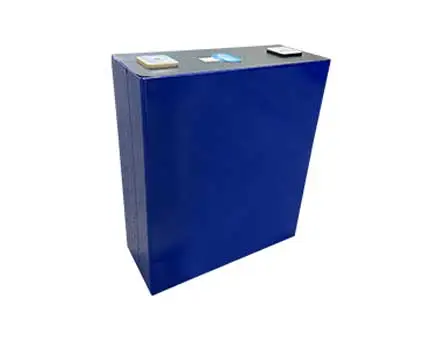
For an industrial buyer, choosing a lithium battery supplier is not simply a price-comparison exercise. The battery may operate inside a forklift, commercial vehicle, energy storage cabinet or other high-value system for years. Cell consistency, BMS integration, traceability, certifications and long-term technical support can have a larger financial impact than the initial price difference between quotations.
A serious evaluation of a Lithium Ion Battery Manufacturer should therefore examine both the product and the organization behind it.
1. Check Whether the Supplier Actually Covers the Product Level You Need
Some companies manufacture cells.
Others assemble purchased cells into modules or packs.
Others are system integrators.
These are different capabilities.
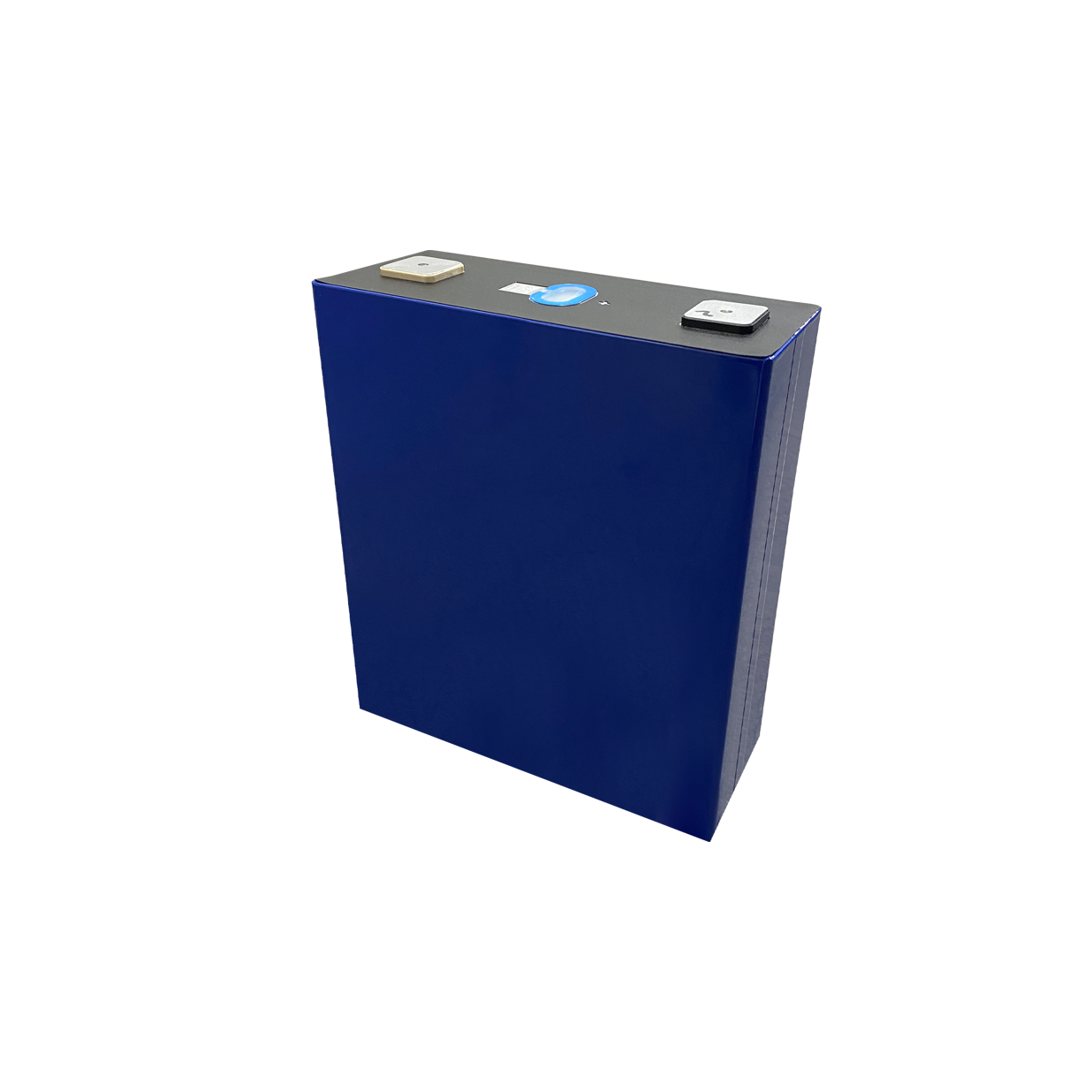
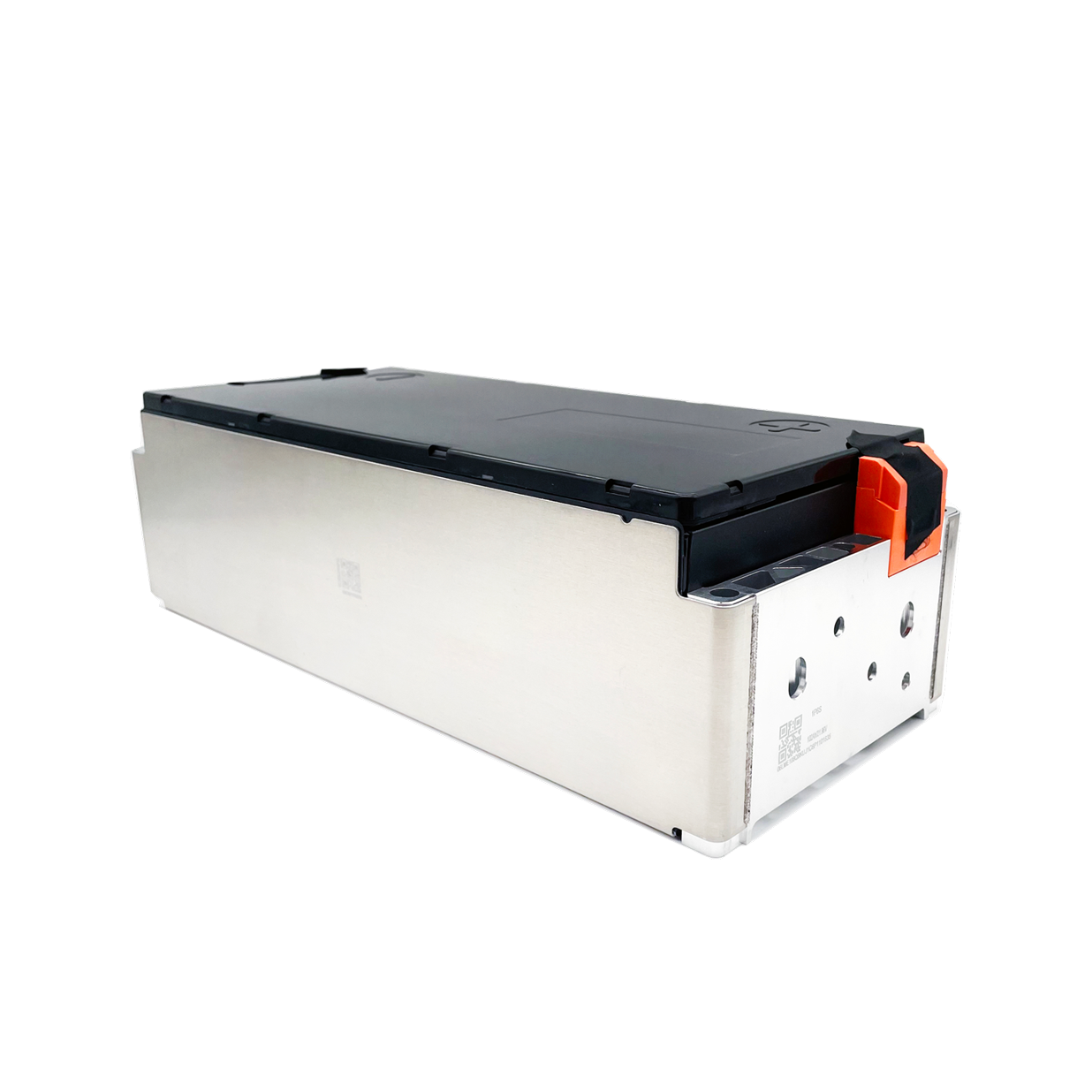
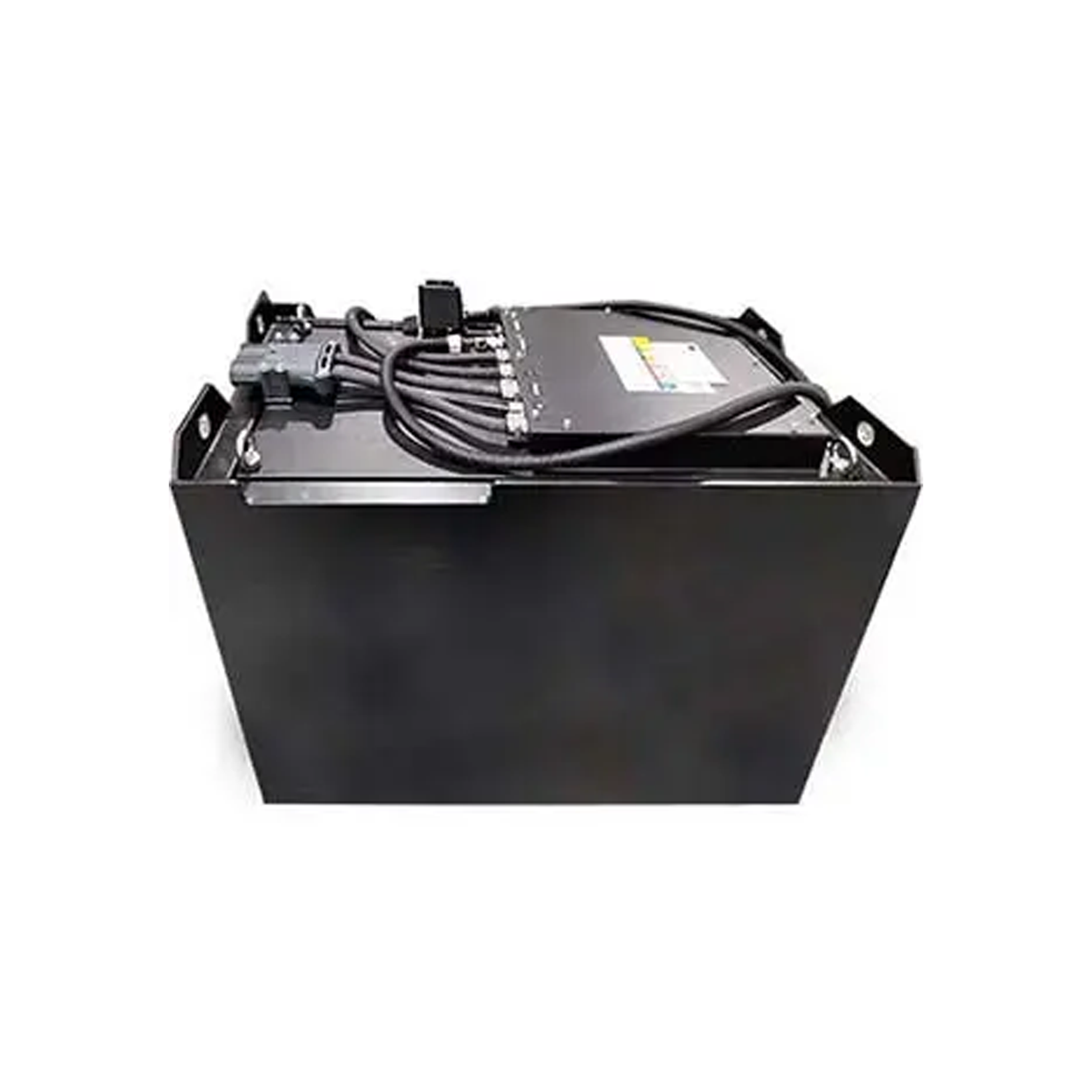
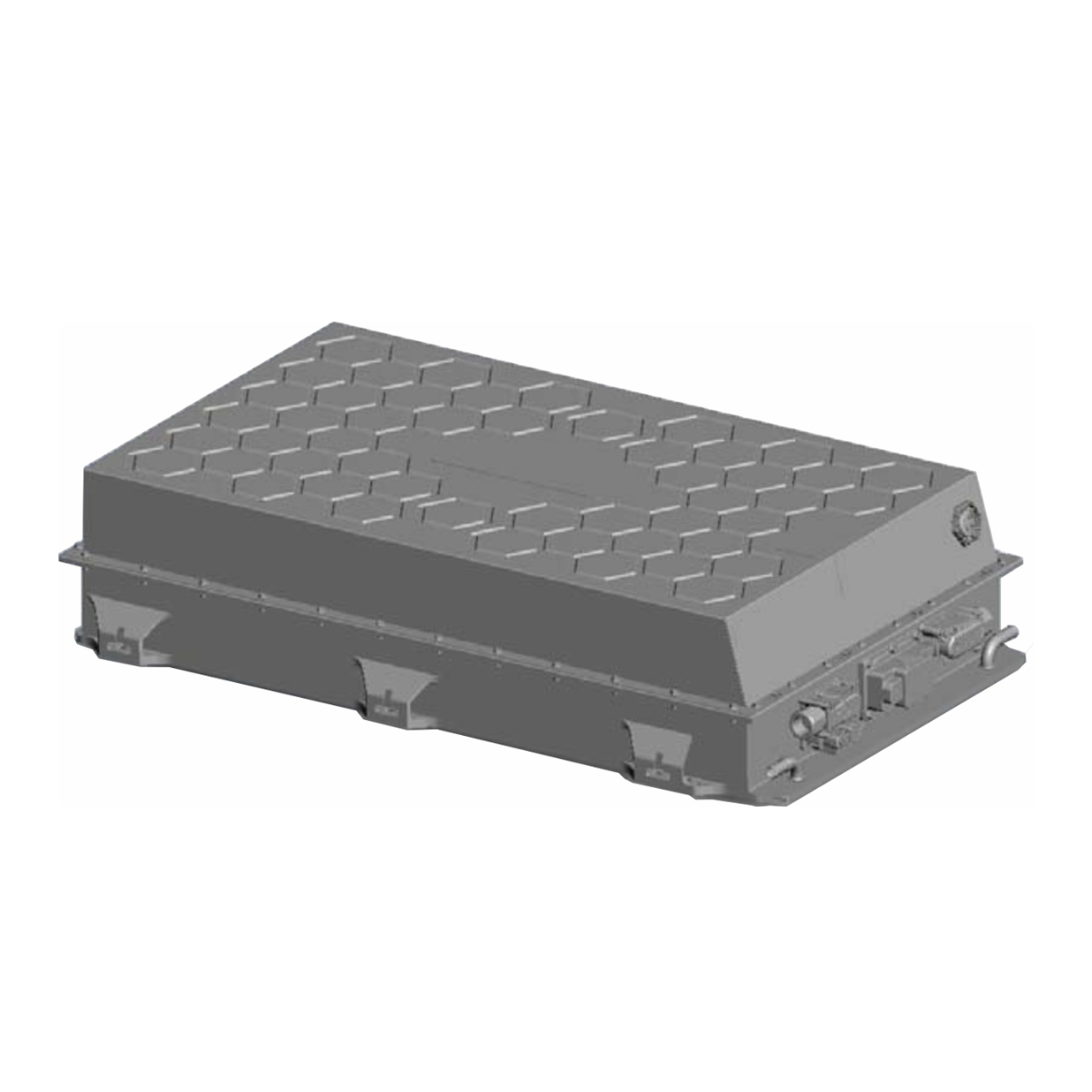
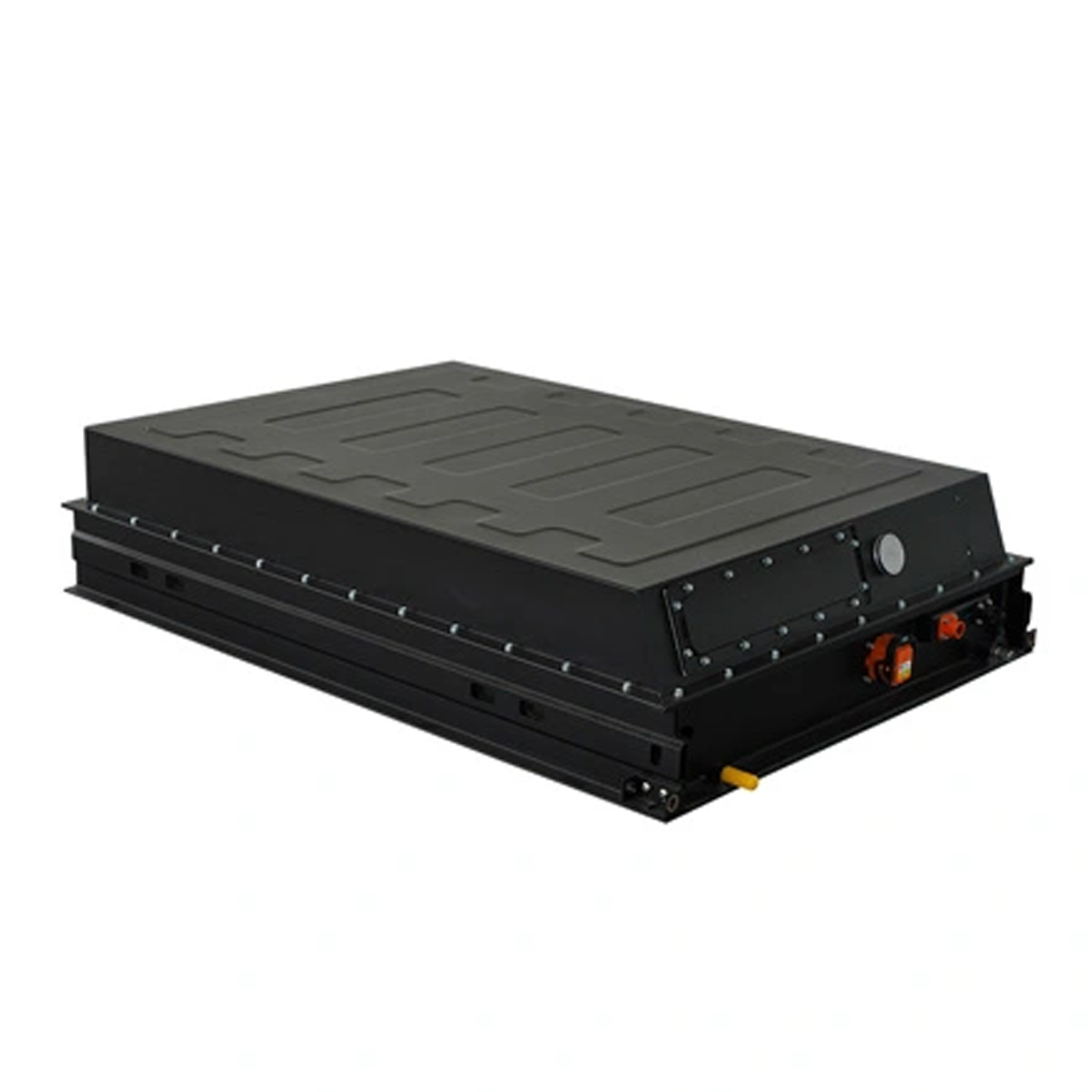
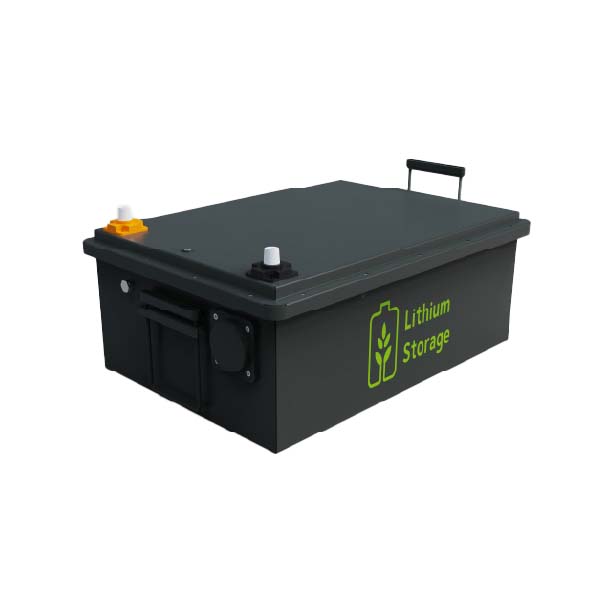
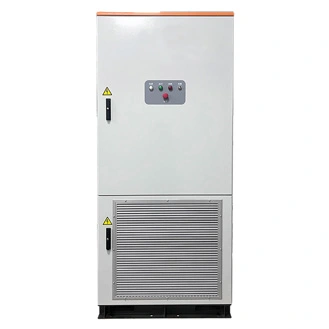
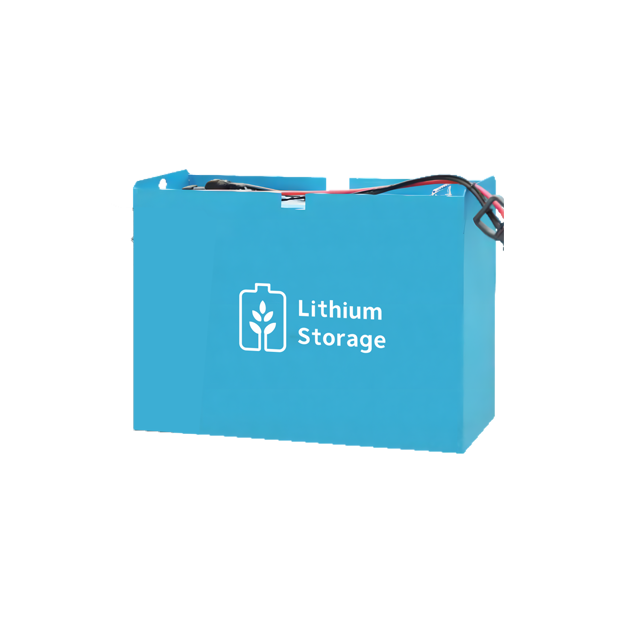
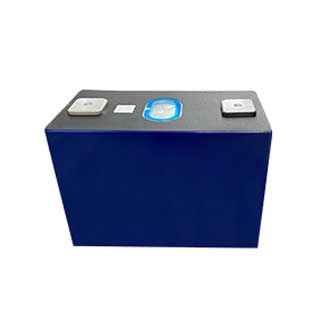
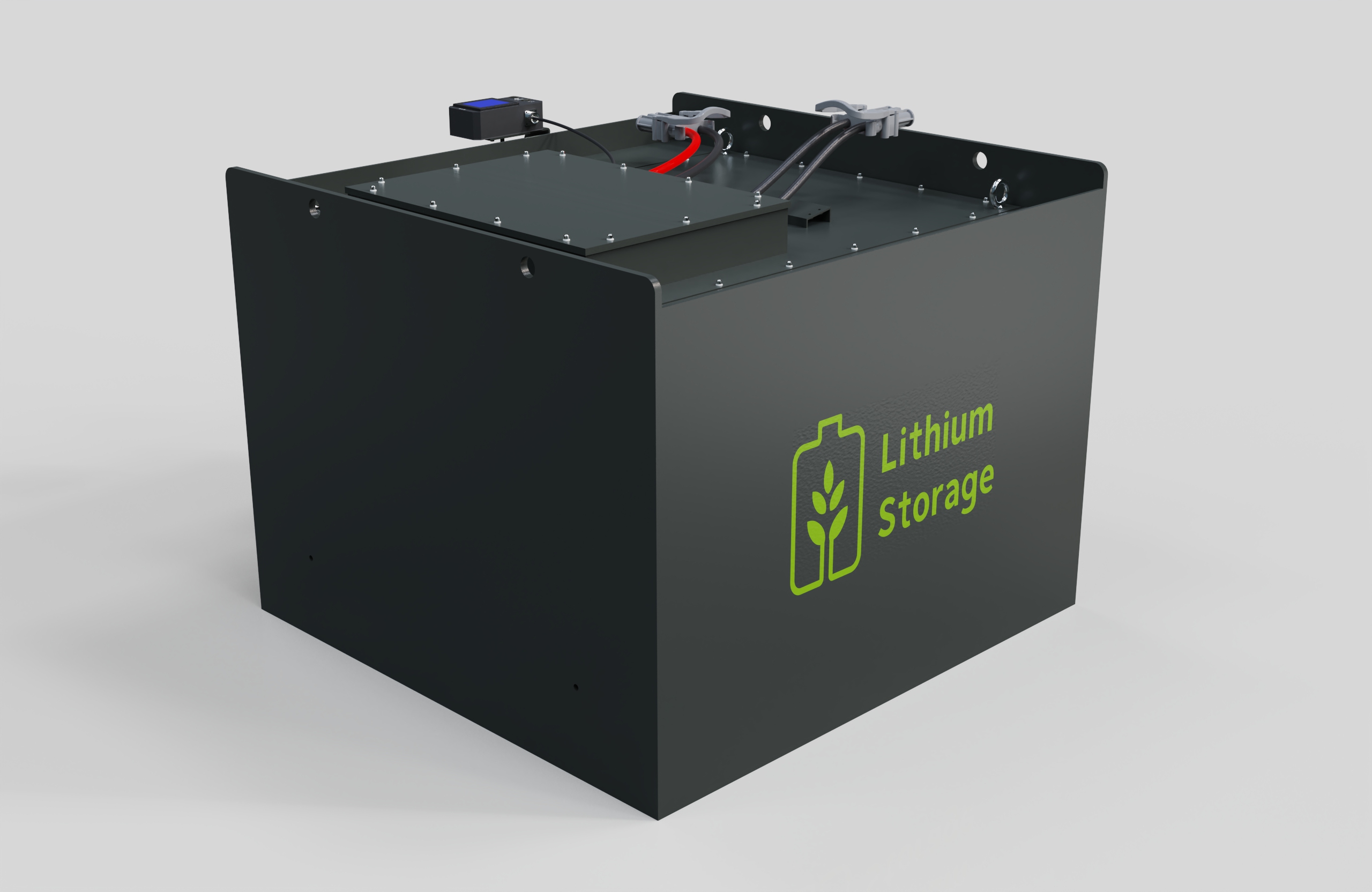
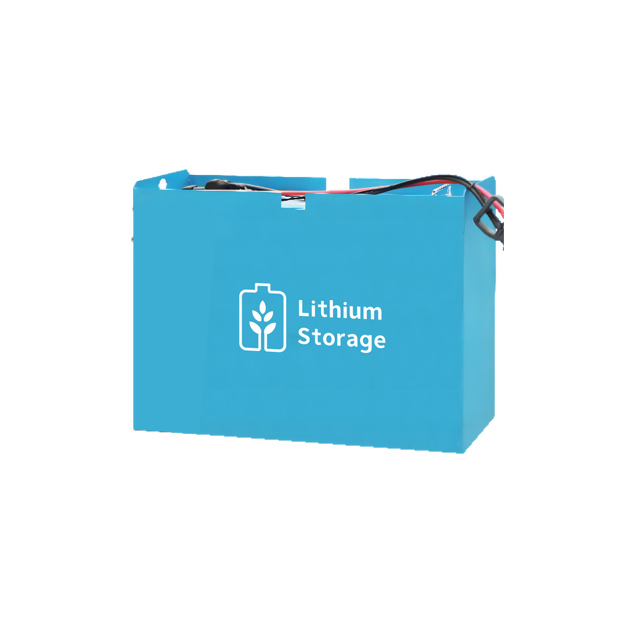
LITHIUM STORAGE's current portfolio includes LFP and NCM prismatic cells, modules, low-voltage forklift batteries, high-voltage commercial-vehicle packs, PDU products, starter batteries and energy storage systems.
For buyers, this broader cell-to-system capability can be useful when one project requires engineering across several battery levels.
2. Evaluate Chemistry Experience
A supplier should be able to explain why a chemistry fits the application.
LITHIUM STORAGE manufactures both:
LFP prismatic cells
NCM prismatic cells
and its current LFP range covers 40Ah–302Ah.
A manufacturer that automatically recommends the same chemistry for every project may not be evaluating the real application.
3. Examine Quality Management Systems
Ask for current certificates rather than relying on website logos.
LITHIUM STORAGE states that its manufacturing quality framework follows:
ISO 9001
IATF 16949
ISO 14001
ISO 45001
and its quality-control page describes raw-material testing, process/environment control, MES traceability and delivery inspection.
For automotive or commercial-vehicle projects, IATF 16949 can be particularly relevant because the automotive supply chain has strict process-control and traceability requirements.
4. Ask How Cells Are Matched
Pack life can be affected by inconsistency among cells.
Ask the manufacturer how production cells are sorted for:
Capacity
Internal resistance
Voltage
Self-discharge
LITHIUM STORAGE's quality-control process includes sorting and testing before delivery, together with MES-based traceability through production.
For high-volume orders, buyers should ask what acceptance windows are actually used for their project.
5. Verify Product Certification by Exact Model
Do not accept the statement:
“Our batteries are certified.”
Ask:
Which exact cell/module/pack has which certificate?
LITHIUM STORAGE's certification tables show that certification coverage varies by cell model. For example, some LFP cells carry IEC 62619 while particular products may also have UL1642, BIS, JET or other approvals.
This is much more credible than claiming every product carries every certification.
6. Review Datasheets Carefully
A professional datasheet should cover relevant values such as:
LITHIUM STORAGE maintains downloadable datasheets for its LFP/NCM cells, modules, commercial-vehicle packs and PDU products.
The key is not merely whether documentation exists but whether test conditions are clearly defined.
7. Ask for Cycle-Life Test Conditions
“6,000 cycles” is incomplete without:
DOD
C-rate
temperature
charge protocol
end-of-life capacity
For example, LITHIUM STORAGE's air-cooled energy storage block lists 6,000 cycles under specific 25±2°C, 0.5C and remaining-capacity conditions.
A supplier quoting cycle life without test conditions should be questioned.
8. Evaluate Pack Engineering, Not Only Cell Quality
A high-quality cell can perform poorly in a poorly engineered pack.
Assess:
BMS
contactors
fuses
thermal management
busbars
enclosure
connectors
CAN communication
LITHIUM STORAGE's product portfolio extends from cells through modules to complete forklift and commercial-vehicle systems, including PDU architecture.
9. Check Application References
Ask whether the supplier has actual experience in:
Forklifts
buses
trucks
ESS
marine
industrial vehicles
A cell originally designed for one duty cycle may not automatically be the best option for another.
LITHIUM STORAGE positions 205Ah, 230Ah, 280Ah and 302Ah LFP cells for forklift, bus and truck applications, while lower-capacity cells are targeted at different applications.
10. Review Engineering Support
For custom projects, ask:
Who handles CAN integration?
Who selects cells?
Who designs thermal management?
Can the supplier support prototype commissioning?
What fault logs can the BMS provide?
Industrial battery sourcing should involve engineers, not only sales staff.
11. Audit Warranty Conditions
A long warranty statement may contain important limits.
Confirm:
Calendar years
operating hours
cycle limit
permitted temperature
maximum current
end-of-life capacity
exclusions
For example, some LITHIUM STORAGE Smart FLT products publicly list five-year/10,000-hour warranties, but warranty terms should be checked for the exact model and project.
12. Evaluate Long-Term Supply
Industrial equipment can remain in service for 8–15 years or longer.
Ask whether replacement:
Cells
modules
BMS
chargers
connectors
will remain available.
A Lithium Ion Battery Manufacturer should provide a realistic lifecycle-support strategy rather than focusing only on the first shipment.
LITHIUM STORAGE states that its team has more than 10 years of industrial project experience and provides products from prismatic cells through complete systems.
For buyers, supplier qualification should therefore combine certification + production control + technical data + application engineering + traceability + support. Price belongs in the decision, but it should come after confirming that the batteries are technically and commercially suitable.