Choosing the right lithium-ion chemistry is one of the most important decisions when designing an industrial battery energy storage system. Two common options are LFP (lithium iron phosphate) and NCM (nickel cobalt manganese). Both can store and deliver electrical energy efficiently, but their differences in cycle life, thermal stability, energy density, cost, and thermal-management requirements can lead to very different system designs.
For most stationary commercial and industrial energy storage projects, LFP has become the more practical choice, especially where the battery will cycle frequently and operate for many years. NCM still offers an important advantage when installation space or system weight is tightly restricted.
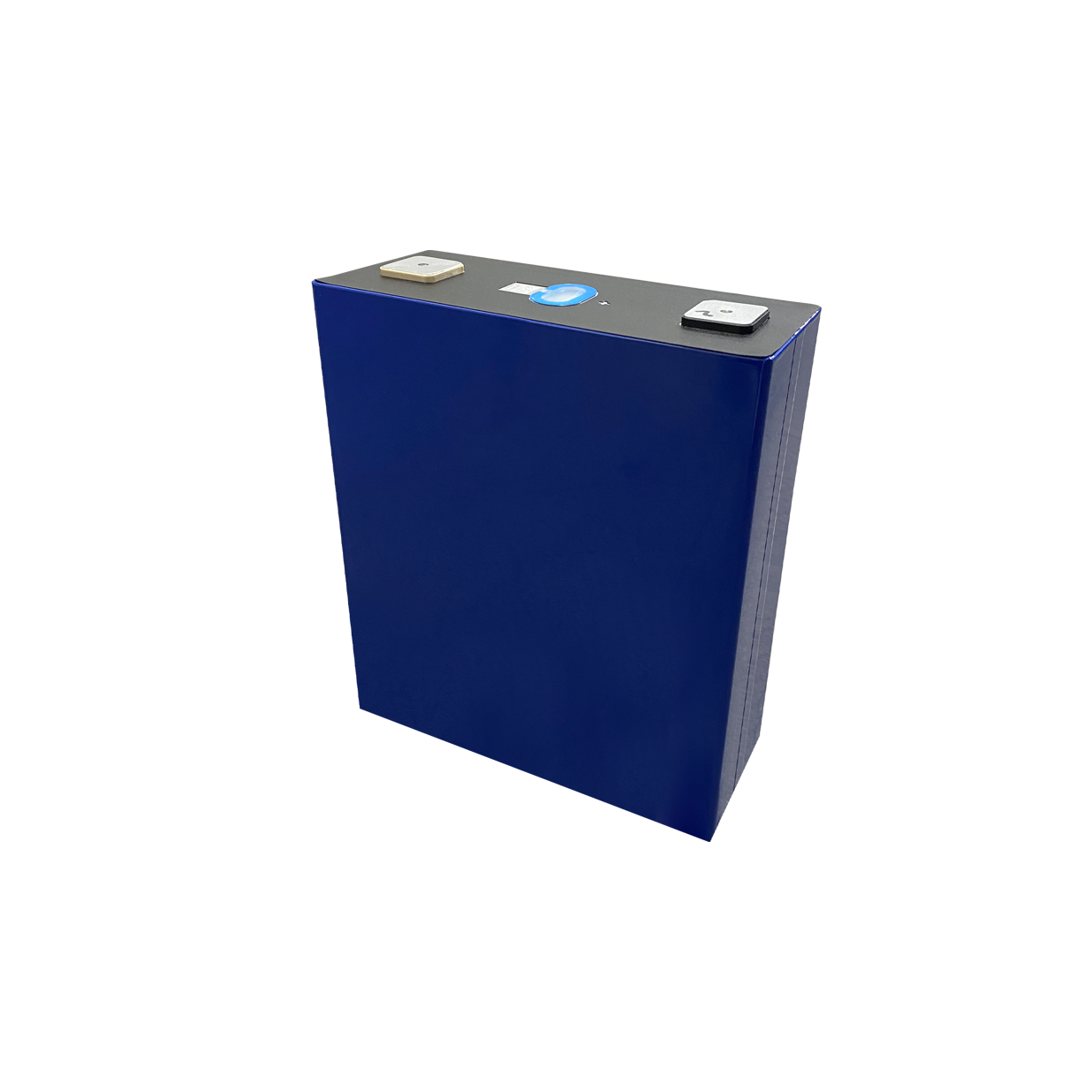
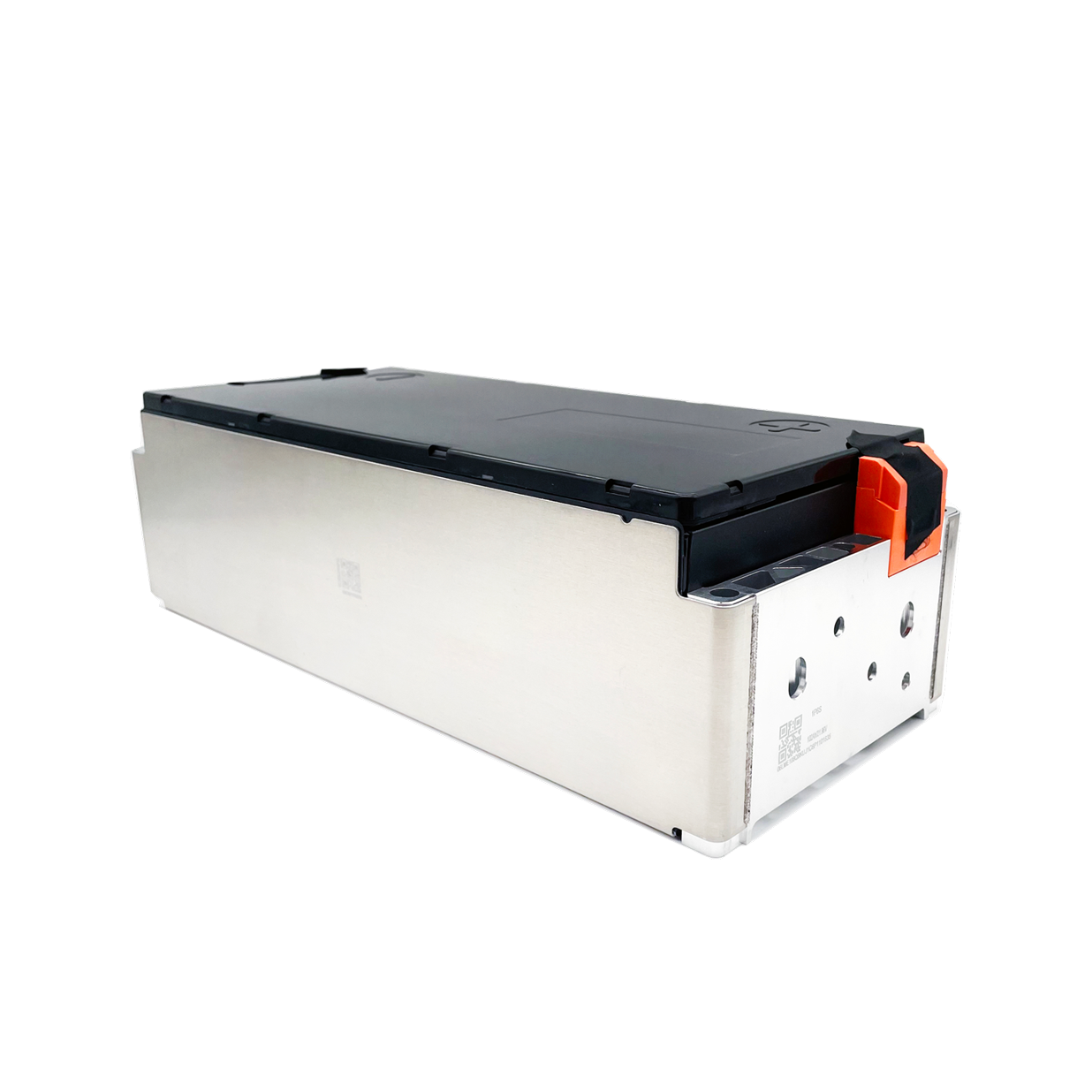
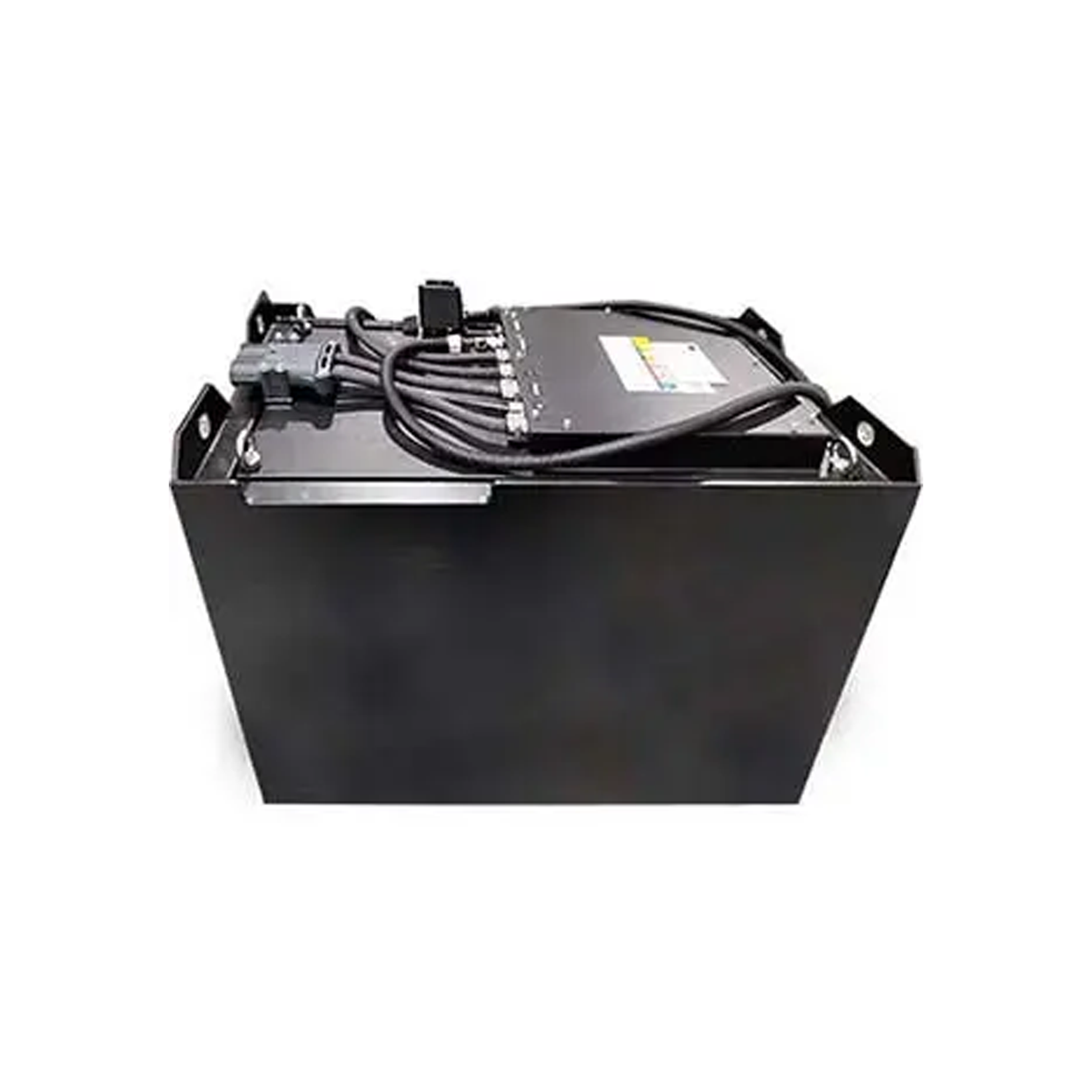
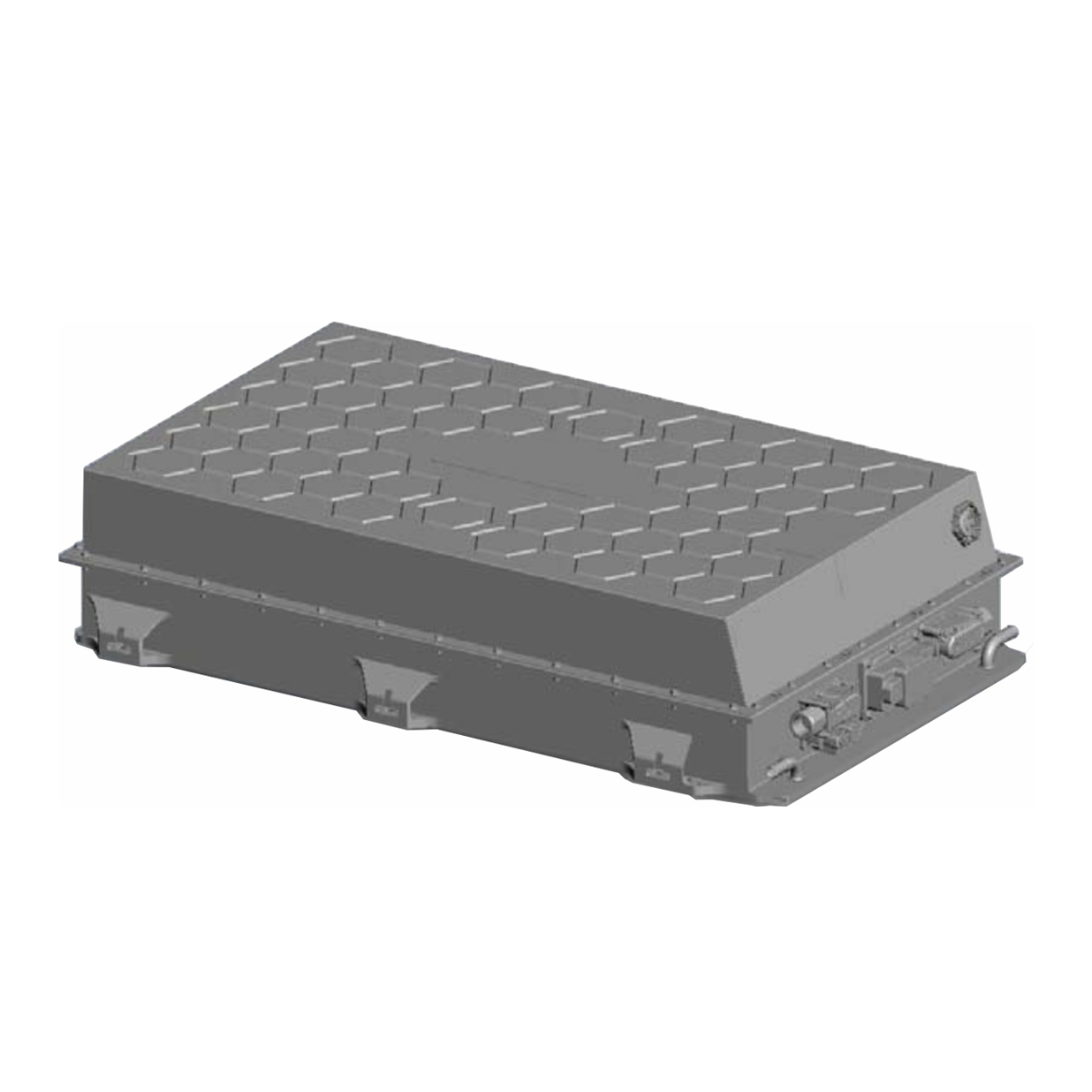
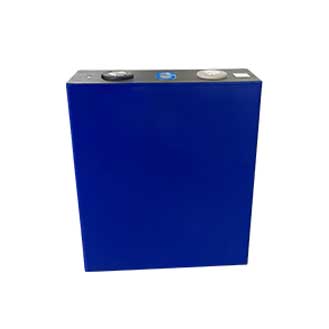
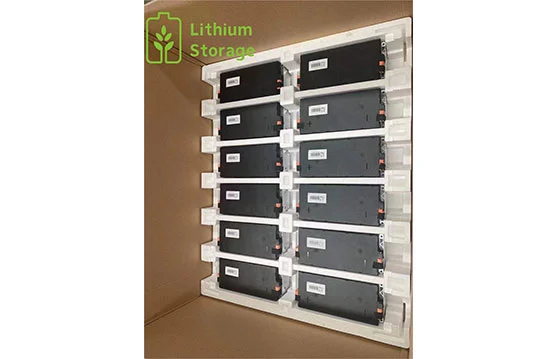
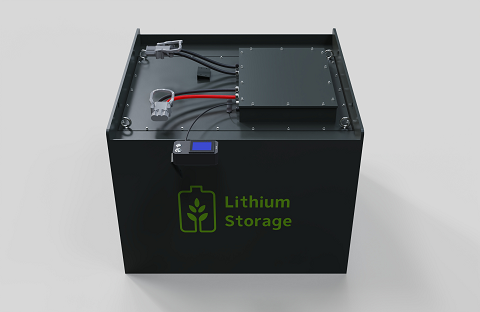
LITHIUM STORAGE develops battery solutions based on both LFP and NCM prismatic cells and provides energy storage products ranging from air- and liquid-cooled battery packs to commercial and industrial cabinets and containerized systems.
LFP vs NCM for Energy Storage at a Glance
The two chemistries solve different engineering priorities.
| Requirement | LFP | NCM |
|---|
| Energy density | Moderate | Higher |
| Cycle-life potential | Generally longer | Generally shorter |
| Thermal stability | Higher | More demanding |
| Material cost | Generally lower | Higher due partly to nickel and cobalt |
| System weight | Higher for same energy | Lower |
| Space efficiency | Moderate | Better |
| Frequent daily cycling | Strong fit | Application-dependent |
| Stationary C&I storage | Usually preferred | Useful where footprint matters |
| Thermal-management demand | Generally lower | Generally higher |
These are chemistry-level tendencies rather than guarantees for every battery. Cell design, depth of discharge, temperature, charging rate, BMS strategy, cooling, and system integration can substantially affect actual performance.
Why Is LFP Commonly Preferred for Industrial Energy Storage?
The requirements of a stationary battery differ significantly from those of an electric passenger vehicle.
For an industrial energy storage installation, the battery does not normally need to move thousands of kilograms over long distances. Instead, owners are more likely to prioritize:
Long operating life
High daily cycle capability
Thermal stability
Low lifecycle cost
Reliable operation
Reduced replacement frequency
Predictable degradation
Safety in large-scale installations
These requirements align particularly well with LFP chemistry.
LITHIUM STORAGE describes LFP as having strong safety and long-cycle characteristics and identifies energy storage as one of its primary applications. Its LFP portfolio ranges from 40Ah to 302Ah, while a dedicated deep-cycle 280Ah LFP cell is designed specifically for energy storage with a stated 6,000-cycle target under its specified test conditions.
That cycle-life advantage becomes particularly important when a commercial or industrial ESS is expected to charge and discharge every day.
Cycle Life Can Matter More Than Energy Density
Imagine an industrial site operating a battery for peak shaving every working day.
At one equivalent full cycle per day:
365 cycles/year × 10 years = 3,650 equivalent cycles
A system providing additional services may accumulate even greater energy throughput.
For this type of duty cycle, the question is not simply how much energy the battery can hold on day one. It is how much usable capacity remains after thousands of cycles.
Comparative research generally identifies long cycle life as one of LFP's main advantages over NCM, while NCM's principal strength is higher energy density. One recent comparative study reports LFP as particularly suitable where long lifetime and safety are priorities and NMC as attractive where high energy density is more important.
For industrial energy storage, this trade-off frequently favors LFP.
Where NCM Has the Advantage: Energy Density
NCM can store more energy in the same mass and usually within the same physical volume.
LITHIUM STORAGE's NCM102Ah and NCM177Ah cells, for example, are listed at approximately:
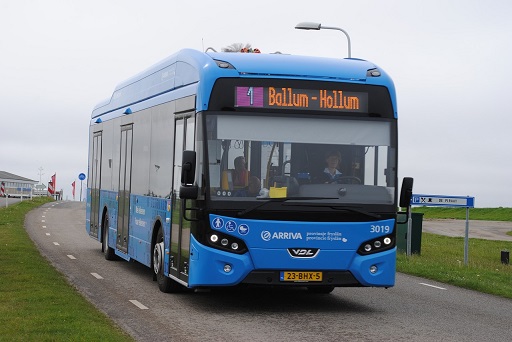
This is why NCM is widely associated with electric vehicles and other applications where battery size and weight directly influence vehicle range. LITHIUM STORAGE itself positions its NCM cells and VDA-format NCM modules primarily around passenger vehicles, buses, trucks, and other space-constrained electric-vehicle applications.
For a stationary industrial ESS, however, gaining additional Wh/kg is often less valuable because the battery does not have to propel its own weight.
That changes the economics considerably.
When Could NCM Still Make Sense for Industrial Storage?
NCM should not automatically be excluded from stationary storage.
It may be worth considering where:
Space is extremely limited.
Urban commercial installations, retrofit projects, telecom sites, or confined equipment rooms may have strict footprint restrictions.
Weight loading is limited.
Rooftop installations or buildings with structural load restrictions may benefit from a higher-energy-density chemistry.
The system is mobile or transportable.
Mobile energy storage, temporary power units, and certain specialized systems can benefit from lower battery mass.
Maximum capacity must fit within an existing enclosure.
A retrofit may not allow the cabinet or container dimensions to increase.
Under these conditions, NCM's higher energy density may justify its additional thermal-management and lifecycle considerations.
For most conventional ground-mounted commercial and industrial storage systems, though, volume and mass are less restrictive than they are in vehicle applications.
Thermal Stability Is Particularly Important in Large ESS Installations
An industrial battery storage system may contain hundreds or thousands of cells installed relatively close together.
This makes thermal behavior an important system-level consideration.
LFP's phosphate-based cathode structure is generally more thermally stable than the layered oxide structure used by NCM. Comparative studies consistently identify this higher thermal stability as one of the principal reasons LFP is attractive for stationary storage.
That does not mean an LFP energy storage system does not require thermal management or safety controls.
Every large lithium-ion ESS still needs appropriate:
Battery management
Temperature monitoring
Over-current protection
Over-voltage and under-voltage protection
Thermal management
Cell and module isolation
Electrical protection
Fire-risk mitigation
System-level safety engineering
Chemistry provides one layer of protection; it does not replace proper system design.
LFP Can Reduce the Penalty of Frequent Cycling
Commercial and industrial energy storage frequently earns value by cycling.
Applications can include:
Peak Shaving
The battery discharges when site demand is high and recharges when demand falls.
Time-of-Use Energy Management
Energy is stored during lower-cost electricity periods and discharged during more expensive periods.
Renewable Energy Integration
Solar or other renewable generation can be stored instead of curtailed or exported immediately.
Backup Power
Stored energy provides temporary support during grid interruption.
Load Shifting
Industrial loads can be partially shifted from one tariff period to another.
A system performing several of these functions can accumulate substantial lifetime energy throughput.
For this reason, buyers should evaluate cycle life at the expected depth of discharge, rather than choosing a battery based only on nominal kWh.
Energy Storage Cost Should Be Compared Over the Entire Lifetime
NCM's higher energy density can reduce the number of cells, pack volume, and structural materials required for a given footprint. However, LFP often benefits from lower-cost cathode chemistry and longer cycling potential.
A better industrial purchasing metric is therefore:
Lifetime cost per delivered kWh
rather than:
Initial battery price per kWh
A simple example illustrates the difference.
Suppose System A has a slightly lower initial purchase price but needs substantial capacity augmentation or earlier replacement. System B costs somewhat more initially but maintains usable capacity over more cycles.
The second system may ultimately deliver electricity at a lower lifecycle cost.
When evaluating an industrial BESS, procurement teams should therefore compare:
Initial system CAPEX
Expected equivalent full cycles
Capacity-retention assumptions
Operating SOC window
Round-trip efficiency
Cooling energy consumption
Maintenance requirements
Replacement or augmentation plan
Warranty conditions
Expected project life
The chemistry with the lowest cell price is not automatically the system with the lowest total cost.
Air Cooling or Liquid Cooling?
Chemistry selection is only one part of BESS design. The required thermal-management architecture also depends on system power, cell density, climate, and intended cycling profile.
LITHIUM STORAGE's Battery Energy Storage System portfolio includes three main system levels:
Energy Storage Blocks
Air-cooling battery packs
Liquid-cooling battery pack Gen 1
Liquid-cooling battery pack Gen 2
Energy Supply Cabinets
Container Energy Storage Systems
This structure allows the thermal approach and system scale to be considered according to the actual project instead of treating every ESS as the same product.
Air cooling may be suitable for some lower-density or less demanding systems, while liquid cooling becomes attractive where tighter cell-temperature uniformity or greater thermal capacity is required.
Why Temperature Uniformity Matters to Battery Life
Even if all cells leave the factory with similar characteristics, they may age differently if some modules consistently operate hotter than others.
Temperature variation can contribute to differences in:
Internal resistance
Capacity degradation
State-of-charge behavior
Cell balancing
Available power
Over many years, these differences can increase pack imbalance and reduce usable system capacity.
For high-utilization industrial storage, thermal-management design should therefore focus not only on preventing overheating but also on maintaining temperature consistency across cells and modules.
This is one reason large energy storage projects increasingly evaluate cooling architecture alongside chemistry, rather than treating cooling as a secondary accessory.
Do Not Choose Chemistry Only by Safety or Density
A common oversimplification is:
“LFP is safe, NCM has high energy density.”
Both statements point toward genuine chemistry differences, but they are not enough to specify an industrial ESS.
A project should evaluate at least:
| Design Question | Why It Matters |
|---|
| Required usable kWh | Determines system size |
| Continuous kW | Determines discharge capability |
| Expected cycles/year | Strongly affects lifecycle requirements |
| Depth of discharge | Influences battery aging |
| Installation space | Determines importance of Wh/L |
| Structural weight limit | Determines importance of Wh/kg |
| Ambient temperature | Influences cooling/heating design |
| Installation environment | Affects enclosure and safety requirements |
| Grid/application duty | Determines charge-discharge profile |
| Expected project life | Determines lifecycle economics |
If a project will cycle daily for 10–15 years and has sufficient installation space, LFP will often be difficult for NCM to outperform economically.
If space is severely constrained, the conclusion may change.
What About Cell and Manufacturing Consistency?
Large industrial storage systems magnify cell-to-cell differences.
A small inconsistency that seems insignificant in one cell can become more important when thousands are connected into modules, racks, cabinets, and containerized systems.
Battery-cell manufacturing quality therefore influences:
LITHIUM STORAGE produces both LFP and NCM prismatic lithium-ion cells and states that its manufacturing platform uses MES and ERP systems for production traceability, along with quality-management frameworks including ISO 9001 and IATF 16949. Its cell-production information also lists MSDS, UN38.3, UL, IEC62619, JET, BIS, and other certifications depending on specific models.
For an industrial BESS project, certification should always be verified at the exact cell, module, pack, and system level required by the target market.
What Information Should You Provide a Battery Energy Storage System Manufacturer?
Before requesting a quotation, define the application as clearly as possible.
Useful information includes:
Required usable energy in kWh or MWh
Required charge/discharge power in kW or MW
Grid voltage
Expected cycles per day or year
Desired project lifetime
Maximum depth of discharge
Installation location
Indoor or outdoor installation
Ambient temperature range
Available installation footprint
Required cooling technology
Backup duration
Renewable-energy source, if applicable
Required communication protocol
Local certification requirements
Whether PCS, EMS, transformer, or DC-side supply is required
An experienced Battery Energy Storage System Manufacturer should use these parameters to configure the battery architecture rather than recommending chemistry only from the requested capacity.
LFP or NCM for C&I Energy Storage?
For most conventional commercial and industrial stationary energy storage, LFP is generally the stronger starting point because the application values:
NCM becomes more compelling when:
Installation space is highly restricted
Weight limits are strict
The storage unit must be mobile
Maximum energy must fit into an existing compact enclosure
In other words, the biggest advantage of NCM—energy density—is extremely valuable in vehicles but often less important in a stationary cabinet or container. Meanwhile, the strengths of LFP—cycle life, safety margin, and cost structure—align closely with the requirements of industrial energy storage.
LITHIUM STORAGE combines LFP and NCM cell manufacturing with battery modules and complete storage solutions, including air-cooled and liquid-cooled battery packs, commercial and industrial ESS cabinets, and containerized battery systems.
When working with a Battery Energy Storage System Manufacturer, the best choice should therefore be based not on chemistry alone but on lifetime cycles, usable energy, power demand, footprint, thermal conditions, cooling design, safety requirements, and total project cost.
For most high-cycle stationary industrial applications, those factors continue to make LFP the preferred chemistry, while NCM remains a valuable alternative where compactness and energy density outweigh the benefits of longer cycling life.
 EN
EN
 fr
fr  de
de  it
it  ru
ru  es
es  pt
pt  tr
tr  jp
jp  ar
ar  th
th 


 No.9 East Mozhou Road, Jiangning District, 211111, Nanjing City, China