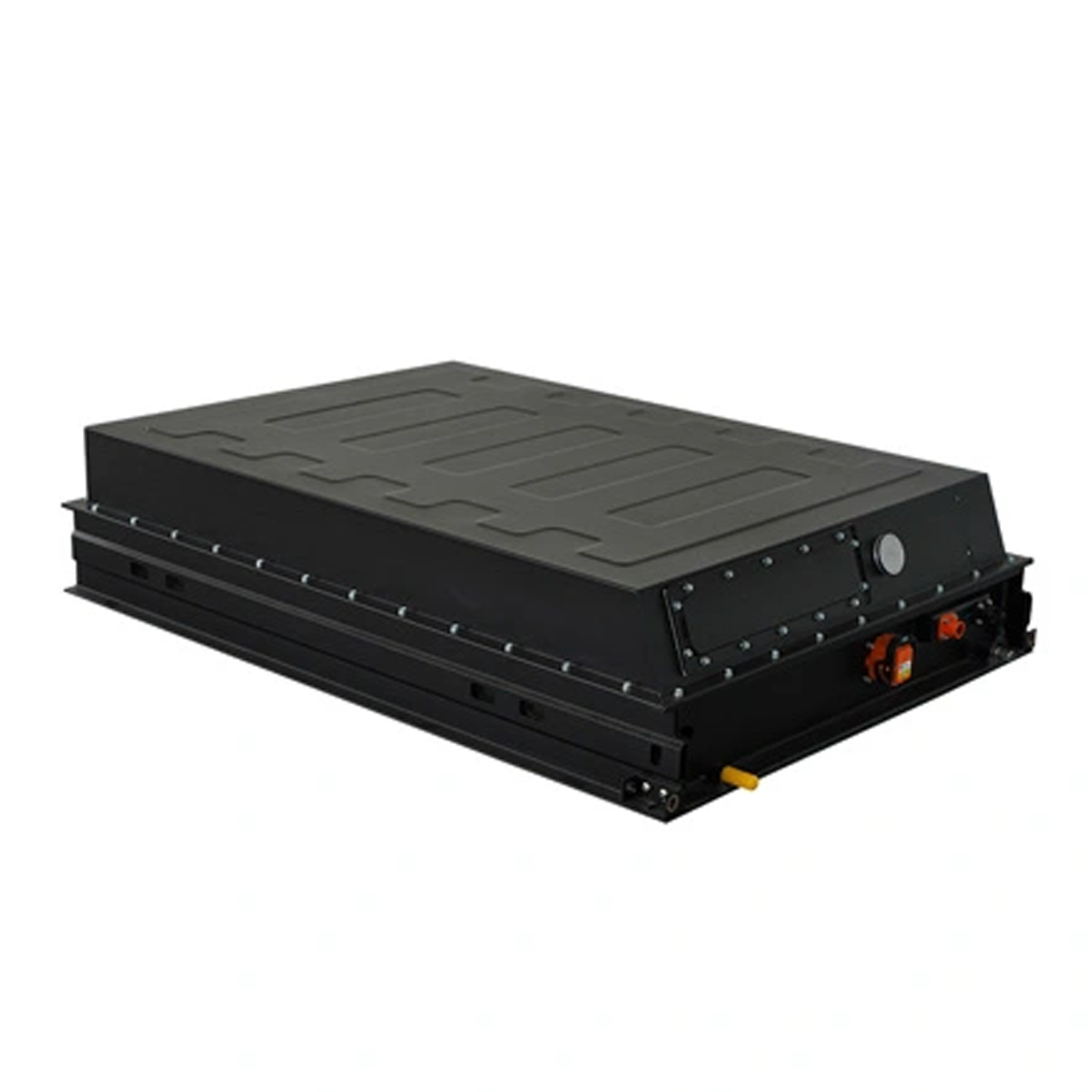
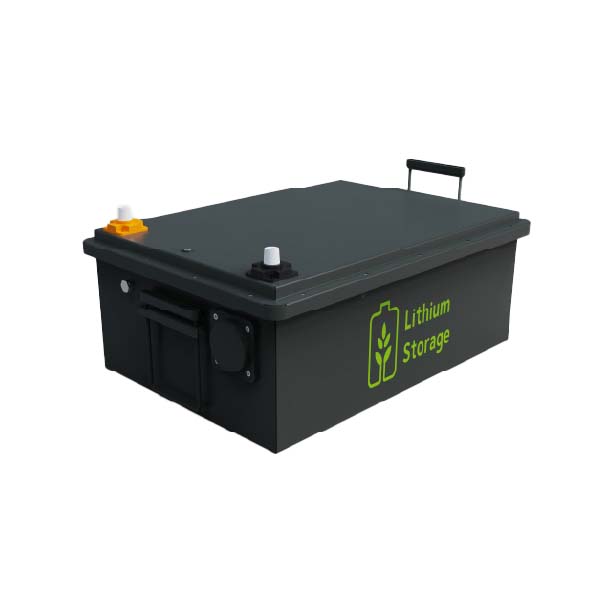
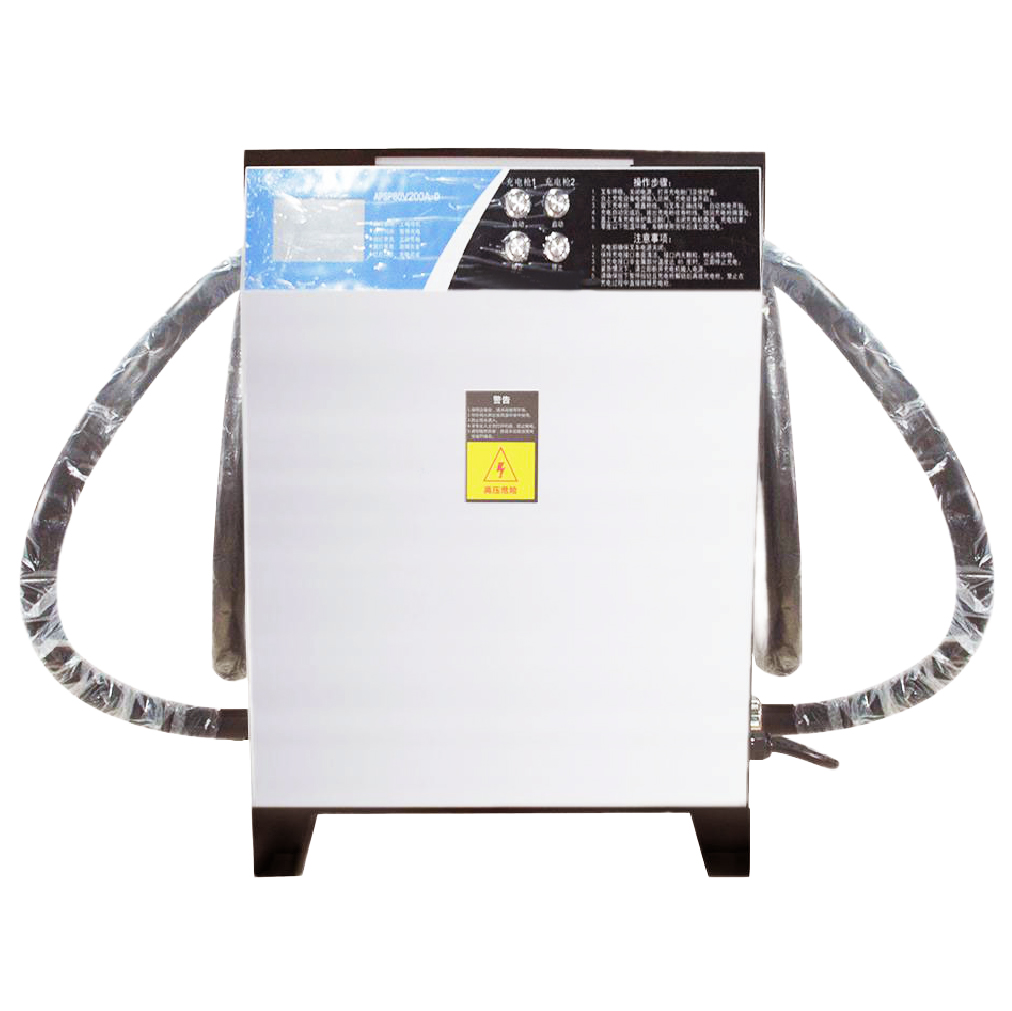
For electric forklifts and other material-handling equipment, battery energy density affects more than runtime. It can influence battery-box size, vehicle weight, available ballast, charging strategy and how much usable energy can be installed within an existing compartment.
Two lithium-ion chemistries commonly considered for industrial vehicle systems are NCM (nickel cobalt manganese) and LFP (lithium iron phosphate). LFP is widely used in forklifts because of its long cycle life and thermal stability, while NCM offers a clear advantage where higher energy density and compact packaging are important.
For buyers working with an NCM Module Manufacturer, the key is to compare module-level energy, not only cell chemistry.
Why Module-Level Energy Density Matters for Forklifts
Cell datasheets often highlight Wh/kg or Wh/L, but a forklift battery is built from modules, busbars, wiring, BMS components, thermal-management hardware and an enclosure.
Therefore, engineers should compare:
Gravimetric energy density = module energy ÷ module weight
and
Volumetric energy density = module energy ÷ module volume.
These values indicate how much energy can be installed within a given mass or physical space.
Lithium Storage manufactures both NCM and LFP modules, including VDA-format products that allow a relatively direct comparison because several modules have very similar external dimensions.
NCM vs LFP VDA Modules: A Practical Comparison
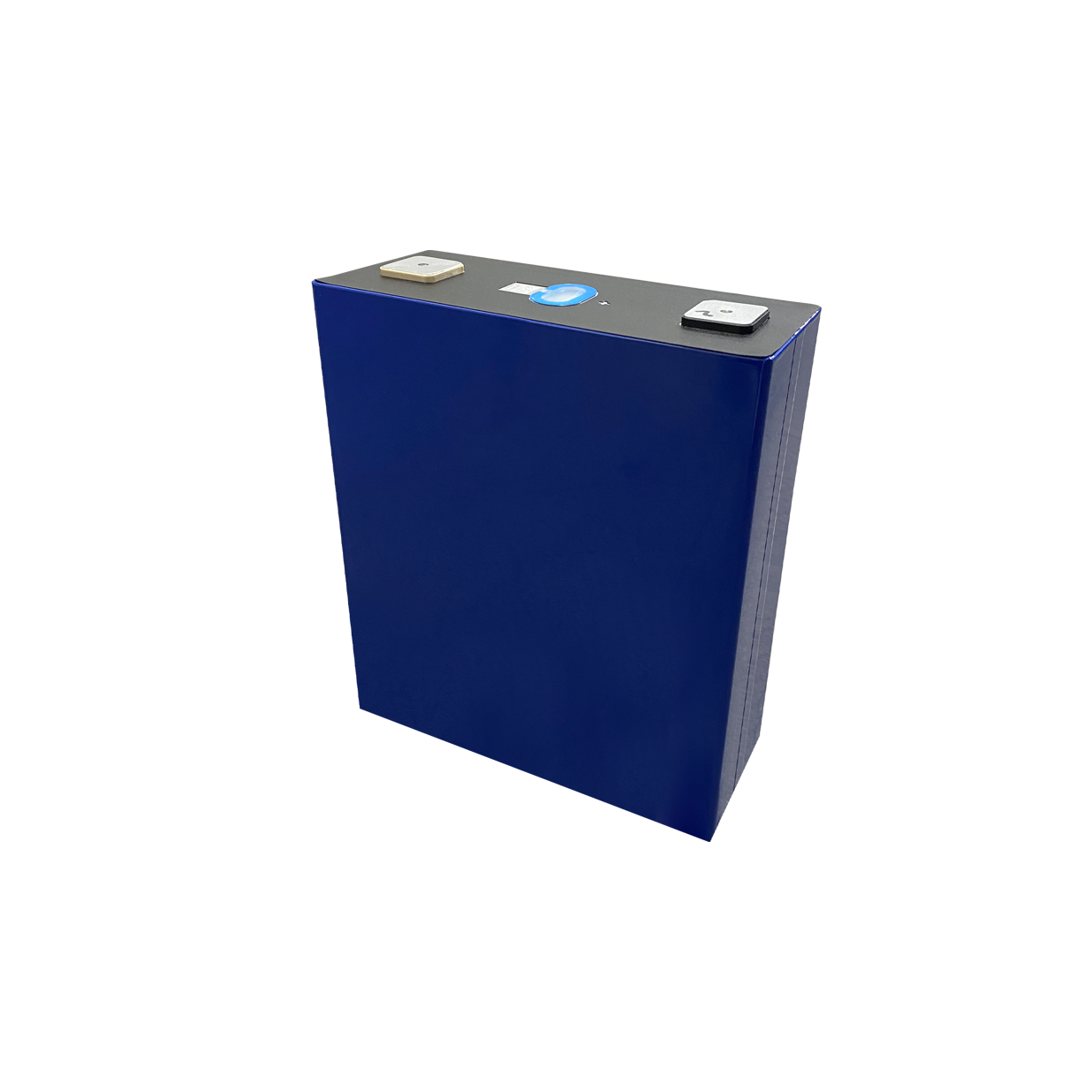
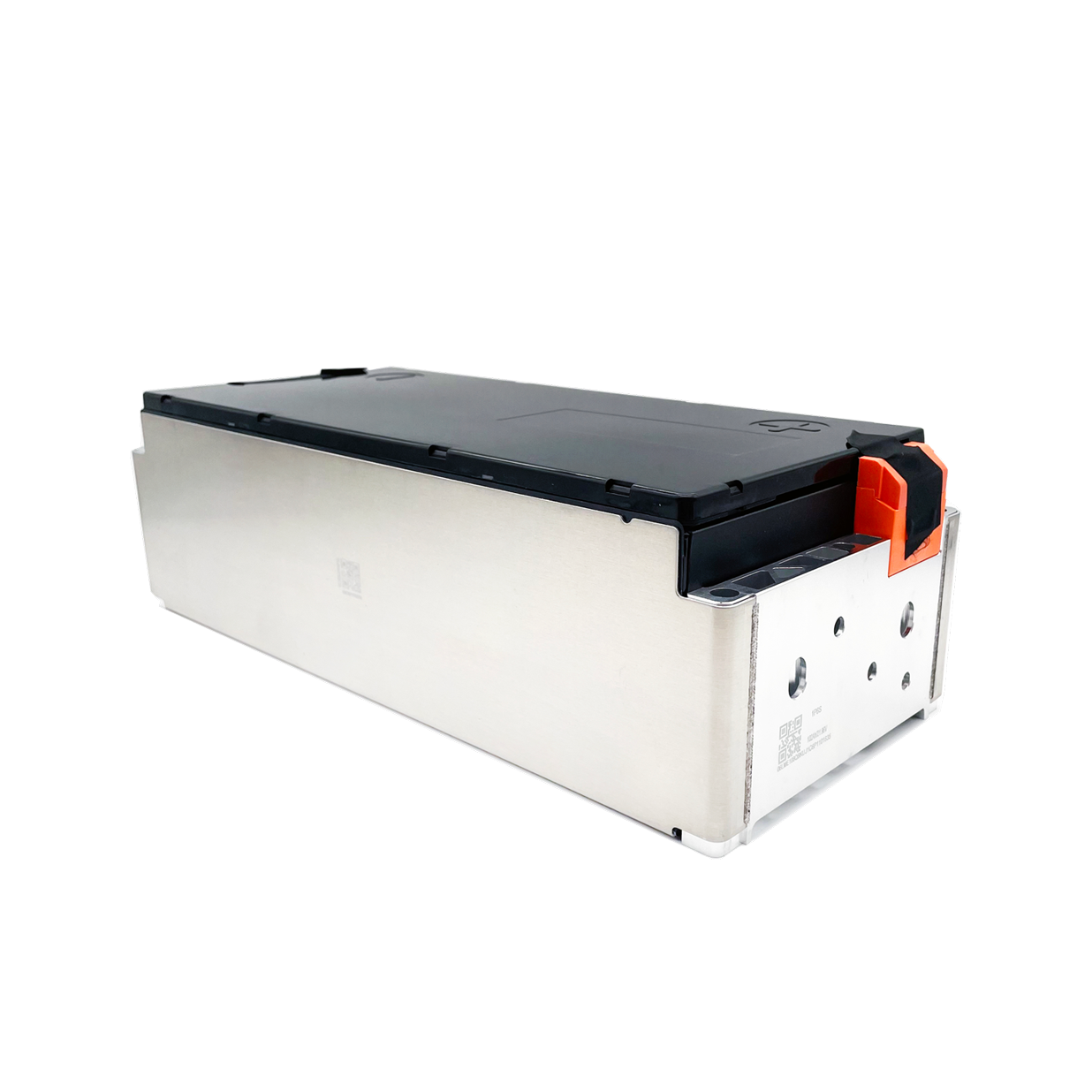
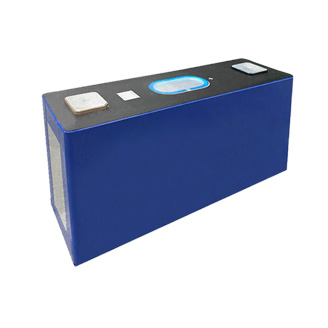
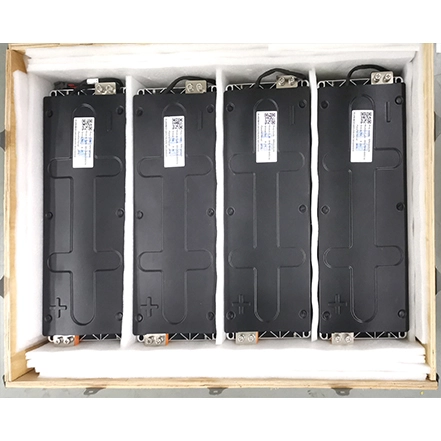
Lithium Storage lists an NCM102Ah 1P6S module, an NCM177Ah 1P4S module and an LFP135Ah 1P4S module with dimensions around the 355 mm VDA format.
Using the manufacturer's published nominal energy, module weight and dimensions, the approximate module-level comparison is:
| Module | Nominal Energy | Weight | Approx. Gravimetric Energy Density | Approx. Volumetric Energy Density |
|---|
| NCM102Ah 1P6S | 2.264 kWh | 11.2 kg | ~202 Wh/kg | ~388 Wh/L |
| NCM177Ah 1P4S | 2.591 kWh | 11.9 kg | ~218 Wh/kg | ~443 Wh/L |
| LFP135Ah 1P4S | 1.739 kWh | 11.6 kg | ~150 Wh/kg | ~297 Wh/L |
These figures are calculated from Lithium Storage's published module specifications rather than quoted as separate manufacturer ratings. The NCM102Ah module measures 355 × 151.5 × 108.5 mm, while the NCM177Ah module is 355 × 152 × 108.5 mm. The LFP135Ah VDA module has almost the same package dimensions.
The comparison shows the main advantage of NCM: substantially more energy can be stored in approximately the same module envelope.
What Does Higher NCM Energy Density Mean in a Forklift?
If a forklift has a fixed battery compartment, higher volumetric energy density can allow more kWh to be installed without enlarging the battery enclosure.
This can be useful when:
The original battery compartment has limited space
Longer operating time is required between charges
The equipment cannot accommodate a larger enclosure
Battery mass needs to be controlled
A compact industrial vehicle needs additional usable energy
For example, the NCM177Ah and LFP135Ah modules have almost identical external dimensions and similar weights, yet the published nominal energies are approximately 2.591 kWh and 1.739 kWh respectively.
That represents roughly 49% more nominal energy in a very similar module volume.
For a vehicle designer, this difference can translate into longer theoretical runtime or fewer modules for the same energy target.
But Forklifts Do Not Always Need the Highest Energy Density
Forklifts differ from passenger cars in one important respect: battery weight is not always undesirable.
Many counterbalance forklifts rely on battery mass as part of the vehicle's overall counterweight strategy. Replacing a heavy battery with a much lighter battery can therefore require ballast or enclosure redesign to maintain the specified truck weight and stability.
This means a lighter NCM system does not automatically create the same system-level advantage that it would in a passenger EV.
Forklift battery selection should consider:
Minimum required battery weight
Battery compartment dimensions
Truck counterweight requirements
Daily operating hours
Opportunity-charging availability
Maximum discharge current
Expected cycle frequency
If the truck already has enough space and requires significant battery mass, LFP's lower energy density may not be a disadvantage.
Why LFP Remains Common in Forklift Batteries
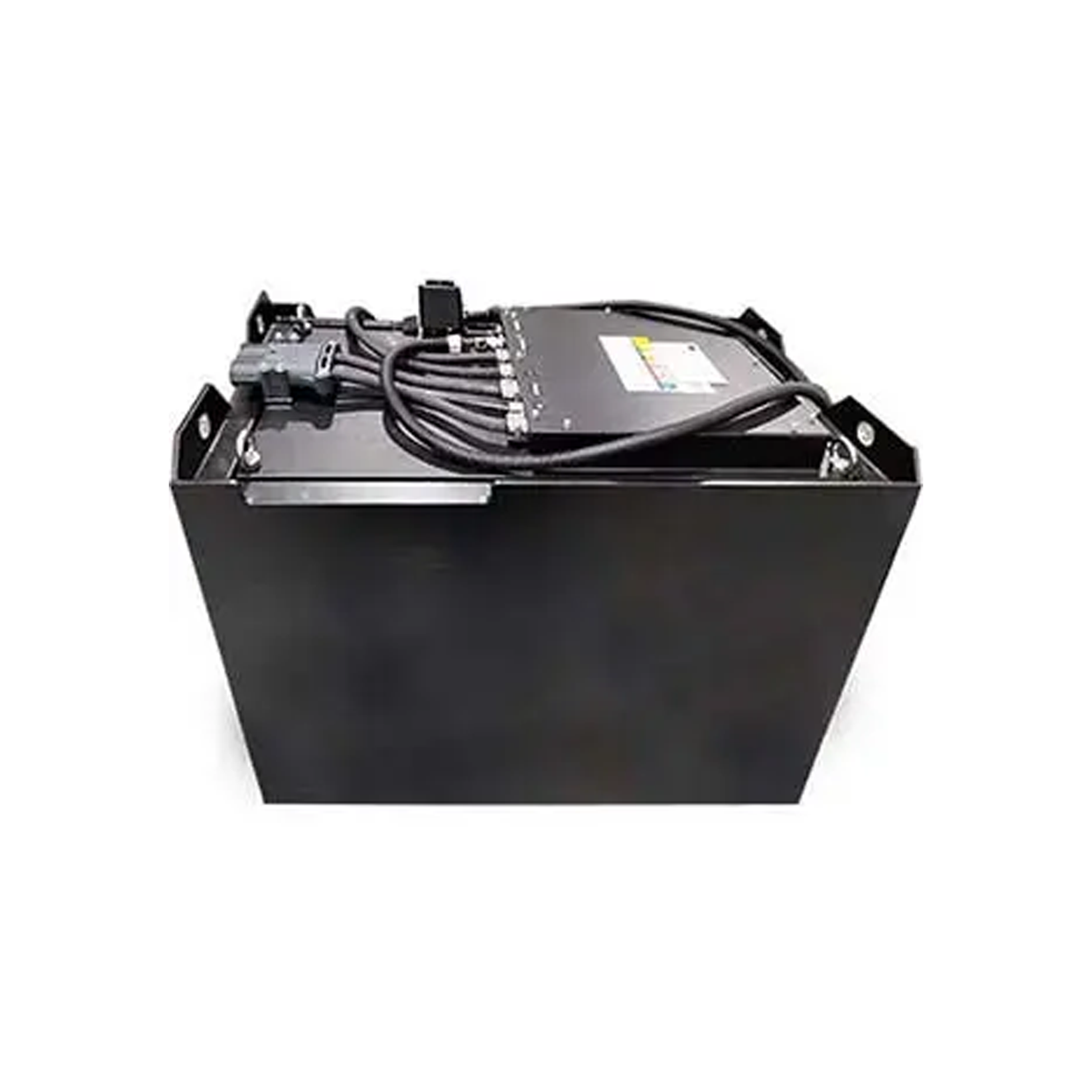
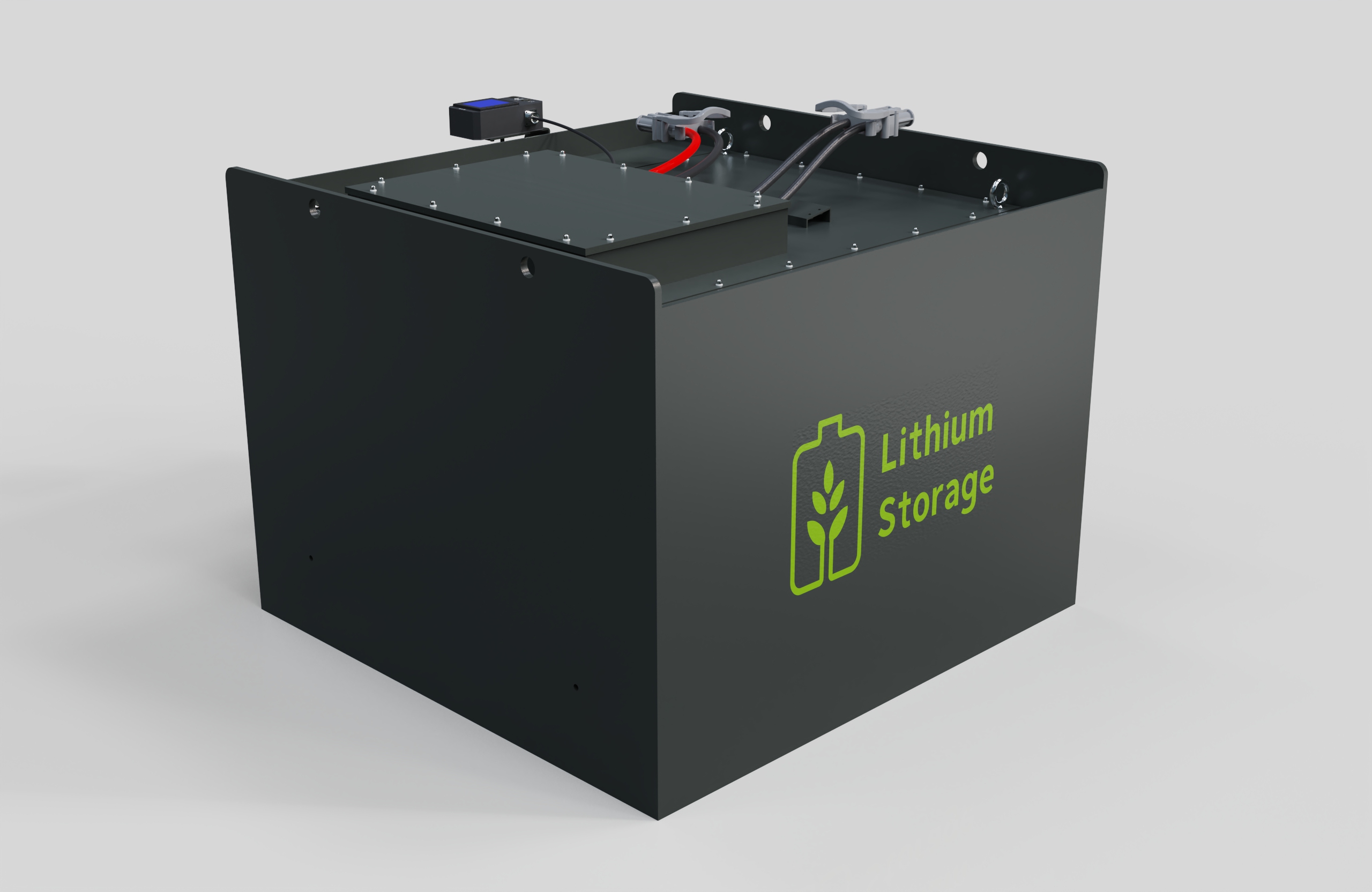
Lithium Storage's dedicated forklift battery lines are built around LFP chemistry, with 24V, 36V, 48V and 80V systems available for different electric pallet trucks and counterbalance forklifts. Its 48V and 80V forklift ranges include LFP cells such as 205Ah, 280Ah and 302Ah configurations.
There are several reasons LFP fits typical forklift duty cycles well.
Frequent Daily Cycling
Warehouses may operate forklifts for one, two or even three shifts per day. This places considerable emphasis on cycle life and repeated charge/discharge performance.
Opportunity Charging
Lithium forklift batteries can be charged during breaks rather than requiring the same battery-changing routines associated with traditional lead-acid systems. For fleets that rely heavily on opportunity charging, cycle durability becomes important.
Thermal Stability
LFP chemistry generally offers higher inherent thermal stability than NCM. This is particularly attractive in warehouses and industrial sites where batteries may operate close to personnel, racking and valuable goods.
For these reasons, high energy density is only one criterion in a forklift battery project.
Where NCM Modules Can Make More Sense
Although LFP is often the default choice for conventional forklifts, NCM can still be attractive in certain industrial vehicle architectures.
An NCM Module Manufacturer may be a better fit when the application involves:
Compact battery compartments.
If installation volume is the main constraint, NCM's higher Wh/L can provide a major advantage.
Weight-sensitive industrial vehicles.
Some AGVs, autonomous equipment, airport vehicles and specialty mobile machinery benefit from reducing battery mass.
High energy requirements within fixed dimensions.
Retrofitting a vehicle without changing the original battery bay may make energy density particularly important.
Commercial vehicle platforms shared with industrial equipment.
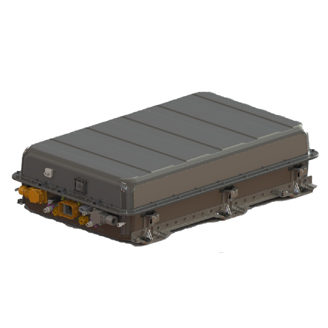
Lithium Storage's NCM VDA modules are designed around standardized automotive module formats and are positioned for passenger and commercial vehicle applications. The company currently lists NCM102Ah 1P6S and NCM177Ah 1P4S VDA modules together with several other NCM module configurations.
Compare Power Capability as Well as Energy Density
Forklifts frequently require short periods of relatively high power during acceleration and lifting.
Therefore, buyers should not evaluate modules only by kWh.
The NCM177Ah module, for example, is listed with a maximum continuous discharge current of 348 A and a maximum 10-second pulse discharge current of 465 A. The NCM102Ah module lists a maximum continuous discharge current of 150 A and a 10-second pulse discharge current of 306 A.
The LFP135Ah VDA module, by comparison, lists 135 A continuous discharge and 270 A pulse discharge for up to 10 seconds.
These specifications cannot be compared without considering pack voltage, thermal limits and the complete vehicle power demand, but they illustrate why module selection must include current capability as well as energy density.
Energy Density vs Cycle Life and Safety
The basic trade-off can be summarized this way:
| Priority | NCM | LFP |
|---|
| Maximum energy in limited volume | Strong advantage | Lower |
| Lower mass for same kWh | Strong advantage | Lower |
| Long repetitive cycling | Good, application-dependent | Often preferred |
| Thermal stability | Requires more control | Generally stronger |
| Compact mobile equipment | Strong fit | Possible if space allows |
| Conventional forklift fleet | Possible | Common choice |
NCM should not be described as unsafe, nor should LFP be considered automatically superior. The correct chemistry depends on the battery-system design.
NCM systems require appropriate BMS protection, temperature monitoring, enclosure engineering and thermal-management strategy. LFP packs require these controls as well, even though the chemistry offers a larger inherent thermal-stability margin.
How to Choose for a Forklift Project
Before contacting an NCM Module Manufacturer, prepare the actual vehicle and operating requirements.
Useful information includes:
Forklift voltage
Required usable kWh
Battery compartment L × W × H
Required battery weight or ballast range
Continuous and peak current
Average operating hours per shift
Number of shifts per day
Charging windows
Charger power
Ambient temperature
Required cycle life
Vehicle communication protocol
Certification requirements
These parameters allow the supplier to determine whether the priority should be maximum module energy density or long-cycle LFP performance.
NCM or LFP: Which Has the Better Energy Density for Forklifts?
If the comparison is strictly about energy density, NCM has the clear advantage.
Using Lithium Storage's published VDA module data, its NCM102Ah and NCM177Ah modules provide approximately 202–218 Wh/kg at module level, compared with roughly 150 Wh/kg for the LFP135Ah VDA module. The volumetric difference is also significant because all three occupy a similar 355 mm module envelope.
However, forklift engineering is not simply a competition for maximum Wh/kg. LFP often remains the practical choice where cycle life, thermal stability, frequent charging and counterweight requirements dominate.
NCM becomes particularly valuable when battery space or weight is the limiting factor.
Lithium Storage manufactures both NCM and LFP cells, modules and complete industrial battery systems. For projects requiring compact, high-energy battery architecture, working with an experienced NCM Module Manufacturer allows engineers to evaluate energy density together with voltage, current capability, thermal management, packaging and vehicle integration rather than choosing chemistry on a single specification.