For forklifts operating one, two, or even three shifts per day, battery cycle life can have a greater impact on operating cost than maximum energy density. Frequent charging, partial charging during breaks, high discharge currents during lifting, and repeated daily operation place substantial stress on the battery system.
Both LFP (lithium iron phosphate) and NCM (nickel cobalt manganese) lithium-ion batteries can power industrial vehicles, but their aging characteristics are different. NCM offers higher energy density, while LFP is generally favored when long cycle life, thermal stability, and frequent charge-discharge operation are the main priorities. Reviews of lithium-ion cathode technologies commonly report longer cycling capability for LFP than NCM under comparable conventional operating conditions, although actual life depends strongly on temperature, depth of discharge, charge rate, and cell design.
For high-utilization material handling fleets, this difference can directly affect battery replacement intervals and total cost of ownership.
Why Forklift Duty Cycles Are Especially Demanding
A passenger vehicle may complete only a fraction of one full battery cycle on a typical day. A busy warehouse forklift can behave very differently.
Depending on shift structure, a forklift may:
Operate for many hours each day
Charge during lunch or operator breaks
Experience repeated partial charge-discharge cycles
Deliver high current during lifting and acceleration
Operate continuously across multiple shifts
Spend limited time in a fully rested state
This makes forklift batteries a high-frequency cycling application.
A battery that performs well in terms of energy density but experiences relatively rapid capacity loss may require replacement earlier in this environment. Consequently, fleet operators should evaluate not only initial battery capacity but also how much usable capacity is likely to remain after years of intensive cycling.
LFP vs NCM Cycle Life: What Is the Fundamental Difference?
LFP uses a lithium iron phosphate cathode with an olivine crystal structure. NCM uses a layered oxide containing nickel, cobalt, and manganese.
The stable phosphate structure is one reason LFP generally provides strong resistance to structural degradation during repeated lithium insertion and extraction. NCM delivers higher energy density, but its layered cathode can be more sensitive to factors such as high state of charge, elevated temperature, and aggressive cycling.
A review published in Battery Energy lists approximate full charge-discharge lifespans around 5,000 cycles for LFP and around 2,000 cycles for NMC, while broader literature shows considerable variation according to the specific cell and operating conditions.
This should not be interpreted as a guaranteed cycle-life number for every battery. A poorly managed LFP pack can age quickly, while a carefully engineered NCM system can deliver long service life.
For forklift selection, the more useful conclusion is:
LFP generally provides a stronger cycle-life advantage when the battery will experience frequent and deep cycling over many years.
Why LFP Fits Multi-Shift Forklift Operation
Consider a warehouse running two shifts per day.
If the equivalent battery usage reaches approximately one full cycle each day over 300 operating days per year, the battery may accumulate around 1,500 equivalent cycles in five years. More demanding fleets can accumulate substantially more.
Under this operating profile, cycle-life differences become economically significant.
An LFP module that retains useful capacity over a larger number of cycles can potentially provide:
Longer replacement intervals
More predictable fleet availability
Lower battery replacement expenditure
Reduced maintenance planning
Better suitability for long-term industrial ownership
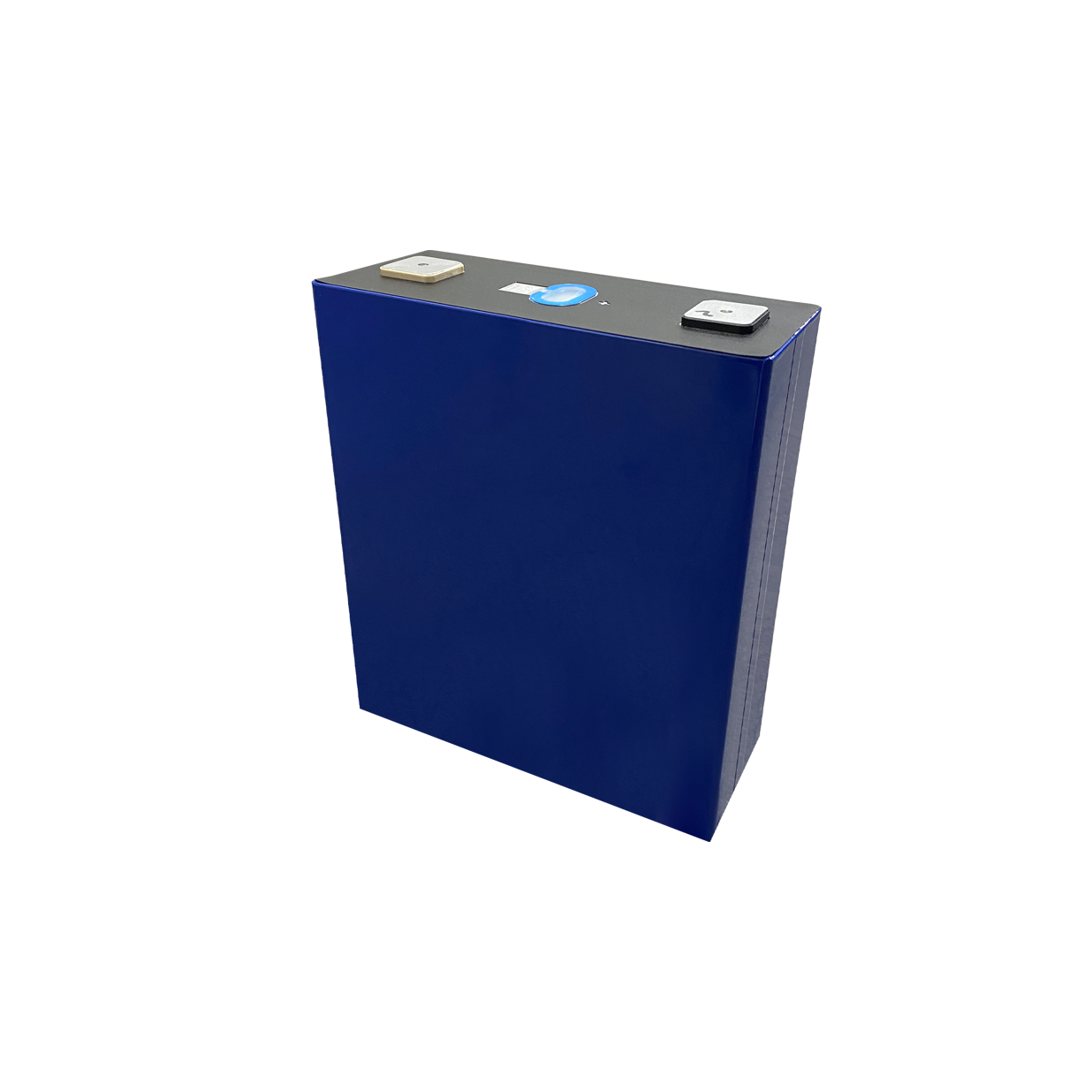
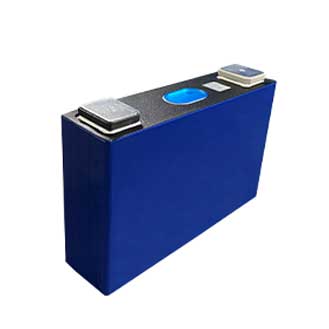
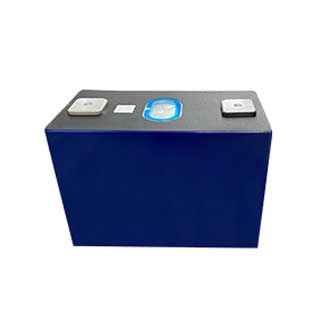
Lithium Storage's LFP portfolio includes cells from 40Ah to 302Ah. Its 205Ah, 230Ah, 280Ah, and 302Ah cell formats are identified for applications including forklifts, electric buses, and trucks. The company also offers a deep-cycle 280Ah LFP cell designed around a 6,000-cycle target for energy-storage use.
The 6,000-cycle specification applies to that specific deep-cycle cell and should not be assumed for every LFP module or forklift operating condition.
Does Opportunity Charging Reduce Battery Life?
Opportunity charging means connecting a forklift to a charger during natural pauses such as lunch breaks, shift changes, or operator downtime rather than waiting for the battery to become deeply discharged.
This operating model is one of the reasons lithium-ion batteries have become attractive for material handling fleets.
However, battery life depends on how opportunity charging is managed.
Repeated partial charging is not inherently equivalent to repeatedly performing full 0–100% cycles. Battery aging depends on cumulative energy throughput as well as:
State-of-charge window
Charging current
Cell temperature
Depth of discharge
Time spent at high SOC
Cell balancing
Battery chemistry
For a high-frequency forklift fleet, allowing the battery to operate within a controlled SOC window can be preferable to repeatedly running the pack close to empty before performing a full recharge.
A correctly configured BMS and charger therefore play an important role in preserving LFP module life.
Depth of Discharge Can Be as Important as Chemistry
Cycle-life comparisons are meaningful only when the test conditions are understood.
A battery repeatedly cycled through 100% of its available capacity will generally age differently from one operating within a narrower SOC range.
For example, a forklift fleet may not need to discharge the battery from 100% to nearly 0% during every shift. If opportunity charging keeps the battery inside a moderate operating range, each individual cycle can impose less stress.
This means procurement teams should avoid comparing supplier claims such as:
“3,000 cycles” vs “5,000 cycles”
without asking:
At what depth of discharge?
At what temperature?
At what charge/discharge rate?
What end-of-life capacity was used?
Was the test performed at cell, module, or pack level?
Most cycle-life specifications define end of life at a certain remaining capacity, commonly around 70–80%, but the exact criterion should be confirmed from the cell datasheet.
Temperature Has a Major Effect on Both LFP and NCM
Battery chemistry alone does not determine lifespan.
Elevated temperature accelerates many lithium-ion degradation mechanisms. Very low temperatures can also create charging limitations and, under inappropriate charging conditions, increase the risk of lithium plating.
Recent battery degradation research confirms that chemistry, temperature, voltage limits, and cell construction all interact, and that LFP should not be treated as immune to accelerated degradation under extreme conditions.
For forklift applications, temperature deserves particular attention in:
Lithium Storage's LFP module platform can be supplied with an optional heating pad, which can be relevant where low-temperature operation is part of the application requirement.
Cold-climate projects should still be engineered around the specified cell charging-temperature limits rather than relying on heating hardware alone.
Where NCM Still Has an Advantage
Long cycle life does not mean LFP is automatically the best chemistry for every industrial vehicle.
NCM's principal advantage remains higher energy density.
This matters when equipment has:
Very limited battery compartment space
Strict weight limits
High energy requirements
Long operating range without charging opportunities
A mobile architecture where reducing battery mass improves efficiency
For a conventional counterbalance forklift, however, battery weight can sometimes contribute to the required vehicle counterbalance. In such cases, minimizing battery mass may not provide the same advantage it offers in passenger EVs.
This changes the trade-off significantly.
If a forklift can accommodate the physical volume of an LFP battery and operates many hours per day, the cycle-life advantage may be more valuable than NCM's higher Wh/kg.
LFP vs NCM for High-Frequency Forklifts
| Requirement | LFP | NCM |
|---|
| Long cycle-life priority | Strong advantage | Moderate |
| Frequent daily cycling | Well suited | Possible with careful management |
| Opportunity charging | Well suited with proper controls | Possible, but thermal/SOC control is important |
| Thermal stability | Generally higher | Lower than LFP |
| Energy density | Lower | Higher |
| Compact battery space | Less advantageous | Strong advantage |
| Multi-shift warehouse operation | Often preferred | Application-dependent |
| Weight-sensitive mobile equipment | Acceptable | Often advantageous |
The actual result will always depend on the specific cell and pack design rather than chemistry alone.
Module Construction Also Influences Reliability
Cycle life at cell level does not automatically translate into identical service life at module level.
Electrical connections, cell compression, vibration resistance, temperature uniformity, and current distribution all affect how reliably a module performs in an industrial vehicle.
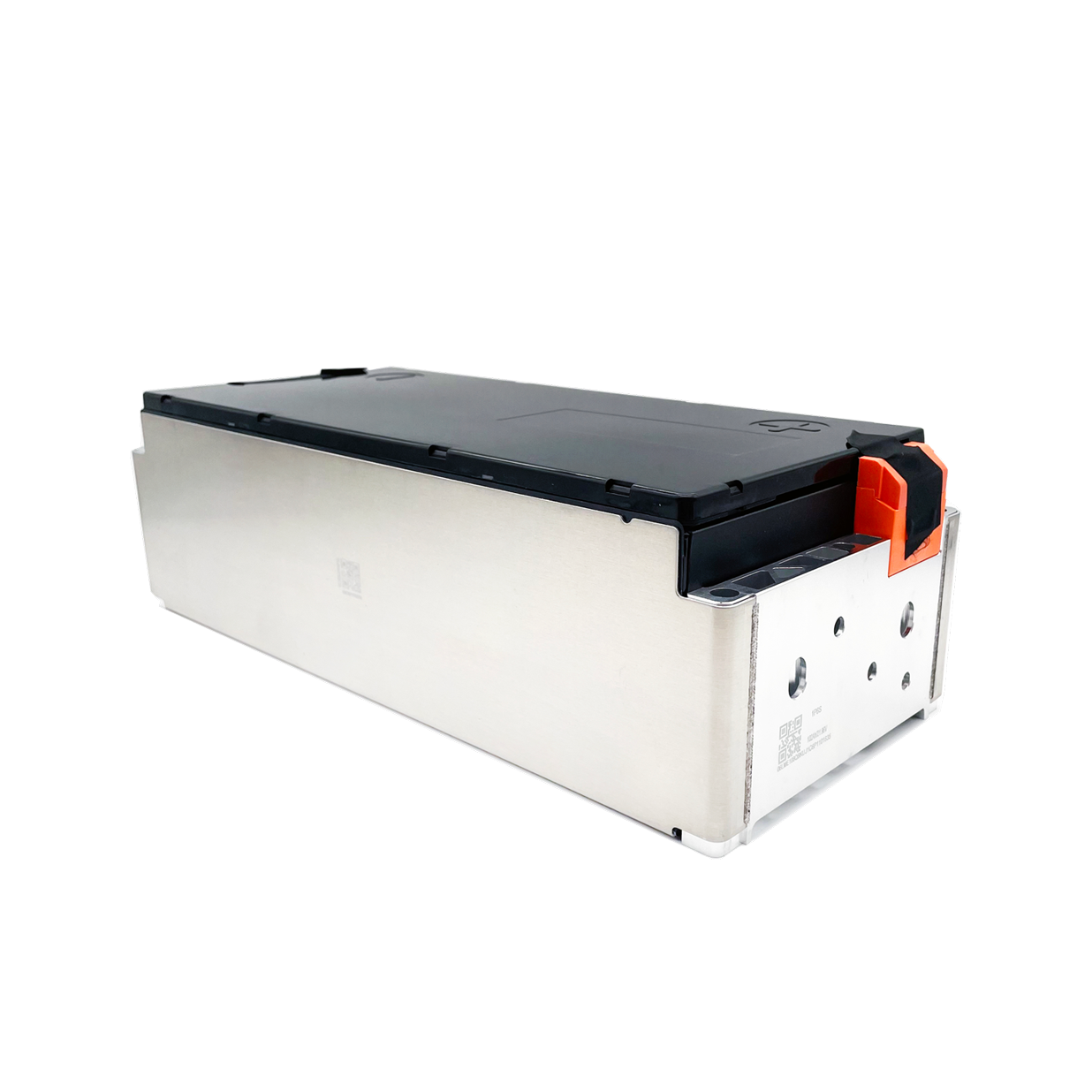
Lithium Storage's LFP banding modules use laser-welded aluminum busbars, steel and plastic banding structures, standardized molded end plates, sampling-wire fixing points, and bolted positive and negative module outputs. The platform supports flexible series and parallel configurations, with 1P8S and 1P4S among the common arrangements.
Its broader LFP module range covers 50Ah, 100Ah, 135Ah, 230Ah, 280Ah, and 302Ah configurations, including modules intended for industrial vehicles, commercial vehicles, and energy-storage applications.
For an LFP Module Manufacturer, providing several capacities and module structures is important because forklift battery compartments, system voltages, and required kWh vary considerably between vehicle classes.
How to Estimate Cycle Requirements Before Selecting a Module
Instead of asking only, “How many cycles does this battery have?”, start with the forklift's actual operating profile.
A simple annual estimate can be made from:
Operating days per year × equivalent full cycles per day = annual equivalent cycles
For example:
300 operating days × 1.5 equivalent cycles/day = 450 cycles/year
Over eight years:
450 × 8 = 3,600 equivalent cycles
This does not predict exact battery life, but it provides a useful procurement target.
If your fleet is expected to accumulate several thousand equivalent cycles, cycle durability should receive much greater weighting than it would for an application that completes only a few hundred cycles over its service life.
What Should You Provide to an LFP Module Manufacturer?
For an accurate recommendation, forklift OEMs and battery integrators should provide:
Required pack voltage
Required usable energy in kWh
Battery compartment dimensions
Continuous discharge current
Peak lifting current
Maximum charging current
Operating hours per shift
Number of shifts per day
Expected charging windows
Target service life
Ambient temperature range
Required battery weight
Communication requirements
Certification requirements
These parameters allow the module configuration to be selected around actual lifetime energy throughput rather than nominal Ah alone.
Lithium Storage's LFP module platform also supports customized connector definitions and flexible cell series/parallel arrangements, allowing module architecture to be adapted to different battery-system requirements.
Which Chemistry Is Better for High-Frequency Forklift Use?
For forklifts that operate frequently and accumulate large numbers of cycles, LFP generally has the stronger advantage.
NCM may provide higher energy density, but that benefit is most valuable where battery volume and weight are major constraints. In a warehouse forklift that can accommodate a larger battery and may complete thousands of cycles over its working life, longer cycle capability, thermal stability, and repeated-charge durability often carry greater economic value.
That is why chemistry selection should be based on lifetime energy throughput, not simply initial kWh or battery price.
Working with an experienced LFP Module Manufacturer allows forklift OEMs, battery pack integrators, and fleet operators to match cell capacity, module structure, voltage configuration, charging strategy, thermal design, and expected cycle requirements to the actual duty cycle.
For high-frequency material handling, the best battery is not necessarily the one that stores the most energy per kilogram—it is the one that can deliver the required energy reliably across the greatest number of productive operating cycles.
 EN
EN
 fr
fr  de
de  it
it  ru
ru  es
es  pt
pt  tr
tr  jp
jp  ar
ar  th
th 

 No.9 East Mozhou Road, Jiangning District, 211111, Nanjing City, China