Opportunity charging means connecting a forklift to its charger during normal periods when the truck is already idle instead of waiting for one long charging session.
For a lithium-powered fleet, those opportunities may include:
10-minute break → lunch → shift change → loading delay → overnight parking
The goal is not necessarily to recharge the battery to 100% each time. It is to replace enough energy to keep the forklift operating until the next charging opportunity.
How Opportunity Charging Works
Imagine a forklift starts the morning with 90% SOC.
After several hours it reaches 60%.
During lunch it recharges to 75%.
Later it reaches 45%, then receives another short charge during shift change.
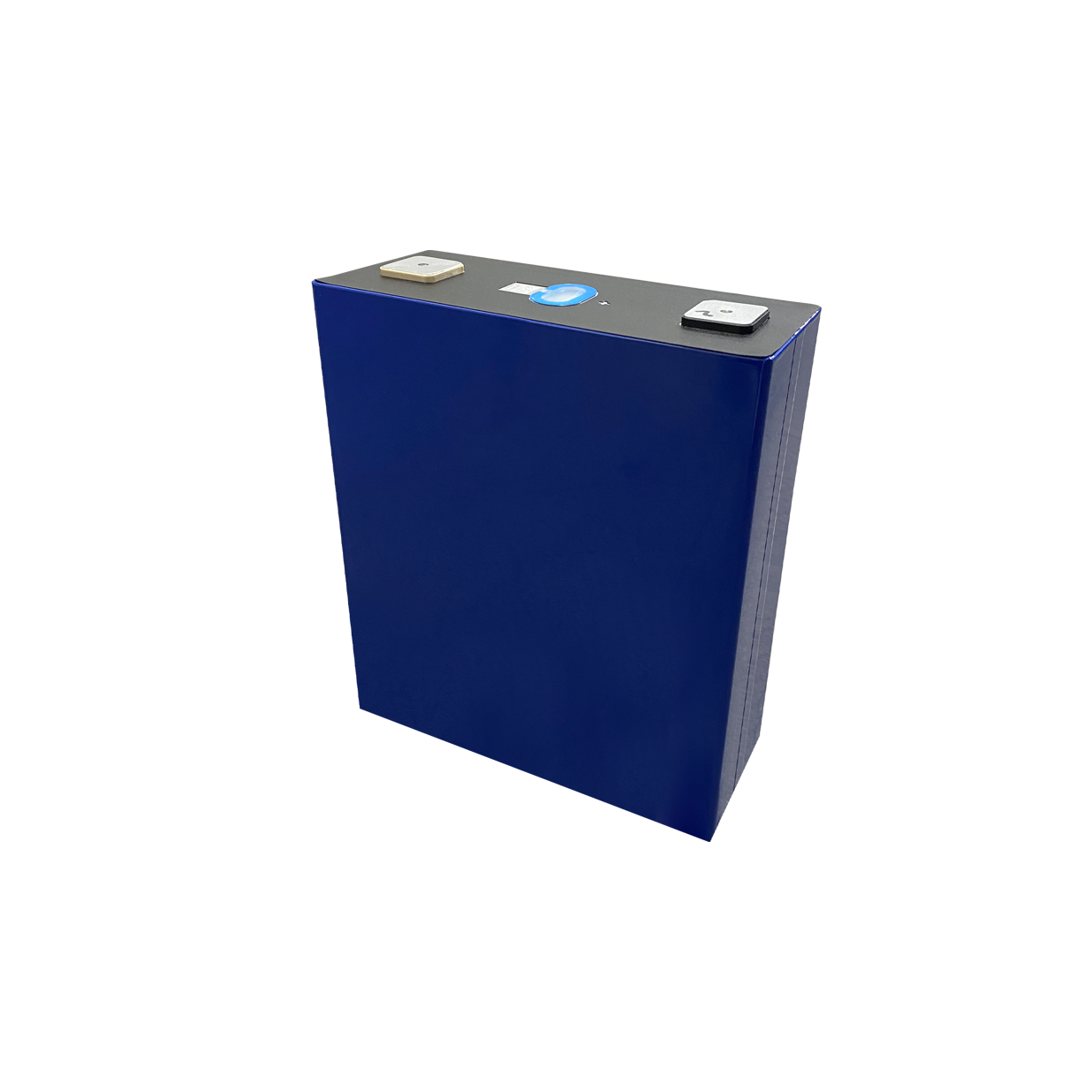
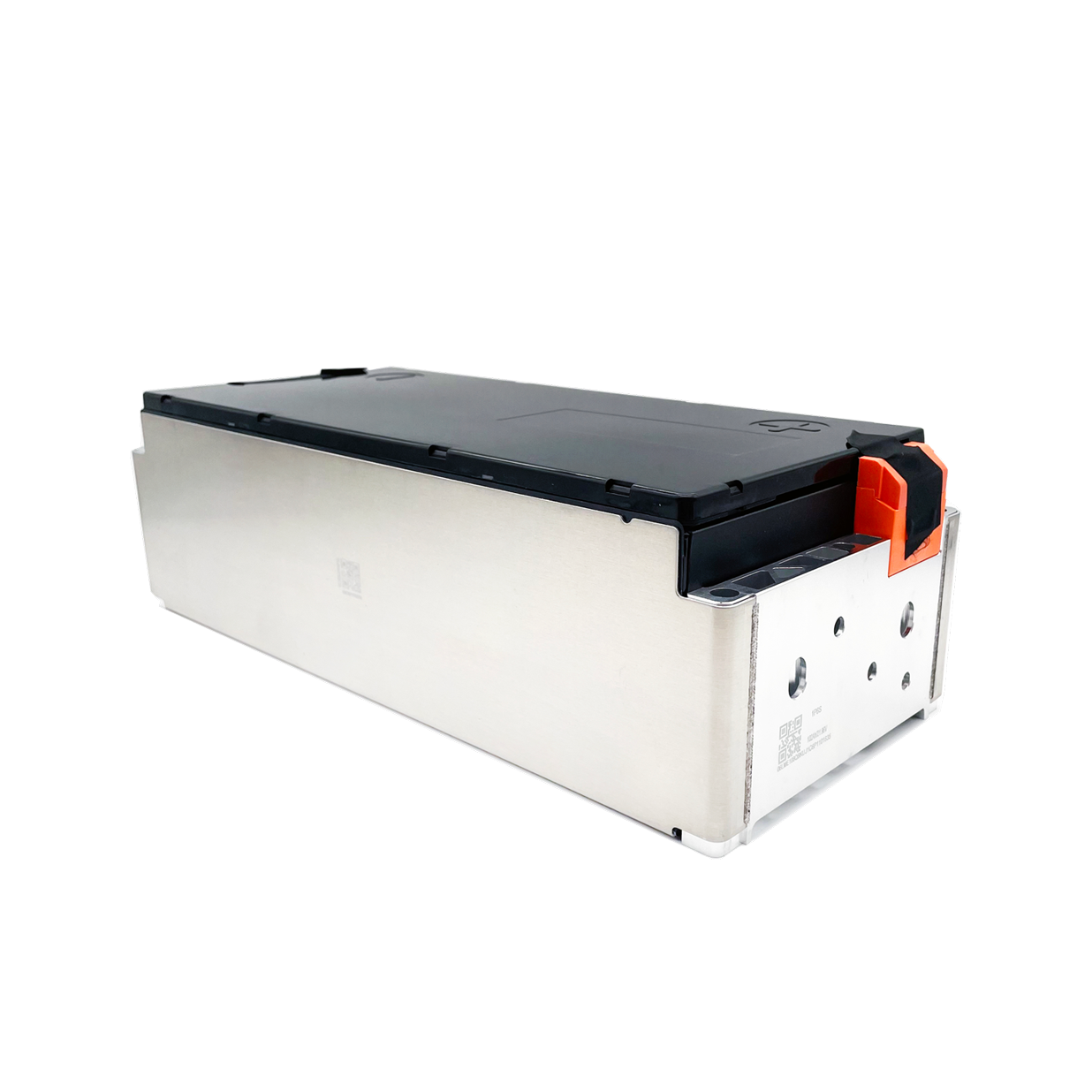
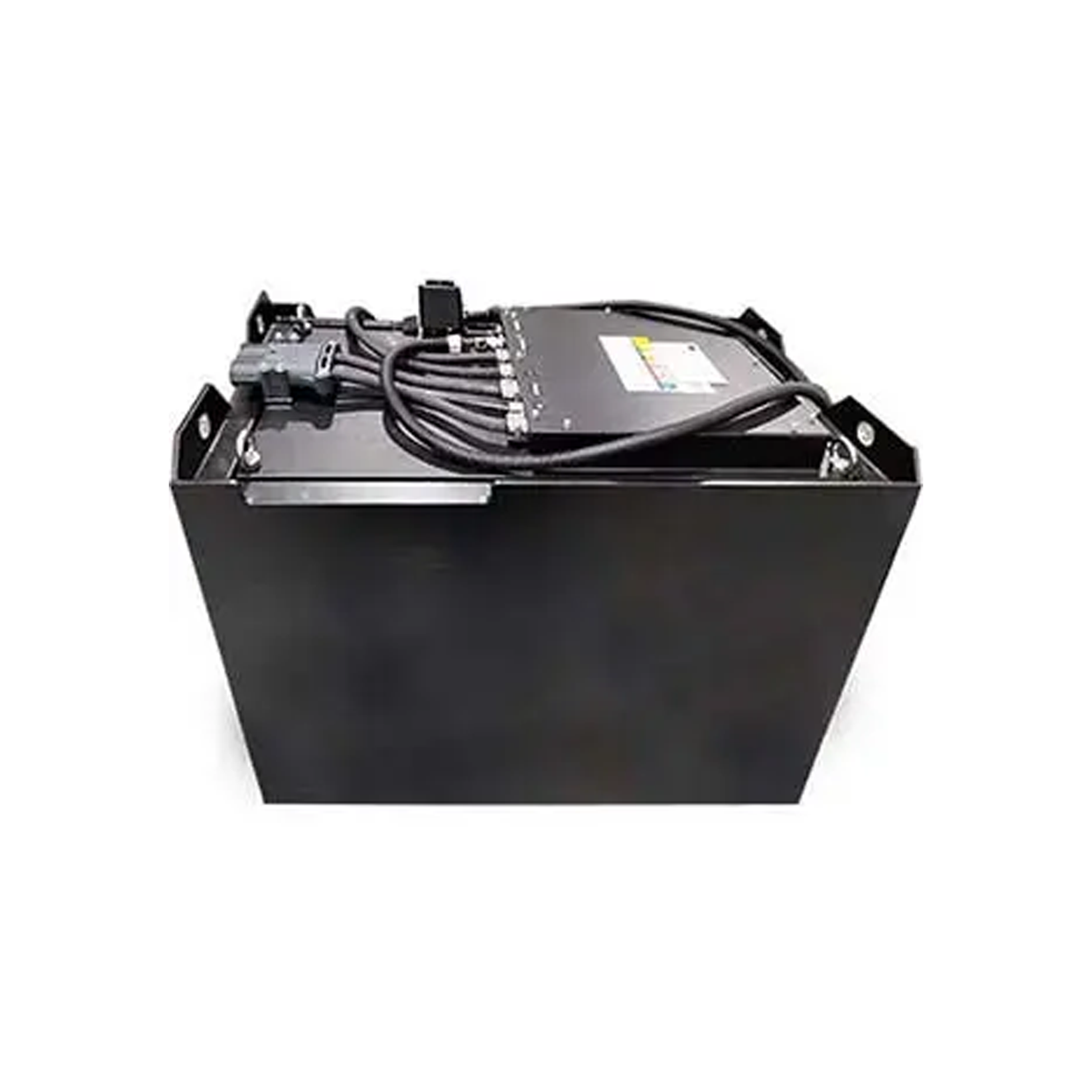
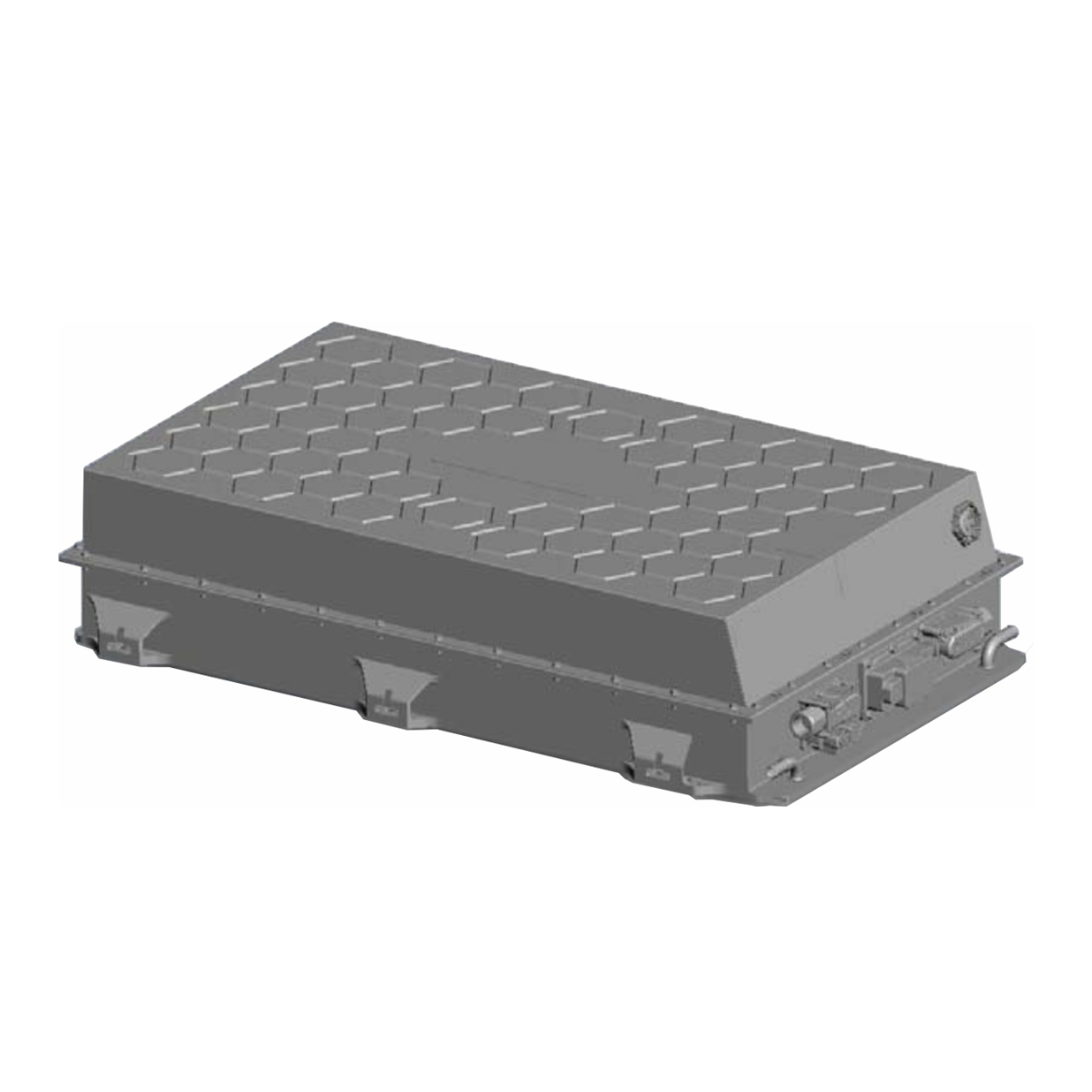
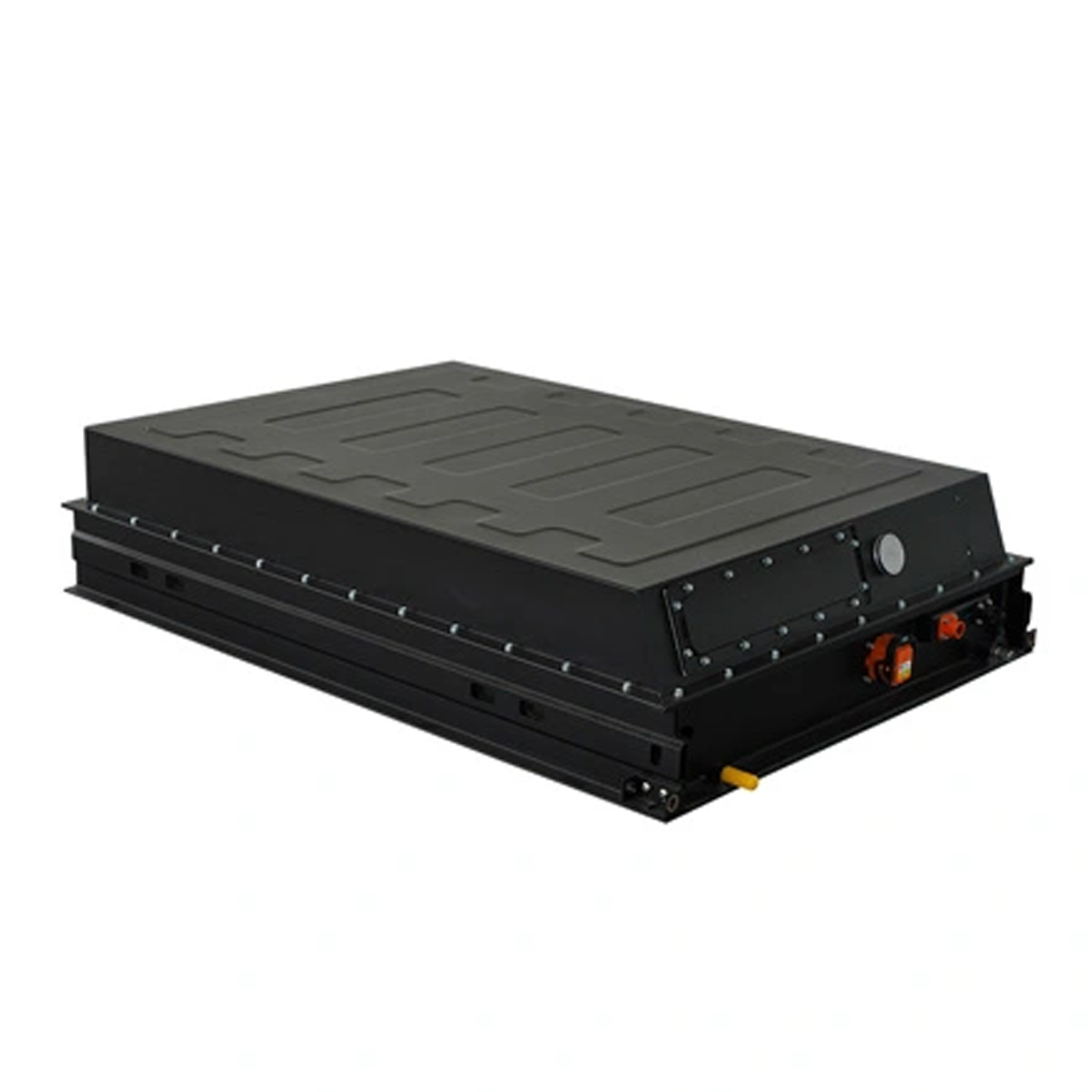
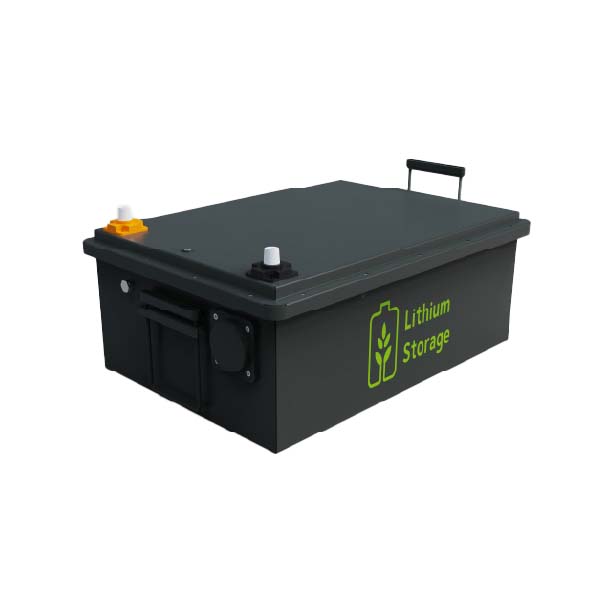
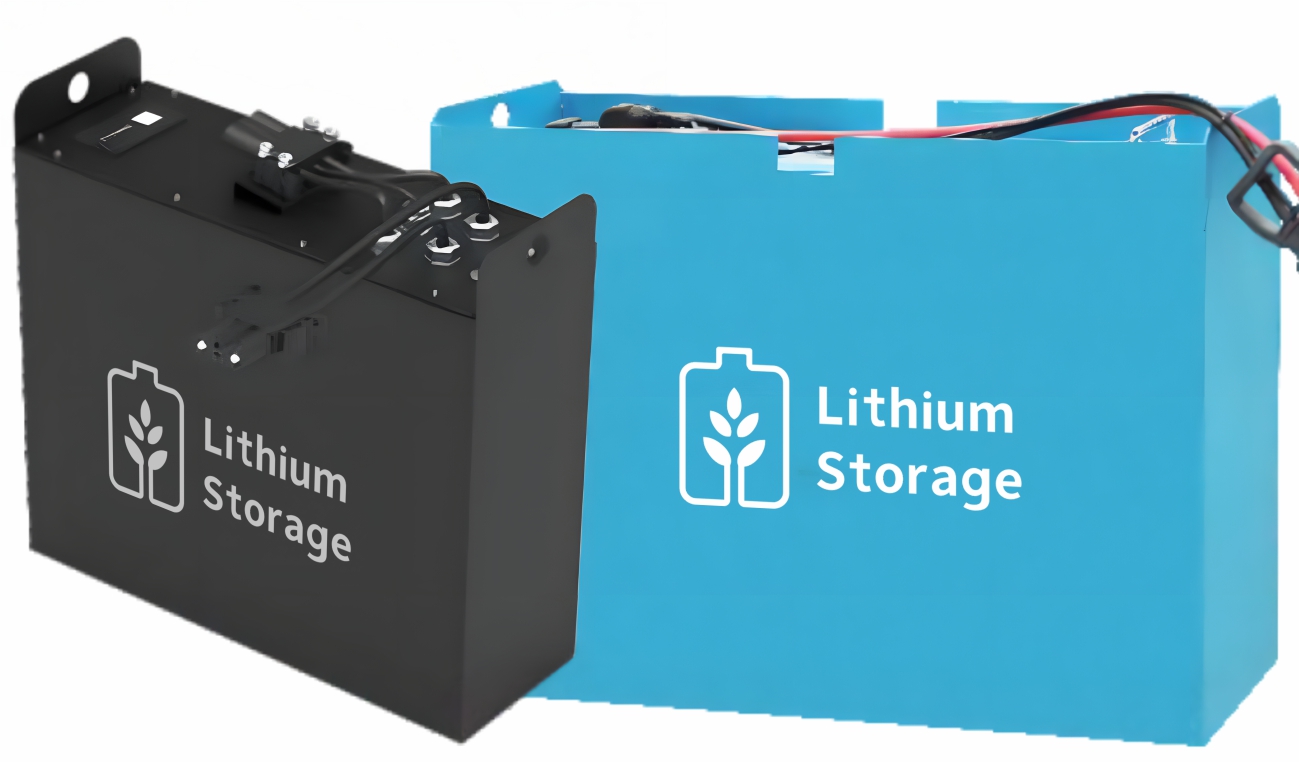
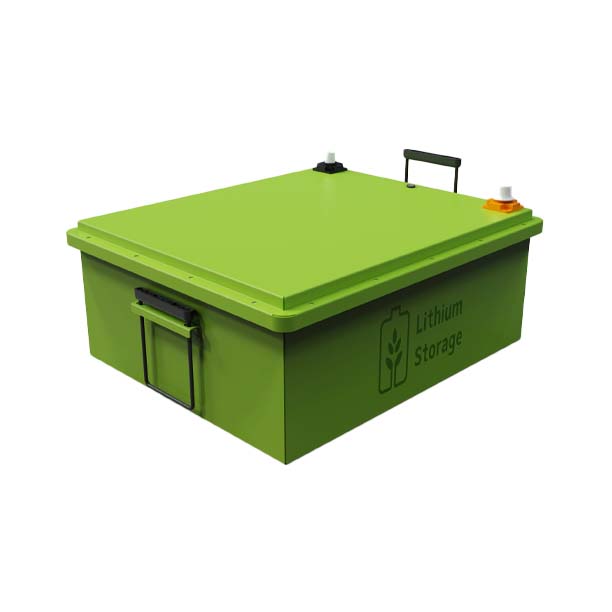
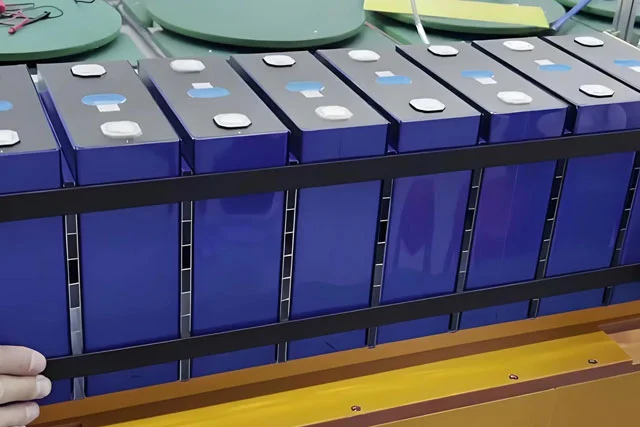
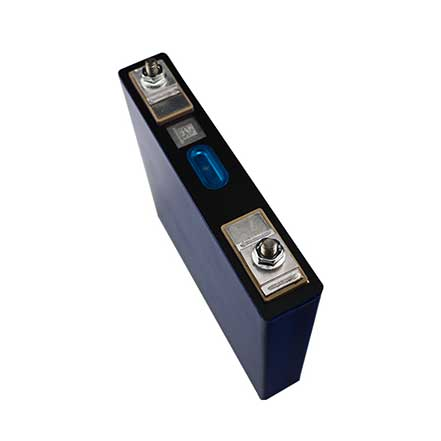
The Forklift Lithium Battery stays installed in the truck throughout the day.
Toyota describes opportunity charging in much the same way: forklifts connect during breaks or shift changes, helping reduce battery changes and improve equipment uptime in multi-shift operations.
Why Lithium Is Well Suited to This Strategy
Lead-acid batteries can also be opportunity charged, but doing so introduces additional maintenance and charging considerations.
Lithium batteries:
Accept partial charging well.
Do not require watering.
Do not require conventional lead-acid equalization.
Do not need to cool for the same extended periods required by some lead-acid charging strategies.
Toyota specifically distinguishes lithium from lead acid in this regard.
Benefit 1: Reduce Battery Swapping
A traditional high-utilization lead-acid fleet may need:
one battery in use + one charging + one cooling
Lithium opportunity charging can allow the same battery to remain in the truck through multiple shifts where the energy balance supports it.
Toyota notes that in suitable multi-shift applications one lithium battery can eliminate the need for several lead-acid batteries and their associated storage space.
Benefit 2: Increase Forklift Uptime
A battery change may require:
Driving to the battery room
Removing the discharged battery
Installing a charged battery
Inspecting connections
Returning to operation
Opportunity charging uses downtime that already exists.
Crown similarly positions lithium opportunity charging as a way to keep one battery operating across multiple shifts without battery-change downtime.
Benefit 3: Reduce Battery-Room Requirements
Fewer spare batteries can mean less need for:
Battery racks
Extraction equipment
Battery handling areas
Dedicated storage space
This can be particularly valuable in warehouses where floor area is expensive.
Benefit 4: Use Smaller Batteries More Effectively
A battery does not necessarily need to store an entire day's energy if predictable charging opportunities exist.
Suppose a forklift consumes 40kWh per day but can reliably restore:
The battery does not need to start with the full 40kWh available, provided there is enough energy and reserve between charging events.
Calculate Opportunity Charging by Energy
Use:
Energy restored ≈ charger power × charging time × efficiency
A 10kW charger operating for 30 minutes theoretically delivers about:
10 × 0.5 = 5kWh before losses
If the forklift consumes 8kWh between charging opportunities but restores only 5kWh each time, the SOC will gradually fall.
This simple calculation is essential when designing an opportunity-charging fleet.
Charger Placement Matters
A 30-minute lunch break is not a 30-minute charging session if the operator spends ten minutes driving to and from a remote battery room.
Toyota recommends placing opportunity-charging stations conveniently so operators can connect during natural breaks.
Useful locations include:
Near break rooms
Production staging zones
Dock waiting areas
Forklift parking points
Opportunity Charging Requires Operator Training
The technology does not work if operators forget to connect.
Toyota describes the behavioral shift required when moving from lead acid to lithium: operators need to learn to plug in whenever the forklift is idle, including short breaks.
This should become part of standard operating procedures.
When Opportunity Charging Provides the Most Value
It is particularly valuable for:
For a low-utilization single-shift truck that sits unused for 12 hours every night, opportunity charging may deliver relatively little additional value.
Charger Selection Still Matters
LITHIUM STORAGE offers 48V chargers from 100A to 300A and 80V chargers from 100A to 300A, plus dual-output systems capable of higher combined current.
The correct charger depends on how much energy must be restored during the available breaks.
The main benefit of opportunity charging is therefore not “charging often.” It is using existing idle time to maintain a positive energy balance without interrupting forklift productivity.