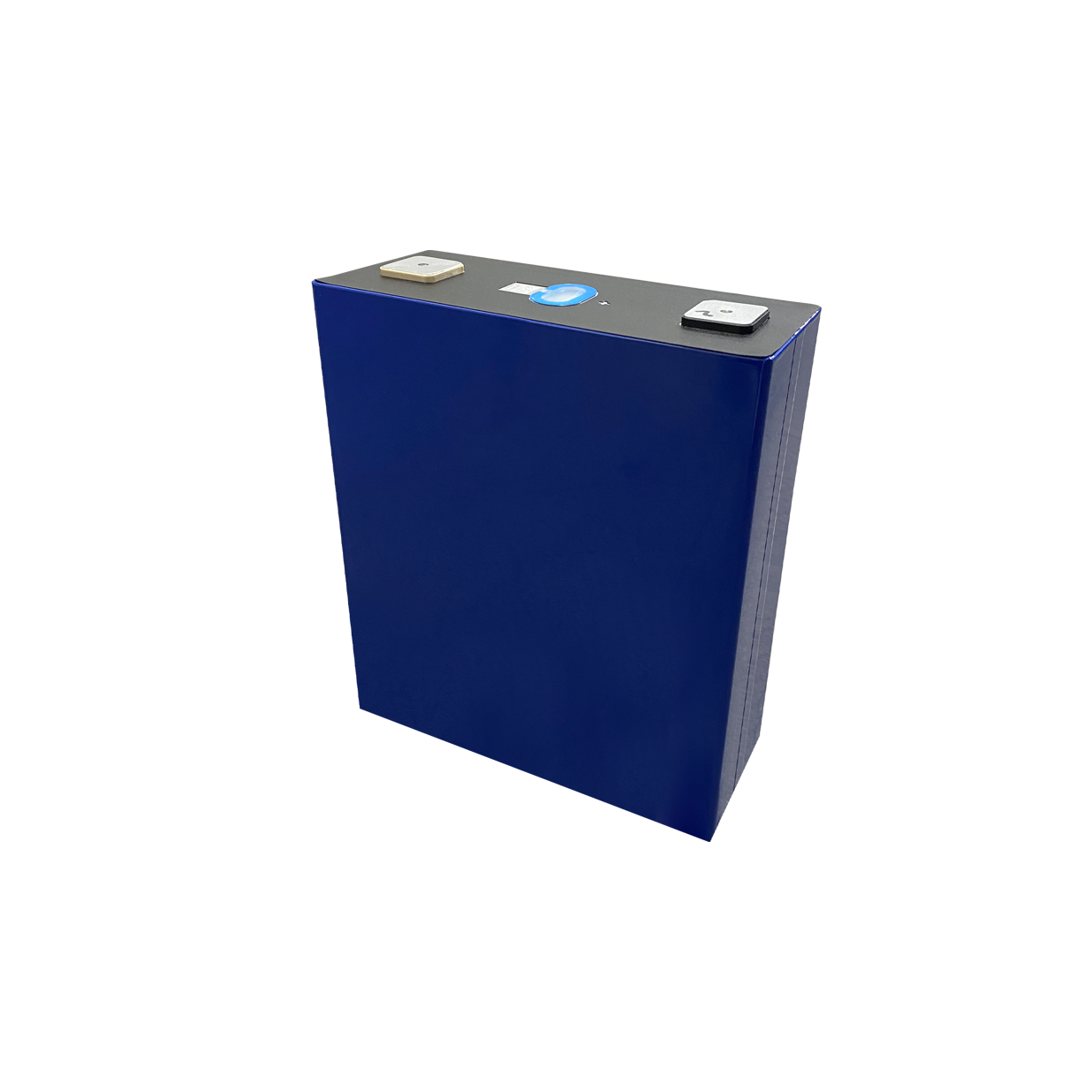
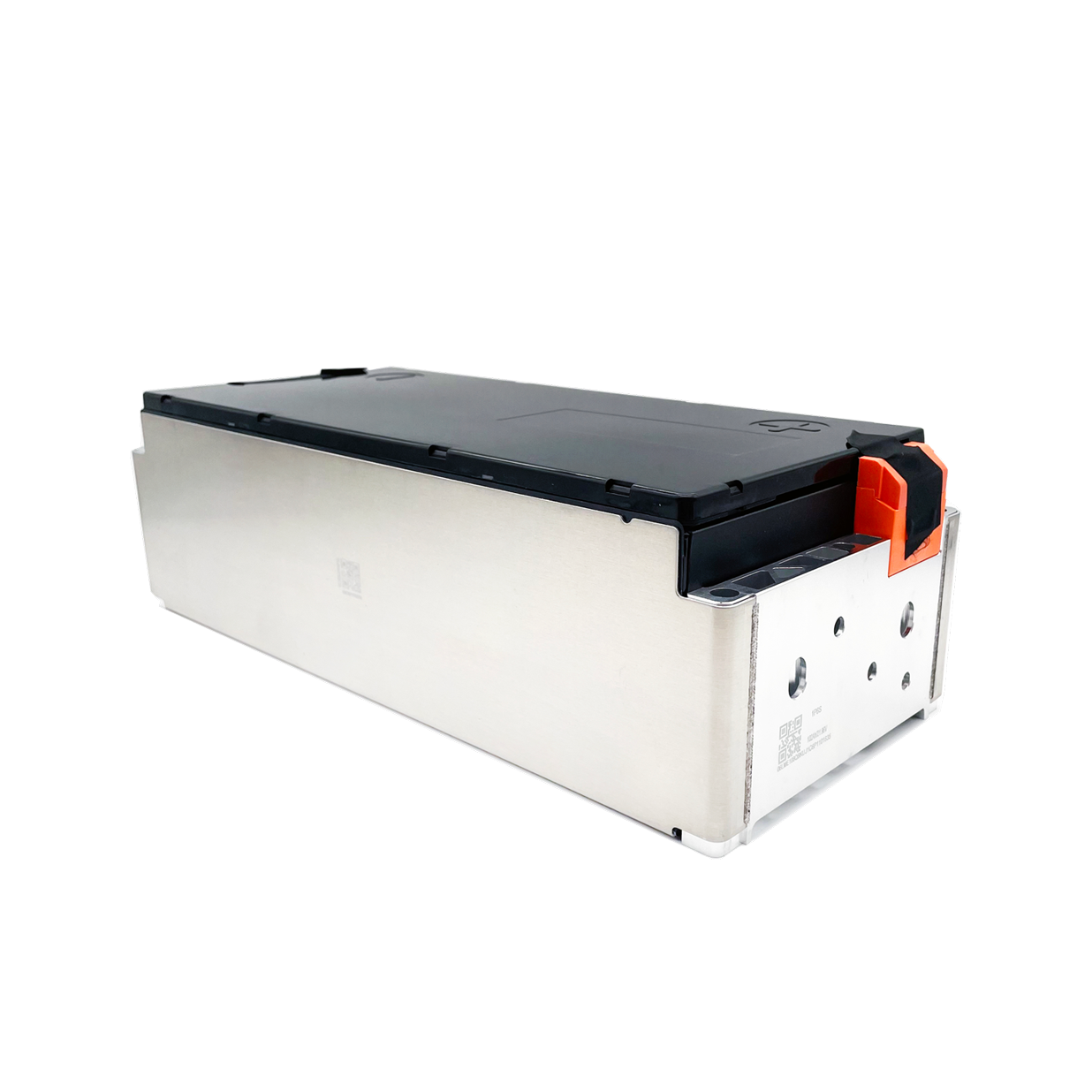
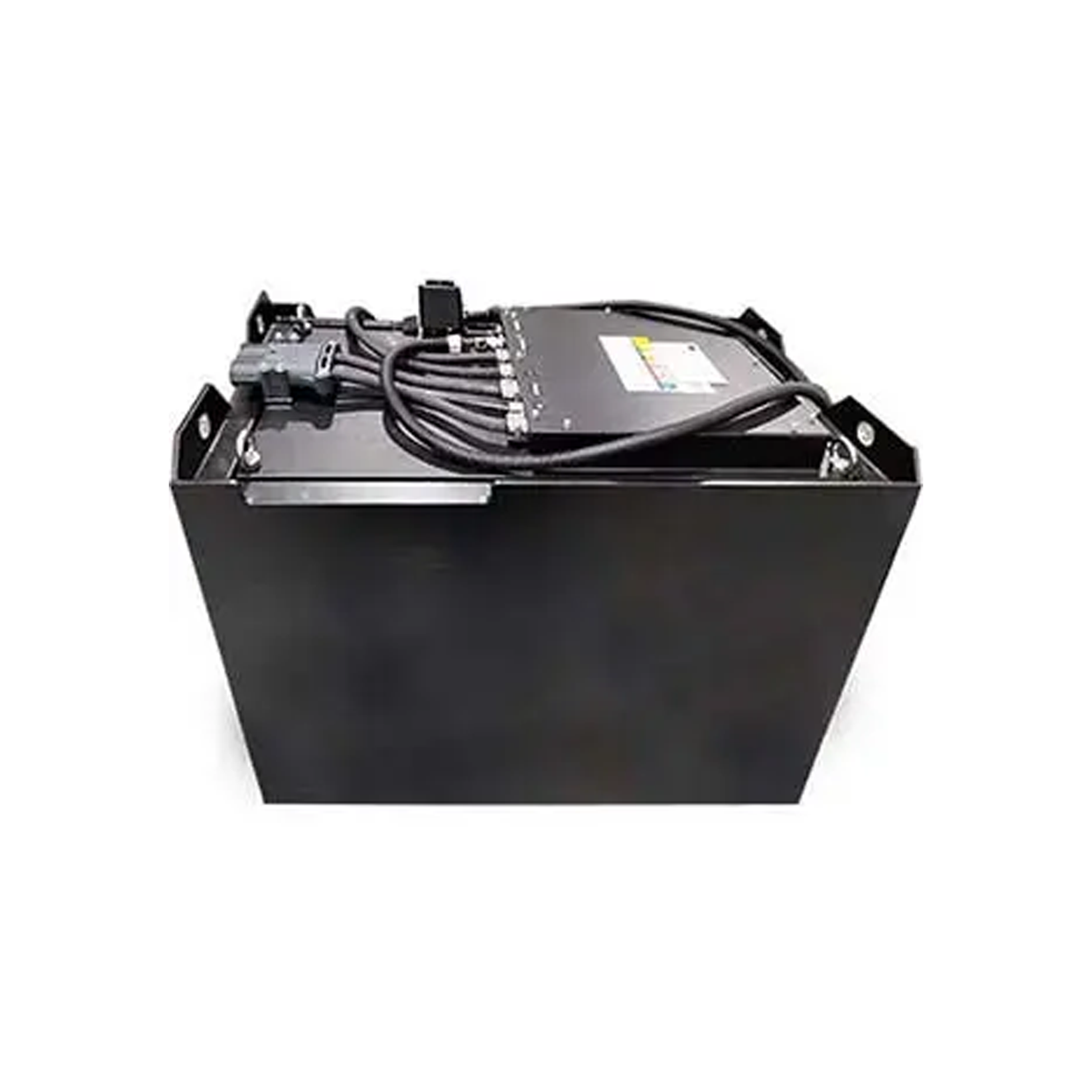
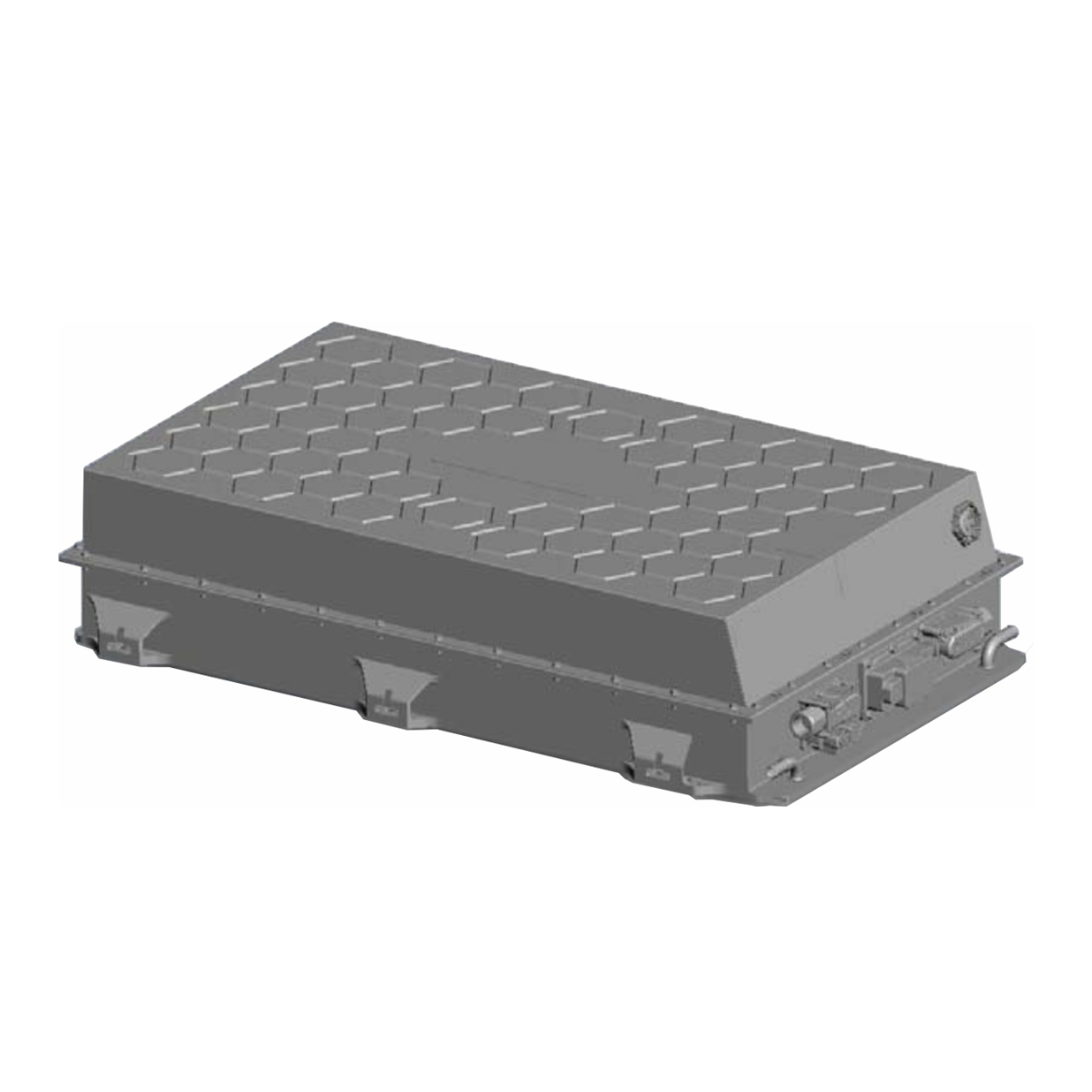
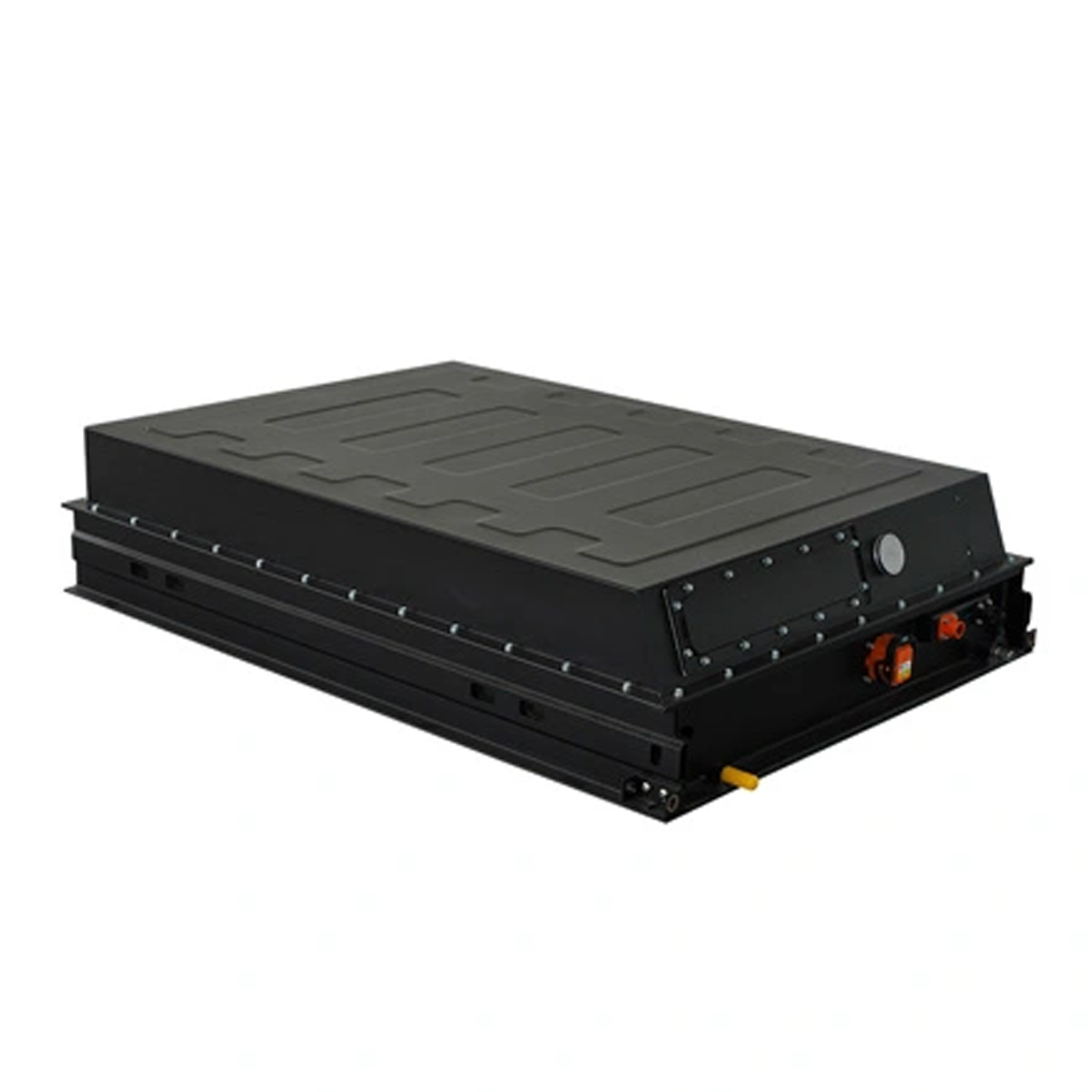
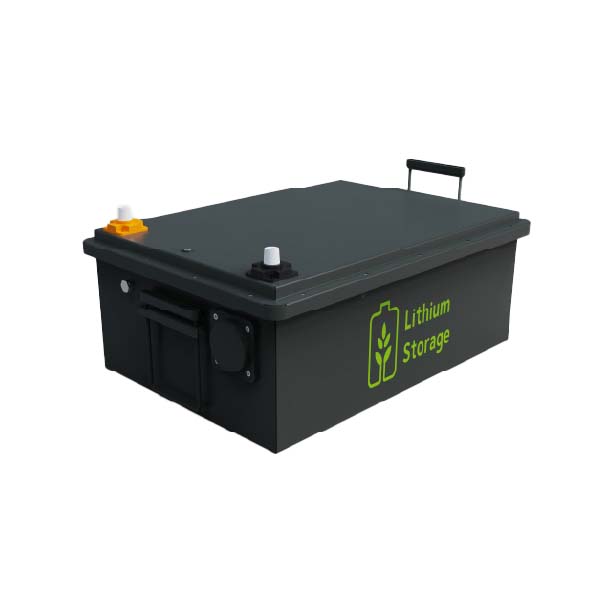
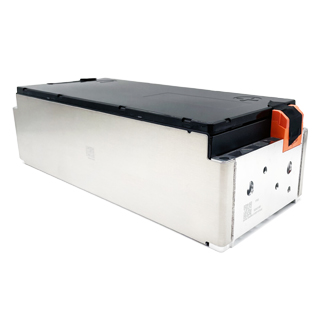
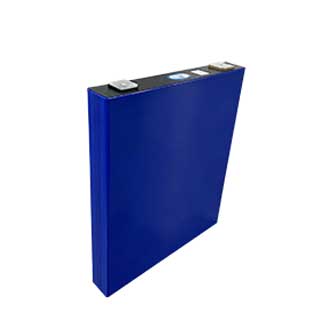
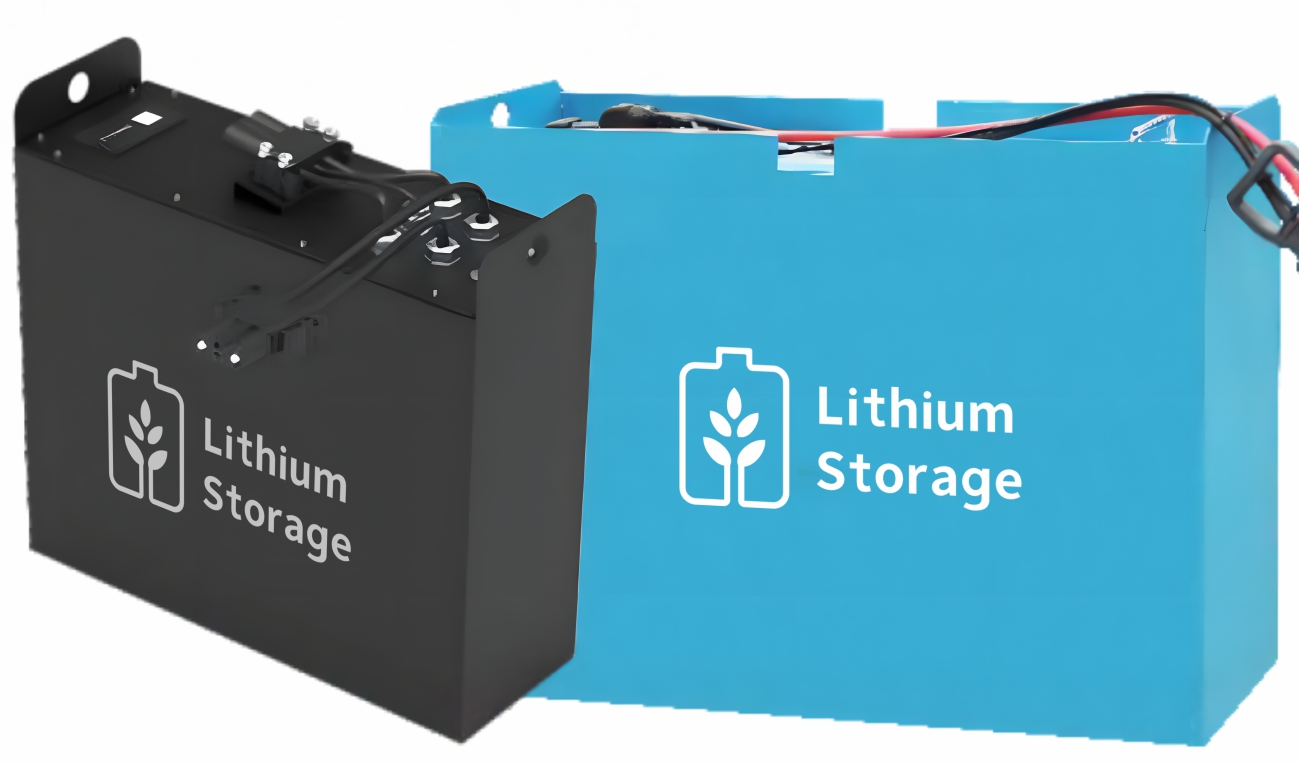
Lithium forklift batteries are often charged more frequently than lead-acid batteries. In a multi-shift warehouse, a truck may connect to a charger during every break, lunch period and shift change.
That raises a common question: does frequent charging shorten the life of a Lithium Ion Forklift Battery?
Not necessarily. Charging frequency by itself is less important than total energy throughput, depth of discharge, charging rate and battery temperature.
Ten Small Charges Are Not Automatically Worse Than One Large Charge
Battery aging is better understood through equivalent full cycles.
Suppose a forklift discharges and recharges 10% of its usable battery capacity five times in one day.
That represents approximately:
5 × 10% = 50% of one full equivalent cycle
It is not automatically equivalent to five full battery cycles.
This is why counting charger connections gives a misleading picture of battery wear.
Depth of Discharge Matters
Consider two operating strategies.
Strategy A: Battery repeatedly falls from 100% to 10% before recharging.
Strategy B: Battery typically moves between 70% and 40%, receiving short charges throughout the shift.
Both may deliver similar energy over time, but the battery experiences very different SOC ranges.
Lithium batteries are well suited to partial charging, which is one reason they work effectively in opportunity-charged forklift fleets.
Toyota specifically notes that lithium batteries can be opportunity charged during breaks and that they do not require the same weekly equalization/cooling procedures associated with lead-acid batteries.
Charge Rate Is Often More Important Than Frequency
A 15-minute charging event at moderate current and a 15-minute event at very high current are not electrically equivalent.
Higher charge rates can create:
Therefore, fleets should consider:
how often + how much energy + at what current + at what temperature
rather than asking only how many times the charger is connected.
Temperature Strongly Influences Aging
If every opportunity-charge session occurs while the battery is hot from heavy forklift operation, degradation can differ from charging the same amount of energy at moderate temperature.
Likewise, cold charging may trigger BMS restrictions.
LITHIUM STORAGE emphasizes separate charging-temperature limits and BMS-controlled charging as important selection factors for industrial forklift batteries.
Frequent Opportunity Charging Can Reduce Deep Discharge
One advantage of frequent short charging sessions is that the battery may avoid repeatedly reaching very low SOC.
For example:
Without opportunity charging:
100% → 15% → overnight charge.
With opportunity charging:
90% → 60% → 75% → 45% → 65% → 35% → overnight recharge.
The second strategy can keep more reserve energy available and reduce the operational risk of unexpectedly running out of charge.
Why Operator Behavior Matters
Toyota describes one practical challenge of lithium opportunity charging: operators must develop the habit of connecting the forklift whenever it is idle, even during relatively short breaks.
If operators skip these charging periods, the entire battery sizing plan can fail even though the battery and charger were correctly engineered.
Monitor Equivalent Full Cycles, Not Plug-In Counts
For fleet maintenance, useful metrics include:
These provide a much clearer view of battery usage than the raw number of charging sessions.
Does Charging to 100% Every Time Help?
Not necessarily.
If the forklift only needs 60% SOC to reach the next charging window, waiting for a full charge can waste operational time.
Charging strategy should maintain enough reserve for the next work period while respecting the battery supplier's recommended SOC and charge limits.
How to Protect Lithium Forklift Battery Life
A practical charging strategy is to:
Avoid unnecessary deep discharge.
Use opportunity charging where operationally useful.
Do not exceed recommended charge current.
Keep temperature within approved limits.
Use the correct charger/BMS protocol.
Investigate repeated thermal or charging faults.
LITHIUM STORAGE's forklift battery systems are designed around BMS monitoring, charger compatibility and multi-shift charging applications.
The lifespan of a Lithium Ion Forklift Battery therefore depends more on how much energy it processes and under what conditions than on how often an operator plugs it in.