Selecting a 24V truck battery by Ah alone can lead to either an unnecessarily expensive battery or insufficient cabin runtime.
For a lithium starter system, four specifications need to be considered together:
voltage + starting current + Ah/kWh + physical compatibility
A 24V 150Ah Lithium Starter Battery may provide plenty of starting performance for one truck but insufficient auxiliary energy for another truck running sleeper air conditioning throughout the night.
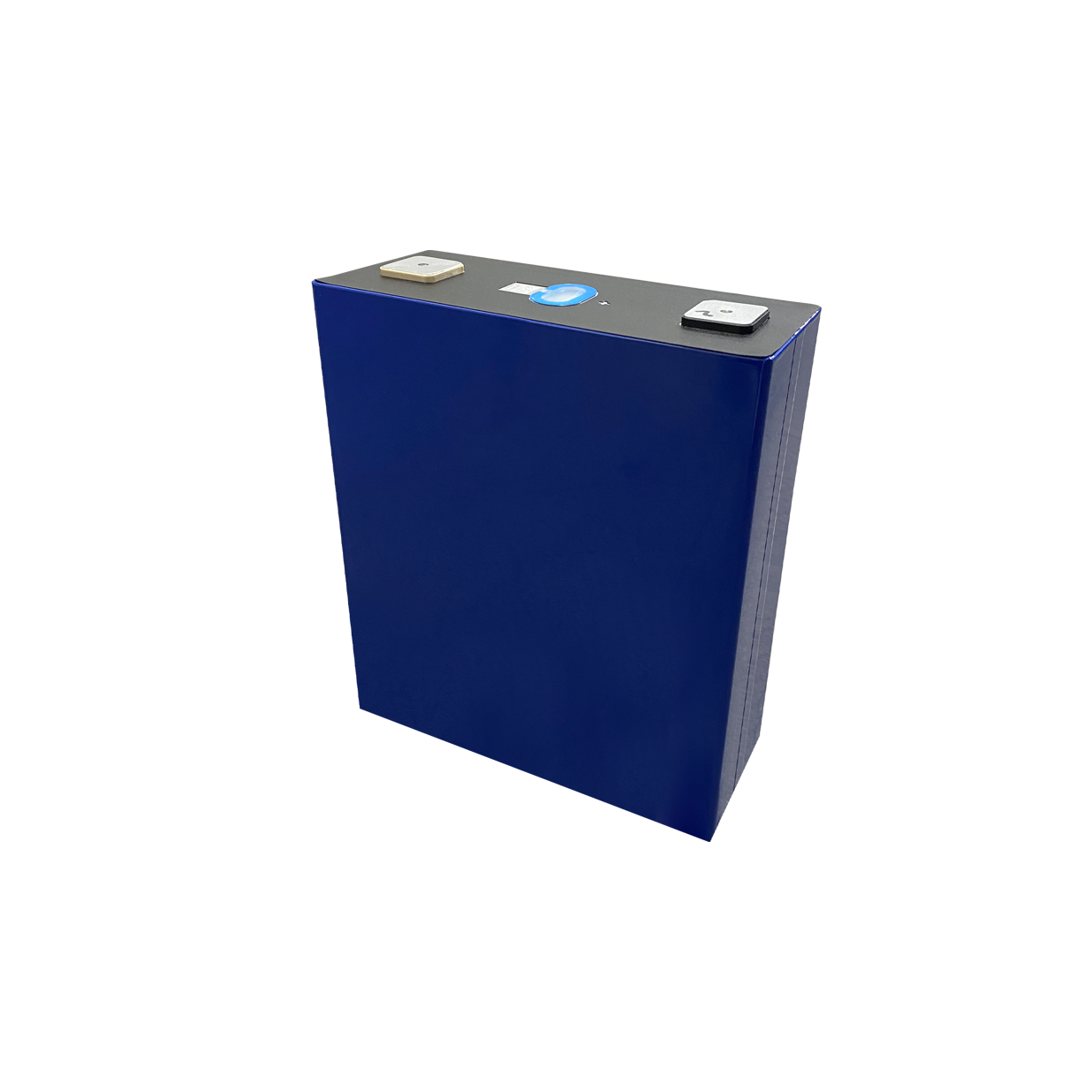
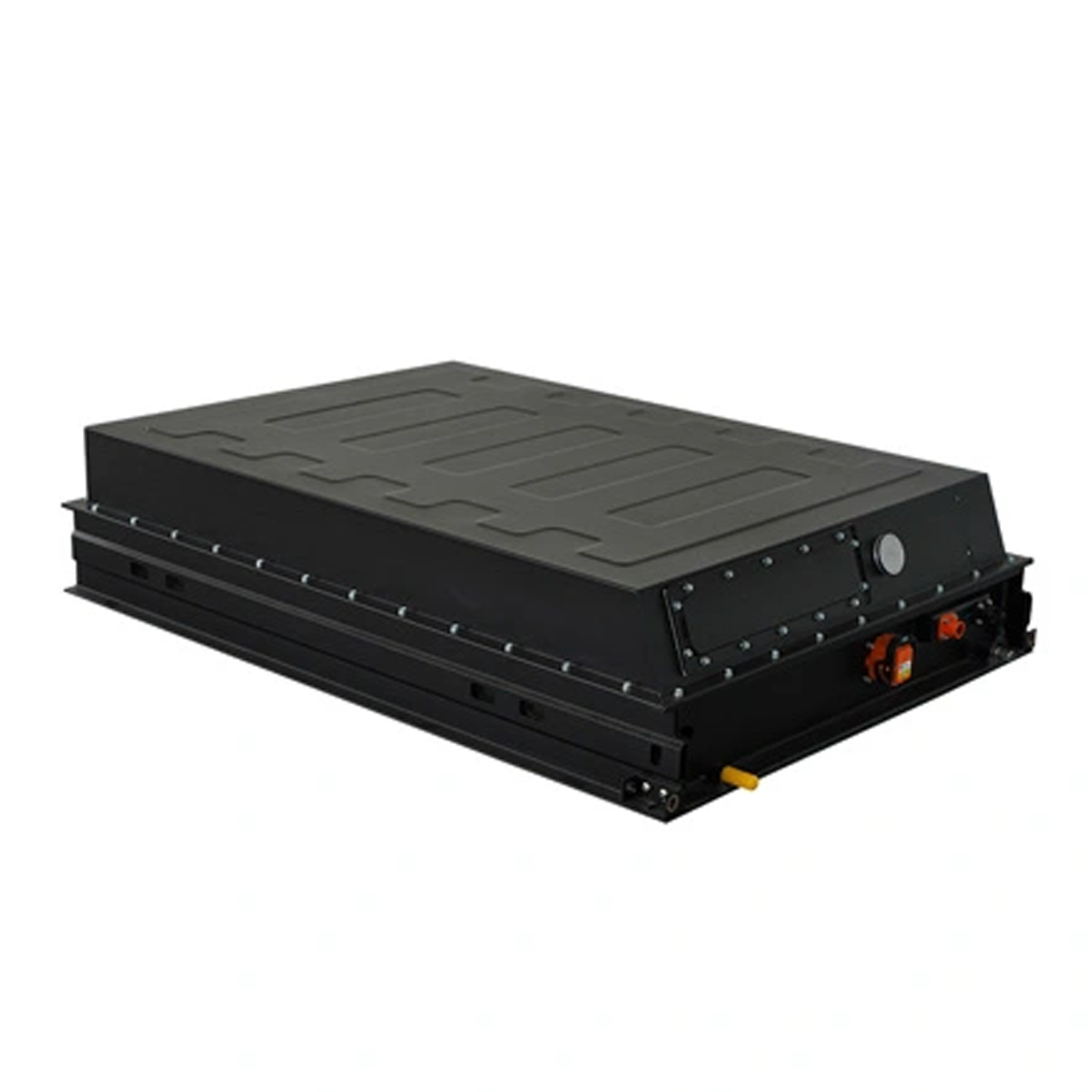
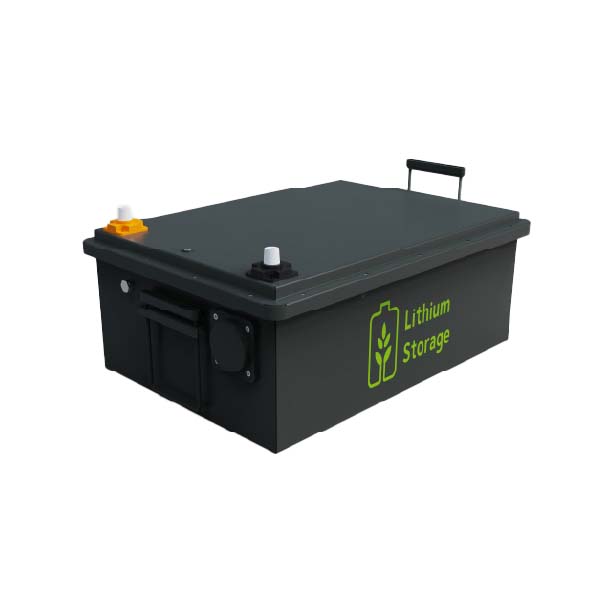
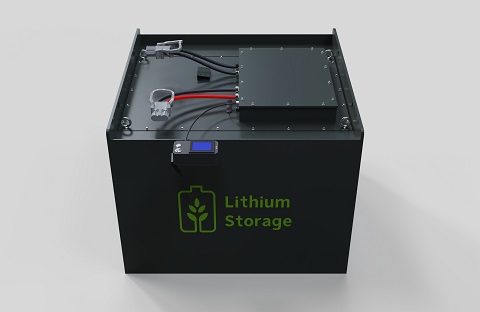
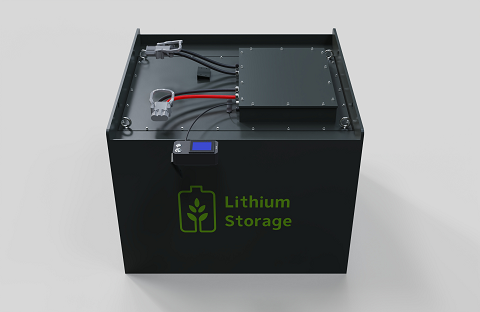
LITHIUM STORAGE's LS3864 provides a useful example of how these parameters fit together.
What Does 150Ah Actually Mean?
Amp-hours describe battery charge capacity.
For energy comparisons, convert Ah into kWh.
The LITHIUM STORAGE LS3864 is rated at:
25.6V
150Ah
3.864kWh nominal energy
The energy calculation is approximately:
Voltage × Ah ÷ 1,000 = kWh
In practice, usable energy may be lower than nominal energy because the BMS, SOC reserve, temperature and battery-life strategy limit the amount that should be discharged.
Ah Does Not Determine Starting Capability by Itself
A starter battery has two jobs:
Deliver very high current for a few seconds.
Provide stored energy for electrical loads.
The LS3864 is rated for 200A continuous discharge and up to 3,000A maximum inrush current.
This is why a 150Ah starter battery can still crank a large engine even though a higher-capacity battery may have substantially more total stored energy.
When comparing starter batteries, check both:
Ah/kWh
and
maximum starting/inrush current
Calculate Your Cabin Energy Demand
Suppose the truck uses the following while parked:
Air conditioning: average 400W
Refrigerator: average 50W
Electronics and lighting: 50W
Approximate average load:
500W
For six hours:
500W × 6h = 3,000Wh = 3kWh
The LS3864 provides 3.864kWh nominal capacity.
That does not mean it should automatically be specified for this load. Reserve SOC, conversion losses, temperature and the need to preserve reliable engine starting all reduce the energy available for hotel loads.
A 150Ah battery could therefore be too close to the limit for a 3kWh overnight load.
When Is 150Ah a Good Fit?
A 24V 150Ah Lithium Starter Battery may be appropriate when:
Cabin auxiliary loads are moderate.
Engine-off periods are relatively short.
The truck recharges frequently.
Battery compartment space is restricted.
Starting current, not overnight hotel load, is the main requirement.
LITHIUM STORAGE's LS3864 is specifically rated at 3.864kWh and provides a compact 500 × 280 × 200mm overall battery format before considering the terminal projection specified by the manufacturer.
When Should You Move to 206Ah?
LITHIUM STORAGE's LS5306 increases capacity to:
while retaining 200A continuous charge/discharge and 3,000A maximum inrush specifications.
The 206Ah version may therefore make sense where the truck's starting requirement is similar but more engine-off cabin energy is needed.
When Does 280Ah Make Sense?
The LS7212 provides:
This additional energy can be useful in sleeper trucks operating:
Again, the exact runtime depends on the actual load.
What About 314Ah?
LITHIUM STORAGE also offers LS8088 and LS8088Pro 314Ah products.
The LS8088 specifies:
The Pro version retains the same electrical capacity but uses a different enclosure format.
This shows why two batteries with the same Ah can still target different installation requirements.
Compare the Current LITHIUM STORAGE Range
| Model | Capacity | Published Energy | Best Starting Point |
|---|
| LS3864 | 150Ah | 3.864kWh | Moderate auxiliary demand |
| LS5306 | 206Ah | 5.306kWh | Longer cabin use |
| LS7212 | 280Ah | 7.212kWh | Heavy sleeper loads |
| LS8088 | 314Ah | 8.088kWh | High energy demand |
| LS8088Pro | 314Ah | 8.088kWh | Same capacity, alternative packaging |
These categories are only practical starting points. Actual selection depends on vehicle load and installation.
Calculate Ah from Daily Energy Use
If the truck's hotel load is known in kWh, estimate the required capacity using:
Required Ah ≈ required Wh ÷ nominal voltage
Example:
Required cabin energy = 4,000Wh
Battery nominal voltage = 25.6V
4,000 ÷ 25.6 ≈ 156Ah
But specifying exactly 156Ah would leave little reserve.
The system also needs energy for:
Reliable engine restart
Conversion losses
Cold-temperature effects
Battery aging
BMS reserve
This is why the real selected capacity would generally be higher than the theoretical minimum.
Check Continuous Load as Well
An air-conditioning system can create significant continuous demand.
The LS3864 supports up to 200A continuous discharge according to its specification.
At 25.6V, that represents much more power than typical cabin hotel loads, but the battery supplier should still confirm:
Temperature Can Change the Decision
All current LS3864, LS7212 and LS8088 specifications list operation from -30°C to 60°C and support preheat.
A truck operating in severe winter conditions may require:
Therefore, calculate capacity around the worst realistic operating environment, not only mild-temperature conditions.
Physical Size Must Be Checked Before Increasing Ah
Higher Ah usually requires more cells and therefore more physical space.
Approximate published battery dimensions differ across the range:
150Ah LS3864: 500 × 280 × 200mm external format before the terminal height detail.
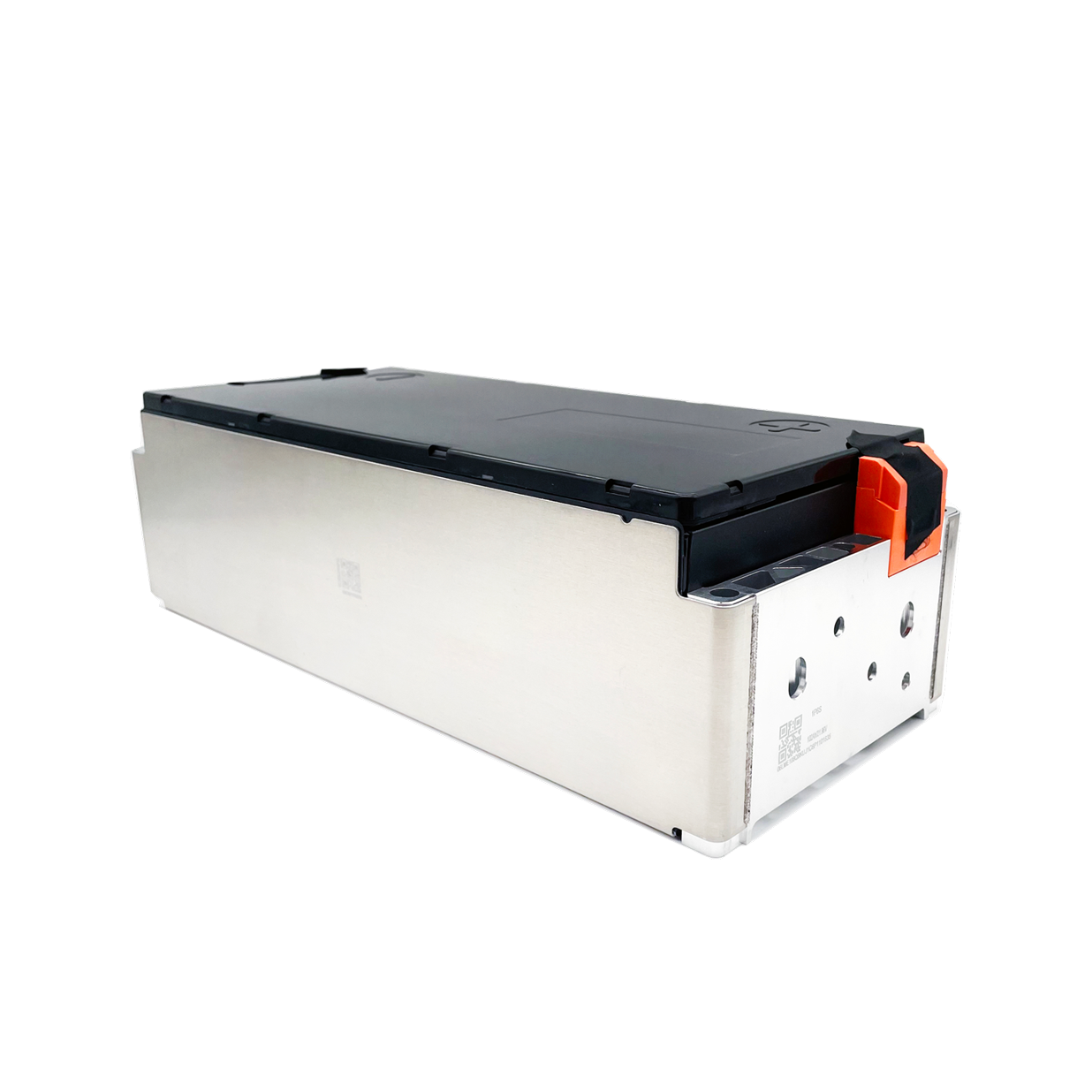
206Ah LS5306: 525 × 380 × 202mm.
280Ah LS7212: 520 × 440 × 202mm.
So moving from 150Ah to 280Ah is not simply a capacity decision.
Measure:
Battery tray
Terminal clearance
Cable position
Hold-down arrangement
Nearby vehicle equipment
Verify Truck Charging Compatibility
Before replacing an existing battery, provide the supplier with:
The LITHIUM STORAGE range specifies up to 200A continuous charging current, but actual truck charging behavior must still stay within BMS and battery limits.
Choosing the Right Ah Rating
Use 150Ah when starting reliability is the main requirement and auxiliary energy demand is moderate.
Move toward 206Ah when longer parked operation needs more stored energy.
Consider 280Ah or 314Ah for sleeper trucks with substantial air-conditioning and cabin-electrical loads, provided there is enough installation space.
The LS3864 24V 150Ah Lithium Starter Battery combines 3.864kWh nominal energy, 3,000A maximum inrush capability, IP67 protection, 4G communication, GPS and preheat support.
The correct Ah rating is therefore not simply “the largest battery that fits.” It is the smallest battery that can reliably support engine starting + auxiliary energy + reserve capacity + temperature margin throughout the truck's real operating cycle.